22 Japanese ways to say “Truce?”
Sometimes, when tensions run high, knowing how to call for a “truce” can save the day—and your friendships! Whether it’s a playful disagreement or a serious argument, a well-timed peace offer is a universal lifesaver.
In Japanese, there are many warm and casual ways to say “Truce?” or “Let’s call it peace,” each carrying its own flavor and nuance. It’s fun to explore these phrases and see how the language mirrors the social art of making peace.
From casual chats with friends to more formal apologies, Japanese has you covered with expressions that fit every mood and situation.
Learning different ways to say “Truce?” not only spices up your conversations but also helps you connect genuinely with Japanese speakers on a more personal level.
Plus, mastering these phrases can come in handy in all kinds of social situations, making your Japanese sound natural and thoughtful.
So, ready to arm yourself with 22 lovely Japanese ways to say “Truce?” Let’s dive in!
Understanding the Basics of Saying “Truce” in Japanese
Before we jump into the specific phrases, it’s helpful to understand the concept of “truce” or “peace” in Japanese culture and language. The idea often revolves around harmony (和, wa) and reconciliation.
While there isn’t one exact word that directly translates to “Truce?” in every case, you’ll find many expressions asking for peace, understanding, or a break from conflict.
Knowing when and how to use these phrases depends on formality, relationship, and tone.
If you want to start with a solid foundation, a great beginner phrasebook can help you understand these nuances better.
Let’s begin with some casual and friendly ways to ask for a truce.
These will come in handy when chatting with friends or lightening the mood.
Part 1: Casual Suggestions
1. 仲直りしよう? (Nakanaori shiyou?) – “Shall we make up?”

This phrase is perfect when you want to suggest smoothing things over with a friend after a squabble.
“仲直り (nakanaori)” means “making up” or “reconciliation,” and “しよう (shiyou)” is the volitional form of “do,” so together it means “Let’s make up.”
It’s casual yet sweet, great for informal situations.
Using this shows you’re ready to move past the conflict.
You might hear this after a small argument or misunderstanding.
Try it next time you want to clear the air gently!
2. 休戦しよう? (Kyuusen shiyou?) – “Shall we call a truce?”
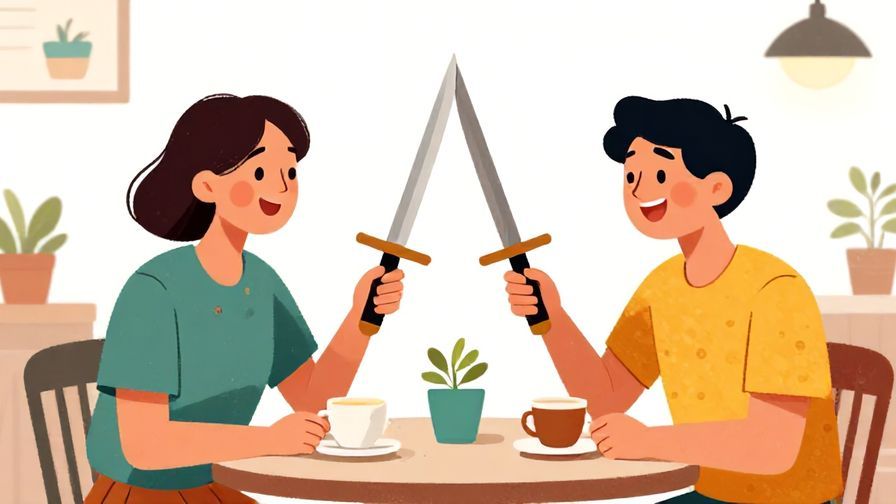
“休戦 (kyuusen)” literally means “ceasefire” or “truce,” and “しよう (shiyou)” again means “let’s do.”
This phrase is a direct way to suggest a truce, often used jokingly or in playful disputes.
It’s a straightforward, friendly suggestion that you want to pause the fight.
It’s easy to remember since it’s similar to “making a ceasefire.”
As a tip, use it when you want to lighten a tense moment.
It’s less formal but very clear and effective.
3. やめよう? (Yameyou?) – “Shall we stop?”

“やめよう (yameyou)” comes from “やめる (yameru),” meaning “to stop,” and the volitional form suggests “Let’s stop.”
It’s casual and low-key, great for asking to halt an argument or action.
Perfect when you want to cool things down quickly without formality.
This phrase is easy to say and very natural.
You can use it in both serious and playful contexts.
It’s a simple way to suggest peace without much fuss.
4. 仲良くしよう? (Nakayoku shiyou?) – “Shall we get along?”

“仲良く (nakayoku)” means “getting along well,” and “しよう (shiyou)” means “let’s do.”
This is a warm, friendly way to suggest restoring harmony.
It’s great for ending conflicts with a positive, hopeful tone.
Using this phrase shows you care about the relationship.
It’s perfect after a small disagreement with friends or family.
Try it when you want to emphasize friendship and peace.
5. 許して? (Yurushite?) – “Will you forgive me?”

“許して (yurushite)” is the te-form of “許す (yurusu),” meaning “to forgive.”
This is a humble and casual way to ask for forgiveness or a truce.
It can soften the mood and open the door to reconciliation.
It’s effective because it shows you’re taking responsibility.
Use it carefully—it’s best when you’ve made a small mistake.
A sincere “許して?” can melt away tension quickly.
6. もういい? (Mou ii?) – “Is it okay now?”

“もう (mou)” means “already” or “now,” and “いい (ii)” means “good” or “okay.”
This phrase asks if the issue is settled or if it’s okay to move on.
It’s casual and soft, perfect for checking if peace is accepted.
It avoids direct confrontation, making it polite in a casual way.
You can use it after apologizing or offering a truce.
It shows sensitivity and care for the other person’s feelings.
7. 手を握ろう? (Te wo nigirou?) – “Shall we shake hands?”

“手 (te)” means “hand,” “握ろう (nigirou)” is the volitional form of “握る (nigiru),” meaning “to grasp.”
This phrase literally suggests shaking hands, a gesture of peace.
It’s a friendly and physical way to suggest a truce.
Use it for playful or lighthearted disputes.
It’s memorable because it links words to a universal peace gesture.
A handshake can sometimes say more than words!
8. 争いはやめよう? (Arasoi wa yameyou?) – “Let’s stop fighting?”

“争い (arasoi)” means “conflict” or “fight,” “やめよう (yameyou)” means “let’s stop.”
This is a gentle but clear way to suggest ending a fight.
It’s useful for more serious disputes but still casual enough among friends.
It’s direct but polite, making it effective for calming tension.
You can combine it with a smile to keep things lighthearted.
Try this when you want to be straightforward yet kind.
Part 2: Polite & Formal Suggestions
9. 和解しませんか? (Wakai shimasen ka?) – “Shall we reconcile?”

“和解 (wakai)” means “reconciliation,” “しませんか (shimasen ka)” is the polite negative question form meaning “shall we not do?”
This polite phrase is perfect for formal or business situations.
It’s respectful and shows openness to peace.
Use it when you want to propose a truce in a serious context.
It’s a great phrase to know for professional diplomacy.
It helps maintain harmony and respect.
10. ご勘弁くださいませんか? (Go kanben kudasaimasen ka?) – “Would you please forgive me?”
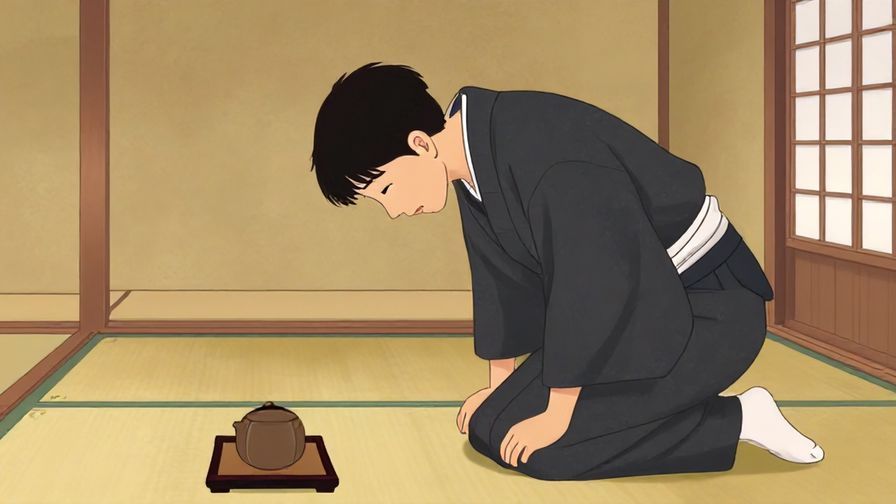
“ご勘弁くださいませんか” is an extremely polite way to ask for forgiveness or leniency.
It’s suited for formal apologies or asking for a truce in delicate situations.
It shows humility and respect.
Use it carefully, as it’s quite formal.
It’s especially useful in customer service or official contexts.
Mastering this phrase can elevate your politeness level in Japanese.
11. お許しいただけますか? (O yurushi itadakemasu ka?) – “Could you kindly forgive me?”
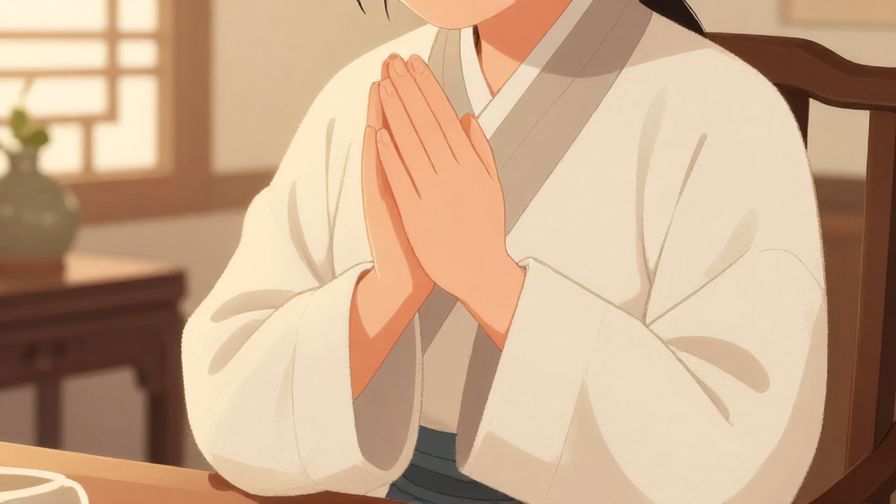
This is another very polite way to ask for forgiveness, combining honorifics and respectful language.
“お許しいただけますか” politely asks, “Could you forgive me?”
It’s great for formal apologies or making peace with someone important.
It shows high respect and sincerity.
You can use it in letters or face-to-face conversations.
It’s a phrase worth adding to your formal Japanese toolkit.
12. もう一度話し合いませんか? (Mou ichido hanashiaimasen ka?) – “Shall we discuss it again?”

This phrase politely invites to reopen dialogue and find peace through conversation.
“話し合いませんか” means “Shall we discuss?” and “もう一度” means “one more time.”
It’s perfect for formal or semi-formal situations where communication is key.
It keeps the tone respectful and hopeful.
Use it to suggest a peaceful negotiation or truce.
It encourages open and honest communication.
13. 争いを終わりにしませんか? (Arasoi o owari ni shimasen ka?) – “Shall we end the conflict?”

This phrase is a polite and professional way to propose ending a fight.
“争い (arasoi)” means conflict, “終わりにしませんか” means “shall we end?”
It’s direct yet courteous, fitting for serious discussions.
Use it in situations where peace is necessary but formality is maintained.
It’s a clear call for resolution.
Great for negotiations or official settings.
14. どうかご理解くださいませんか? (Douka go rikai kudasaimasen ka?) – “Would you please understand?”

This phrase politely asks for understanding, which can be a subtle way to suggest a truce.
“ご理解くださいませんか” is a humble, respectful request for empathy.
Use it to soften tensions and invite compromise.
It’s excellent for sensitive or emotional situations.
This phrase shows you care about the other person’s perspective.
It’s a gentle bridge to peace.
15. 申し訳ありませんが、休戦しましょう。 (Moushiwake arimasen ga, kyuusen shimashou.) – “I’m sorry, but let’s call a truce.”
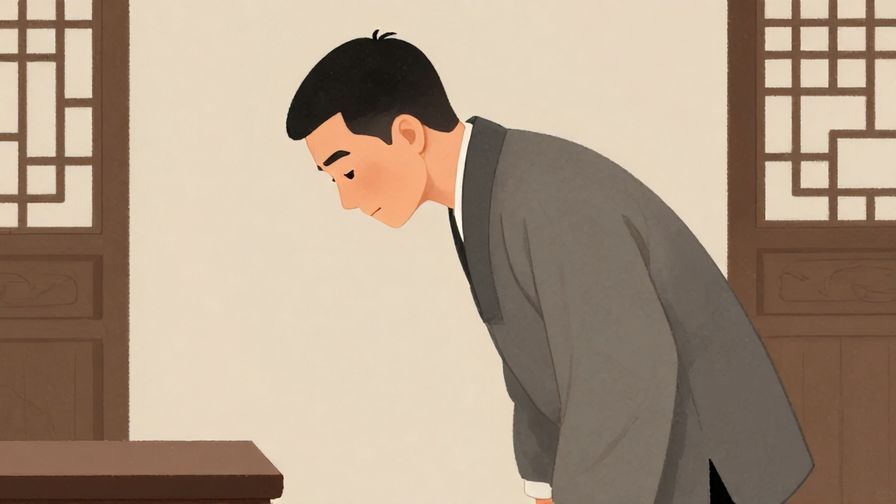
A formal apology combined with a truce proposal.
“申し訳ありません” means “I’m sorry,” “休戦しましょう” means “Let’s call a truce.”
This phrase is very respectful and takes responsibility.
Perfect for serious or professional conflicts.
Using this shows maturity and sincerity.
It’s a strong phrase to end disputes respectfully.
16. これ以上争いたくありません。 (Kore ijou arasaitaku arimasen.) – “I don’t want to fight anymore.”

This is a polite but clear statement expressing desire to stop fighting.
It’s useful for signaling serious intent to make peace.
It’s straightforward without being rude.
Use it when you want to firmly but kindly end conflict.
It’s honest and direct, which can be very effective.
Great for both formal and informal situations.
Part 3: Very Casual / Native-like Expressions
17. もうやめようよ? (Mou yameyou yo?) – “Let’s just stop, okay?”

This phrase is super casual and friendly, perfect among close friends.
“もうやめようよ” means “Let’s stop already,” with “よ” adding a soft emphasis.
It’s informal and natural, great for quick peace offers.
Use it to lighten the mood and move on.
It sounds very native and approachable.
A good phrase to practice for everyday chats.
18. もういいってば! (Mou ii tte ba!) – “Enough already!”

This is a casual, slightly playful way to say “Truce!” or “Enough.”
“もういい” means “It’s enough,” and “ってば” adds a casual insistence.
It’s often used among close friends or siblings.
Be careful—it might sound a bit bossy if misused.
Great for lighthearted situations where you want to stop joking or teasing.
It adds personality and flair to your Japanese.
19. 勘弁してよ! (Kanben shite yo!) – “Give me a break!”

“勘弁して” means “give me a break” or “cut me some slack,” and “よ” softens the tone.
This phrase is casual and expresses a desire to stop conflict or pressure.
It’s great for playful or slightly exasperated moments.
Use it when you want to lighten tension with humor.
It’s very common in spoken Japanese among friends.
Perfect for sounding like a native in casual talks.
20. お手上げ! (O te age!) – “I give up!”

“お手上げ” literally means “hands up,” signaling surrender.
It’s an informal way to say you’re done fighting or arguing.
It’s playful and light, often used to signal “let’s stop.”
Use it to show you’re ready for peace, sometimes humorously.
This phrase adds casual charm to your Japanese.
Try it to sound relaxed and easygoing.
21. もう許してよ! (Mou yurushite yo!) – “Forgive me already!”

“もう許してよ” is a casual, slightly begging way to ask for forgiveness.
“もう” means “already,” “許して” is “forgive me,” and “よ” adds emphasis.
It’s great among close friends or family.
Use it when you want to end a silly fight quickly.
It’s informal and emotionally expressive.
Perfect for sounding heartfelt and real.
22. とりあえず仲直り? (Toriaezu nakanaori?) – “For now, truce?”

“とりあえず” means “for now” or “for the time being,” and “仲直り” is “making up.”
This phrase suggests a temporary truce, often used when things aren’t fully resolved.
It’s casual and pragmatic, great for everyday use.
Use it when you want to pause conflict and keep peace.
It’s a very natural, conversational phrase.
Try it when you want a light but meaningful peace offer.
Concluding Thought
Exploring these 22 Japanese ways to say “Truce?” shows just how beautifully nuanced the language is when it comes to peace and reconciliation.
Whether you choose casual, polite, or native-like expressions, each phrase helps you connect meaningfully and smoothly in tricky moments.
So next time you want to call a truce, you’ll have the perfect words ready to keep harmony alive—and maybe even make someone’s day a little brighter.