22 Japanese ways to say “Too close for comfort”
Ever had someone stand just a little too close and felt that awkward vibe? You know, that “too close for comfort” feeling that makes you want to take a tiny step back?
In Japanese, there are tons of ways to express this sensation, from casual slang to polite phrases. Each one captures a slightly different nuance, making the language all the more interesting.
Whether you’re learning Japanese or just love exploring languages, these expressions will add some fun flavor to your conversations.
We’ll break it down in a warm, informal way, so you can easily remember and use them. Plus, you’ll get handy pronunciation guides and tips along the way.
Ready to dive in and expand your Japanese toolkit? Let’s get started with some everyday expressions that perfectly capture that “too close for comfort” feeling.
By the end, you’ll have a whole arsenal of phrases to express personal space boundaries like a pro!
Understanding Personal Space in Japanese
Personal space is a big deal in Japan, just like in many cultures. Knowing how to describe when someone’s a bit too close can save you from awkward moments.
From polite to playful, Japanese offers a variety of ways to express this. It’s not just about distance but also about feelings and context.
Learning these phrases helps you navigate social situations smoothly and respectfully.
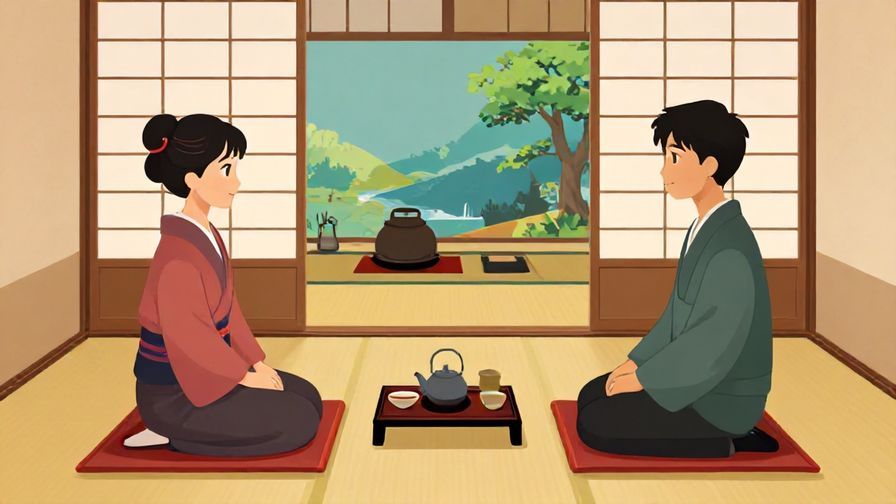
Sometimes, using a great Japanese language learning book can give you a perfect starting point for a cohesive understanding.
With these expressions, you’ll soon be able to spot and express that feeling with ease.
It’s all about adding nuance to your conversations and respecting personal boundaries.
Part 1: Casual Suggestions
1. 近すぎる (Chikasugiru) – “Too close”

This is the simplest way to say “too close.”
“近い” (chikai) means “close,” and “すぎる” (sugiru) means “too much” or “excessive.” Put together, “近すぎる” means “too close.”
It’s straightforward and easy to remember—just add “すぎる” to describe something that’s “too” much.
Great for casual conversations when someone invades your space.
You might hear it when someone’s standing too near in a line or crowd.
Try saying it next time you feel someone’s a bit too close for comfort!
2. 息がかかる (Iki ga kakaru) – “Breathing on me”

This phrase literally means “breath reaches (me).”
It’s a vivid way to say someone’s standing so close you can feel their breath. “息” (iki) is “breath,” and “かかる” (kakaru) means “to reach.”
Perfect for highlighting that uncomfortable closeness where personal space is invaded.
Use it when you want to emphasize how close someone is physically.
It’s a bit more descriptive and slightly casual.
Great for sharing a funny or awkward moment with friends!
3. べったりくっつく (Bettari kuttsuku) – “Stick too close”
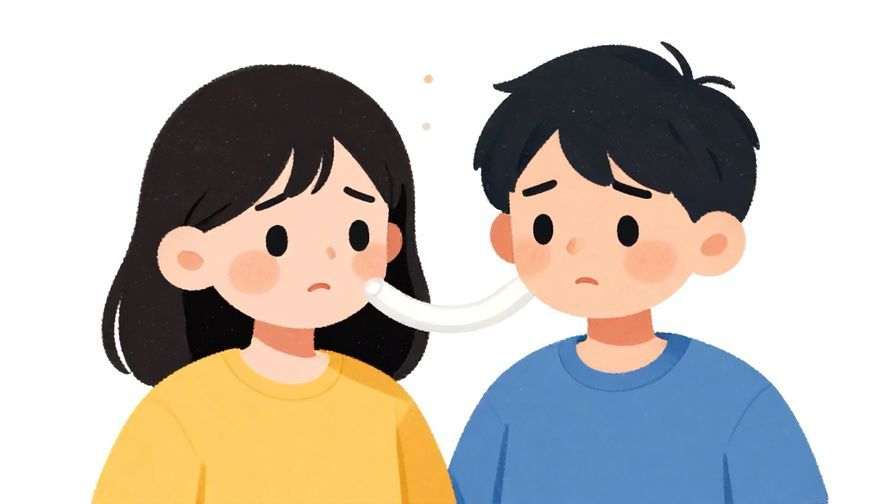
“べったり” means “stuck tightly,” and “くっつく” means “to stick.”
Together, it paints a playful image of someone too close, almost glued to you.
Use it in casual chats when someone is overly clingy or physically too close.
This phrase is fun and easy to remember because of the sticky imagery.
Be careful not to confuse it with affectionate closeness—it’s usually a bit annoying or uncomfortable.
Perfect for friends who just don’t get personal boundaries!
4. 隣にいすぎ (Tonari ni isugi) – “Too next to me”

“隣” (tonari) means “next to,” and “いすぎ” (isugi) is “too much.”
This is a casual way to say someone is sitting or standing too close beside you.
It’s useful in situations like crowded trains or buses.
Easy to use and understand, just point out how close your neighbor is.
Try this phrase when you want to hint without being rude.
It’s a gentle way to express discomfort about personal space.
5. 近すぎてイヤ (Chikasugite iya) – “Too close and unpleasant”
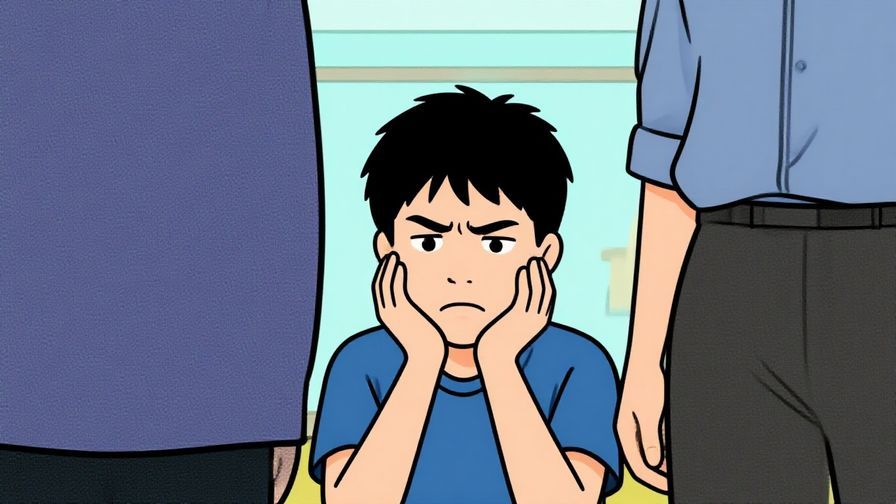
“ちかすぎて” means “too close,” and “イヤ” means “unpleasant” or “dislike.”
This phrase expresses not only closeness but also your feeling of discomfort.
It’s very natural and casual, great for daily conversations.
Use it when you want to clearly say you don’t like how close someone is.
The “イヤ” part adds emotional weight to the statement.
It’s a handy phrase when you want to be honest but not harsh.
6. 距離感が近い (Kyori-kan ga chikai) – “Close sense of distance”
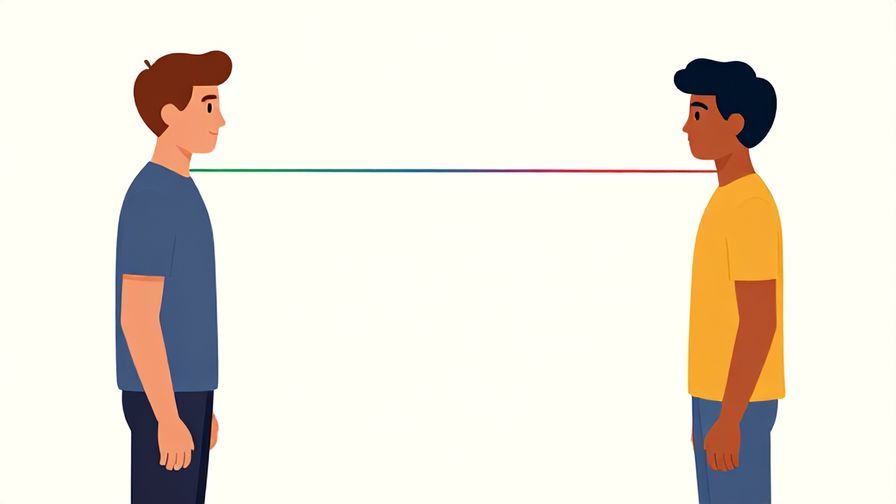
“距離感” (kyori-kan) means “sense of distance,” and “近い” means “close.”
This phrase refers to someone’s personal space sense being too close for comfort.
It’s a bit more descriptive and can be used casually or semi-formally.
Great for explaining why you feel uncomfortable around someone.
It’s often used to discuss social boundaries rather than just physical distance.
Try this phrase in conversations about space and comfort.
7. ベタベタする (Betabeta suru) – “Clingy or sticky”
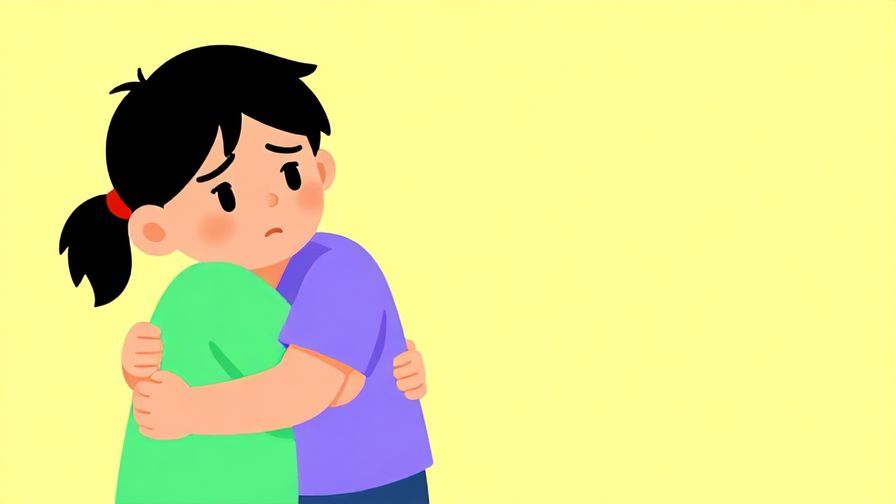
“ベタベタ” is an onomatopoeia for sticky or clingy behavior.
It’s used to describe someone who physically or emotionally sticks too close.
Perfect for casual talks about people invading your space or being too attached.
It’s playful but also gets the point across clearly.
Don’t confuse it with affection—it’s more about unwanted closeness.
A fun phrase to remember and use with friends.
8. ぎゅうぎゅう詰め (Gyuugyuu dzume) – “Packed tight”
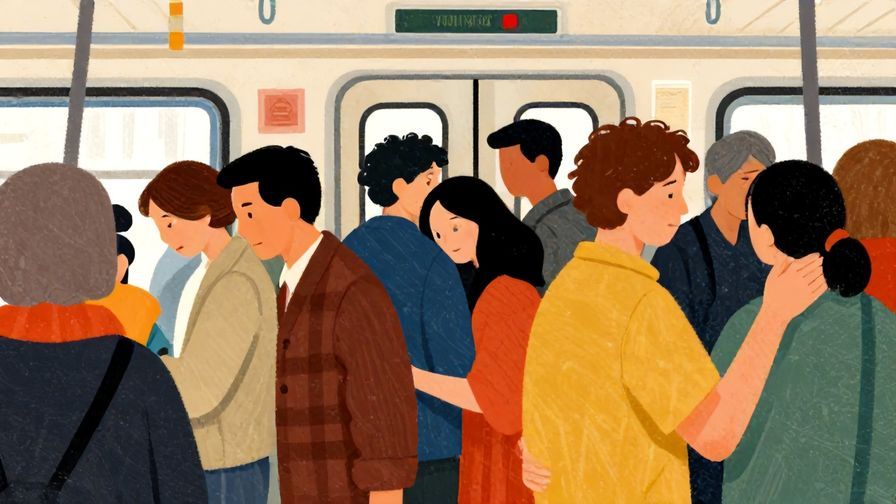
“ぎゅうぎゅう” is an onomatopoeia for being squished or packed tightly.
“詰め” (dzume) means “packed” or “stuffed.”
This phrase perfectly captures a “too close for comfort” situation, like during rush hour.
It’s commonly used to describe crowded places.
You can use it to complain or just describe the situation.
It’s vivid and easy to imagine, making it memorable.
Part 2: Polite & Formal Suggestions
9. 距離を保つ (Kyori o tamotsu) – “Keep distance”

This phrase means “to keep distance.”
“距離” (kyori) is “distance,” and “保つ” (tamotsu) means “to maintain.”
It’s polite and often used in formal or work settings to request personal space.
Use it when you want to express boundaries respectfully.
It’s a great phrase for conversations about social distancing or personal comfort.
Perfect for office or formal social situations.
10. 近づきすぎないでください (Chikazuki suginai de kudasai) – “Please don’t come too close”

This is a polite request to keep distance.
“近づきすぎないで” means “don’t come too close,” and “ください” adds politeness.
Use this in situations where you need to politely ask for space.
It’s clear and respectful, good for strangers or formal events.
Perfect phrase for social distancing or crowded places.
Remember to use a soft tone to keep it friendly!
11. ご遠慮ください (Go-enryo kudasai) – “Please refrain from (doing something)”

“遠慮” (enryo) means “restraint” or “refrain,” and “ご” makes it polite.
“ご遠慮ください” is a common polite phrase to ask people not to do something, like getting too close.
Often seen in signs or heard in announcements.
Use it in formal situations when you need to maintain boundaries.
It’s very respectful and soft-sounding.
A great phrase for public or business environments.
12. 距離感を大切にしましょう (Kyori-kan o taisetsu ni shimashou) – “Let’s value personal space”

This phrase encourages respecting personal distance.
“距離感” is “sense of distance,” “大切にしましょう” means “let’s value.”
It’s polite and inclusive, great for group settings or advice.
Use it to promote comfort and respect among friends or colleagues.
It sounds warm and positive, not demanding.
Perfect for social campaigns or gentle reminders.
13. 近づきすぎるのは失礼です (Chikazuki sugiru no wa shitsurei desu) – “Coming too close is rude”
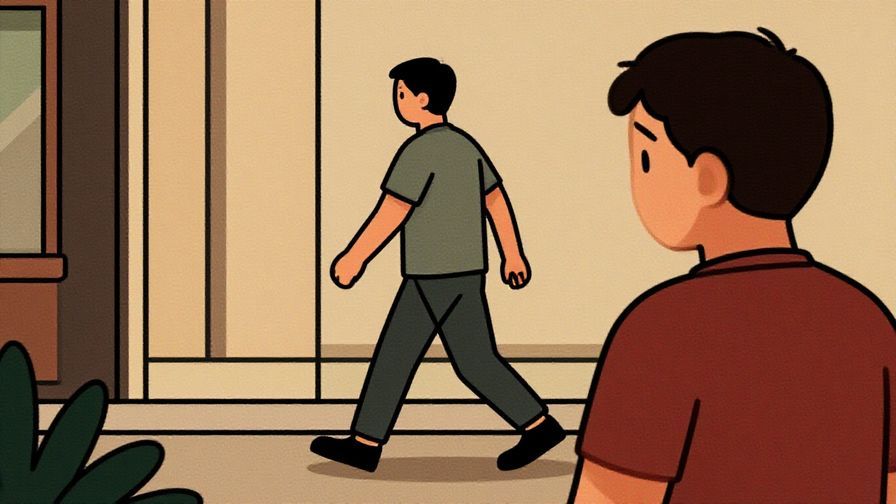
This formal phrase states that invading personal space is impolite.
“失礼です” means “it’s rude,” making this a clear but polite statement.
Good for explaining social etiquette or correcting behavior gently.
Use it when you want to teach or remind someone about boundaries.
It’s firm but still respectful.
Helpful in professional or educational contexts.
14. もう少し距離をとってください (Mou sukoshi kyori o totte kudasai) – “Please keep a little more distance”

This is a polite way to ask for more space.
“もう少し” means “a little more,” and “距離をとってください” means “please keep distance.”
It’s soft and non-confrontational.
Use it to politely request more room in everyday situations.
Good for customers, colleagues, or acquaintances.
It’s a phrase that’s easy to memorize and very practical.
15. 近すぎるのはちょっと… (Chikasugiru no wa chotto…) – “Too close is a bit…”

This phrase uses “ちょっと” to soften the complaint.
It’s an indirect, polite way to say “too close” without sounding harsh.
Great for avoiding awkwardness or conflict.
Use it when you want to hint gently that someone’s invading your space.
It’s a very natural way to express discomfort.
Perfect for casual or slightly formal settings.
16. そっとしておいてください (Sotto shite oite kudasai) – “Please leave me alone (gently)”
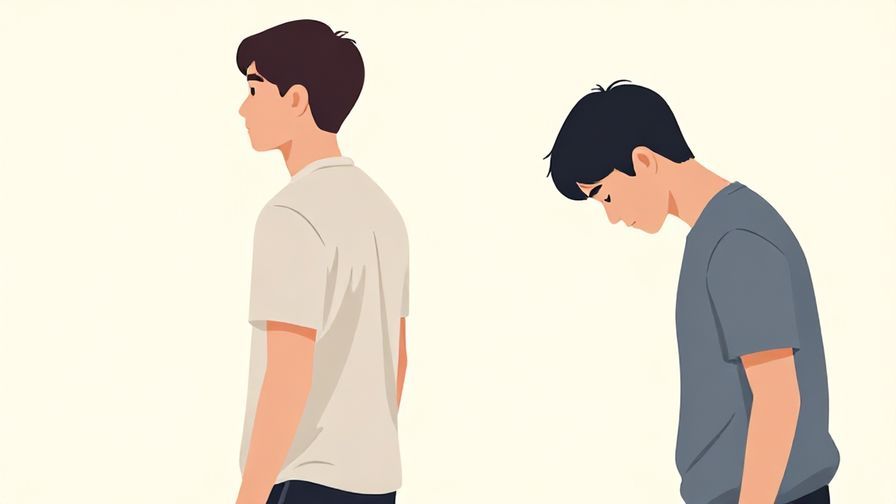
This phrase means “please leave me alone gently.”
It’s polite and asks for space without being rude.
Use it if you want someone to back off quietly.
Great for sensitive situations or when you want peace.
It’s a respectful phrase showing you need personal space.
Easy to say and useful in many contexts.
Part 3: Very Casual / Native-like Expressions
17. くっつきすぎ!(Kuttsuki sugi!) – “Too clingy!”
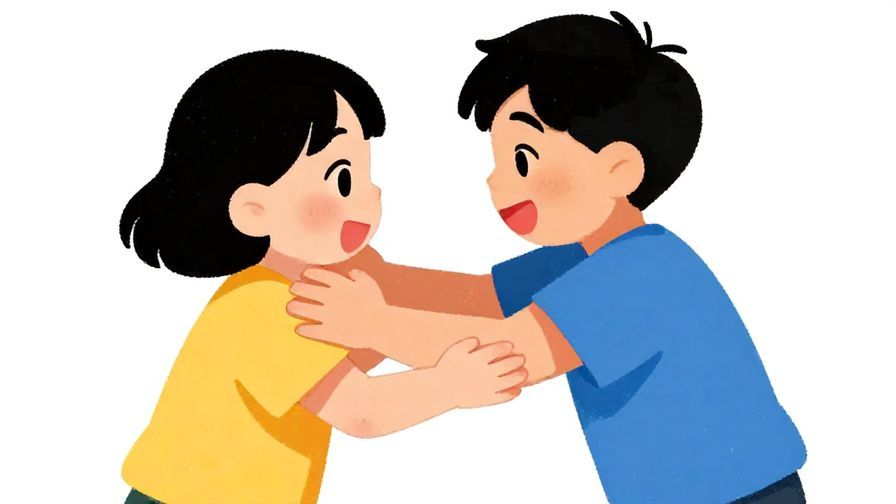
This is a very casual and playful way to say someone’s sticking too close.
“くっつき” means “clinging,” and “すぎ” means “too much.”
It’s often used between close friends or siblings.
Use it for humor or light teasing about personal space.
Easy to say and fun to use in relaxed settings.
Just make sure the other person knows you’re joking!
18. ズカズカ入ってくる (Zukazuka haitte kuru) – “Bursting in without care”

“ズカズカ” is an onomatopoeia for barging in without hesitation.
“入ってくる” means “to come in.”
This phrase describes someone invading your space without considering your feelings.
It’s casual but carries a bit of criticism.
Use it when someone crosses boundaries too boldly.
Great for venting to friends about pushy people.
19. 近すぎて息苦しい (Chikasugite ikigurushii) – “Too close, it’s suffocating”
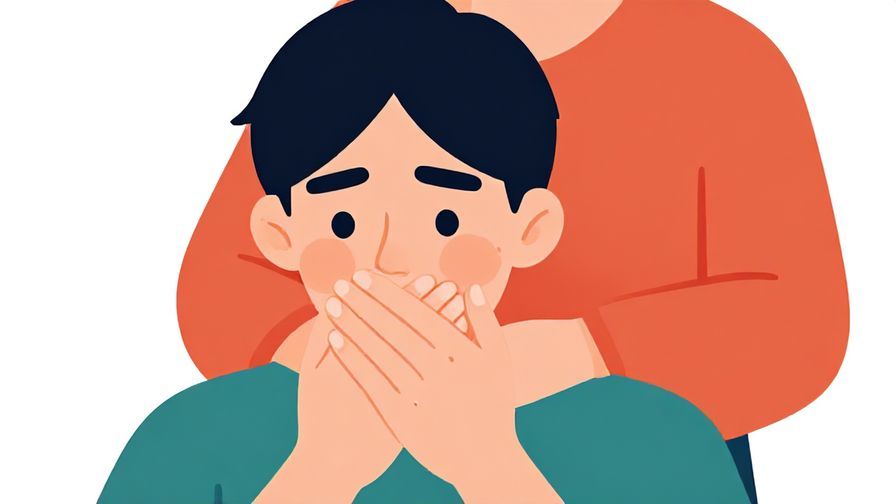
This phrase adds an emotional layer—“息苦しい” means “suffocating.”
It clearly expresses discomfort from being too close.
Use it when physical closeness causes actual distress.
It’s a strong but natural expression.
Perfect for serious situations where space is very limited.
Helps communicate your need for breathing room.
20. べたべたしないでよ (Betabeta shinaide yo) – “Don’t be so clingy!”
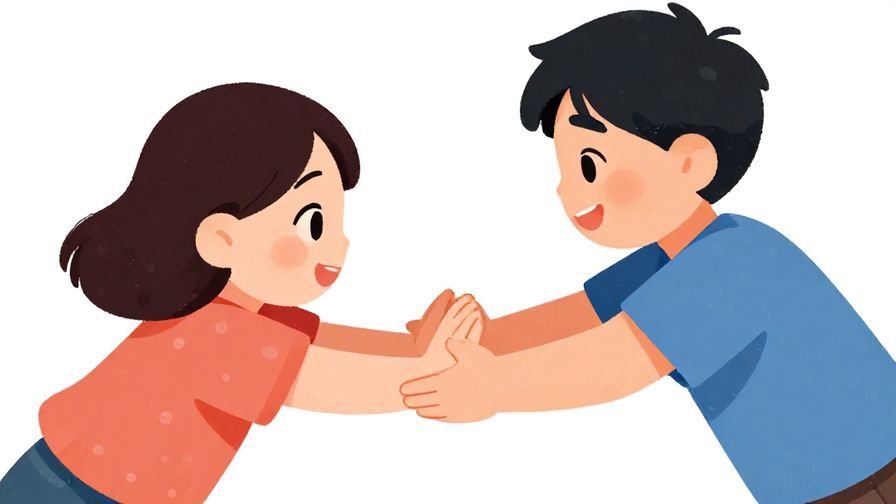
This phrase tells someone not to be overly clingy.
“しないでよ” is a casual “don’t do that,” and “べたべた” means “clingy” or “sticky.”
Use it with friends or close people to tease or set boundaries.
It’s casual and often playful.
Good for lighthearted but clear communication.
Remember to keep your tone friendly!
21. ちょっと距離取ろうよ (Chotto kyori torou yo) – “Let’s take a little distance”

This is a very natural way to suggest keeping space.
“ちょっと” means “a little,” “距離取ろう” means “let’s take distance.”
It’s casual and friendly, great for peers.
Use it when you want to set boundaries without awkwardness.
It’s inclusive, like a gentle request.
Perfect for everyday social situations.
22. 近すぎてゾワゾワする (Chikasugite zowazowa suru) – “Too close, it’s creepy”

“ゾワゾワする” is an onomatopoeia for a creepy or shivery feeling.
This phrase expresses that someone being too close is giving you the creeps.
It’s casual but a strong expression of discomfort.
Use it when you really want to convey unease.
Great for sharing your feelings honestly with friends.
It’s vivid and memorable!
Concluding Thought
Exploring these 22 Japanese ways to say “too close for comfort” shows just how rich and expressive the language is when it comes to personal space.
Whether you want to be polite, casual, or playful, there’s a phrase perfect for every situation.
Remember, mastering these expressions not only helps you communicate better but also deepens your cultural understanding—and that’s always a win!