22 Japanese ways to say “Time heals all wounds”
We all know that hurt feelings and tough times don’t disappear overnight, but there’s a comforting truth many cultures share: time can heal all wounds.
In Japanese, this idea is expressed in various beautiful and nuanced ways, each carrying its own flavor and warmth.
Whether you’re learning the language or just curious about different expressions, these 22 Japanese phrases will give you fresh ways to say “time heals all wounds” — perfect for comfort, reflection, or even inspiring hope.
Each phrase carries a gentle reminder that with patience, things get better, and life flows onward.
Ready to add some heartfelt Japanese wisdom to your language toolkit? Let’s dive in!
Don’t forget, learning these expressions can also deepen your appreciation for Japanese culture’s poetic side.
Understanding the Heart of the Expression
Before we jump into the list, it’s helpful to know that many Japanese expressions about healing and time involve nature, patience, and gradual change.
This reflects a cultural respect for the natural flow of life and the belief that healing is a process, not a quick fix.
Getting familiar with this will make the phrases easier to remember and use meaningfully.

Sometimes, a great Japanese phrasebook can help you see these concepts in context, making the learning process smoother.
Now, let’s explore expressions from casual to formal and some that sound like they come straight from everyday conversations.
Each one offers a unique way to share empathy or encouragement.
Part 1: Casual Suggestions
1. 時は傷を癒す (Toki wa kizu o iyasu) – “Time heals wounds.”

This is the most straightforward and literal way to say “time heals wounds.”
“時 (Toki)” means “time,” “傷 (Kizu)” means “wound,” and “癒す (Iyasu)” means “to heal.” It’s simple yet powerful.
Perfect for conversations where you want to gently remind someone that healing takes time.
Because it’s direct, it works well in both casual chats and more serious talks.
It’s often used in stories or advice from friends.
Remember, this phrase connects time and healing clearly, making it easy to recall.
2. 時間がすべての傷を癒す (Jikan ga subete no kizu o iyasu) – “Time heals all wounds.”

This phrase expands on the first by adding “すべての (subete no)” meaning “all.”
“時間 (Jikan)” means “time,” emphasizing the universal power of time to heal.
It sounds a bit more poetic and formal but is still easy to understand.
Try not to confuse “時間” with “時,” as “時間” refers more to the duration or passage of time.
In a conversation, you might say this to offer heartfelt comfort.
It’s a gentle reminder that no matter what, time helps ease pain.
3. 傷は時間とともに癒える (Kizu wa jikan to tomo ni ieru) – “Wounds heal along with time.”

This phrase adds a natural rhythm with “とともに (to tomo ni),” meaning “together with.”
It highlights healing as a process happening hand-in-hand with time.
“癒える (Ieru)” is another verb for “to heal,” often used for emotional or physical wounds.
It’s a poetic and warm way to express hope and patience.
Try to use it when you want to sound thoughtful and encouraging.
It’s a lovely phrase to remember when comforting someone going through tough times.
4. 時が経てば心も癒える (Toki ga tateba kokoro mo ieru) – “When time passes, the heart also heals.”

This phrase highlights emotional healing specifically, with “心 (Kokoro)” meaning “heart” or “mind.”
“時が経てば (Toki ga tateba)” means “when time passes,” which sets a hopeful tone.
It’s great for expressing sympathy or personal reflection.
Note the use of “も (mo),” meaning “also,” which adds warmth.
Use this phrase when talking about emotional recovery rather than physical wounds.
It’s a gentle and heartfelt way to show empathy.
5. 傷は時と共に癒される (Kizu wa toki to tomo ni iyasareru) – “Wounds are healed together with time.”
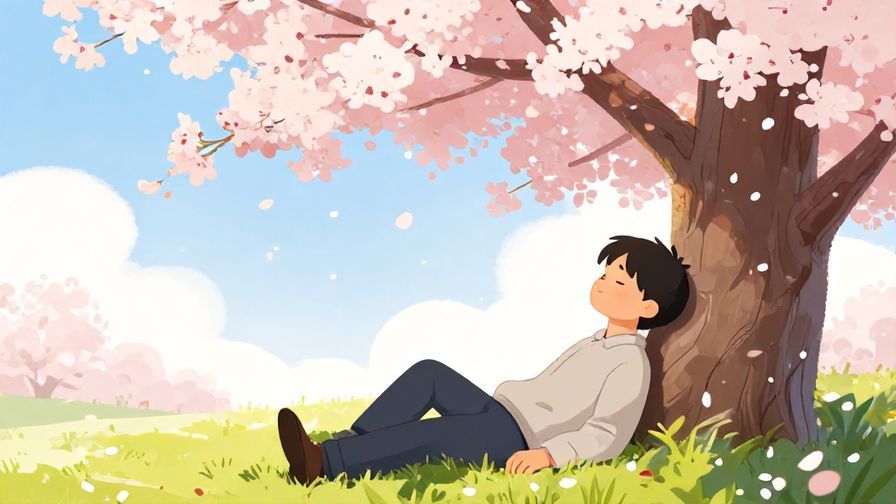
This is a passive form, emphasizing that wounds get healed naturally over time.
“癒される (Iyasareru)” is the passive form of “to heal,” which sounds gentle and a bit poetic.
It’s perfect when you want to express that healing is happening on its own, without pressure.
Using the cherry blossom imagery helps you remember the phrase—it’s all about natural cycles.
Try this when you want to comfort someone quietly.
It’s a beautiful, soft way to say that healing is a natural process.
6. 時間が経つと心の痛みは和らぐ (Jikan ga tatsu to kokoro no itami wa yawaragu) – “As time passes, the pain in the heart softens.”

This phrase is a bit more descriptive, focusing on the softening of emotional pain.
“和らぐ (Yawaragu)” means “to soften” or “ease,” bringing a soothing nuance.
“心の痛み (Kokoro no itami)” literally means “pain of the heart.”
It’s a great phrase to use when reassuring someone about emotional recovery.
Keep in mind this one is less literal but very expressive.
Perfect for deep conversations or writing.
7. 時が癒してくれる (Toki ga iyashite kureru) – “Time will heal (for you).”
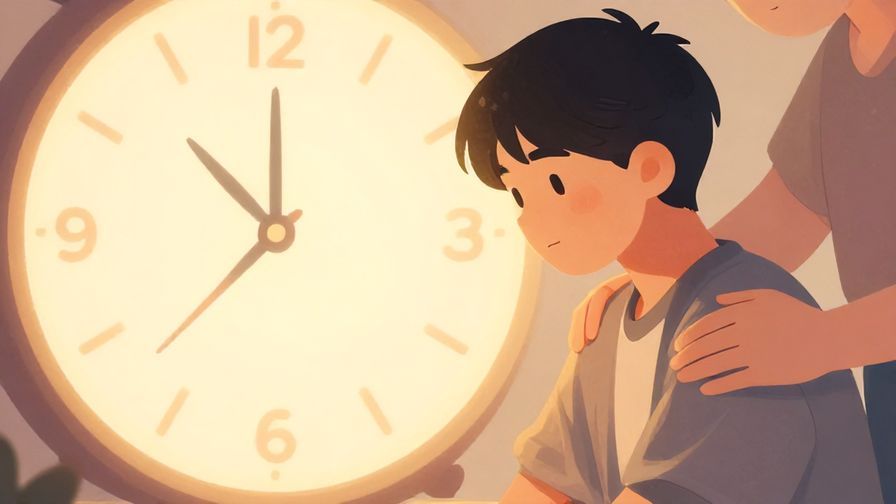
This phrasing uses “くれる (kureru),” which adds a personal touch, implying time does the healing as a kindness.
It’s casual and warm, often used in spoken language.
Great for comforting someone in a friendly way.
It feels active, like time is a caring friend.
Use it to express empathy naturally.
A nice phrase to keep handy for emotional support.
8. 時間が心の傷を癒す (Jikan ga kokoro no kizu o iyasu) – “Time heals the wounds of the heart.”

This phrase combines emotional and physical imagery with “心の傷 (kokoro no kizu)” meaning “wounds of the heart.”
It’s poetic and heartfelt, perfect for meaningful conversations.
It’s also easy to remember by focusing on “time,” “heart,” and “wounds.”
Try it when speaking about emotional healing in a gentle way.
It’s a phrase that feels both hopeful and sincere.
Great for writing or comforting friends.
Part 2: Polite & Formal Suggestions
9. 時間が経てばすべて癒されます (Jikan ga tateba subete iyasaremasu) – “If time passes, everything will be healed.”
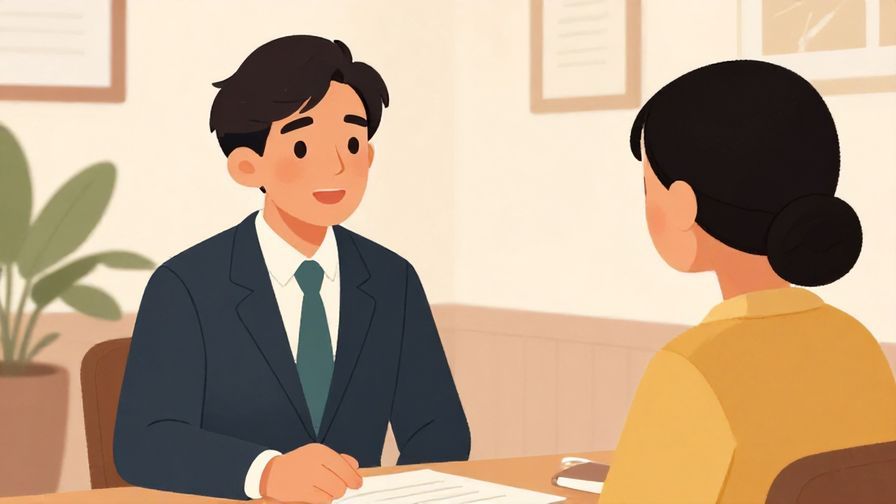
This is a polite, formal way to say the phrase, suitable for respectful conversations.
“癒されます (iyasaremasu)” is the polite passive form of “heal.”
It’s great for work settings, comforting elders, or formal letters.
It carries warmth without being overly casual.
Use it when you want to sound compassionate and respectful.
This phrase is perfect for formal advice or written encouragement.
10. 時の流れがすべての傷を癒します (Toki no nagare ga subete no kizu o iyashimasu) – “The flow of time heals all wounds.”

This phrase poetically uses “時の流れ (toki no nagare),” meaning “the flow of time.”
It’s formal and a bit literary, great for speeches or thoughtful writing.
“癒します (iyashimasu)” is the polite form of “to heal.”
It’s a beautiful way to express the natural and inevitable healing power of time.
Use this phrase when you want to sound wise and reflective.
It’s a great choice for heartfelt messages or letters.
11. 時間が癒しをもたらします (Jikan ga iyashi o motarashimasu) – “Time brings healing.”

This phrase uses “癒し (iyashi)” as a noun meaning “healing” or “comfort.”
“もたらします (motarashimasu)” means “to bring” in polite form.
It’s a formal and uplifting way to say time causes healing.
It’s perfect for optimistic or hopeful messages.
Try it when encouraging someone politely.
This phrase fits well in speeches or professional writing.
12. 時間の経過が傷を癒します (Jikan no keika ga kizu o iyashimasu) – “The passage of time heals wounds.”
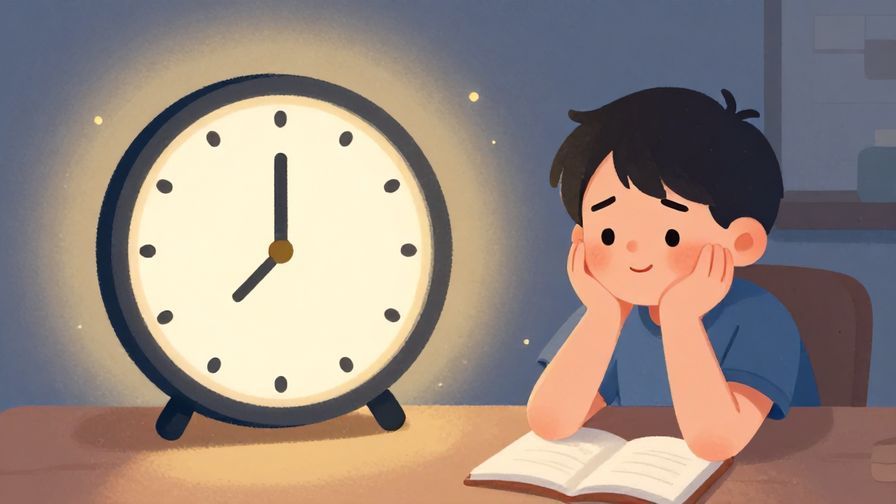
This is a formal phrase emphasizing “経過 (keika),” the passage or elapse of time.
It’s clear, respectful, and good for written communication or formal talks.
“癒します” again is the polite “heal.”
Use this when you want to sound thoughtful and precise.
It’s a solid choice for essays or presentations.
Helps you express the concept with a calm authority.
13. 時間の力で傷は癒されます (Jikan no chikara de kizu wa iyasaremasu) – “Wounds are healed by the power of time.”
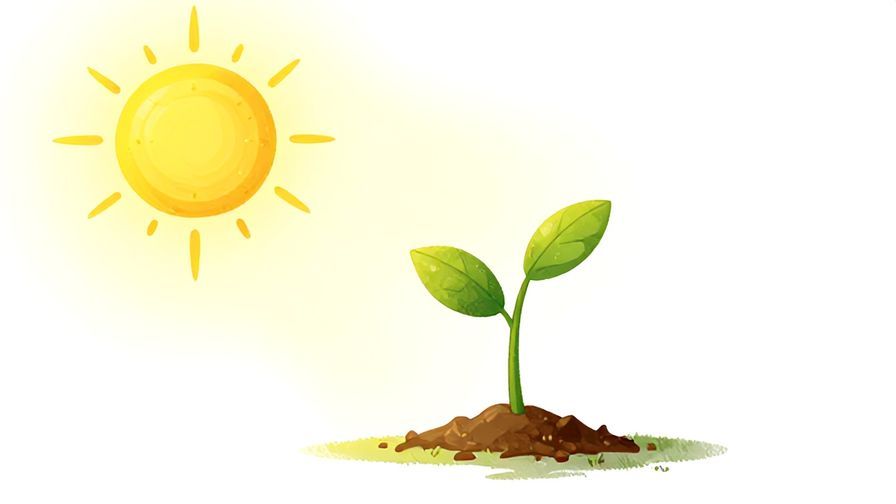
This phrase highlights the “力 (chikara),” or “power,” of time.
It’s polite and slightly poetic, great for formal encouragement.
“癒されます” is the polite passive healing verb.
Use it when you want to emphasize time’s strength and kindness.
It’s a phrase that feels hopeful and respectful.
Good for comforting people in formal or serious situations.
14. 時間が過ぎれば痛みも消えます (Jikan ga sugireba itami mo kiemasu) – “If time passes, the pain also disappears.”
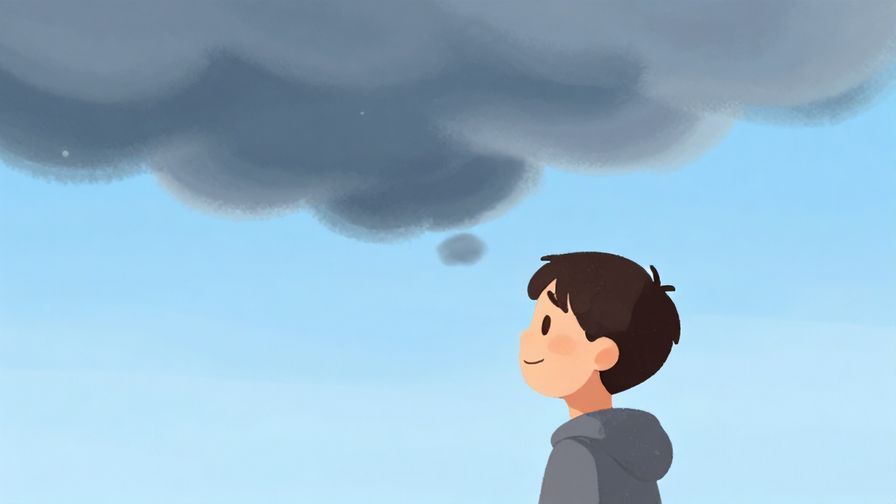
This phrase focuses on pain fading with time.
“過ぎれば (sugireba)” means “if [time] passes,” and “消えます (kiemasu)” means “disappears” politely.
It’s formal but easy to understand and comforting.
Use it to reassure someone politely about their emotional pain.
It’s a hopeful phrase, great for letters or conversations.
Keep it in mind when you want to express gentle encouragement.
15. 時間がすべての傷を和らげます (Jikan ga subete no kizu o yawaragemasu) – “Time softens all wounds.”

This phrase uses “和らげます (yawaragemasu),” meaning “to soften” in a polite form.
It’s a beautiful way to express that time doesn’t just heal but gently eases pain.
Great for formal support or comforting words.
It adds a softer nuance than “heal” alone.
Use it when you want to express warmth and empathy.
Perfect for heartfelt letters or delicate conversations.
16. 時間とともに心は癒されていきます (Jikan to tomo ni kokoro wa iyasarete ikimasu) – “With time, the heart gradually heals.”

This phrase emphasizes gradual healing over time with “癒されていきます (iyasarete ikimasu),” which implies ongoing healing.
It’s polite and conveys hope and patience.
“心 (kokoro)” keeps the focus on emotional healing.
Perfect for formal or serious conversations.
Use it to express thoughtful encouragement.
It’s a gentle and hopeful phrase to remember.
Part 3: Very Casual / Native-like Expressions
17. 時が経てば何とかなるよ (Toki ga tateba nantoka naru yo) – “If time passes, things will somehow work out.”

This is a very casual, native-like way to express that time takes care of problems.
“何とかなる (nantoka naru)” means “things will work out somehow,” a common phrase in everyday speech.
It’s informal and friendly, good for chatting with close friends.
It carries a hopeful and relaxed vibe.
Use it to lighten the mood and offer encouragement.
Great phrase to sound natural and comforting.
18. 時間が解決してくれるさ (Jikan ga kaiketsu shite kureru sa) – “Time will solve it for you.”

This casual phrase uses “解決 (kaiketsu),” meaning “solution” or “resolution.”
“してくれる (shite kureru)” adds a helpful, personal touch.
It’s great for reassuring friends informally.
“さ (sa)” at the end adds casual emphasis.
Perfect for casual support and everyday conversations.
It sounds natural and kind.
19. 時が経てば傷も癒えるよ (Toki ga tateba kizu mo ieru yo) – “If time passes, wounds heal too.”

This phrase is casual and comforting, perfect for everyday encouragement.
“よ (yo)” adds a friendly, reassuring tone.
It’s a great phrase to use with friends or family.
Simple and effective for expressing hope.
Try it when you want to sound warm and genuine.
It’s easy to remember and use naturally.
20. 時が薬だよ (Toki ga kusuri da yo) – “Time is the medicine.”

This is a cute, idiomatic expression comparing time to medicine.
“薬 (kusuri)” means “medicine.”
It’s casual and often used in friendly talk.
It’s a memorable metaphor that’s easy to use in conversation.
Great for a lighthearted but sincere message of hope.
Use it to make healing seem natural and soothing.
21. 時間がたてば忘れられるさ (Jikan ga tateba wasurerareru sa) – “If time passes, you can forget (it).”
Here, the focus is on forgetting painful memories as time goes by.
“忘れられる (wasurerareru)” is the potential/passive form of “to forget.”
“さ (sa)” makes it casual and conversational.
Good for informal chats about moving on.
Use it when you want to acknowledge pain but also hope.
It’s a realistic but comforting phrase.
22. 時間に任せよう (Jikan ni makaseyou) – “Let’s leave it to time.”

This phrase encourages trusting time to do its work, using “任せよう (makaseyou),” a casual volitional form meaning “let’s entrust.”
It’s friendly, hopeful, and carries a sense of peaceful acceptance.
Great for encouraging patience and calmness.
Use this phrase in casual or semi-formal contexts.
It’s a gentle way to say, “let’s wait and see.”
Perfect for moments when you want to convey trust in the healing process.
Concluding Thought
Exploring these Japanese phrases shows how beautifully language can capture the delicate journey of healing.
From poetic and formal expressions to casual sayings full of warmth, each phrase carries hope and patience.
So whenever you or someone you care about needs a gentle reminder, try one of these heartfelt Japanese ways to say that time truly does heal all wounds.