22 Japanese ways to say “Those who don’t learn from history are doomed to repeat it”
History is a great teacher, but only if we choose to listen. The famous saying, “Those who don’t learn from history are doomed to repeat it,” reminds us to pay attention to the past.
In Japanese, there are many beautiful and thoughtful ways to express this idea, each carrying a warm sense of wisdom. Whether you’re learning the language or simply love culture, these phrases will resonate deeply.
From formal expressions to casual sayings, you’ll find a variety of ways to say this phrase that suit different moods and contexts.
Understanding these phrases not only enriches your language skills but also connects you to a timeless human truth through the lens of Japanese culture.
Learning them can be a fun way to keep history alive in your conversations and daily reflections.
So, let’s dive into 22 Japanese ways to say “Those who don’t learn from history are doomed to repeat it,” with friendly explanations and pronunciation guides to help you remember them easily.
Why Learning These Japanese Phrases Matters
Language is more than words; it’s culture and wisdom packed into expressions.
These Japanese phrases carry centuries of insight in just a few characters, making them powerful tools for reflection and conversation.
They show how the Japanese language respects history and learning as essential parts of life.
Having a good Japanese proverbs book can deepen your understanding and appreciation of these phrases.
Each expression can inspire you to look back and move forward wisely.
Plus, they’re great conversation starters with friends or language partners.
Part 1: Casual Suggestions
1. 歴史から学ばない者は繰り返す (Rekishi kara manabanai mono wa kurikaesu) – “Those who don’t learn from history repeat it.”
This is a straightforward way to say the phrase in Japanese.
“歴史” (Rekishi, reh-kee-shee) means “history,” “から” (kara, kah-rah) means “from,” “学ばない者” (manabanai mono, mah-nah-bah-nai moh-noh) means “those who don’t learn,” and “繰り返す” (kurikaesu, koo-ree-kah-eh-soo) means “repeat.”
It’s clear and easy to remember because it follows a logical sentence structure.
Using this phrase helps you sound thoughtful and serious when discussing lessons from the past.
A related phrase is “歴史は繰り返す” (Rekishi wa kurikaesu) – “History repeats itself.”
Try it out in conversations about history, culture, or even personal growth!
2. 歴史を学ばない人は同じ過ちを犯す (Rekishi o manabanai hito wa onaji ayamachi o okasu) – “People who don’t learn history make the same mistakes.”
This phrase emphasizes “mistakes” more clearly.
“歴史” (Rekishi) means “history,” “を” (o) is the object particle, “学ばない人” (manabanai hito) means “people who don’t learn,” “同じ” (onaji, oh-nah-jee) means “same,” “過ち” (ayamachi, ah-yah-mah-chee) means “mistakes,” and “犯す” (okasu, oh-kah-soo) means “to commit.”
It’s a bit longer but very natural and emphasizes the consequences of ignoring history.
Practice by connecting it to real-life examples or historic events.
Don’t confuse “過ち” (ayamachi) with “間違い” (machigai), which is more general for “error.”
It’s a great phrase for serious discussions about learning from the past.
3. 歴史を知らない者は未来を失う (Rekishi o shiranai mono wa mirai o ushinau) – “Those who don’t know history lose the future.”

This phrase adds a poetic touch by linking history with the future.
“知らない” (shiranai, shee-rah-nai) means “don’t know,” “未来” (mirai, mee-rye) means “future,” and “失う” (ushinau, oo-shee-now) means “lose.”
It reminds us that ignoring history can cost us what lies ahead.
This expression is more metaphorical and inspiring.
Use it when encouraging others to learn or when reflecting on the importance of history.
It’s a beautiful phrase to keep in mind during study or personal reflection.
4. 過去を学ばないと同じことを繰り返す (Kako o manabanai to onaji koto o kurikaesu) – “If you don’t learn from the past, you repeat the same thing.”

This expression focuses on the “past” (過去, Kako) instead of “history.”
“と” (to) means “if” or “when,” and “同じこと” (onaji koto) means “the same thing.”
It’s a practical phrase that sounds natural in everyday conversation.
It’s useful for talking about personal or historical lessons.
Be careful not to drop particles here; they help keep the meaning clear.
Try using it when discussing mistakes or learning moments with friends.
5. 歴史を学ばなければ同じ過ちを繰り返す (Rekishi o manabanakereba onaji ayamachi o kurikaesu) – “If you don’t learn history, you repeat the same mistakes.”
This is a conditional sentence using “なければ” (nakereba) for “if not.”
It’s helpful for forming logical statements and warnings.
Perfect for writing or formal speech, yet still easy to understand.
Focus on the verb form “学ばなければ” (manabanakereba) which means “if you don’t learn.”
This phrase is a great tool for emphasizing cause and effect.
Try practicing with similar “なければ” sentences to get comfortable with the structure.
6. 歴史に学ばない者は同じ失敗を繰り返す (Rekishi ni manabanai mono wa onaji shippai o kurikaesu) – “Those who don’t learn from history repeat the same mistakes.”
Using “に” (ni) after “歴史” (Rekishi) means “from” or “in.”
This phrase is very close to the original English meaning and sounds natural.
“失敗” (shippai) means “failure” or “mistake,” a common word in conversational Japanese.
It’s an ideal phrase when discussing learning processes or history lessons.
Watch the particle usage here; “に” shows the source of learning.
This phrase fits well in written essays or thoughtful talks.
7. 歴史を振り返らなければ同じ過ちを繰り返す (Rekishi o furikaeranakereba onaji ayamachi o kurikaesu) – “If you don’t look back on history, you repeat the same mistakes.”
Here “振り返る” (furikaeru, foo-ree-kah-eh-roo) means “to look back.”
This phrase suggests the importance of reflection, not just knowledge.
It’s a great phrase to encourage mindfulness about history.
Using “なければ” (nakereba) again creates a conditional statement.
Practice this phrase when discussing learning from past experiences.
It adds a thoughtful nuance to the idea of learning from history.
8. 歴史の教訓を学ばなければ同じ過ちを繰り返す (Rekishi no kyōkun o manabanakereba onaji ayamachi o kurikaesu) – “If you don’t learn the lessons of history, you repeat the same mistakes.”
“教訓” (kyōkun, kyoh-koon) means “lesson” or “moral.”
This phrase highlights the idea of learning from history’s teachings.
It’s perfect for formal discussions or educational contexts.
The structure is conditional, emphasizing consequences if lessons aren’t learned.
Use it when talking about the importance of historical education.
It’s a slightly advanced phrase but very meaningful.
Part 2: Polite & Formal Suggestions
9. 歴史を学ばない者は同じ過ちを繰り返すことになります (Rekishi o manabanai mono wa onaji ayamachi o kurikaesu koto ni narimasu) – “Those who don’t learn history will end up repeating the same mistakes.”

This version adds politeness with “ことになります” (koto ni narimasu) meaning “will end up.”
It’s suitable for speeches, presentations, or formal writing.
The phrase is respectful and clear.
Great for serious contexts or business discussions about learning from the past.
Practice the polite ending to improve formal communication.
It balances directness with courteous tone.
10. 歴史から学ばなければ、同じ過ちを繰り返すことになるでしょう (Rekishi kara manabanakereba, onaji ayamachi o kurikaesu koto ni naru deshō) – “If you don’t learn from history, you will likely repeat the same mistakes.”

This phrase adds “でしょう” (deshō) for a polite “probably” or “likely.”
It softens the statement, making it less absolute and more conversational.
Good for polite advice or gentle warnings.
Practice the conditional and polite forms together for fluency.
It’s a great phrase for essays or polite conversations.
Use it to show respect while still making a strong point.
11. 歴史を学ばなければ、同じ過ちを繰り返す危険があります (Rekishi o manabanakereba, onaji ayamachi o kurikaesu kiken ga arimasu) – “If you don’t learn history, there is a danger of repeating the same mistakes.”
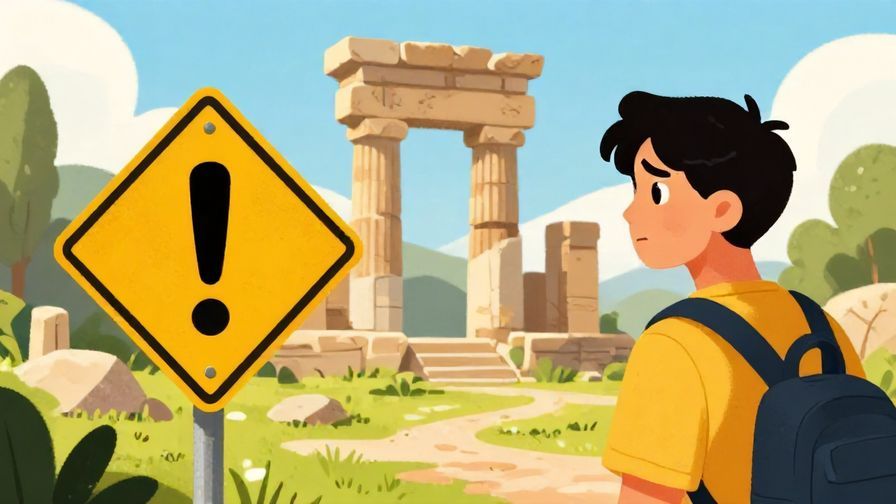
“危険があります” (kiken ga arimasu) means “there is a danger.”
This phrase is formal and adds a cautionary tone.
It’s useful in academic or professional settings.
Perfect for reports or discussions about risk management in history.
Practice the phrase to sound knowledgeable and serious.
It highlights the importance of learning to avoid danger.
12. 歴史から教訓を得なければ、同じ過ちを繰り返すことになります (Rekishi kara kyōkun o enakereba, onaji ayamachi o kurikaesu koto ni narimasu) – “If you don’t gain lessons from history, you will repeat the same mistakes.”
Here “教訓を得る” (kyōkun o eru) means “to gain lessons.”
This phrase is polite and educational, ideal for formal writing.
It emphasizes the active process of learning from history.
Use this phrase when discussing study and research.
Practice the verbs “得る” (eru) and “繰り返す” (kurikaesu) for fluency.
Great for academic presentations or essays.
13. 歴史を学ばなければ、同じ間違いを繰り返すことになります (Rekishi o manabanakereba, onaji machigai o kurikaesu koto ni narimasu) – “If you don’t learn history, you will repeat the same mistakes.”

“間違い” (machigai) is a common word for “mistake,” slightly softer than “過ち.”
This phrase is polite and fits well in professional contexts.
It’s useful for business or formal discussions about learning from errors.
Try swapping “過ち” and “間違い” to see subtle tone changes.
Practice this phrase for polite advice or warnings.
It’s a versatile expression in formal Japanese.
14. 歴史を振り返らずに、同じ失敗を繰り返すことになります (Rekishi o furikaerazu ni, onaji shippai o kurikaesu koto ni narimasu) – “Not looking back at history leads to repeating the same failures.”
“振り返らずに” (furikaerazu ni) means “without looking back.”
This phrase is polite and reflective.
It’s great for speeches or written works encouraging reflection.
Use it to emphasize the importance of reviewing history.
Practice the negative verb form “振り返らず” (furikaerazu) for nuance.
Perfect for thoughtful, formal conversations.
15. 歴史を省みなければ、同じ過ちを繰り返すことになるでしょう (Rekishi o kaerimina kereba, onaji ayamachi o kurikaesu koto ni naru deshō) – “If you don’t reflect on history, you will probably repeat the same mistakes.”

“省みる” (kaerimiru) means “to reflect” or “to look back.”
This phrase is a poetic and formal way to express the idea.
“でしょう” adds polite certainty.
Useful in literature or speeches about history and learning.
Practice this phrase to sound thoughtful and respectful.
It’s an elegant option when discussing the importance of reflection.
16. 歴史の教えを無視すれば、同じ過ちを繰り返すことになります (Rekishi no oshie o mushisureba, onaji ayamachi o kurikaesu koto ni narimasu) – “If you ignore the teachings of history, you will repeat the same mistakes.”
“教え” (oshie) means “teaching,” and “無視する” (mushi suru) means “to ignore.”
This phrase is formal and strong, highlighting willful ignorance.
It’s suitable for warnings or serious advice.
Practice this phrase to express consequences of ignoring history.
It’s a powerful phrase for formal writing or speeches.
Use it when emphasizing responsibility in learning.
Part 3: Very Casual / Native-like Expressions
17. 歴史を無視すると、また同じことになるよ (Rekishi o mushi suru to, mata onaji koto ni naru yo) – “If you ignore history, it’ll be the same thing again.”

This is a very casual and conversational way to say it.
“無視する” (mushi suru) means “to ignore,” and “また” (mata) means “again.”
Ending with “よ” (yo) adds friendliness and emphasis.
Great for chats with friends or informal advice.
Try using it in casual situations to sound natural.
It’s an easy phrase to remember and use daily.
18. 歴史から学ばないと、同じミスしちゃうよ (Rekishi kara manabanai to, onaji misu shichau yo) – “If you don’t learn from history, you’ll make the same mistakes.”

“ミス” (misu) is a casual loanword for “mistake.”
“しちゃう” (shichau) is a casual form meaning “end up doing.”
This phrase feels very natural and youthful.
Perfect for informal conversations or text messages.
Practice casual verb forms to sound more native.
It’s a friendly and relatable way to remind someone.
19. 歴史を見ないと、また同じことやるよ (Rekishi o minai to, mata onaji koto yaru yo) – “If you don’t look at history, you’ll do the same thing again.”

“見る” (miru) means “to look,” and “やる” (yaru) is a casual verb for “to do.”
This phrase is simple, casual, and easy to use.
Great for everyday conversations with friends or family.
Try it when discussing lessons with younger people or peers.
It’s informal but clear and effective.
Perfect for casual reminders or jokes.
20. 歴史を学ばないと、同じ過ち繰り返すよ (Rekishi o manabanai to, onaji ayamachi kurikaesu yo) – “If you don’t learn history, you’ll repeat the same mistakes.”

This is a shortened, casual form without particles for a more conversational tone.
Ending with “よ” (yo) adds emphasis and friendliness.
It’s common in spoken Japanese for quick, clear statements.
Practice dropping particles carefully to sound natural.
Use this phrase when you want to be direct but friendly.
It’s great for quick advice or warnings.
21. 歴史を無視すると、同じ失敗繰り返すってば (Rekishi o mushi suru to, onaji shippai kurikaesu tte ba) – “Ignore history and you’ll repeat the same mistakes, seriously!”

“ってば” (tte ba) adds a casual, emphatic, and slightly playful tone.
It’s used to get someone’s attention or stress a point in a friendly way.
This phrase is very colloquial and native-like.
Use it only with close friends or informal groups.
It’s great for humorous or light-hearted warnings.
Practice the tone and rhythm to sound natural.
22. 歴史知らないと、また同じことやっちゃうよ (Rekishi shiranai to, mata onaji koto yacchau yo) – “If you don’t know history, you’ll end up doing the same thing again.”

“知らない” (shiranai) means “don’t know,” and “やっちゃう” (yacchau) is a casual form of “end up doing.”
This is one of the most natural, friendly ways to say it.
It’s perfect for informal conversations and storytelling.
Try it when chatting about lessons learned in life or history.
It’s easy to remember and sounds very native.
Great for casual language practice and fun talks.
Concluding Thought
Exploring these 22 Japanese phrases has been a journey through language and wisdom. Each expression connects us to a universal truth about learning from our past.
Whether you choose formal, casual, or poetic forms, these sayings remind us to respect history as our greatest teacher.
Keep these phrases in your heart and practice them often—they’re wonderful companions on your path to understanding and growth.