22 Japanese ways to say “This hurts me more than it hurts you”
Sometimes, when we have to say something difficult, the words just don’t come out right. Especially in Japanese, where expressing subtle feelings can be an art form.
One tough but heartfelt phrase is “This hurts me more than it hurts you.” It’s perfect for showing empathy and vulnerability at the same time.
In this list, we’ll explore 22 different Japanese ways to say this phrase, each with its own nuance and context.
Whether you’re comforting a friend, apologizing gently, or just trying to explain your mixed feelings, these expressions will help you sound more natural and kind.
Learning these will deepen your understanding of Japanese emotional expression and help you connect more sincerely with others.
Ready to dive into some warm, relatable Japanese phrases? Let’s go!
Why So Many Ways?
Japanese language often has multiple phrases for the same feeling, each with unique shades of meaning.
That’s because Japanese culture values subtlety and context, especially when it comes to emotions.
Knowing several ways to express the same thought gives you flexibility and empathy in conversation.
Sometimes, picking up a good Japanese phrasebook can really boost your confidence in real conversations.
With practice, these phrases will start to feel natural and heartfelt in your own way.
Let’s start with some casual, everyday expressions.
Part 1: Casual Suggestions
1. 辛いのは僕の方だよ (Tsurai no wa boku no hō da yo) – “The one who’s hurting is me.”

This phrase directly shows that you’re the one feeling the pain more deeply.
“辛い (tsurai)” means “painful” or “hard,” “僕 (boku)” is a casual masculine “I,” and “の方だよ (no hō da yo)” means “it’s my side” or “it’s me.”
It’s straightforward and expresses empathy clearly.
Use this when you want to quietly emphasize your own struggle.
Related phrases include “私の方が辛い (watashi no hō ga tsurai),” which is more neutral or feminine.
It’s a gentle way to show you care deeply without blaming anyone.
2. あなたより私の方が傷ついている (Anata yori watashi no hō ga kizutsuite iru) – “I’m more hurt than you.”

This is a bit more explicit and formal compared to the first one.
“あなた (anata)” means “you,” “より (yori)” means “than,” “私 (watashi)” is a polite “I,” and “傷ついている (kizutsuite iru)” means “being hurt.”
It’s useful when you want to be clear but still gentle.
Keep in mind, it can sound a little more serious or heavy.
Perfect for conversations where you want to express honest feelings thoughtfully.
Practice saying it slowly to get the nuance right.
3. 傷つけるのはあなたじゃなくて僕なんだ (Kizutsukeru no wa anata janakute boku nan da) – “It’s me who’s hurt, not you.”

This phrase clarifies who’s really feeling the pain.
“傷つける (kizutsukeru)” means “to hurt,” “のは (no wa)” highlights the subject, “あなたじゃなくて (anata janakute)” means “not you,” and “僕なんだ (boku nan da)” means “it’s me.”
It’s a natural way to shift focus to your own feelings kindly.
Great for reassuring others you’re not blaming them.
You can soften this by adding “ごめんね (gomen ne)” meaning “sorry.”
This makes the phrase feel warmer and more caring.
4. 私の方が痛いよ (Watashi no hō ga itai yo) – “It hurts me more.”

Simple and sweet, this phrase gets straight to the point.
“痛い (itai)” means “it hurts,” and the rest is “me more than you.”
It’s casual and easy to remember.
Use it in everyday conversations with close friends or loved ones.
It’s less formal but carries genuine emotion.
Adding “ね (ne)” at the end invites agreement or sympathy.
5. 君より僕の方が辛いんだ (Kimi yori boku no hō ga tsurai n da) – “I’m hurting more than you.”

“君 (kimi)” is a casual “you,” often used between close friends or younger people.
“辛い (tsurai)” again means “painful.”
The phrase emphasizes personal pain versus the other person’s.
It’s informal but honest.
Great for expressing feelings without sounding confrontational.
Try saying it softly to keep the mood gentle.
6. これは君より僕を傷つける (Kore wa kimi yori boku o kizutsukeru) – “This hurts me more than it hurts you.”

This is a more literal translation and can feel poetic in Japanese.
“これ (kore)” means “this,” “は (wa)” marks the topic, “君より (kimi yori)” means “than you,” and “僕を傷つける (boku o kizutsukeru)” means “hurts me.”
It’s good for moments when you want to sound sincere and clear.
Use it carefully, as it can sound a bit formal in casual settings.
Pair it with a soft tone to maintain warmth.
This phrase works well in writing or heartfelt conversations.
7. 自分の方が傷ついていると思うよ (Jibun no hō ga kizutsuite iru to omou yo) – “I think I’m hurt more.”

This phrase adds a gentle uncertainty with “思う (omou),” which means “I think.”
“自分 (jibun)” means “myself,” so it’s a softer way to express your feelings without sounding too direct.
It’s perfect when you want to sound humble or avoid conflict.
“よ (yo)” at the end adds a friendly emphasis.
Try this when you’re not 100% sure but want to share your emotions.
It encourages understanding without pressure.
8. 僕の心の方が痛い (Boku no kokoro no hō ga itai) – “My heart hurts more.”

Here, “心 (kokoro)” means “heart” or “feelings,” adding a poetic touch.
This phrase focuses on emotional pain rather than physical.
It’s intimate and can be used with close friends or lovers.
Using “僕 (boku)” keeps it casual and personal.
It’s a beautiful way to express deep empathy.
Try pairing it with a comforting gesture for more impact.
Part 2: Polite & Formal Suggestions
9. 私の方が傷ついております (Watashi no hō ga kizutsuite orimasu) – “I am the one who is hurt.”
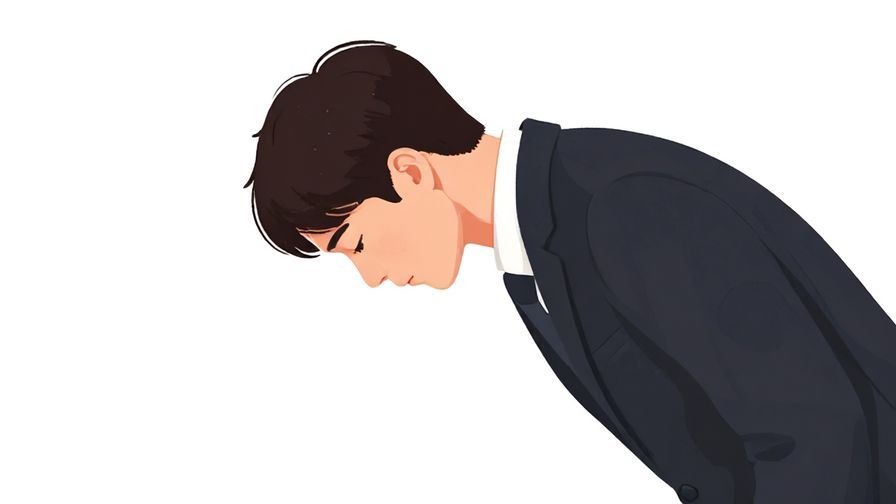
This is a very polite and humble way to say it.
“おります (orimasu)” is the humble form of “いる (to be).”
Use this in formal or professional settings.
It shows respect while still expressing personal feeling.
Perfect for difficult conversations where politeness matters.
Practice it slowly to sound natural and sincere.
10. あなたより私が傷ついています (Anata yori watashi ga kizutsuite imasu) – “I am more hurt than you.”

“います (imasu)” is the polite present continuous form.
This phrase is clear and polite, suitable for respectful conversations.
It’s great when you want to express feelings without being too casual.
Be mindful of tone to avoid sounding accusatory.
You can soften it by adding “申し訳ありませんが (moushiwake arimasen ga)” meaning “I’m sorry, but.”
This adds humility and warmth to the statement.
11. 傷つけるのは私の方でございます (Kizutsukeru no wa watashi no hō de gozaimasu) – “It is I who am hurt.”
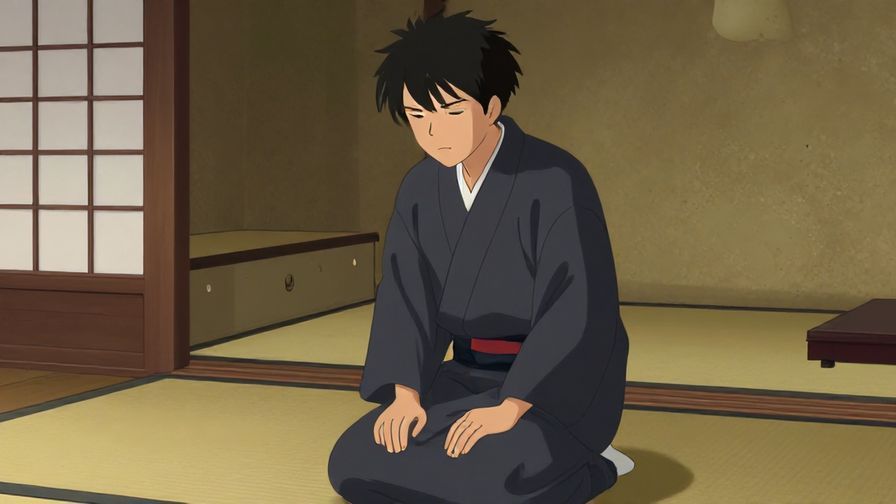
“ございます (gozaimasu)” is a formal and humble verb ending.
This phrase is very respectful and can be used in serious or formal apologies.
It emphasizes that you are the one suffering, not the other person.
Great for business or social situations requiring formality.
Make sure to keep your tone gentle to avoid sounding too stiff.
It’s a powerful phrase when you want to show deep remorse.
12. 私の心の痛みの方が大きいです (Watashi no kokoro no itami no hō ga ōkii desu) – “My heartache is greater.”

This is a poetic and polite way to express emotional pain.
“痛み (itami)” means “pain,” “大きい (ōkii)” means “big” or “greater.”
It’s suitable for formal or literary contexts.
Use this when you want to sound sincere and heartfelt.
You can add “申し訳ございません (moushiwake gozaimasen)” for an apology.
This phrase beautifully conveys inner feelings with grace.
13. ご心配をおかけして申し訳ありません、私の方が傷ついております (Goshinpai o okake shite moushiwake arimasen, watashi no hō ga kizutsuite orimasu) – “I’m sorry for causing you worry, I am the one hurt.”
This combines apology and emotional expression politely.
“ご心配 (goshinpai)” means “worry,” and “申し訳ありません” is a deep apology.
It’s a complete phrase for formal apologies mixed with empathy.
Perfect for delicate relationships or official situations.
Practice the rhythm to keep it natural and not too long.
This will help you navigate serious conversations with grace.
14. 私の方が痛みを感じています (Watashi no hō ga itami o kanjite imasu) – “I am the one feeling pain.”

“感じています (kanjite imasu)” means “feeling.”
This phrase gently shares your emotional state in a polite way.
It’s useful in both formal and semi-formal conversations.
Good for expressing feelings without blame.
Adding “すみません (sumimasen)” before softens it further.
It’s a kind way to open dialogue about difficult emotions.
15. 私の方が心を痛めています (Watashi no hō ga kokoro o itamete imasu) – “I am the one whose heart is hurting.”

“心を痛める (kokoro o itameru)” is an expression meaning “to hurt emotionally.”
This phrase is polite and slightly poetic.
It’s effective in showing vulnerability while maintaining respect.
Use it when you want to sound sincere and thoughtful.
It’s especially good in written messages or heartfelt talks.
Practice the phrase to make it sound natural and tender.
16. あなたのために私が我慢しています (Anata no tame ni watashi ga gaman shiteimasu) – “I’m enduring this for your sake.”
This phrase expresses that you’re hurting but holding it in for the other person.
“我慢する (gaman suru)” means “to endure” or “to bear.”
It’s polite and shows selflessness.
Great for expressing tough feelings with care.
Be cautious not to overuse—it can sound heavy.
Use it to show your commitment despite pain.
Part 3: Very Casual / Native-like Expressions
17. 俺の方がツラいんだよね (Ore no hō ga tsurai n da yo ne) – “I’m the one who’s hurting, you know?”
“俺 (ore)” is casual and masculine.
This phrase is very informal, great among close male friends.
“ツラい (tsurai)” is slangy for “painful.”
Adding “よね (yo ne)” makes it sound conversational and relatable.
Use this to sound natural and expressive in casual chats.
It’s less polite but very heartfelt.
18. 俺の方が傷ついてるってば (Ore no hō ga kizutsuiteru tte ba) – “I’m telling you, I’m hurt more.”

“ってば (tte ba)” adds emphasis and a bit of impatience, common in casual speech.
It’s great to show frustration mixed with affection.
Use it with close friends or siblings.
It keeps the mood light but honest.
Practice the rhythm for natural delivery.
This is a phrase that feels very “native.”
19. 俺の方が痛いんだってばよ (Ore no hō ga itain da ttebayo) – “I’m the one who hurts, seriously.”

“ってばよ (ttebayo)” is a playful, emphatic ending made famous by anime but used casually.
This phrase is informal and a bit dramatic.
Use it to add humor or exaggeration when talking to friends.
It’s great for lightening a serious topic.
Not suitable for formal contexts.
Use it when you want to sound both hurt and funny.
20. 俺の方がキツいんだよ (Ore no hō ga kitsui n da yo) – “I’m having it tougher than you.”

“キツい (kitsui)” means “tough” or “hard.”
This phrase is casual and emphasizes the difficulty you’re experiencing.
Good for sharing feelings with close friends.
It’s direct but not rude.
Adding “よ (yo)” softens the tone.
Use it when you want to express honest pain casually.
21. 俺の方がズタボロだよ (Ore no hō ga zutaboro da yo) – “I’m the one who’s totally broken.”

“ズタボロ (zutaboro)” is slang for “worn out” or “shattered.”
This is a very casual, vivid way to express deep hurt.
Use it with people who understand your humor and heart.
It adds color to your feelings.
Perfect for informal storytelling or venting.
Use it to show vulnerability with a touch of humor.
22. 俺の方が泣きたいんだよ (Ore no hō ga nakitai n da yo) – “I’m the one who wants to cry.”
This phrase shows emotional vulnerability in a casual way.
“泣きたい (nakitai)” means “want to cry.”
It’s honest and raw, great for close relationships.
Use it to share your feelings openly without formality.
It invites empathy and connection.
Practice to speak it softly for genuine effect.
Concluding Thought
Exploring these 22 Japanese ways to say “This hurts me more than it hurts you” reveals just how rich and nuanced the language is.
Each phrase carries its own flavor, from casual and playful to deeply polite and poetic, helping you express care and vulnerability with warmth.
Remember, the best words are the ones that come from your heart, and now you have a beautiful variety to choose from. Keep practicing and connecting through language!