22 Japanese ways to say “Think fast”
Ever been caught off guard and needed to “think fast”? Whether it’s in a game, a conversation, or just life throwing surprises your way, having quick phrases to express that urgency is super handy.
Japanese has a rich variety of ways to say “Think fast!”—from casual to formal, and even playful expressions that natives use daily.
In this listicle, we’ll explore 22 Japanese phrases that capture that quick-thinking spirit. Each comes with pronunciation guides and simple explanations so you can use them with confidence.
Ready to boost your Japanese skills and sound more natural? Let’s dive in and learn how to tell someone to “think fast” in a way that suits any situation.
Knowing these phrases not only helps in conversations but also sharpens your understanding of Japanese culture and nuances.
So, buckle up! You’re about to add some quick-wit Japanese to your language toolkit.
Understanding the Basics
Before jumping into specific phrases, it’s good to know that “think fast” can be expressed in many ways depending on the context—whether you’re encouraging quick decision-making, warning someone, or just being playful.
Many phrases revolve around words like 考える (kangaeru – “to think”), 早く (hayaku – “quickly”), or 頭 (atama – “head/brain”). Combining these with command forms or casual slang changes the tone dramatically.
Getting these foundational ideas will help you remember and use the phrases more naturally.

Sometimes, using a great beginner phrasebook can give you a perfect starting point for a cohesive understanding.
Once you get these basics, the rest flows more easily.
Let’s start with casual phrases you can use with friends or in laid-back situations.
Part 1: Casual Suggestions
1. 早く考えて! (Hayaku kangaete!) – “Think fast!”
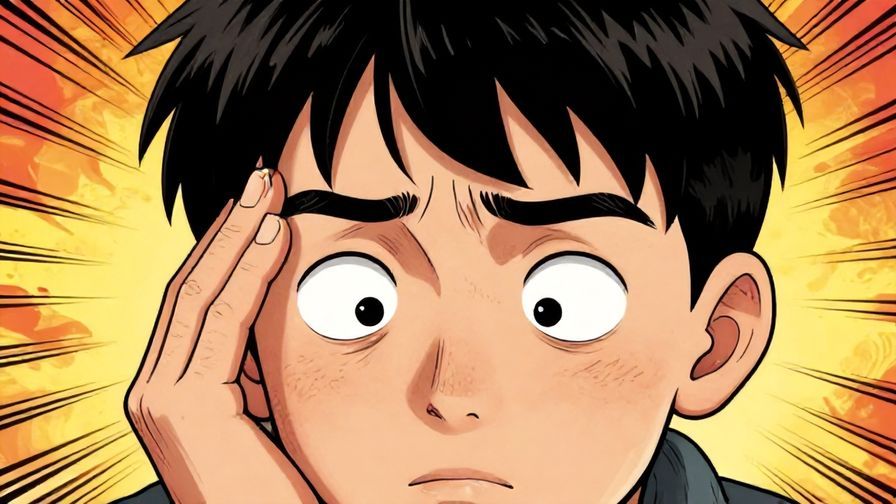
This is the most straightforward way to say “Think fast!” in Japanese. 早く (hayaku) means “quickly,” and 考えて (kangaete) is the te-form of “think,” used as a command.
Simply put, it’s telling someone to think quickly. It’s casual and works well with friends or family.
Easy to remember because you just add 早く in front of “think.”
It’s direct and to the point—no fluff.
A related phrase is 急いで考えて! (Isoide kangaete!) which means “Hurry and think!”
Use this when you want someone to snap to attention fast.
2. 頭を働かせて! (Atama o hatarakasete!) – “Use your brain!”

This phrase literally means “Make your head work!” It’s a fun way to tell someone to think fast.
頭 (atama) means “head,” 働かせて (hatarakasete) is the causative form of “work,” so it’s like saying “Get your brain working!”
Great for casual, friendly nudges.
It’s a bit more playful than just telling someone to think fast directly.
Be careful using this with strangers—it’s best among friends.
It’s perfect when someone seems slow and you want to boost their focus.
3. さあ、早く! (Saa, hayaku!) – “Come on, quickly!”

This phrase combines さあ (saa), a word to encourage someone, with 早く (hayaku), which means “quickly.”
It’s often used to urge someone to hurry up or think fast indirectly.
Short, sweet, and versatile.
It’s like saying “Come on, hurry!” and can fit many scenarios.
Adding this to your vocabulary helps you sound natural in everyday conversations.
Try it next time you want to encourage quick action without being too forceful.
4. すぐに考えて! (Sugu ni kangaete!) – “Think immediately!”

すぐに (sugu ni) means “immediately,” and 考えて (kangaete) is “think.” Together, it urges someone to think right now.
It’s a bit more urgent than 早く考えて but still casual.
Good for situations where hesitation isn’t an option.
Clear and effective phrase for quick thinking.
Related phrase: 今すぐ考えて! (Ima sugu kangaete!) meaning “Think right now!”
Use it when time is really pressing.
5. 頭切り替えて! (Atama kirikaete!) – “Switch your mind!”
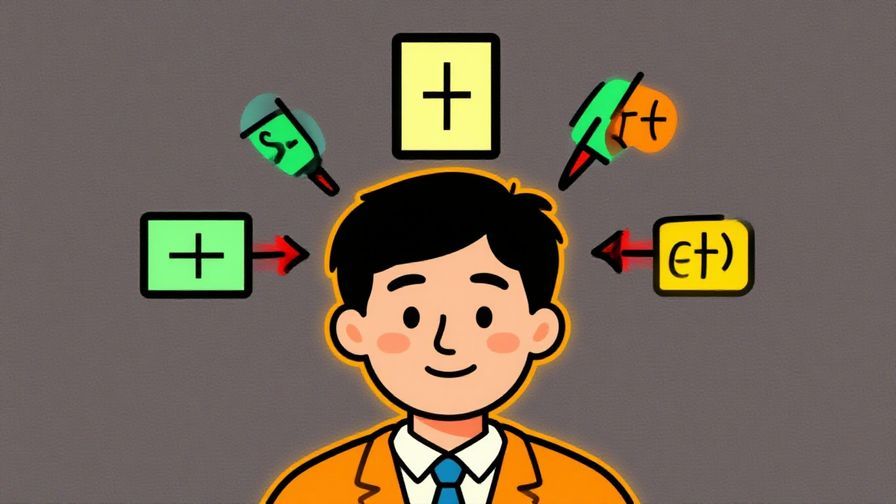
This phrase literally means “Switch your head,” encouraging someone to change their mindset fast.
切り替えて (kirikaete) means “switch” or “change over,” so it’s telling someone to snap out of slow thinking.
Great for casual and friendly contexts.
Helps remind someone to reset and think fresh.
Use it when someone is stuck or distracted and you want them focused quickly.
It’s a fun and vivid expression that sticks in your memory.
6. ぱっと考えて! (Patto kangaete!) – “Think on the spot!”

ぱっと (patto) is a sound effect meaning “quickly” or “suddenly.” Combined with 考えて (kangaete), it means “Think immediately.”
This phrase feels spontaneous and lively.
It’s casual and often used in conversations where quick reaction is needed.
Perfect for moments requiring snap decisions.
It can be a fun way to tell friends to think fast without sounding too serious.
Try saying this when you want to inject some energy into the moment.
7. すばやく考えて! (Subayaku kangaete!) – “Think swiftly!”

すばやく (subayaku) means “swiftly” or “promptly.” When combined with 考えて, it’s a polite but still casual way to say “Think fast.”
This phrase is slightly more refined than 早く考えて but still easy to use in daily life.
It’s great when you want to sound a bit more polished but not too formal.
Helps you stand out with a more precise word for “quick.”
Use it during games or quick decision-making moments.
It’s a nice addition to your vocabulary for variety.
8. 反射的に考えて! (Hanshateki ni kangaete!) – “Think reflexively!”

反射的に (hanshateki ni) means “reflexively” or “instinctively.” This phrase encourages someone to think on instinct.
It’s a bit more technical but great if you want to sound a bit smarter.
Useful in sports or quick-response situations.
It tells someone to trust their instincts and react fast.
Try this phrase when you’re discussing fast decision-making in a more serious tone.
It broadens your language use beyond just simple commands.
Part 2: Polite & Formal Suggestions
9. 早急にご考慮ください (Sōkyū ni gokōryo kudasai) – “Please consider promptly.”

This is a formal, polite way to ask someone to think quickly or consider something urgently.
早急に (sōkyū ni) means “immediately” or “without delay,” and ご考慮ください (gokōryo kudasai) means “please consider.”
It’s perfect for emails, business meetings, or formal requests.
Shows respect while still emphasizing urgency.
Great for professional settings where direct commands feel rude.
Use this to stay polite but clear in your expectations.
10. 速やかにご判断ください (Sumiyaka ni gohandan kudasai) – “Please decide promptly.”

速やかに (sumiyaka ni) means “swiftly,” and ご判断ください (gohandan kudasai) means “please make a decision.”
This phrase politely asks someone to think and decide fast.
It’s often used in formal communications or requests.
Shows professionalism while conveying urgency.
Excellent for business emails or situations where decisions are time-sensitive.
It’s a respectful way to tell someone to think fast and act.
11. お急ぎでご検討ください (Oisogi de go kentō kudasai) – “Please consider quickly.”

お急ぎで (oisogi de) means “in a hurry,” and ご検討ください (go kentō kudasai) means “please consider.”
This phrase politely urges quick thought or review.
Common in formal letters or polite requests.
Balances urgency and respect nicely.
Useful when you want to be firm but courteous.
Try this in formal situations requiring fast consideration.
12. 迅速にご対応ください (Jinsoku ni go taiō kudasai) – “Please respond quickly.”

迅速に (jinsoku ni) means “promptly,” and ご対応ください (go taiō kudasai) means “please respond.”
This phrase asks for a quick reply or action after thinking.
Mostly used in formal emails or official communication.
Shows professionalism and urgency without being rude.
Great for business or government correspondence.
It helps maintain polite urgency in serious contexts.
13. お考えを早めにお聞かせください (O kangae o hayame ni okikasete kudasai) – “Please share your thoughts soon.”

This phrase politely asks someone to think quickly and share their opinion soon.
お考え (o kangae) means “your thoughts,” 早めに (hayame ni) means “soon/early,” and お聞かせください (okikasete kudasai) means “please let me know.”
It’s gentle but implies some urgency.
Great for polite requests in meetings or emails.
Helps you ask for quick thoughts without pressure.
Use it when you want to sound considerate yet prompt.
14. 至急ご検討願います (Shikyū go kentō negai masu) – “Urgent consideration requested.”

至急 (shikyū) means “urgent,” ご検討願います (go kentō negai masu) is a very polite way of saying “please consider.”
This phrase is brief and formal, often used in letters or memos.
It’s a strong but polite way to demand quick thought.
Best used in official documents or serious business contexts.
It shows high respect but also serious urgency.
Use it when formal tone and urgency must both be clear.
15. 何卒早急にご対応のほどお願い申し上げます (Nani tozo sōkyū ni go taiō no hodo onegai mōshiagemasu) – “We humbly request your prompt response.”

This is a very formal, humble phrase used in business or official letters to request quick action.
何卒 (nani tozo) means “please,” 早急に (sōkyū ni) means “promptly,” and the rest is a respectful way to ask for response.
It’s long but perfect for high-stakes communication.
Shows utmost respect and urgency.
Use it in emails or letters where politeness is paramount.
Great phrase for mastering formal Japanese nuances.
16. ご理解のほど速やかに賜りますようお願い申し上げます (Go rikai no hodo sumiyaka ni tamawarimasu yō onegai mōshiagemasu) – “We kindly request your swift understanding.”

This very polite phrase asks for quick understanding, often in formal announcements.
ご理解のほど (go rikai no hodo) means “your understanding,” 速やかに (sumiyaka ni) means “swiftly,” and the rest is a humble request.
Used when you want someone to quickly grasp a situation.
Perfect for formal contexts like official statements or emails.
It’s respectful and clear about the need for speed.
Ideal for advanced learners aiming for business Japanese fluency.
Part 3: Very Casual / Native-like Expressions
17. はよ考えや! (Hayo kangae ya!) – “Think fast!” (Kansai dialect)

This phrase is Kansai-ben (Kansai dialect) and means “Think fast!” in a very casual, friendly way.
はよ (hayo) is Kansai dialect for 早く (hayaku, “quickly”), 考えや (kangae ya) is a casual command form.
It’s great for sounding like a local from Osaka or Kyoto.
Use this only with close friends or in informal situations.
It adds local flavor and personality to your Japanese.
Try it when you want to be playful and casual.
18. ぱぱっと思い付け! (Papatto omoitsuke!) – “Come up with it quickly!”

ぱぱっと (papatto) is a slangy way to say “quickly,” and 思い付け (omoitsuke) means “come up with (an idea).”
This is a very casual and vivid way to tell someone to think fast.
Perfect for informal chats or games.
It feels spontaneous and fun.
Use this phrase to encourage quick creativity.
It helps you sound more natural and lively.
19. ちゃっちゃと考えろ! (Chacchato kangaero!) – “Think quickly!”

ちゃっちゃと (chacchato) means “quickly” or “without delay,” 考えろ (kangaero) is the imperative form of “think.”
It’s a very direct, casual way to say “Think fast!”
Used mostly among close friends.
Can sound a bit rough, so be careful with tone.
Good for playful urgency.
Try it when you want to be clear but informal.
20. すぐひらめけ! (Sugu hirameke!) – “Come up with an idea right now!”

すぐ (sugu) means “immediately,” ひらめけ (hirameke) is the imperative form of ひらめく, “to flash (an idea).”
This is a fun and casual way to say “Think fast!”
Great for creative or brainstorming moments.
Conveys urgency and excitement.
Try this with friends when you want quick inspiration.
It’s a lively, memorable phrase.
21. もうちょっと早よ考えて! (Mō chotto hayo kangaete!) – “Think a little faster!”

もうちょっと (mō chotto) means “a little more,” 早よ (hayo) is casual for “quickly,” 考えて (kangaete) is “think.”
This is a gentle, casual way to tell someone to speed up their thinking.
Good for friendly teasing or encouragement.
Softens the command with a bit of kindness.
Perfect for friends or family.
Use this when you want to be encouraging but firm.
22. とにかく考えろ! (Tonikaku kangaero!) – “Just think!”

とにかく (tonikaku) means “anyway” or “at any rate,” 考えろ (kangaero) is “think” in command form.
This phrase is very direct and implies urgency—“Just think already!”
It’s casual and strong, best with close friends.
Shows frustration or strong encouragement.
Use it when you want to be clear and forceful.
Great for high-energy conversations or games.
Concluding Thought
Exploring these 22 Japanese ways to say “Think fast” shows how rich and versatile the language can be, adapting to different tones, settings, and relationships.
From casual slang to formal requests, each phrase gives you a new way to express urgency and quick thinking in a culturally authentic way.
Keep practicing these phrases, and soon you’ll be ready to respond and encourage others quickly and naturally in Japanese conversations. Ganbatte!