22 Japanese ways to say “They’ll see”
Want to express “They’ll see” in Japanese but wish there were more ways than just one? You’re in the right spot!
Japanese is rich with nuance, so there are lots of ways to say the same thing depending on context, mood, or formality. Let’s dive into 22 realistic and practical ways to say “They’ll see.”
Whether you’re chatting casually, being polite, or sounding super native-like, this list has got you covered.
Learning these variations not only helps you sound more natural but also deepens your understanding of Japanese grammar and culture.
And hey, expanding your phrase arsenal means you’ll be better prepared for real conversations and Japanese media.
Ready? Let’s explore these expressions one by one!
Understanding the Basics of “They’ll See” in Japanese
In Japanese, “they’ll see” typically revolves around the verb 見る (みる, miru) meaning “to see.” But how you say it changes with politeness, tense, and nuance.
For example, 彼らは見る (karera wa miru) means “they see” or “they will see,” but it’s pretty direct and sometimes stiff.
You’ll discover alternatives that sound more natural or fit specific situations better.
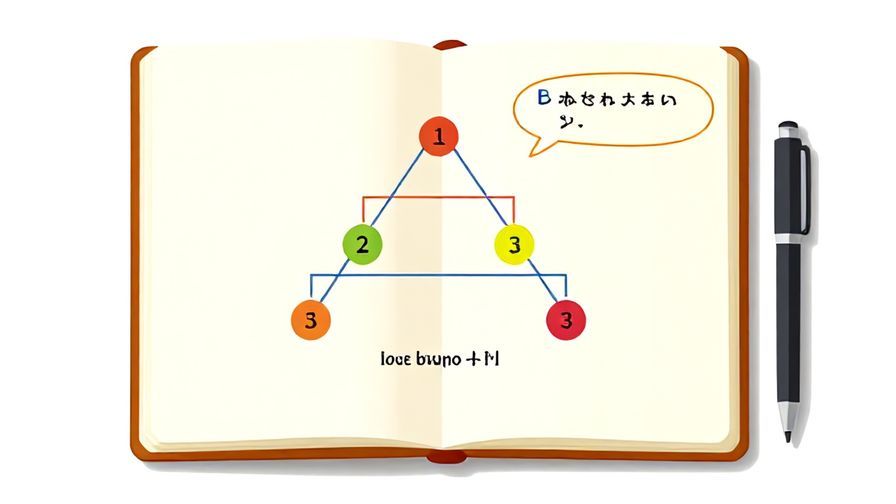
Sometimes, a handy verb conjugation guide is a great way to anchor your learning and get comfortable with these variations.
With that, let’s jump into the first batch of casual, easy-to-use phrases.
These will help you sound friendly and natural.
Part 1: Casual Suggestions
1. 彼らは見るよ (Karera wa miru yo) – “They’ll see, you know.”

This phrase uses よ (yo), a sentence-ending particle that adds emphasis, like saying “you know” or “for sure.”
It’s casual and friendly, perfect for conversations with friends or younger people.
Adding よ makes it feel confident without being harsh.
It’s a simple way to tell someone “trust me, they will see.”
Similar phrases include 彼らは絶対見るよ (karera wa zettai miru yo), which adds “definitely.”
Try using this when you want to sound reassuring but casual!
2. 彼らが見るだろう (Karera ga miru darou) – “They’ll probably see.”

Here, だろう (darou) expresses probability or assumption, like “probably” or “I guess.”
It’s casual but a step up in formality from simply miru.
Great for expressing expectation without 100% certainty.
Be careful not to overuse in very formal settings where it can sound too casual.
In daily talk, it’s a natural way to soften your prediction.
Example: 彼らが見るだろうから、心配しないで (Karera ga miru darou kara, shinpai shinaide) – “They’ll probably see, so don’t worry.”
3. 彼らは見てくる (Karera wa mite kuru) – “They’ll come and see.”

This phrase uses くる (kuru) combined with the -te form to indicate action coming towards the speaker’s perspective.
It’s useful when you mean “they’ll come to see” something physically or figuratively.
It adds a sense of movement, making the sentence more dynamic.
Try it when describing people approaching to check something out.
It’s casual but clear and easy to remember.
For example, use it to say: 彼らは見てくるから準備して (Karera wa mite kuru kara junbi shite) – “They’ll come and see, so get ready.”
4. みんな見てるよ (Minna miteru yo) – “Everyone’s watching.”

みんな (minna) means “everyone,” and 見てる (miteru) is the casual present progressive form of 見る.
This phrase is casual and very natural, great for daily conversations.
It implies ongoing action, like “they are watching right now.”
Perfect for casual chats about people’s attention or reactions.
It can be used in playful or serious contexts.
Example: みんな見てるよ、気をつけて!(Minna miteru yo, ki wo tsukete!) – “Everyone’s watching, be careful!”
5. 彼らは見てみる (Karera wa mite miru) – “They’ll try to see.”

Here, みる (miru) is used twice: the first is the verb “to see,” and the second is the auxiliary verb みる, meaning “to try.”
It conveys “they’ll give it a try” or “attempt to see.”
This phrase is great when you want to express effort or intention.
It’s casual and encouraging.
Try it when discussing attempts or experiments.
Example: 彼らは見てみるって言ってたよ (Karera wa mite miru tte itteta yo) – “They said they’ll try to see.”
6. 彼らはこれから見るよ (Karera wa kore kara miru yo) – “They’ll see from now on.”

これから (kore kara) means “from now on” or “starting now.”
This phrase implies that “they’ll start to see” or notice something going forward.
It’s casual, often used when talking about new awareness or realization.
Great for encouraging or optimistic contexts.
Example: 彼らはこれから見るよ、信じて!(Karera wa kore kara miru yo, shinjite!) – “They’ll see from now on, trust me!”
7. 彼らはちゃんと見るよ (Karera wa chanto miru yo) – “They’ll see properly.”
ちゃんと (chanto) means “properly” or “carefully.”
This phrase emphasizes that “they’ll definitely see carefully or seriously.”
It’s a friendly, casual way to stress attentiveness.
Use it when you want to highlight thoroughness.
Example: 彼らはちゃんと見るよ、安心して (Karera wa chanto miru yo, anshin shite) – “They’ll see properly, don’t worry.”
8. 彼らはすぐ見るよ (Karera wa sugu miru yo) – “They’ll see soon.”

すぐ (sugu) means “soon” or “right away.”
This phrase expresses that “they’ll see quickly or very soon.”
It’s casual and useful for building anticipation.
Say this when you want to reassure someone that a reaction or observation is imminent.
Example: 彼らはすぐ見るよ、待ってて (Karera wa sugu miru yo, mattete) – “They’ll see soon, just wait.”
Part 2: Polite & Formal Suggestions
9. 彼らは見るでしょう (Karera wa miru deshou) – “They will probably see.”

でしょう (deshou) is a polite form of だろう, expressing probability or assumption.
Use this in formal settings to say “they’ll probably see.”
It’s respectful and appropriate for work or unknown audiences.
Don’t confuse it with definite statements; it shows polite speculation.
Example: 彼らは見るでしょうから、詳細を説明します (Karera wa miru deshou kara, shousai wo setsumei shimasu) – “They’ll probably see, so I’ll explain the details.”
Politeness helps keep conversations smooth and professional.
10. 彼らがご覧になります (Karera ga goran ni narimasu) – “They will see” (honorific)
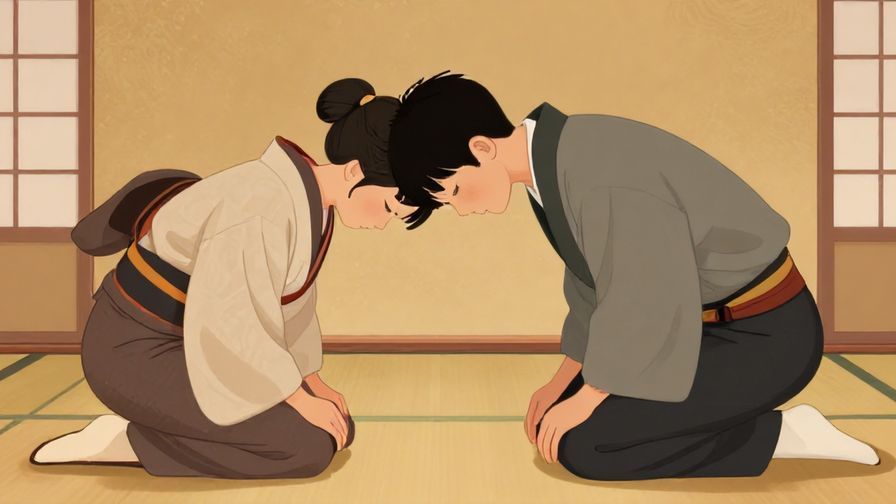
ご覧になる (goran ni naru) is the honorific form of 見る, used to show respect.
This phrase is very polite and often used in formal or customer service contexts.
It literally means “they will have the honor of seeing.”
Make sure to use it only when appropriate to avoid sounding overly stiff.
Example: お客様がご覧になりますので、準備しています (Okyakusama ga goran ni narimasu node, junbi shiteimasu) – “Because the customers will see, we are preparing.”
Mastering honorifics is key to sounding polished in Japanese.
11. 彼らはご覧になるでしょう (Karera wa goran ni naru deshou) – “They will probably see” (polite)

This combines the honorific ご覧になる with the polite probability でしょう.
It’s a formal and respectful way to say “they will probably see.”
Perfect for business emails or speeches.
Note that it’s longer but sounds very appropriate in official contexts.
Example: 彼らはご覧になるでしょうから、資料を送ります (Karera wa goran ni naru deshou kara, shiryou wo okurimasu) – “They will probably see it, so I will send the materials.”
Use when you want to be both polite and tentative.
12. 彼等は拝見いたします (Karera wa haiken itashimasu) – “They will humbly see”
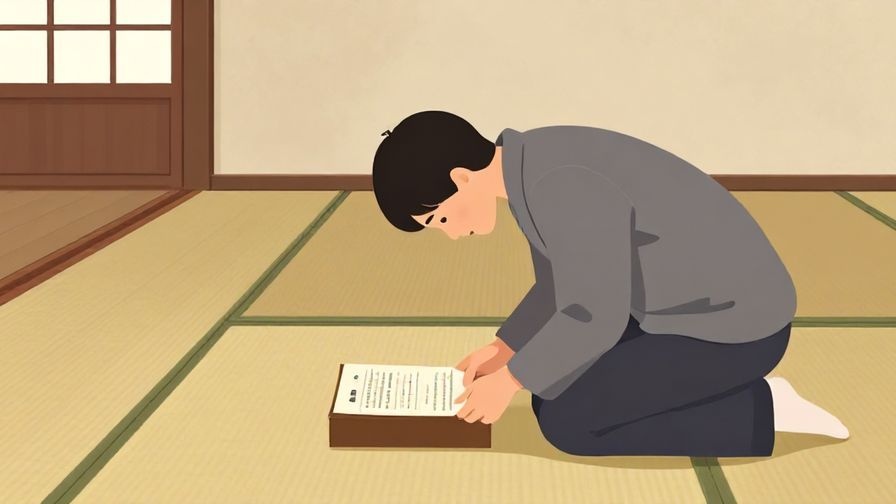
拝見する (haiken suru) is the humble form used for oneself or one’s group.
It’s rare but formal, implying “they will humbly see” or “take a look.”
This is often used in written Japanese or very polite speech.
Don’t confuse it with honorifics; this is self-humbling language.
Example: 彼等は拝見いたしますので、ご安心ください (Karera wa haiken itashimasu node, go anshin kudasai) – “They will humbly see it, so please rest assured.”
Great to know for formal letters or invitations.
13. 彼らは確認いたします (Karera wa kakunin itashimasu) – “They will confirm / see”

確認する (kakunin suru) means “to confirm” or “to check,” often used in business.
Adding いたします (itashimasu) makes it humble and polite.
This phrase is practical for formal emails or meetings discussing verification.
It implies they will see and verify something carefully.
Example: 彼らは確認いたしますので、後ほどご連絡します (Karera wa kakunin itashimasu node, nochihodo go renraku shimasu) – “They will confirm it and contact you later.”
A polite, professional alternative that fits many situations.
14. 彼らは目にするでしょう (Karera wa me ni suru deshou) – “They will see” (more figurative)

目にする (me ni suru) literally means “to put into the eye,” a common idiomatic way to say “to see” or “to witness.”
Adding でしょう softens the statement to “will probably see.”
This phrase is a bit more poetic or figurative than just 見る.
Useful for storytelling or descriptive contexts.
Example: 彼らは真実を目にするでしょう (Karera wa shinjitsu wo me ni suru deshou) – “They will see the truth.”
Great for giving your Japanese a more literary touch.
15. 彼らは目撃するでしょう (Karera wa mokugeki suru deshou) – “They will witness”

目撃する (mokugeki suru) means “to witness” or “to see an event.”
It’s a formal verb and can be used in news, reports, or serious contexts.
Adding でしょう makes it polite and tentative.
Try this when talking about witnessing an important or official event.
Example: 彼らは事故を目撃するでしょう (Karera wa jiko wo mokugeki suru deshou) – “They will witness the accident.”
It’s a clear, serious alternative to 見る.
16. 彼らは視認するでしょう (Karera wa shinin suru deshou) – “They will visually confirm”

視認する (shinin suru) means “to visually confirm” or “to recognize by sight.”
This phrase is quite formal and technical.
Use it in scientific, technical, or surveillance contexts.
It implies careful and intentional seeing.
Example: 彼らは対象を視認するでしょう (Karera wa taishou wo shinin suru deshou) – “They will visually confirm the target.”
Good to know for specialized Japanese vocabulary.
Part 3: Very Casual / Native-like Expressions
17. あいつら見てくっから (Aitsura mite ku kara) – “Those guys will see (casual, rough)

あいつら (aitsu ra) is a very casual and somewhat rough way to say “they” or “those guys.”
見てくっから is casual slang for 見てくる, meaning “they’ll come to see.”
This phrase sounds very natural among close friends or in informal situations.
But be careful—avoid this with strangers or formal settings.
Example: あいつら見てくっから、準備しとけよ!(Aitsura mite ku kara, junbi shitoke yo!) – “Those guys will see, so get ready!”
Use it to sound like a native teenager or young adult.
18. そいつら見るっしょ (Soitsura mirussho) – “Those guys will see, right?”

そいつら (soitsura) is another casual way to say “those guys.”
見るっしょ is slangy and contracted for 見るでしょう, adding a soft question tone.
This phrase sounds friendly, casual, and very conversational.
Great for informal chats and texting.
Example: そいつら見るっしょ?大丈夫だよ (Soitsura mirussho? Daijoubu da yo) – “Those guys will see, right? It’s okay.”
Perfect for sounding natural and relaxed.
19. 彼ら見てんだって (Karera miten datte) – “I heard they’re seeing (something).”
見てん (miten) is a casual contraction of 見ている (mite iru), the progressive form.
だって (datte) here means “I heard” or “they say.”
This phrase is informal and useful for sharing rumors or casual info.
Example: 彼ら見てんだって、すごいね (Karera miten datte, sugoi ne) – “I heard they’re seeing it, that’s awesome.”
Use it to sound like you’re in the know and keeping things casual.
20. 彼ら見んだろ (Karera min daro) – “They’ll see, right?” (very casual)

見ん (min) is a casual contraction of 見る.
だろ (daro) adds a casual “right?” or “probably.”
This is very informal and used among close friends.
Example: 彼ら見んだろ、心配すんなよ (Karera min daro, shinpai sun na yo) – “They’ll see, don’t worry.”
Great for sounding relaxed and confident.
21. 彼ら見てっから (Karera mitet kara) – “They’re seeing (it) already.”
見てっ (mitet) is a casual contraction of 見ている (mite iru), indicating ongoing action.
から (kara) means “because” or “since.”
This phrase implies they’re already in the process of seeing something.
Example: 彼ら見てっから、準備してて (Karera mitet kara, junbi shitete) – “They’re already seeing it, so get ready.”
Use it for lively, natural conversations.
22. 彼らには見えるさ (Karera ni wa mieru sa) – “They’ll definitely see.”

見える (mieru) means “to be visible” or “can see.”
に は (ni wa) emphasizes “as for them.”
さ (sa) is a casual sentence-ending particle that adds emphasis, like “definitely.”
This phrase sounds natural and confident.
Example: 彼らには見えるさ、心配いらないよ (Karera ni wa mieru sa, shinpai iranai yo) – “They’ll definitely see, no need to worry.”
Perfect for sounding positive and reassuring.
Concluding Thought
Exploring these 22 ways to say “They’ll see” in Japanese shows just how versatile and expressive the language can be.
From casual chats to formal business talks, you’re now equipped with the right phrase for any situation.
Keep practicing these expressions, and you’ll sound more natural and confident in your Japanese journeys. がんばってね! (Ganbatte ne!)