22 Japanese ways to say “The world isn’t fair”
We all know life can be a bit… unfair sometimes. No matter where you come from or what language you speak, that feeling is universal.
Japanese is a language rich with expressions that capture complex emotions in simple phrases. Today, we’re diving into 22 warm, relatable ways to say “The world isn’t fair” in Japanese.
These expressions range from casual to formal, and even some native-like slang that you might hear in everyday conversations.
Learning these will not only deepen your understanding of Japanese culture but also give you a fresh way to express those frustrating moments when life just doesn’t seem balanced.
Plus, knowing a variety of phrases helps you sound more natural and emotionally connected when speaking.
Ready to explore these heartfelt expressions? Let’s get started!
Understanding the Shades of “Unfair” in Japanese
Before jumping into the list, it helps to know that Japanese often conveys feelings with subtlety and nuance.
There’s no one-size-fits-all phrase for “The world isn’t fair,” but many options depending on tone and context.
Some phrases are straightforward, others poetic or philosophical.
For a great start, check out this book on Japanese expressions to build a solid foundation.
Don’t worry about memorizing everything at once—just pick the ones that resonate with you.
With a bit of practice, these phrases will feel natural in your conversations.
Part 1: Casual Suggestions
1. 世の中は不公平だよ (Yo no naka wa fukōhei da yo) – “The world is unfair, you know.”
This is a straightforward way to say “The world is unfair” in a casual tone.
“世の中 (yo no naka)” means “the world” or “society,” “不公平 (fukōhei)” means “unfair,” and “だよ (da yo)” adds a soft, familiar emphasis.
Use this among friends to express a shared feeling of frustration.
It’s simple and effective.
You might hear a similar phrase without the “よ (yo)” for a more neutral tone.
Perfect for those moments when you want to commiserate a bit.
2. 人生は理不尽だね (Jinsei wa rifujin da ne) – “Life is unreasonable, isn’t it?”

“人生 (jinsei)” means “life,” and “理不尽 (rifujin)” means “unreasonable” or “unfair.”
The ending “だね (da ne)” invites agreement, making it a gentle way to express this feeling.
It’s often used when you want to empathize or share a sigh over life’s unfair moments.
Be careful not to confuse “理不尽” with just “unfair” — it leans more toward “unreasonable.”
In conversation, it can soften the blow of harsh realities.
Try this phrase to sound thoughtful and relatable.
3. ついてないなぁ (Tsuitenai nā) – “I’m just unlucky.”

This casual expression literally means “not lucky.”
It’s often used when things don’t go your way and you want to acknowledge life’s unfairness with a lighthearted tone.
“ついてない (tsuitenai)” comes from the verb “つく (tsuku)” meaning “to attach” or “to stick,” implying luck isn’t sticking to you.
Perfect for informal chats or venting to friends.
It’s less heavy than directly saying “the world is unfair.”
Keep this phrase handy for those “ugh, why me?” moments.
4. 世の中ってそんなもんだよね (Yo no naka tte sonna mon da yo ne) – “That’s just how the world is.”

This phrase means “That’s just the way the world works,” often implying unfairness as a natural fact.
“そんなもん (sonna mon)” means “that kind of thing” or “such a thing.”
“だよね (da yo ne)” adds a soft tone inviting agreement.
It’s a casual way to accept life’s unfair parts without bitterness.
Great for conversations where you want to sound wise and understanding.
Use it to gently acknowledge reality and move on.
5. 運が悪いだけだよ (Un ga warui dake da yo) – “It’s just bad luck.”
This phrase means “It’s just bad luck,” a way to explain unfair events without blaming anything else.
“運 (un)” means “luck,” “悪い (warui)” means “bad,” and “だけだよ (dake da yo)” means “just that.”
It’s casual and often used to comfort yourself or others.
It’s less about the world’s fairness and more about chance.
Use it when you want to keep a light tone despite tough situations.
It’s a handy phrase to soften complaints.
6. どうしようもないよね (Dō shiyou mo nai yo ne) – “There’s nothing we can do, right?”

This phrase expresses acceptance of unfair situations beyond control.
“どうしようもない (dō shiyou mo nai)” means “there’s no way to deal with it” or “helpless.”
“よね (yo ne)” softens the phrase, seeking empathy.
It’s great for expressing resignation in a warm, relatable way.
Use this when you want to show understanding without frustration.
A very natural phrase for casual conversations.
7. たまには不公平なこともあるさ (Tamani wa fukōhei na koto mo aru sa) – “Sometimes, unfair things happen.”

This phrase acknowledges that unfairness is a part of life sometimes.
“たまには (tamani wa)” means “once in a while” or “sometimes.”
It’s a comforting phrase that normalizes unfair experiences.
“さ (sa)” adds a casual, confident tone.
Great for reassuring friends or yourself.
Use it to keep perspective during tough times.
8. 世の中は理不尽でできている (Yo no naka wa rifujin de dekite iru) – “The world is made of unfairness.”
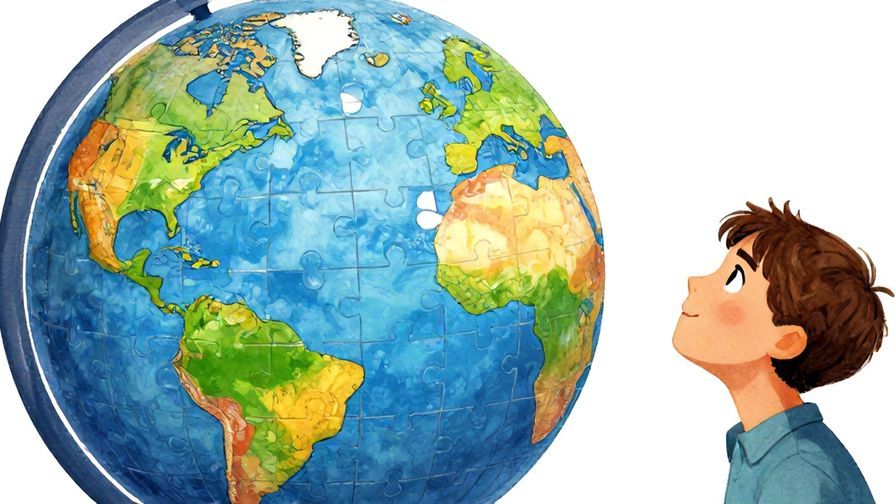
This phrase is a bit poetic, saying “The world is built from unfairness.”
“できている (dekite iru)” means “is made of” or “consists of.”
It’s a philosophical way to express that unfairness is fundamental.
Use this when discussing deeper reflections on life’s nature.
It sounds mature and thoughtful.
Perfect for serious conversations.
Part 2: Polite & Formal Suggestions
9. 世の中は公平ではありません (Yo no naka wa kōhei de wa arimasen) – “The world is not fair.”

This is a polite, formal way to say “The world is not fair.”
“公平 (kōhei)” is a more formal word for “fair.”
“ではありません (de wa arimasen)” is the polite negative form of “is.”
Use this in formal conversations or writing.
It’s clear and respectful.
Great for business or academic contexts.
10. 不公平な世の中です (Fukōhei na yo no naka desu) – “It is an unfair world.”

This phrase uses the adjective “不公平 (fukōhei)” meaning “unfair.”
“です (desu)” adds politeness, suitable for formal or semi-formal speech.
It’s simple and direct.
Use it when you want to sound respectful but clear.
Often used in presentations or discussions.
Helpful when expressing social observations politely.
11. 世の中はいつも理不尽なものです (Yo no naka wa itsumo rifujin na mono desu) – “The world is always an unreasonable thing.”

This is a formal and somewhat poetic way to describe the world as unreasonable.
“いつも (itsumo)” means “always,” and “もの (mono)” means “thing” or “entity.”
Use it when you want a respectful but emotional tone.
It’s suitable for speeches or essays.
Shows acceptance and reflection.
Perfect for thoughtful discussions.
12. この世は不平等です (Kono yo wa fubyōdō desu) – “This world is unequal.”
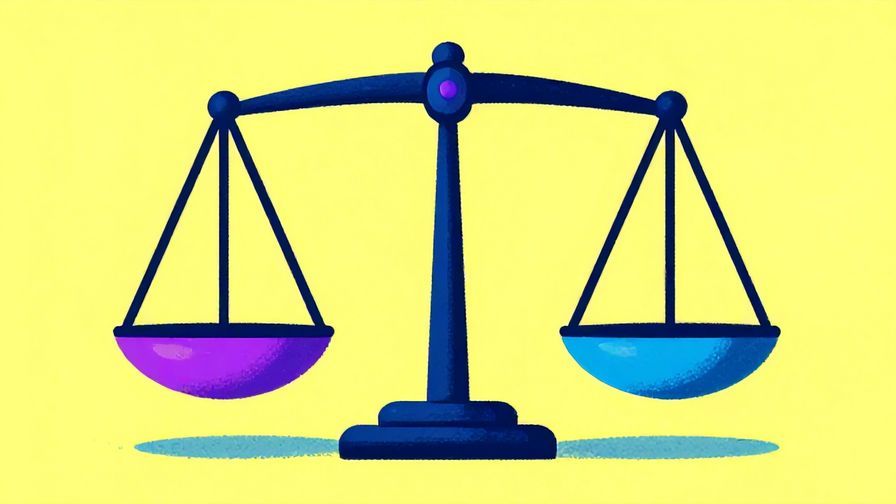
“不平等 (fubyōdō)” means “unequal” or “inequitable.”
“この世 (kono yo)” means “this world.”
“です (desu)” keeps it polite.
Use this phrase to emphasize inequality rather than just unfairness.
It sounds formal and fitting for serious topics.
Good for academic or social discussions.
13. 世の中は思い通りにならないことが多いです (Yo no naka wa omoidoori ni naranai koto ga ooi desu) – “Often, things don’t go as you wish in the world.”
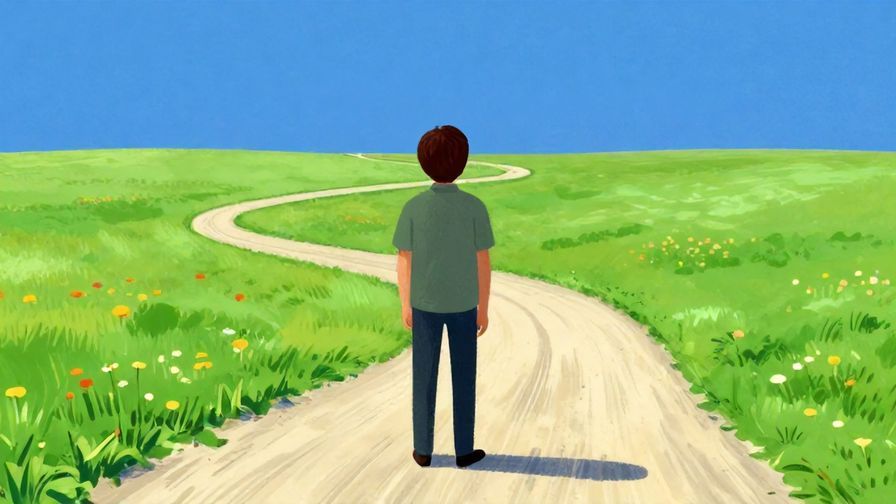
This longer phrase explains that the world often doesn’t go as planned.
“思い通りにならない (omoidoori ni naranai)” means “does not go as one wishes.”
“多い (ooi)” means “many” or “often.”
It’s polite and descriptive.
Use it when you want to soften the idea of unfairness.
Great for encouraging patience and understanding.
14. 世の中は理不尽なことが多いですね (Yo no naka wa rifujin na koto ga ooi desu ne) – “There are many unreasonable things in the world, aren’t there?”

This polite phrase invites agreement about unfairness.
“ですね (desu ne)” makes it conversational and soft.
It’s useful in polite discussions or casual formal talks.
Good for showing empathy and connection.
Use it to gently express shared frustrations.
Helps build rapport in conversations.
15. 世の中の不公平は避けられません (Yo no naka no fukōhei wa sakeraremasen) – “The world’s unfairness is unavoidable.”
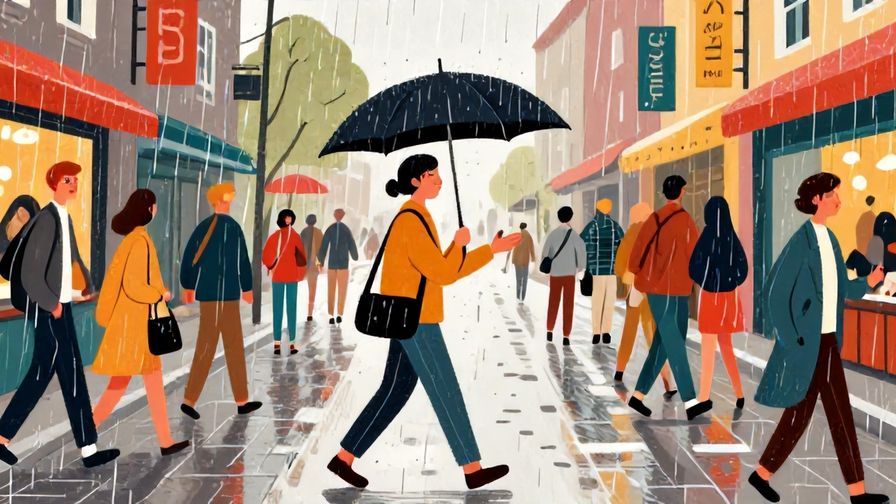
This formal phrase states that unfairness can’t be avoided.
“避けられません (sakeraremasen)” means “cannot be avoided.”
Use it in serious conversations or writing.
It sounds resigned but realistic.
Good for philosophical or social commentary.
Helps express acceptance with dignity.
16. 世の中は不公平であることを認めざるを得ません (Yo no naka wa fukōhei de aru koto o mitomezaru o emasen) – “We must admit the world is unfair.”

This very formal phrase means “We have no choice but to admit the world is unfair.”
Great for essays, speeches, or formal discussions.
It shows seriousness and acceptance.
Use it to express a firm but polite statement.
It’s advanced but powerful.
Perfect for academic or professional settings.
Part 3: Very Casual / Native-like Expressions
17. 世の中ってムカつくよね (Yo no naka tte mukatsuku yo ne) – “The world’s so annoying, right?”

This is a casual, slangy way to express frustration with the world.
“ムカつく (mukatsuku)” means “annoying” or “makes me mad.”
“よね (yo ne)” invites agreement.
It’s very informal and common among younger speakers.
Use it with close friends, never in formal settings.
Great for venting in a relatable way.
18. この世は理不尽ばっかりだわ (Kono yo wa rifujin bakkari da wa) – “This world’s full of nothing but unfairness.”

“ばっかり (bakkari)” means “nothing but” or “full of.”
“だわ (da wa)” is a feminine sentence ending adding emotion.
It’s casual and expressive.
Use this to vent strongly but informally.
Common among young women but understandable by all.
Perfect for emotional release.
19. 世の中ってほんと不公平だよな (Yo no naka tte honto fukōhei da yo na) – “The world is really unfair, huh?”

“ほんと (honto)” means “really” or “truly.”
“だよな (da yo na)” adds casual emphasis and agreement.
Use this in relaxed conversations among peers.
It sounds genuine and natural.
Great for sharing honest feelings.
Helps build emotional connection.
20. 何でいつも自分だけこんな目に遭うんだろ (Nande itsumo jibun dake konna me ni aun daro) – “Why do I always have to go through this?”

This phrase is very casual and expresses personal unfair treatment.
“こんな目に遭う (konna me ni au)” means “to experience such hardship.”
Use it when feeling personally unlucky or singled out.
It’s emotional and relatable.
Perfect for venting privately or with close friends.
Shows vulnerability and frustration.
21. 世の中ってマジで不公平すぎるわ (Yo no naka tte maji de fukōhei sugiru wa) – “The world is seriously too unfair.”

“マジで (maji de)” means “seriously,” “すぎる (sugiru)” means “too much.”
“わ (wa)” softens the sentence with emotion.
This is slangy and very casual.
Use it for strong emotional emphasis among friends.
Sounds like a native speaker’s spontaneous frustration.
Great for informal venting.
22. 世の中は不公平だってばよ! (Yo no naka wa fukōhei dattebayo!) – “The world’s unfair, I tell you!”

“だってばよ (dattebayo)” is a playful emphatic ending popularized by anime culture.
It adds energy and personality.
Use it when joking around or being dramatic with friends.
It’s very informal and fun.
Perfect for anime fans or casual speech.
Helps express frustration with a humorous twist.
Concluding Thought
Exploring these 22 Japanese ways to say “The world isn’t fair” shows just how much nuance and emotion the language holds.
From polite reflections to casual, heartfelt venting, there’s a phrase for every mood and moment.
Next time life feels unfair, you’ll have the perfect Japanese expression to capture that feeling—and maybe even bring a smile or a sense of shared understanding.