22 Japanese ways to say “The straw that broke the camel’s back”
Ever had that moment when one tiny thing finally makes you snap? You know, that last little push that just breaks your patience or endurance? In English, we call it “the straw that broke the camel’s back.”
But how do you say this in Japanese? Well, there are actually quite a few creative ways to express this feeling, each with its own nuance and imagery.
Whether you’re learning Japanese or just love exploring how different cultures express the same idea, these 22 phrases will give you a fresh perspective.
From casual slang to more formal expressions, we’ll cover a range of ways to say those breaking points in Japanese. Ready to find your favorite?
Learning these expressions not only helps with understanding the language but also deepens your appreciation for Japanese culture and humor.
Let’s dive in and discover the many ways to say “the straw that broke the camel’s back” in Japanese!
Understanding the Concept in Japanese
Before jumping into the list, it’s good to know that Japanese often uses metaphors involving balance, weight, and patience to express this idea.
Sometimes it’s about a final burden, sometimes about patience wearing thin, and other times about an unexpected last straw that causes a reaction.
These phrases can be literal or figurative, so it’s fun to explore how each one paints its own picture.

Sometimes, using a great Japanese idiom guide can give you a perfect starting point for a cohesive understanding.
Many of these sayings are used in everyday conversation, so you’ll find them quite useful.
They’re also a great way to impress your Japanese friends with your cultural knowledge!
Part 1: Casual Suggestions
1. これで最後の一押し (Kore de saigo no ichi-oshi) – “This is the final push.”
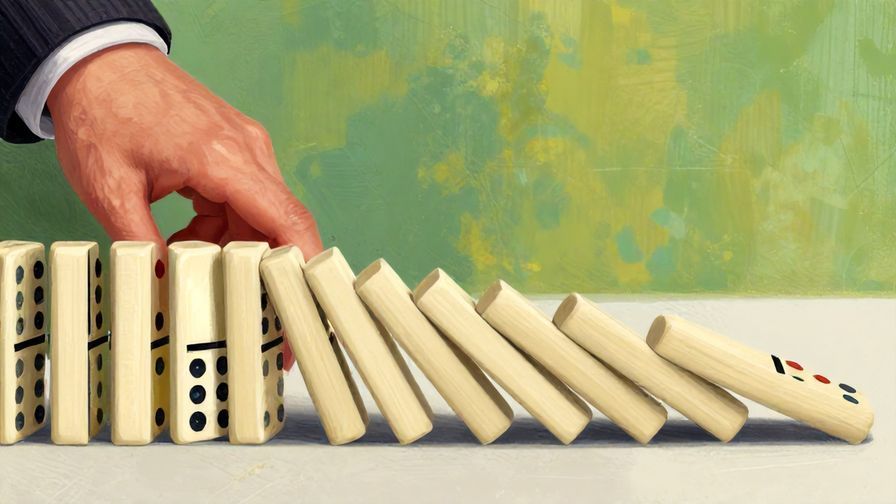
This phrase literally means “the last push,” and it’s a straightforward way to describe the final straw that causes everything to tip over.
It’s easy to remember because “最後の (saigo no)” means “final” and “一押し (ichi-oshi)” means “one push.”
Use it when you want to say something was the last little thing that triggered a reaction.
It’s commonly used in casual conversation among friends.
A related phrase is 「最後の一撃」(saigo no ichigeki), meaning “the final strike.”
Try using this when you feel like you’re about to lose it after a string of small annoyances!
2. 我慢の限界 (Gaman no genkai) – “Limit of patience.”

This phrase means “the limit of endurance or patience,” and it’s often used when someone can no longer tolerate a situation.
“我慢 (gaman)” means “patience” or “endurance,” and “限界 (genkai)” means “limit.”
It’s a great way to express you’ve reached your breaking point.
Don’t confuse it with simply being tired; this one implies emotional or mental strain.
For example, after a long day of stress, you might say, 「もう我慢の限界だ!」(Mou gaman no genkai da!) — “I’ve reached my limit!”
It’s a powerful phrase to know for venting frustration politely.
3. もう耐えられない (Mou taerarenai) – “I can’t endure anymore.”

This phrase means “I can’t take it anymore,” directly expressing that the final straw has been reached.
“耐えられない (taerarenai)” means “cannot endure,” and “もう (mou)” means “anymore.”
It’s simple and emotional, perfect for casual conversations.
Use it when you want to sound genuine and straightforward.
It’s similar to saying “I’m at my wit’s end” in English.
This expression is very natural, so feel free to use it whenever you feel overwhelmed.
4. 限界を超える (Genkai o koeru) – “To exceed the limit.”
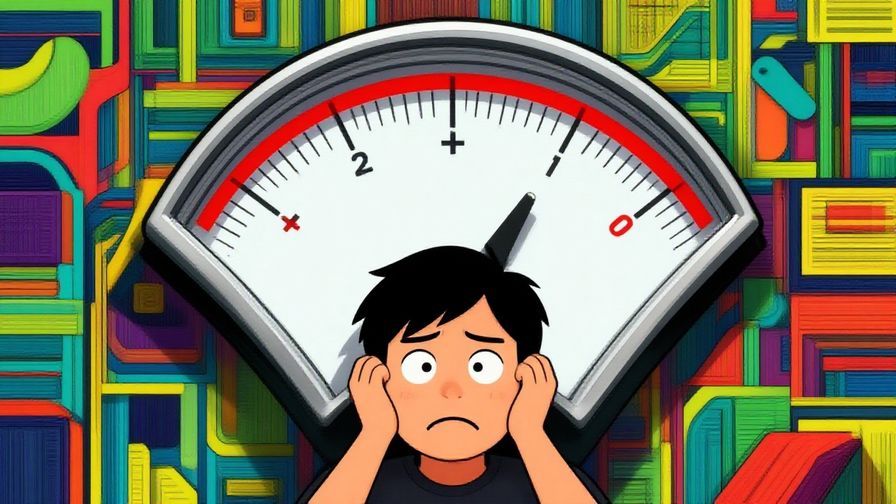
This phrase literally means “to go beyond the limit,” and it’s a great way to say something has pushed you too far.
“限界 (genkai)” means “limit,” and “超える (koeru)” means “to exceed.”
It has a slightly formal tone but is still used widely.
It fits well in both spoken and written Japanese.
For example, 「彼の態度は限界を超えた」(Kare no taido wa genkai o koeta) means “His attitude exceeded my limit.”
Perfect for describing someone’s behavior finally becoming unbearable.
5. これ以上は無理 (Kore ijou wa muri) – “No more beyond this.”

This phrase means “I can’t take any more beyond this,” and it’s a casual and clear way to express reaching your limit.
“これ以上 (kore ijou)” means “beyond this,” and “無理 (muri)” means “impossible” or “no way.”
It’s a common phrase to use in everyday life.
It’s simple to remember and can be applied to many frustrating situations.
For example, after dealing with too many complaints, you might say, 「これ以上は無理だよ」(Kore ijou wa muri da yo) — “No more beyond this, seriously.”
It’s a natural phrase to vent without sounding too harsh.
6. もう限界 (Mou genkai) – “Already at the limit.”

Simply saying “もう限界 (mou genkai)” is a straightforward way to say “I’m at my limit.”
It’s very casual and often used among friends or in informal contexts.
Easy to say and easy to remember.
It’s short but carries a strong emotional weight.
If you want something that’s quick and to the point, this is it.
Try it out next time you want to express you’ve had enough.
7. ついに折れた (Tsuini oreta) – “Finally broke (mentally).”
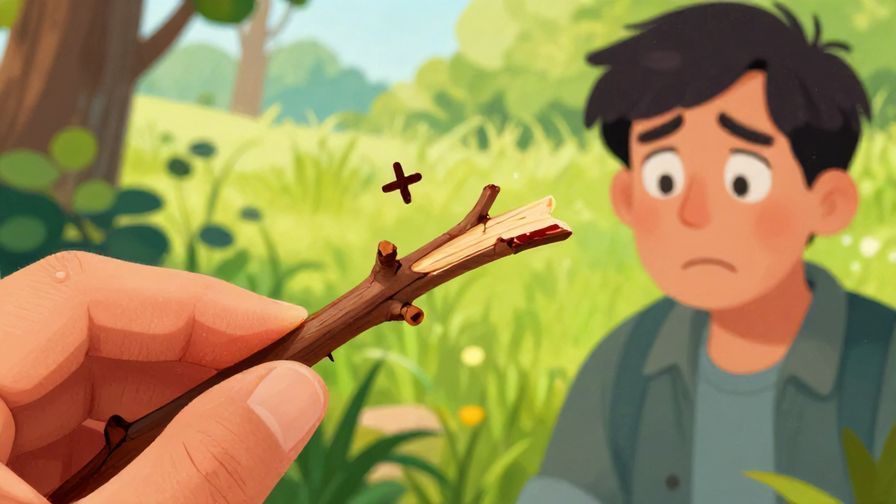
This phrase means “finally broke,” usually referring to mental or emotional breaking point.
“ついに (tsuini)” means “finally,” and “折れた (oreta)” means “broke” or “snapped.”
It’s a vivid way to say you’ve reached a breaking point.
Great for storytelling or sharing frustrations.
For example, 「彼はついに折れた」(Kare wa tsuini oreta) means “He finally broke down.”
Use this when you want to highlight how long someone held on before breaking.
8. 一滴で溢れる (Itteki de afureru) – “Overflow with just one drop.”
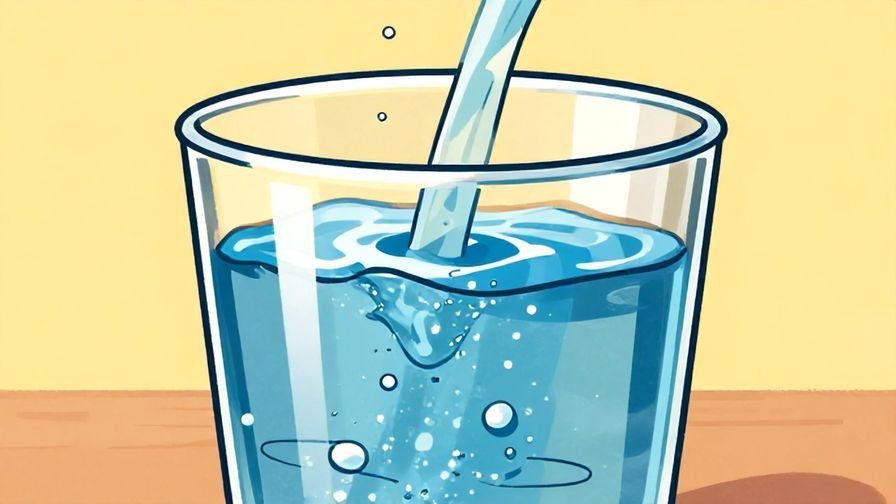
This poetic phrase means “to overflow with just one drop,” a beautiful way to describe the last straw.
“一滴 (itteki)” means “one drop,” and “溢れる (afureru)” means “to overflow.”
It’s a metaphor often used in literature or thoughtful speech.
Great for showing how a tiny thing can cause a big reaction.
Try using it in writing or when you want to sound expressive and dramatic.
It captures the imagery of overflowing perfectly!
Part 2: Polite & Formal Suggestions
9. 限界点に達する (Genkai-ten ni tassuru) – “To reach the limit point.”

This formal phrase means “to reach the limit point,” perfect for business or official conversations.
“限界点 (genkai-ten)” means “limit point,” and “達する (tassuru)” means “to reach.”
Use this when talking about stress or pressure in polite contexts.
It sounds respectful and professional.
For example, 「社員は限界点に達しました」(Shain wa genkai-ten ni tasshimashita) means “The employees have reached their limit.”
Great for presentations or serious discussions about workload.
10. 最終的な決定打 (Saishū-teki na kettei-da) – “The final decisive blow.”
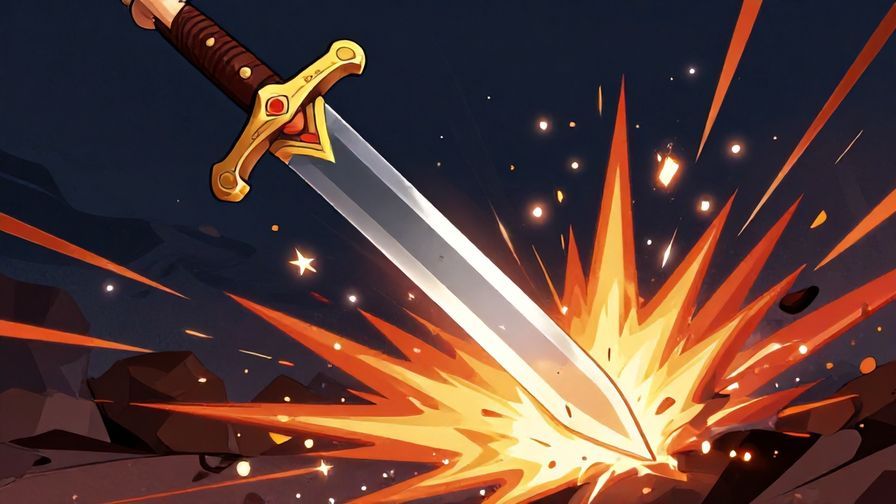
This phrase means “the final decisive blow,” emphasizing the last action that causes failure or collapse.
“最終的な (saishū-teki na)” means “final,” and “決定打 (kettei-da)” means “decisive blow.”
It’s formal and strong, often used in writing or speeches.
Use it when you want to sound impactful and clear.
For example, 「これが最終的な決定打となった」(Kore ga saishū-teki na kettei-da to natta) means “This became the final decisive blow.”
Perfect for describing the last event that caused a situation to collapse.
11. 耐え難い負担 (Taegatai futan) – “An unbearable burden.”
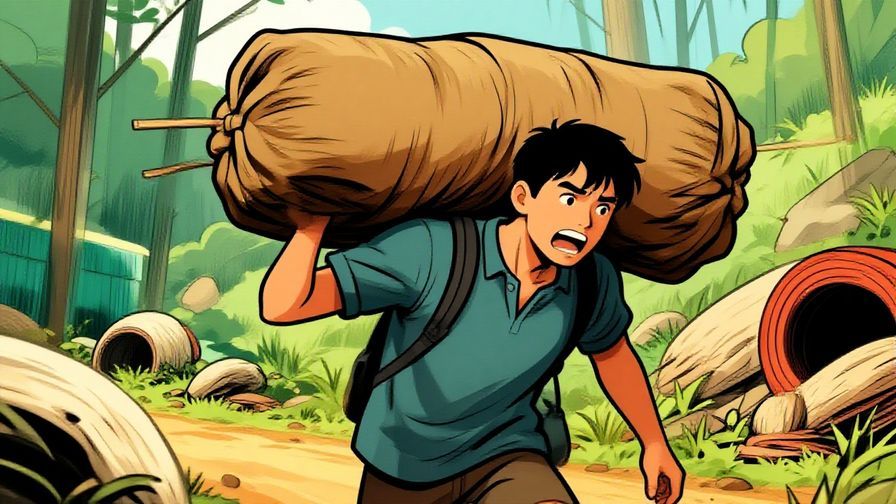
This phrase means “an unbearable burden,” a polite way to describe something too much to handle.
“耐え難い (taegatai)” means “hard to endure,” and “負担 (futan)” means “burden.”
It’s often used in formal writing or polite conversation.
Use it to describe situations or responsibilities that overwhelm someone.
For example, 「この仕事は耐え難い負担です」(Kono shigoto wa taegatai futan desu) means “This job is an unbearable burden.”
It conveys seriousness without sounding rude.
12. 限界を迎える (Genkai o mukaeru) – “To face the limit.”

This phrase means “to face the limit,” implying someone is at the brink of breaking.
“迎える (mukaeru)” means “to face” or “to approach.”
It’s polite and suitable for formal speech.
For example, 「彼は限界を迎えています」(Kare wa genkai o mukaete imasu) means “He is facing his limit.”
It’s a sensitive way to express someone’s struggle.
Use it to show empathy while acknowledging difficulty.
13. 破綻寸前 (Hatan sunzen) – “On the verge of collapse.”
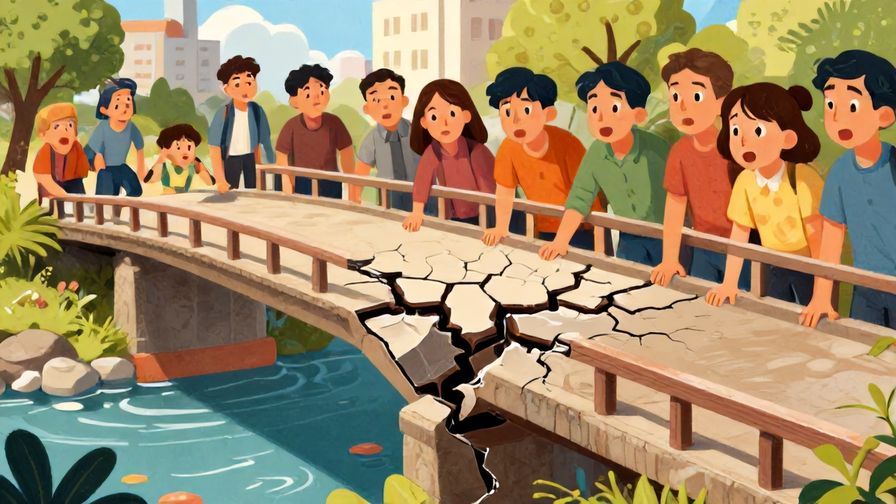
This phrase means “just about to break down” or “on the verge of collapse.”
“破綻 (hatan)” means “collapse” or “failure,” and “寸前 (sunzen)” means “just before.”
It’s a formal phrase often used in business or serious contexts.
For example, 「会社は破綻寸前です」(Kaisha wa hatan sunzen desu) means “The company is on the verge of collapse.”
It’s useful for describing critical breaking points.
Great for serious discussions or news reports.
14. 我慢の限界に達する (Gaman no genkai ni tassuru) – “To reach one’s patience limit.”
This is a polite way to say that someone has reached their limit of patience.
It’s a longer phrase but very clear and formal.
Perfect for conveying frustration without rudeness.
For example, 「彼女は我慢の限界に達しました」(Kanojo wa gaman no genkai ni tasshimashita) means “She reached her patience limit.”
It’s great for professional or respectful contexts.
Use it when you want to sound considerate but firm.
15. もう我慢できません (Mou gaman dekimasen) – “I can’t endure anymore.”
This polite yet emotional phrase means “I can’t endure anymore.”
“できません (dekimasen)” is the negative potential form of “can do,” making it polite.
It’s simple and effective in many situations.
For example, 「もう我慢できません!」(Mou gaman dekimasen!) is a way to strongly say you’ve had enough.
Use it to express frustration clearly but politely.
It’s very natural and commonly understood.
16. 限界突破 (Genkai toppa) – “Breaking through the limit.”
This phrase means “breaking through the limit,” often used in motivational contexts.
“突破 (toppa)” means “breakthrough” or “surpass.”
It can be used positively or to describe a dangerous overload.
For example, 「彼のストレスは限界突破した」(Kare no sutoresu wa genkai toppa shita) means “His stress broke through his limits.”
It’s a dynamic phrase that adds energy to your description.
Great for both casual and formal use depending on context.
Part 3: Very Casual / Native-like Expressions
17. トドメの一撃 (Todome no ichigeki) – “The finishing blow.”
This phrase means “the finishing blow,” often used when the last event seals the deal.
“トドメ (todome)” means “finishing blow,” and “一撃 (ichigeki)” means “one strike.”
It’s casual and vivid, perfect for storytelling.
Use it to describe that last thing that ended your patience or effort.
For example, 「あの言葉がトドメの一撃だった」(Ano kotoba ga todome no ichigeki datta) means “That word was the finishing blow.”
It’s a favorite among young people and in media.
18. もうガマンできねえ (Mou gaman dekinē) – “I just can’t take it anymore.”
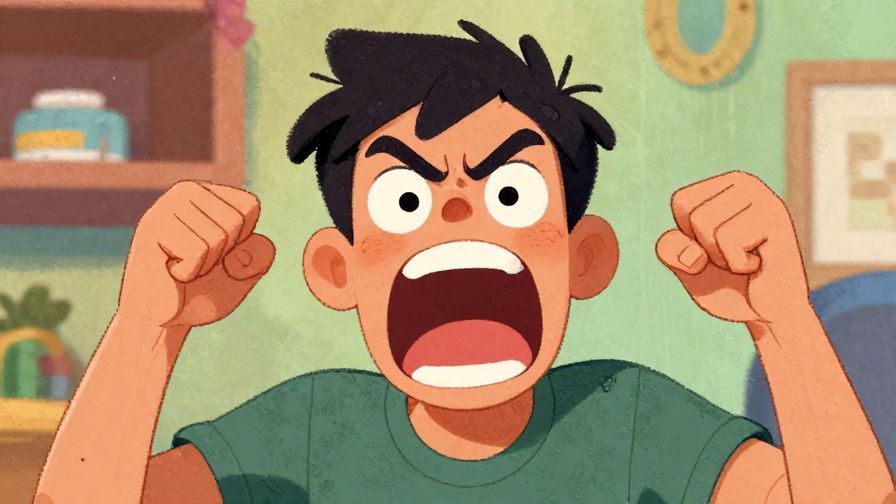
This is a very casual and rough way to say “I can’t take it anymore.”
“できねえ (dekinē)” is a slangy negative form of “can do.”
Use this only with close friends or in informal settings.
It’s raw and honest, great for venting frustration.
For example, 「もうガマンできねえ!」(Mou gaman dekinē!) is like shouting “I just can’t stand it!”
Be careful using this—it’s casual and might sound rude in formal contexts.
19. キレる寸前 (Kireru sunzen) – “About to snap.”
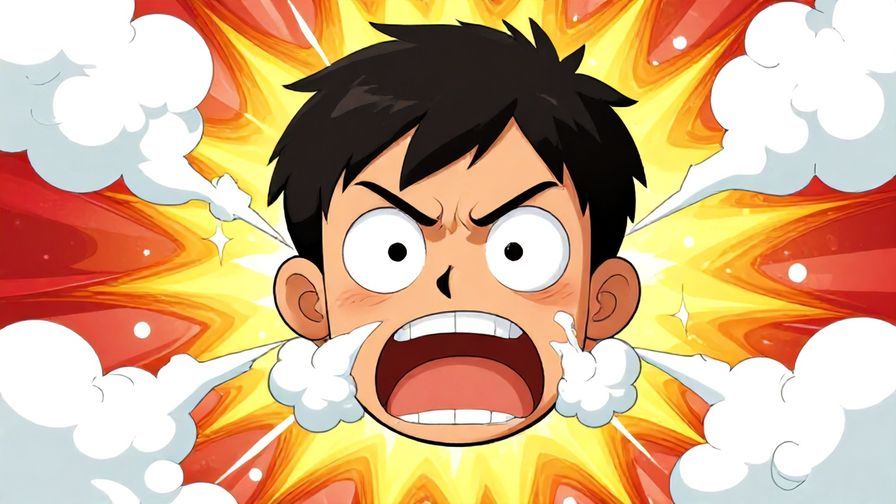
This phrase means “on the verge of snapping” or losing temper.
“キレる (kireru)” means “to snap” or “lose it,” and “寸前 (sunzen)” means “just before.”
It’s a very natural, native-like way to say you’re almost at your breaking point.
For example, 「彼はキレる寸前だった」(Kare wa kireru sunzen datta) means “He was about to snap.”
It’s casual but commonly used in everyday speech.
Perfect for describing emotional overload.
20. もう限界っしょ (Mou genkai ssho) – “It’s gotta be the limit now.”

This is a slangy, casual way to say “I’m at my limit.”
“っしょ (ssho)” is a casual sentence ending like “right?” or “I guess.”
Use among friends or young people to sound relaxed but serious.
For example, 「もう限界っしょ」(Mou genkai ssho) means “This has got to be the limit, right?”
It’s informal and friendly.
Great for casual chats about stress or tiredness.
21. もうムリポ (Mou muripo) – “No way, can’t do anymore.”

This is a playful, slangy phrase combining “無理 (muri)” meaning “impossible” and a cute suffix “ポ (po).”
It’s often used online or among young people to say “I can’t do this anymore” in a lighthearted way.
For example, 「もうムリポ!」(Mou muripo!) is like a fun way to say “I’m done!”
It’s not for formal use but great for casual texting or social media.
Using fun slang makes venting easier and less heavy.
If you want a cute, relatable way to say you’re overwhelmed, this is it.
22. それが最後の一滴 (Sore ga saigo no itteki) – “That was the last drop.”
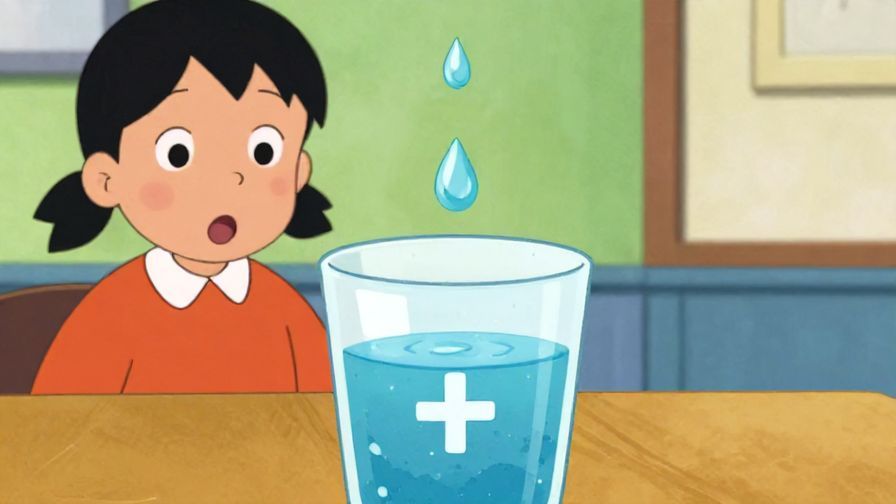
This phrase means “That was the last drop,” a perfect equivalent to the English expression.
“最後の (saigo no)” means “the last,” and “一滴 (itteki)” means “one drop.”
It’s a very literal and common way to say the straw that broke the camel’s back.
Perfect for both casual and polite conversations.
For example, 「それが最後の一滴だった」(Sore ga saigo no itteki datta) means “That was the last drop.”
Use it anytime you want to describe the final trigger in a situation.
Concluding Thought
Exploring these 22 Japanese ways to say “the straw that broke the camel’s back” shows just how rich and varied language can be when expressing frustration or limits.
Each phrase carries its own nuance, from formal to casual, poetic to slangy, giving you plenty of options to fit any situation.
So next time you hit your limit, try one of these expressions and connect more deeply with Japanese language and culture. Ganbatte!