22 Japanese ways to say “The pleasure is mine”
There’s something truly special about expressing gratitude and warmth in another language. Saying “The pleasure is mine” in Japanese opens a door to kindness and connection that goes beyond a simple thank you.
Whether you’re chatting with friends, meeting new colleagues, or just want to sprinkle a bit of Japanese charm into your conversations, knowing these expressions will definitely make your interactions more heartfelt.
Japanese offers a variety of ways to say “The pleasure is mine,” each with its own nuance and level of formality. You’ll find expressions perfect for casual chats and others fitting for more respectful occasions.
In this listicle, we’ll explore 22 authentic Japanese phrases you can use to say “The pleasure is mine.” They’re warm, easy to remember, and sound natural — just like you’re part of the conversation.
Plus, learning these phrases will boost your confidence and help you build stronger relationships in Japanese-speaking settings.
Ready to dive in? Let’s uncover the beauty of saying “The pleasure is mine” in Japanese!
Understanding the Basics of Gratitude in Japanese
Before we jump into the list, it’s good to understand how Japanese culture values politeness and humility in expressions of gratitude.
Many phrases reflect respect and a sense of shared happiness rather than just a simple “thank you.” This makes conversations feel more connected and sincere.
Keep in mind that context is key—some expressions fit casual settings, while others shine in formal or business environments.
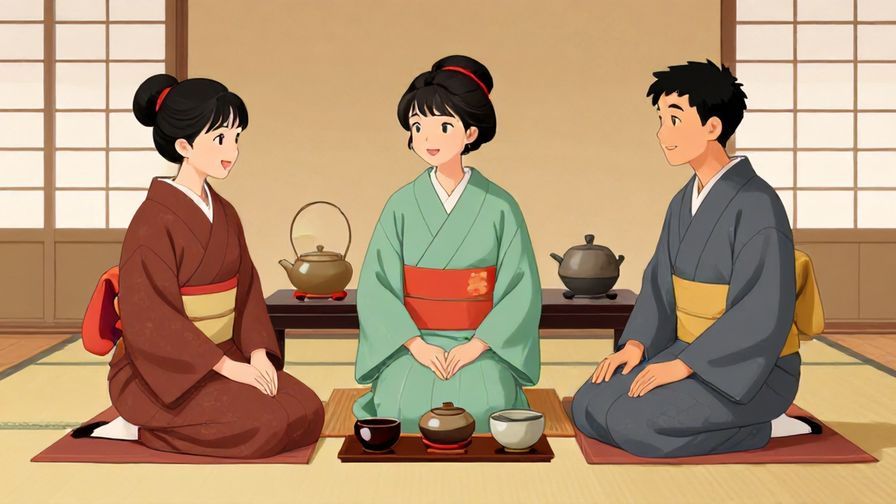
Fourth paragraph. Sometimes, using a great beginner phrasebook can give you a perfect starting point for a cohesive understanding.
Understanding these basics ensures you use each phrase naturally and appropriately.
Mastering this etiquette helps you gain respect and shows your genuine interest in Japanese culture.
Part 1: Casual Suggestions
1. どういたしまして (Dō itashimashite) – “You’re welcome / The pleasure is mine.”
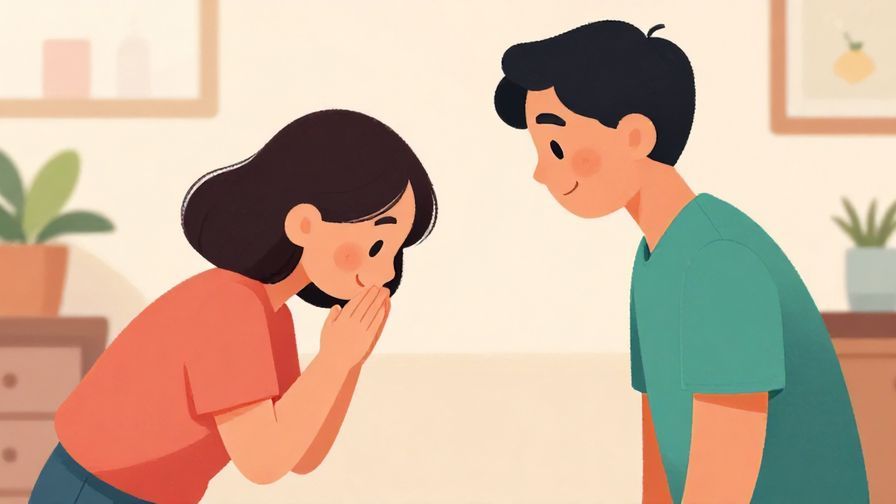
This is the most common way to say “You’re welcome,” which can also mean “The pleasure is mine.”
It’s polite but casual enough for everyday use. Just remember it’s a direct response to thanks, showing humility and friendliness.
Practice by saying it whenever someone thanks you, and soon it’ll feel second nature.
It’s a phrase that keeps conversations smooth and polite without being too formal.
It’s often your go-to in most social interactions when you want to express you’re happy to help.
Using this sets a positive tone right away and keeps relationships warm.
2. こちらこそ (Kochira koso) – “Likewise / The pleasure is mine.”

“Kochira koso” literally means “this side (me) is the one,” and is used to say “The pleasure is mine” or “Likewise.”
It’s perfect when someone thanks you first, and you want to return the sentiment. It feels equal and friendly.
Try it in conversations where you want to emphasize mutual appreciation.
This phrase is short, sweet, and feels very natural among friends and colleagues.
It can also be combined with the other party’s thanks to deepen connection.
Remember, it’s all about reflecting gratitude back warmly and sincerely.
3. 私の方こそ嬉しいです (Watashi no hō koso ureshii desu) – “I am the one who is happy.”
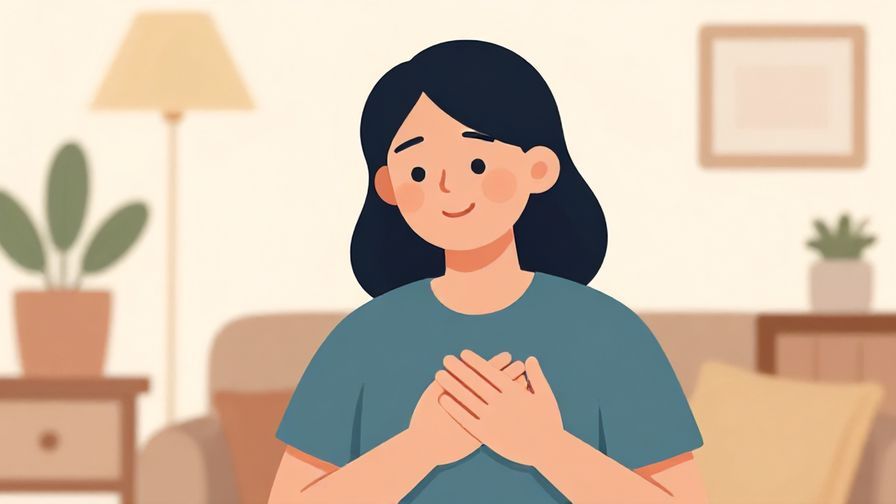
This phrase expresses “The pleasure is mine” with a warm, personal touch.
It literally means “I am the one who is happy,” emphasizing your joy in the interaction.
It’s great when you want to sound genuinely happy and thankful in return.
Using “私の方こそ” (watashi no hō koso) emphasizes yourself as the grateful party.
It’s often paired with “嬉しいです” (ureshii desu) meaning “I’m happy,” making it heartfelt.
Perfect for slightly more intimate or meaningful conversations.
4. 光栄です (Kōei desu) – “It’s an honor.”

“Kōei desu” literally means “It’s an honor,” and can be used to express “The pleasure is mine” in formal situations.
It shows respect and humility while acknowledging the privilege of the interaction.
Great for business meetings or when someone praises you professionally.
Keep the tone humble, and avoid overusing to keep sincerity.
You might hear it in speeches or formal thank-you exchanges.
It’s a classy way to express pleasure in more serious or respectful contexts.
5. 嬉しく思います (Ureshiku omoimasu) – “I’m glad / pleased.”

This phrase means “I feel glad” and works well to say “The pleasure is mine” in a polite, heartfelt way.
It’s good for both casual and semi-formal situations, expressing genuine happiness.
Try pairing it with thanks to express your delight in helping or meeting someone.
It’s less formal than “光栄です,” but still polite and warm.
“思います” (omoimasu) means “I think/feel,” adding a personal touch.
It’s a simple phrase that sounds natural and thoughtful.
6. こちらこそありがとうございます (Kochira koso arigatō gozaimasu) – “Thank you, likewise.”
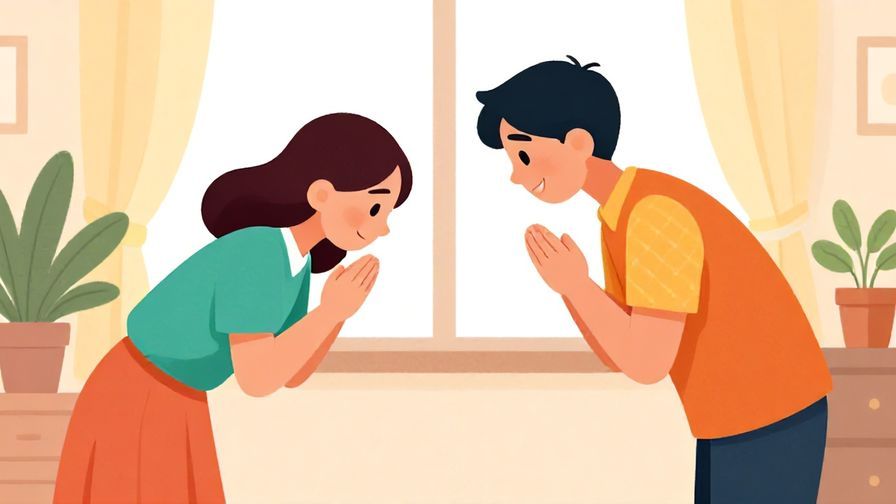
This phrase means “Thank you, likewise,” combining gratitude with “The pleasure is mine.”
It’s polite and perfect for formal or semi-formal occasions.
It’s a wonderful way to return thanks and show your appreciation at the same time.
Avoid overusing it in casual chats to keep it special.
It’s common in business or respectful social situations.
Using this phrase shows you value the other person’s kindness deeply.
7. どうもありがとう (Dōmo arigatō) – “Thanks a lot / The pleasure is mine.”

A friendly and casual way to say “Thank you very much,” which can imply “The pleasure is mine.”
It’s less formal but still polite and warm, perfect with friends or acquaintances.
Use it to convey sincere gratitude and pleasure in a relaxed tone.
It’s easy to remember and sounds natural in everyday speech.
Paired with a smile, it’s a great way to keep conversations positive.
Be mindful to reserve more formal phrases for serious occasions.
8. こちらこそ嬉しいです (Kochira koso ureshii desu) – “The pleasure is truly mine.”

Combining “こちらこそ” (likewise) with “嬉しいです” (I’m happy), this phrase warmly expresses “The pleasure is truly mine.”
It’s casual but heartfelt, great for genuine interactions among friends or colleagues.
Use it when you want to emphasize your happiness to meet or help someone.
It balances humility with warmth perfectly.
Keep your tone sincere to make it feel natural.
This phrase helps deepen friendly connections smoothly.
Part 2: Polite & Formal Suggestions
9. 恐れ入ります (Osoreirimasu) – “I’m honored / The pleasure is mine.”
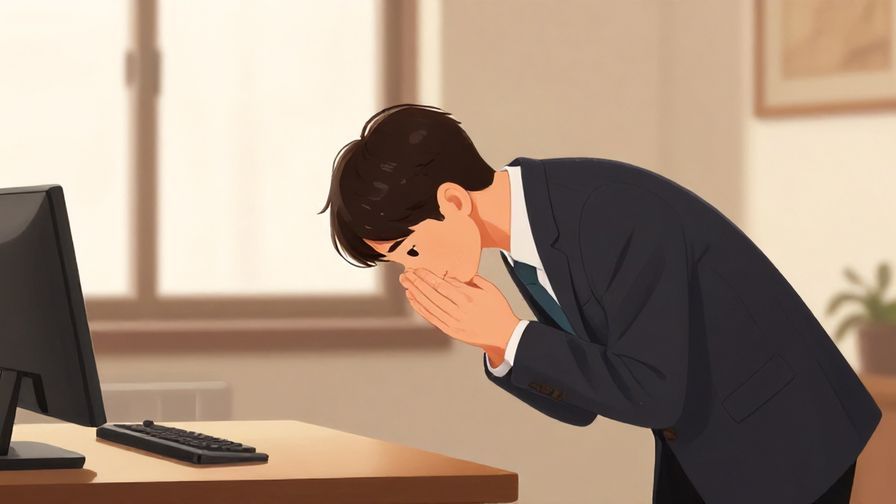
“Osoreirimasu” is a very polite way to say “I’m honored” or “The pleasure is mine” in formal Japanese.
It’s often used in business or customer service to show humility and respect.
Practice this phrase to sound professional and courteous.
Don’t confuse it with casual phrases; it’s reserved for respectful scenarios.
You’ll hear it when receiving compliments or favors in formal settings.
Use it to impress with your polite, humble attitude.
10. 光栄に存じます (Kōei ni zonjimasu) – “I consider it an honor.”

A humble, very formal way to say “It’s an honor,” often translated as “The pleasure is mine.”
“存じます” (zonjimasu) is a humble form of “to think,” making this phrase highly respectful.
It’s perfect for formal speeches, letters, or high-level business talks.
Use it carefully to avoid sounding stiff in casual situations.
This phrase communicates deep respect and gratitude.
Master it to elevate your professional Japanese skills.
11. 恐縮です (Kyōshuku desu) – “I’m humbled.”

“Kyōshuku desu” expresses humility and can imply “The pleasure is mine” in a polite way.
It’s often used to respond humbly to praise or thanks.
It shows you’re grateful but modest about the attention.
Best suited for business or formal social settings.
It’s a key phrase when you want to avoid seeming boastful.
Practice it to maintain respectful balance in conversations.
12. お手数おかけします (Otesū okake shimasu) – “Sorry for the trouble.”
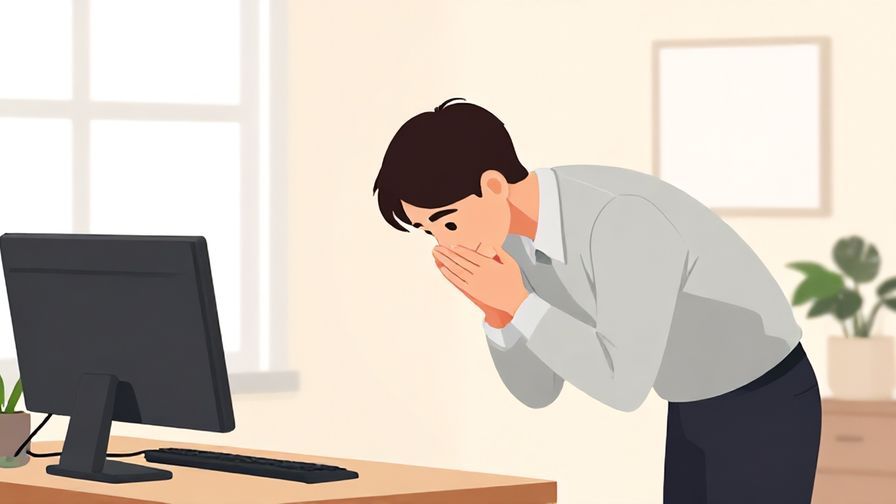
While not a direct “pleasure is mine” phrase, this expression shows humility and respect in formal interactions.
It acknowledges the other’s effort and hints at your pleasure in the exchange.
Use it when someone goes out of their way for you politely.
It softens the mood and adds warmth to business or formal talks.
Often paired with thanks, it deepens sincerity.
This phrase is useful for showing considerate gratitude.
13. ご厚意に感謝します (Go kōi ni kansha shimasu) – “I appreciate your kindness.”

This formal phrase means “I appreciate your kindness,” expressing heartfelt gratitude.
It can be used to say “The pleasure is mine” by acknowledging the other’s generosity.
Ideal for thank-you notes or polite conversations.
It’s respectful and shows you truly value the other person’s actions.
Using “感謝します” (kansha shimasu) adds a strong tone of appreciation.
Try it to sound both polite and genuine.
14. おかげさまで光栄です (Okage-sama de kōei desu) – “Thanks to you, it’s an honor.”

This phrase combines gratitude and humility, meaning “Thanks to you, it’s an honor.”
It’s a great formal way to say “The pleasure is mine” by acknowledging the other’s contribution.
Use it in business or formal social settings to sound gracious.
“おかげさまで” (okage-sama de) is a polite expression meaning “thanks to you.”
It’s perfect for deepening polite exchanges with respect.
This phrase helps you express gratitude without sounding boastful.
15. 恐れ入りますが、私こそ光栄です (Osoreirimasu ga, watashi koso kōei desu) – “I’m honored, truly the pleasure is mine.”

A very polite and humble phrase combining “I’m honored” and “The pleasure is mine.”
It’s best for formal events, speeches, or professional gatherings.
Use it when you want to emphasize your gratitude and humility strongly.
“私こそ” (watashi koso) means “I truly” or “it’s me who.”
This phrase shows high respect and sincerity.
Master this to impress in formal Japanese communication.
16. いつもお世話になっております (Itsumo osewa ni natte orimasu) – “I’m always grateful for your help.”

This phrase doesn’t literally mean “The pleasure is mine,” but expresses continuous gratitude and appreciation.
It’s used formally in business to acknowledge ongoing help and kindness.
It leaves a warm, respectful impression in professional contexts.
“お世話になる” (osewa ni naru) means “to be cared for” or “to receive help.”
It’s a phrase to build long-term positive relationships.
Use it often to show you value cooperation and support.
Part 3: Very Casual / Native-like Expressions
17. いいよ、気にしないで (Ii yo, ki ni shinaide) – “It’s okay, don’t worry.”

This phrase is very casual and used among close friends to mean “The pleasure is mine” in a laid-back way.
It literally means “It’s okay, don’t worry,” showing you’re happy to help.
It’s perfect for informal situations where you want to sound relaxed and friendly.
Use it to keep conversations easy-going and warm.
It’s a good phrase to practice if you want to sound like a native speaker.
Remember, it’s best reserved for casual contexts.
18. どういたしましてね (Dō itashimashite ne) – “You’re welcome, you know.”

This is a friendly, casual version of “どういたしまして,” adding “ね” (ne) to soften and personalize.
It means “You’re welcome, you know,” implying “The pleasure is mine” with warmth.
Use it to sound approachable and natural among peers.
It adds a bit of personality and friendliness to your response.
Great for chats with friends or classmates.
Practice it to make your Japanese sound more casual and native-like.
19. 嬉しいよ (Ureshii yo) – “I’m happy (to help).”

A simple, casual way to say “I’m happy,” implying “The pleasure is mine.”
It’s straightforward and conveys genuine warmth.
Use it when you want to keep things light and sincere with friends.
“よ” (yo) adds friendliness and emphasis.
It’s easy to remember and feels very natural.
Perfect for informal conversations and quick replies.
20. いいってことよ (Ii tte koto yo) – “It’s all good.”

This idiomatic phrase means “It’s all good,” conveying that you’re happy and the pleasure is yours.
It’s casual and often used in relaxed, friendly exchanges.
Use it to sound cool and laid-back when responding to thanks.
It’s a bit slangy, so save it for informal settings.
It helps you blend in with native speakers casually.
Try it with a smile to keep the vibe light.
21. こちらも嬉しいよ (Kochira mo ureshii yo) – “I’m happy too.”

This phrase means “I’m happy too,” returning gratitude politely but casually.
It’s a nice way to express “The pleasure is mine” among friends or acquaintances.
“も” (mo) means “also,” making the phrase feel inclusive.
Use it to keep the conversation balanced and friendly.
It sounds natural and heartfelt without formality.
Great for daily use with people you know well.
22. どうぞよろしく (Dōzo yoroshiku) – “Please treat me well.”

Although this phrase literally means “Please treat me well,” it’s often used after introductions and can imply “The pleasure is mine.”
It’s casual and very common in social or professional first meetings.
It expresses goodwill and openness to the relationship.
It’s short, easy to say, and sounds native.
Use it to leave a friendly, positive impression.
Perfect as a closing phrase in many casual conversations.
Concluding Thought
Exploring these 22 ways to say “The pleasure is mine” in Japanese shows how rich and nuanced the language truly is.
From casual chats to formal meetings, you now have a phrase for every occasion, helping you connect warmly and respectfully.
Keep practicing these expressions, and you’ll find your Japanese conversations becoming more natural, heartfelt, and enjoyable. Ganbatte!