22 Japanese ways to say “The nail that sticks out gets hammered down”
Ever heard the saying “The nail that sticks out gets hammered down”? It’s a reminder that standing out too much can sometimes bring unwanted attention.
In Japan, this idea is deeply rooted in the culture, and there are many ways to express it in Japanese—each with its own nuance and flavor.
Whether you’re learning Japanese or just love proverbs, exploring different expressions can be really fun and insightful.
This listicle shares 22 Japanese phrases that convey this concept, from casual to formal, and even native-like expressions.
Along the way, you’ll pick up pronunciation tips and simple meanings to help you remember.
Ready to dive in? Let’s explore these colorful ways to say “The nail that sticks out gets hammered down” in Japanese!
Understanding the Cultural Context
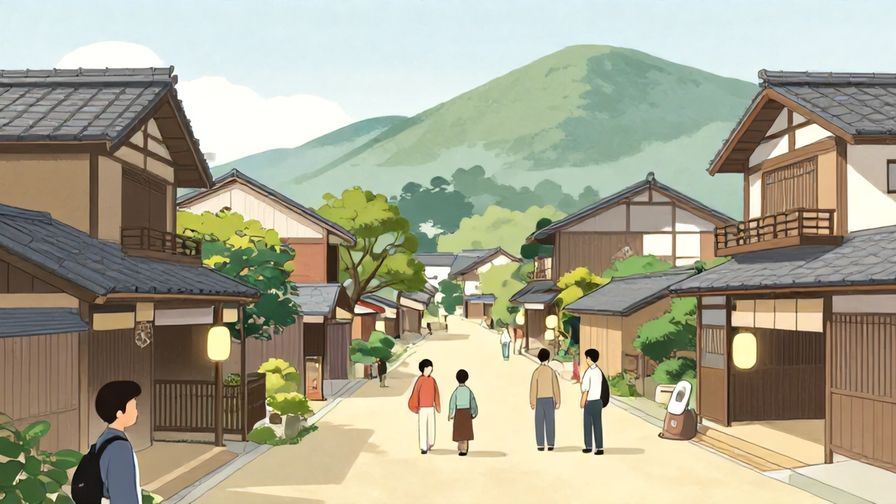
Japanese society often values harmony and conformity, which is why phrases about “not standing out” are common.
This cultural backdrop makes these expressions especially meaningful, reflecting the importance of fitting in.
Learning these phrases also gives you insight into the social nuances beyond just vocabulary.
Sometimes, consulting a Japanese culture book can deepen your understanding of why these phrases exist.
Once you know the context, it’s easier to use these expressions naturally.
Keep this cultural lens in mind as you move through the list.
Part 1: Casual Suggestions
1. 出る釘は打たれる (Deru kugi wa utareru) – “The nail that sticks out gets hammered down.”
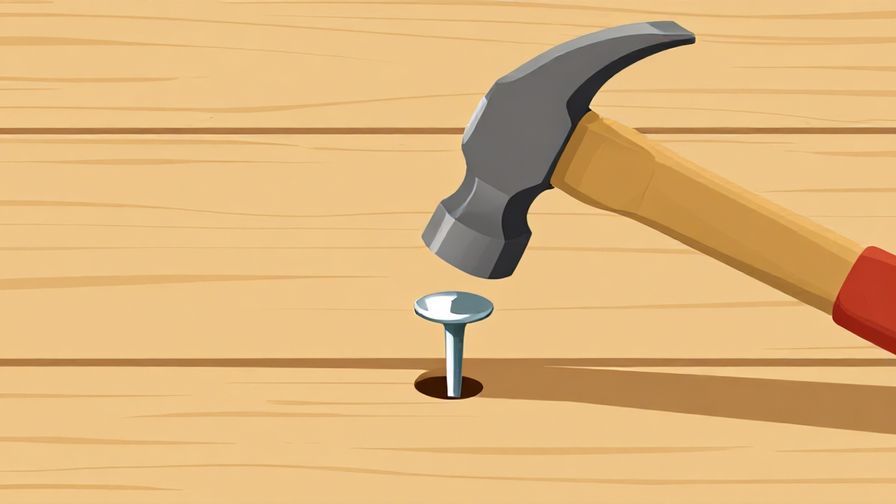
This is the most direct and classic way to say the phrase in Japanese.
“出る (Deru)” means “to stick out,” “釘 (kugi)” is “nail,” and “打たれる (utareru)” means “to get hammered or hit.” Together, it paints the exact picture.
It’s commonly used when talking about someone who stands out and faces criticism or pressure.
Memorize this one first—it’s a cornerstone phrase in Japanese culture.
Related phrases often talk about social conformity or group harmony.
Using this phrase appropriately shows you understand a key Japanese social value.
2. 和を乱す者は嫌われる (Wa o midasu mono wa kirawareru) – “Those who disturb harmony are disliked.”
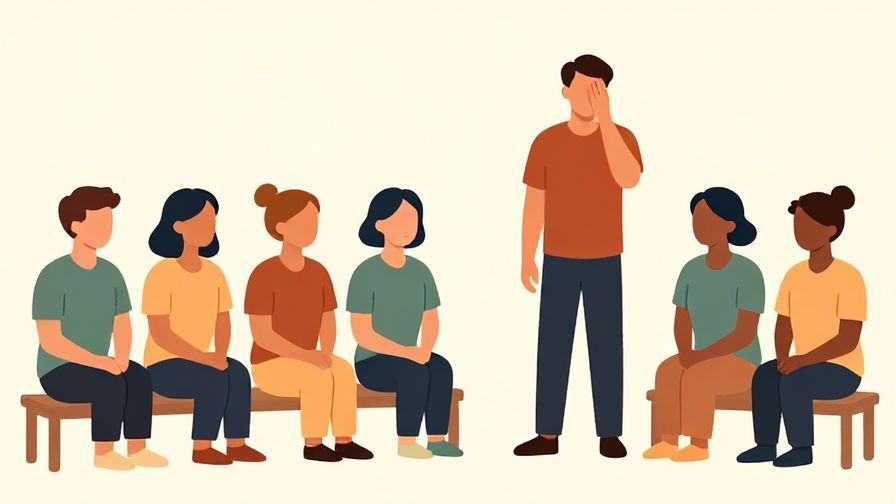
This phrase focuses on the idea that breaking harmony isn’t welcomed.
“和 (Wa)” means “harmony,” “乱す (midasu)” means “to disturb,” “者 (mono)” means “person,” and “嫌われる (kirawareru)” means “to be disliked.”
It’s a softer, more socially oriented way to express the idea of “being hammered down.”
Use it when talking about group dynamics or social expectations.
Be careful not to confuse it with phrases that praise individuality.
This is great for understanding social pressure in Japanese culture.
3. 目立つと叩かれる (Medatsu to tatakareru) – “If you stand out, you’ll get hit.”
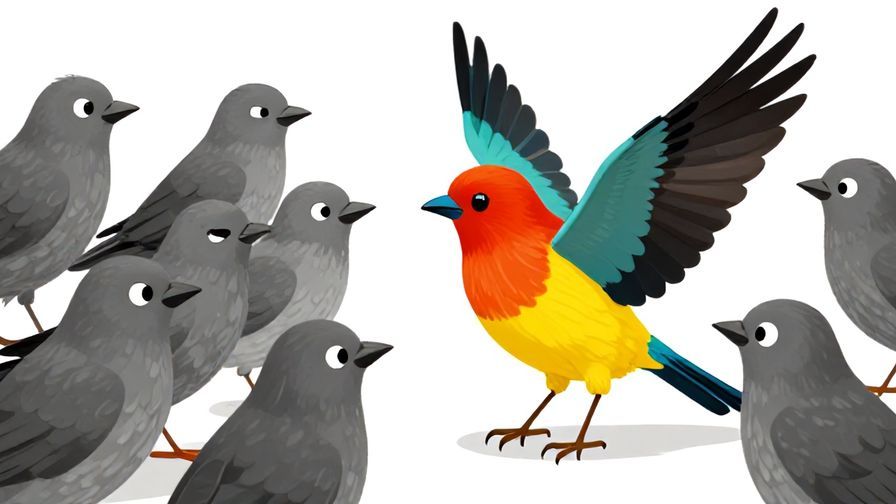
“目立つ (Medatsu)” means “to stand out,” and “叩かれる (tatakareru)” means “to be hit or criticized.”
This phrase is more casual and often used in everyday conversations.
It’s easy to remember because it uses simple verbs that appear commonly in Japanese.
Try to use it when explaining social pressure in less formal settings.
Avoid overusing it in polite conversations, as it can sound blunt.
It’s a handy phrase to sound natural when discussing social conformity.
4. 個性は時に敵になる (Kosei wa toki ni teki ni naru) – “Individuality sometimes becomes the enemy.”

“個性 (Kosei)” means “individuality,” “時に (toki ni)” means “sometimes,” and “敵 (teki)” means “enemy.”
This phrase captures the downside of standing out in a poetic way.
It’s useful when you want to sound a bit more reflective or philosophical.
Remember this when discussing the balance between fitting in and being yourself.
It’s less common but very meaningful in conversations about social challenges.
Practice it by pairing it with stories or examples of social pressure.
5. 目立つ釘は打たれる (Medatsu kugi wa utareru) – “The nail that stands out gets hammered.”
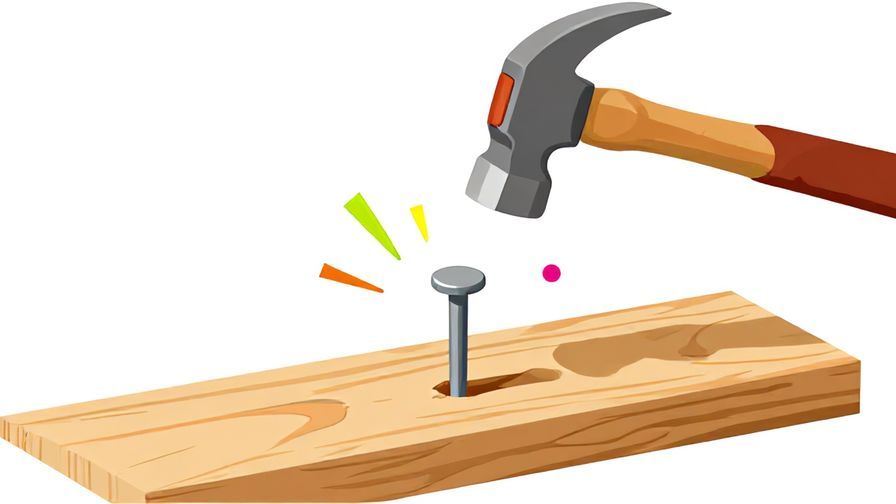
This one’s a slightly different take on the first phrase, using “目立つ” (medatsu, “stand out”) instead of “出る” (deru, “stick out”).
It’s a straightforward, easy-to-remember variation.
Useful when you want to emphasize the act of standing out visually or socially.
Try swapping it in conversation to sound more natural.
It’s a subtle shift but makes a big difference in tone.
Great for learners who want to expand their phrase toolkit around this concept.
6. 皆と違うと目立つ (Minna to chigau to medatsu) – “When you’re different from everyone, you stand out.”

This phrase highlights the reason why someone might “get hammered down”—because they differ from the group.
“皆 (Minna)” means “everyone,” “違う (chigau)” means “different,” and “目立つ (medatsu)” means “stand out.”
It’s great for explaining social dynamics simply.
Use it when describing why standing out can be risky in Japan.
Keep it casual and easy to slip into conversation.
It’s a practical phrase for learners focused on social topics.
7. 周りと合わせる (Mawari to awaseru) – “To match/fit in with those around you.”
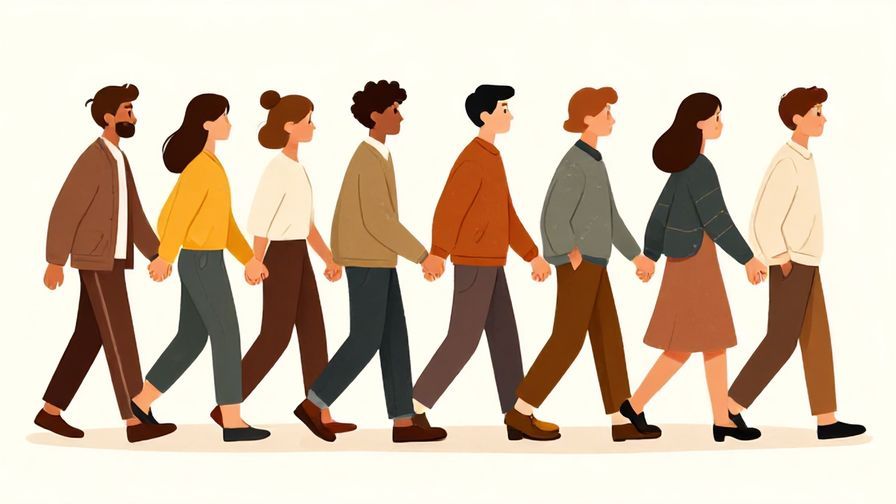
Though this phrase is about fitting in, it’s an important flip side to the nail proverb.
“周り (Mawari)” means “surroundings” or “people around,” and “合わせる (awaseru)” means “to match.”
Use it to express the positive side of conformity.
It’s a phrase that shows understanding of social harmony.
Good for discussing how to avoid “getting hammered down.”
Practice it by observing how people blend in socially.
8. 目立ちすぎるとよくない (Medachi sugiru to yokunai) – “It’s not good to stand out too much.”

This is a gentle, conversational way to warn someone against standing out.
“目立ちすぎる (medachi sugiru)” means “to stand out too much,” and “よくない (yokunai)” means “not good.”
It’s casual and commonly heard in friendly advice.
Use it when you want to sound caring or cautious.
Great for daily conversation practice.
Try saying it when discussing social behavior with friends.
Part 2: Polite & Formal Suggestions
9. 個人主義は時に問題を引き起こす (Kojin shugi wa toki ni mondai o hikiokosu) – “Individualism sometimes causes problems.”

This phrase is perfect for formal settings or writing.
“個人主義 (Kojin shugi)” means “individualism,” “問題 (mondai)” means “problem,” and “引き起こす (hikiokosu)” means “to cause.”
It’s a diplomatic way to express the risk of standing out too much.
Use it in business or academic contexts.
It’s a bit longer but sounds respectful and thoughtful.
Practice by discussing social topics formally.
10. 集団の調和を乱すと非難される (Shūdan no chōwa o midasu to hinan sareru) – “Disturbing group harmony results in criticism.”

This phrase is a polite and formal way to convey social consequences.
“集団 (Shūdan)” means “group,” “調和 (chōwa)” is “harmony,” and “非難される (hinan sareru)” means “to be criticized.”
It’s ideal for speeches or professional writing.
Use it to explain how social order is maintained.
It’s a bit complex but shows deep understanding.
Try it in essays or formal discussions about culture.
11. 個性を抑えることが求められる (Kosei o osaeru koto ga motomerareru) – “You are expected to suppress individuality.”

This expression explains social expectation politely.
“個性 (Kosei)” means “individuality,” “抑える (osaeru)” means “to suppress,” and “求められる (motomerareru)” means “to be expected.”
It’s a gentle but clear way to discuss pressure to conform.
Use it in formal conversations or writing.
It highlights societal norms without sounding harsh.
Great for learners aiming for fluent, polite Japanese.
12. 目立つことは避けるべきだ (Medatsu koto wa sakeru beki da) – “You should avoid standing out.”

This phrase offers polite advice.
“目立つこと (Medatsu koto)” means “the act of standing out,” “避ける (sakeru)” means “to avoid,” and “べきだ (beki da)” means “should.”
It’s concise and clear for formal or semi-formal use.
Use it when giving recommendations or warnings politely.
It’s easy to remember and sounds natural.
Practice in polite conversation or emails.
13. 過度な自己主張は控えめに (Kado na jikoshuchō wa hikaeme ni) – “Excessive self-assertion should be restrained.”

Focuses on the idea of holding back too much self-expression.
“過度な (Kado na)” means “excessive,” “自己主張 (jikoshuchō)” means “self-assertion,” and “控えめに (hikaeme ni)” means “moderately” or “restrained.”
It’s formal and thoughtful, perfect for serious discussions.
Use it to advise balance in behavior.
Sounds polished and sophisticated.
Try it in essays or presentations.
14. 集団内の和を尊重する (Shūdan-nai no wa o sonchō suru) – “Respect harmony within the group.”
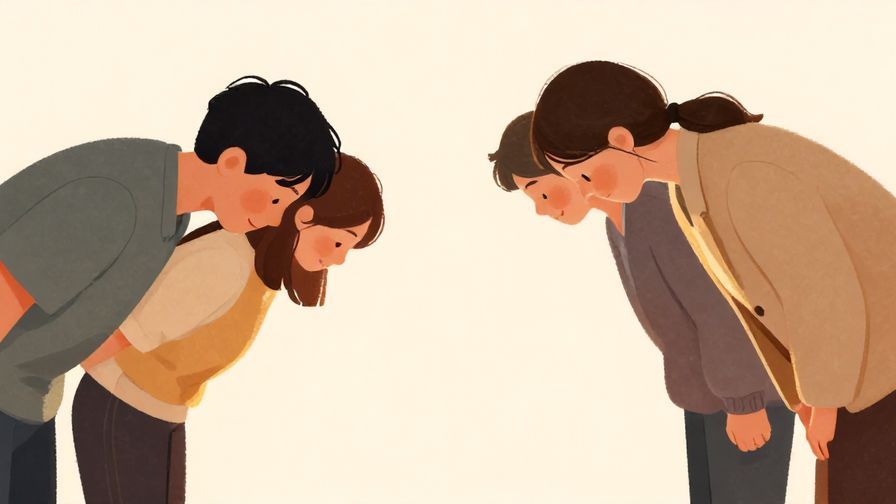
A polite, positive way to express the value of social harmony.
“集団内 (Shūdan-nai)” means “within the group,” “和 (wa)” is “harmony,” and “尊重する (sonchō suru)” means “to respect.”
Use it in formal settings to emphasize respect and group cohesion.
It sounds very respectful and appropriate.
Good for speeches or cultural explanations.
Practice by reflecting on teamwork and cooperation contexts.
15. 他者と調和することが大切 (Tasha to chōwa suru koto ga taisetsu) – “It’s important to harmonize with others.”

This phrase emphasizes the positive value of blending in.
“他者 (Tasha)” means “others,” “調和する (chōwa suru)” means “to harmonize,” and “大切 (taisetsu)” means “important.”
Great for polite conversation or writing about social values.
Use it to encourage cooperation and mutual respect.
Sounds warm and constructive.
Perfect for learners to show cultural sensitivity.
16. 個人よりも集団が優先される傾向がある (Kojin yori mo shūdan ga yūsen sareru keikō ga aru) – “The group tends to be prioritized over the individual.”
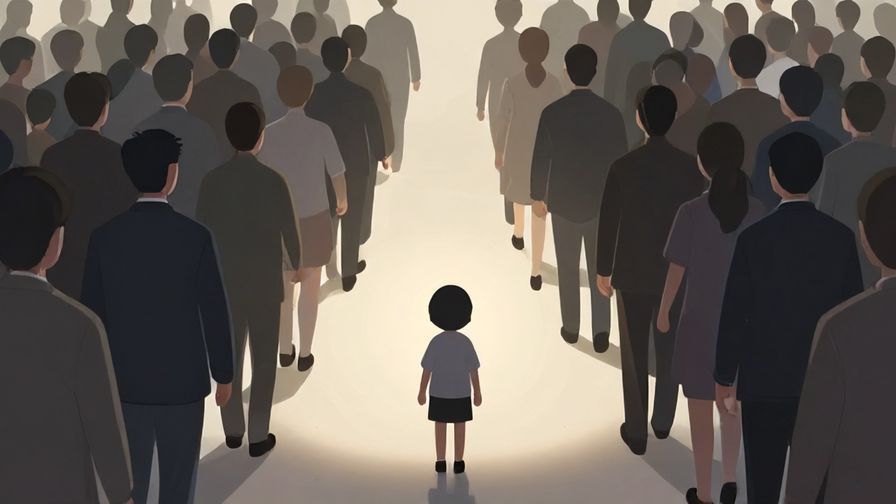
This phrase explains a key cultural tendency in formal language.
“個人 (Kojin)” means “individual,” “集団 (Shūdan)” means “group,” “優先される (yūsen sareru)” means “to be prioritized,” and “傾向 (keikō)” means “tendency.”
Use it for academic or formal discussion about Japanese society.
It sounds informative and objective.
Try this when explaining cultural differences.
It’s a longer phrase but very useful for deep conversations.
Part 3: Very Casual / Native-like Expressions
17. 出る杭は打たれるってさ (Deru kui wa utareru tte sa) – “They say the nail that sticks out gets hammered down.”

This is a casual, conversational way to quote the proverb.
Adding “ってさ (tte sa)” makes it sound like you’re sharing common knowledge or gossip.
It’s perfect for chatting with friends.
Use it to sound natural and relaxed.
Try adding it to casual conversations about social pressure.
It’s a phrase that native speakers often use informally.
18. 目立ちすぎるとやばいよね (Medachi sugiru to yabai yo ne) – “Standing out too much is bad, right?”

This phrase uses casual slang to express social risk.
“やばい (Yabai)” is slang for “bad” or “dangerous,” very common in informal speech.
“よね (yo ne)” adds a tag for confirmation or agreement.
Great for sounding like a native speaker in casual chats.
Use it with friends or younger people.
It’s easy to remember and very colloquial.
19. 一歩引くのが無難だよ (Ippo hiku no ga bundan da yo) – “Stepping back one step is the safe bet.”

A casual way to advise caution.
“一歩引く (Ippo hiku)” means “to step back,” and “無難 (bundan)” means “safe” or “safe bet.”
It’s a practical phrase often used in everyday advice.
Use it when suggesting someone not to draw too much attention.
Sounds caring and wise in casual talk.
Try it in conversations about social situations.
20. 目立つと面倒になるからさ (Medatsu to mendō ni naru kara sa) – “Standing out causes trouble, you know.”
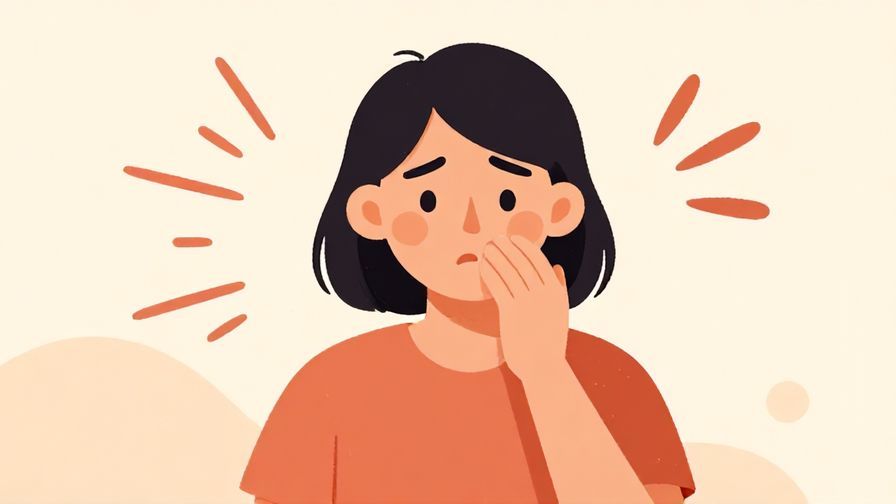
This phrase casually explains the downside of standing out.
“面倒になる (mendō ni naru)” means “to become troublesome.”
“からさ (kara sa)” adds a casual explanatory tone.
Great for friendly warnings or sharing opinions.
Easy to use in daily conversations.
It sounds relatable and native-like.
21. 目立つやつはだいたい嫌われる (Medatsu yatsu wa daitai kirawareru) – “People who stand out usually get disliked.”

This is a blunt, casual expression.
“やつ (yatsu)” is a casual, somewhat rough way to say “person.”
“だいたい (daitai)” means “mostly” or “usually.”
Use it when being straightforward with friends.
It’s informal and can sound a bit harsh, so use carefully.
Great for understanding native casual tone.
22. みんなと違うと浮くんだよね (Minna to chigau to ukun da yo ne) – “If you’re different, you’re gonna stick out.”

This phrase expresses social isolation casually.
“浮く (uku)” literally means “to float,” but here it means “to stick out or be isolated.”
“だよね (da yo ne)” adds soft agreement or empathy.
Use this to sound friendly and understanding.
It’s commonly used in everyday speech.
Try it when talking about social awkwardness or fitting in.
Concluding Thought
Exploring these 22 ways to say “The nail that sticks out gets hammered down” in Japanese reveals how rich and nuanced the language is.
Each phrase reflects a different angle on social harmony, individuality, and the balance between standing out and fitting in.
Keep practicing and using these expressions, and you’ll gain a deeper understanding of both the language and the culture behind it.