22 Japanese ways to say “The best revenge is living well”
We all know the feeling: someone wrongs us, and we want to get back at them. But the smartest move? Just live well.
There’s a beautiful wisdom in the saying “The best revenge is living well.” It’s about focusing on your own happiness instead of holding onto grudges.
Japanese culture has many ways to express this idea, each with its own nuance and charm.
Today, we’re diving into 22 Japanese phrases that capture this sentiment perfectly — warm, relatable, and easy to use.
Learning these phrases not only boosts your Japanese skills but also gives you a fresh perspective on handling tough emotions.
Ready to explore? Let’s start living well, one phrase at a time.
Understanding the Core Idea
At its heart, “The best revenge is living well” means your happiest self is the ultimate comeback.
Japanese expressions often focus on personal growth, peace, and quiet confidence rather than confrontation.
These phrases will help you sound natural and thoughtful when discussing this concept.
Sometimes, starting with a good book on Japanese culture can deepen your understanding and appreciation.
Knowing the culture behind the words makes the phrases more meaningful.
And when you speak from the heart, it always shines through.
Part 1: Casual Suggestions
1. よく生きるのが一番の復讐 (Yoku ikiru no ga ichiban no fukushū) – “Living well is the best revenge.”
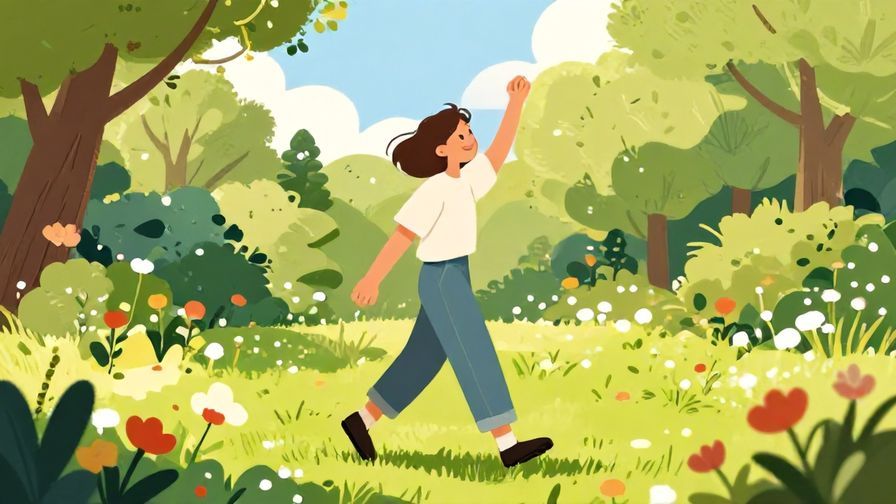
This is the most direct way to say “the best revenge is living well” in Japanese.
“よく生きる” (Yoku ikiru) means “to live well,” “一番” (ichiban) is “the best,” and “復讐” (fukushū) means “revenge.”
It’s easy to remember by focusing on “よく生きる” as your goal.
Using this phrase shows you understand the classic sentiment clearly.
You might also hear “復讐はしない” (fukushū wa shinai) meaning “I don’t seek revenge,” which pairs well with this.
Keep this phrase handy whenever you want to express graceful strength.
2. 幸せになるのが一番 (Shiawase ni naru no ga ichiban) – “Becoming happy is the best.”

This phrase focuses on happiness as the ultimate goal after hardship.
“幸せになる” (shiawase ni naru) means “to become happy,” and “一番” (ichiban) means “the best.”
It’s a simple mindset shift: instead of revenge, choose joy.
Make sure not to confuse “幸せ” (shiawase) meaning happiness with “幸運” (kōun), which means luck.
Try saying this when encouraging a friend who’s moved past a tough situation.
It’s a warm, uplifting expression that fits many moments.
3. 人のことは気にしないで、自分の人生を楽しめ (Hito no koto wa ki ni shinaide, jibun no jinsei o tanoshime) – “Don’t worry about others; enjoy your own life.”

This is a casual, everyday way to say focus on yourself and your happiness.
“気にしないで” (ki ni shinaide) means “don’t worry,” “自分の人生” (jibun no jinsei) means “your own life,” and “楽しめ” (tanoshime) is the imperative form of “enjoy.”
It’s a friendly reminder to not get bogged down by others’ actions.
Perfect for conversations with close friends or family.
The phrase encourages self-care without sounding harsh.
Use it to lift someone’s spirits or to boost your own mindset.
4. 笑って生きるのが一番 (Waratte ikiru no ga ichiban) – “Living with a smile is the best.”
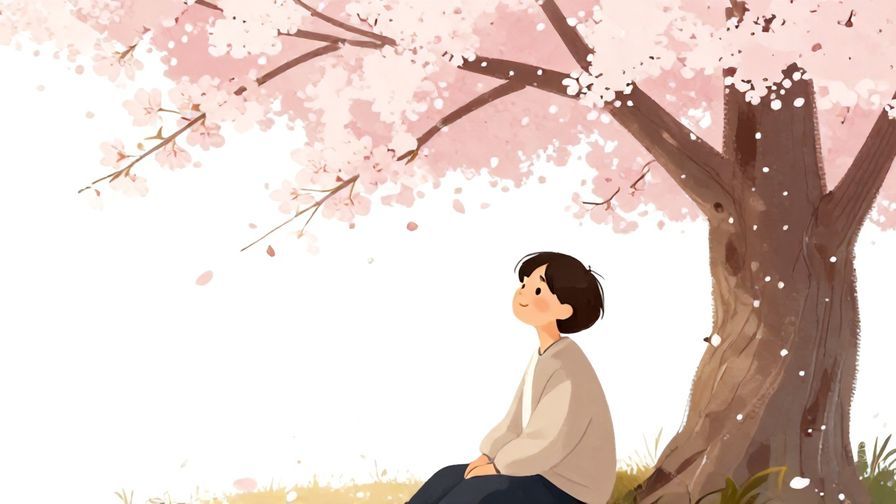
This phrase highlights joy and positivity as your best response.
“笑って” (waratte) means “smile” or “laugh,” and “生きる” (ikiru) is “to live.”
“一番” (ichiban) means “the best” — so it’s all about smiling through life.
It’s easy to say and carries a lighthearted tone.
Great to use when you want to emphasize optimism as strength.
Try pairing it with a cheerful tone to spread good vibes.
5. 悲しみを力に変える (Kanashimi o chikara ni kaeru) – “Turn sadness into strength.”

This expression is about transforming negative feelings into personal power.
“悲しみ” (kanashimi) means “sadness,” “力” (chikara) means “strength,” and “変える” (kaeru) means “to change.”
It’s a hopeful phrase that encourages growth after pain.
Use it to inspire yourself or others going through tough times.
Remember, it’s about active transformation, not just passive acceptance.
It’s a powerful mindset for turning things around.
6. 自分らしく生きる (Jibun rashiku ikiru) – “Live true to yourself.”
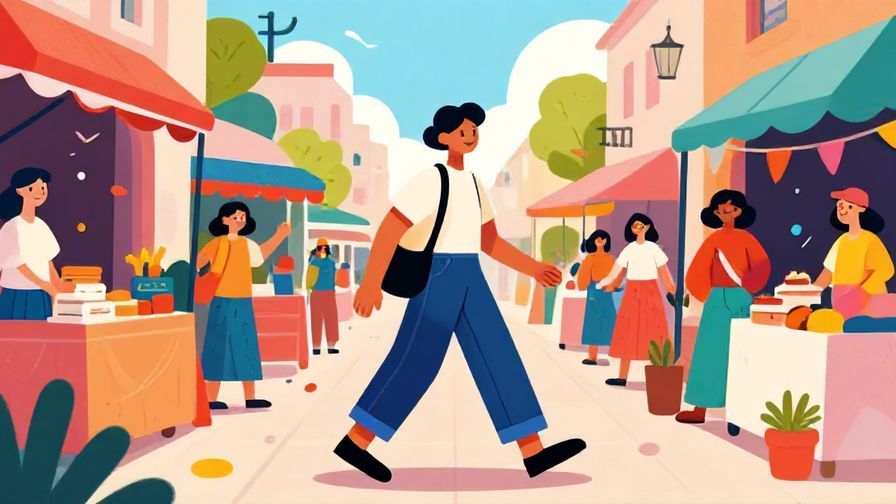
This phrase encourages authenticity as the best path forward.
“自分らしく” (jibun rashiku) means “in one’s own style” or “true to oneself,” and “生きる” (ikiru) means “to live.”
It’s simple but deep advice for anyone feeling pressured by others.
Use it when you want to remind yourself or friends to stay genuine.
It’s one of those phrases that feels empowering every time you say it.
Living well means living your truth.
7. 前を向いて進もう (Mae o muite susumō) – “Let’s face forward and move on.”
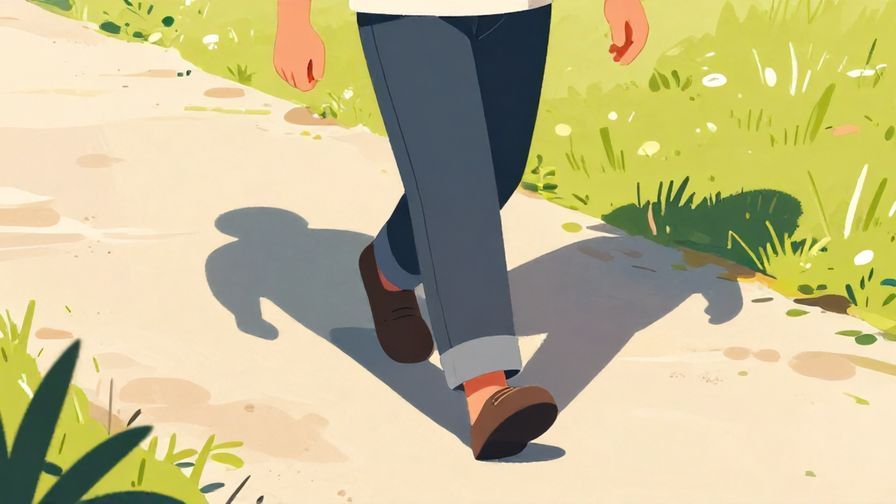
This is a motivational phrase about moving forward positively.
“前を向いて” (mae o muite) means “face forward,” and “進もう” (susumō) is the volitional form of “to move forward.”
It’s casual yet encouraging and easy to say.
Great for moments when you or someone else needs a gentle push.
Avoid using it in overly formal situations, as it’s more friendly in tone.
It’s perfect for daily motivation and staying focused on the future.
8. 自分の幸せを大切にする (Jibun no shiawase o taisetsu ni suru) – “Cherish your own happiness.”
This phrase is about valuing your own well-being above all.
“大切にする” (taisetsu ni suru) means “to cherish” or “to value.”
It’s a gentle reminder to prioritize your happiness.
Use it often as a self-care mantra.
Being kind to yourself is the best kind of “revenge.”
It’s also useful when talking about personal boundaries.
Part 2: Polite & Formal Suggestions
9. 最良の復讐は幸福に生きることです (Sairyō no fukushū wa kōfuku ni ikiru koto desu) – “The best revenge is to live happily.”
This is a very polite, formal way to express the idea.
“最良” (sairyō) means “the best,” “復讐” (fukushū) is “revenge,” and “幸福に生きることです” (kōfuku ni ikiru koto desu) means “to live happily.”
Perfect for writing or formal speeches.
It’s a respectful phrase that sounds wise and composed.
Try it in professional emails or when sharing thoughtful advice.
It shows maturity and a calm outlook on life’s challenges.
10. 過去を振り返らず未来に向かう (Kako o furikaerazu mirai ni mukau) – “Don’t look back at the past; face the future.”

This phrase is formal and reflective, suitable for speeches or thoughtful writing.
“過去” (kako) means “past,” “振り返らず” (furikaerazu) means “without looking back,” and “未来に向かう” (mirai ni mukau) means “face the future.”
It’s a strong encouragement to move forward constructively.
Be careful to use it where the tone fits — it’s not casual.
Great for letters or formal conversations about growth.
It pairs well with phrases about resilience and hope.
11. 苦しみを乗り越えて輝く (Kurushimi o norikoete kagayaku) – “Overcome suffering and shine.”

This phrase is poetic and formal, expressing triumph over hardship.
“苦しみ” (kurushimi) means “suffering,” “乗り越えて” (norikoete) means “overcome,” and “輝く” (kagayaku) means “shine.”
It’s inspiring and used in literature or motivational talks.
Use this phrase to encourage perseverance politely.
It’s a beautiful way to express resilience with grace.
Perfect for heartfelt speeches or writing.
12. 自己成長こそ最良の復讐です (Jiko seichō koso sairyō no fukushū desu) – “Self-growth is indeed the best revenge.”

This formal phrase emphasizes personal growth as revenge.
“自己成長” (jiko seichō) means “self-growth,” “こそ” (koso) emphasizes the subject, and “最良の復讐” (sairyō no fukushū) means “best revenge.”
It’s great for professional contexts or serious discussions.
Be sure to use polite endings like “です” (desu) for respect.
It shows maturity and a positive mindset.
Use it when discussing goals or life philosophy.
13. 他人の評価に左右されない (Tanin no hyōka ni sayū sarenai) – “Don’t be swayed by others’ opinions.”
This phrase advises emotional independence.
“他人” (tanin) means “others,” “評価” (hyōka) means “evaluation/opinion,” and “左右されない” (sayū sarenai) means “not be swayed.”
It’s a mature perspective on ignoring negativity.
Use this phrase politely in conversations about self-confidence.
It reminds you to stay grounded despite outside chatter.
Essential advice for anyone seeking peace.
14. 自分の幸せを追求することが最善の道です (Jibun no shiawase o tsuikyū suru koto ga saizen no michi desu) – “Pursuing your own happiness is the best path.”
This full sentence is great for formal advice or writing.
“追求する” (tsuikyū suru) means “to pursue,” “最善の道” (saizen no michi) means “best path.”
It’s a positive, encouraging phrase about life choices.
Use it when discussing goals or giving thoughtful guidance.
It’s a phrase full of hope and encouragement.
Try it in formal letters or speeches.
15. 心の平和が真の勝利です (Kokoro no heiwa ga shin no shōri desu) – “Peace of mind is the true victory.”
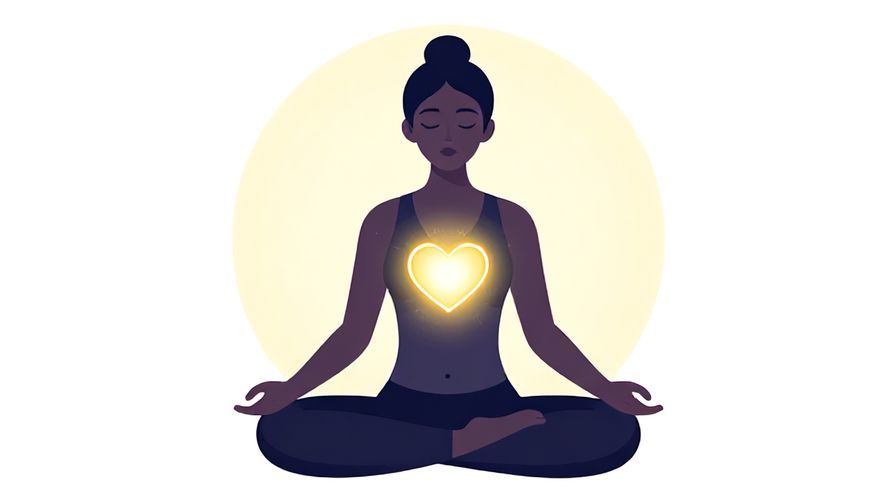
This phrase values inner peace over revenge.
“心の平和” (kokoro no heiwa) means “peace of mind,” “真の勝利” (shin no shōri) means “true victory.”
It’s a calm, wise phrase perfect for formal or spiritual contexts.
Use it to highlight tranquility as the ultimate success.
It’s a beautiful way to express emotional maturity.
Keep it in your vocabulary for deep conversations.
16. 忍耐強く生きることが成功の鍵です (Nintai tsuyoku ikiru koto ga seikō no kagi desu) – “Living with patience is the key to success.”
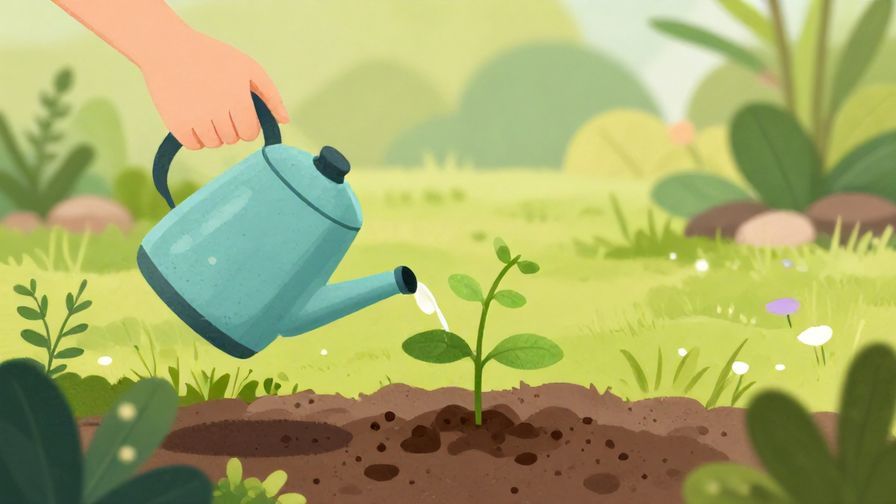
This phrase links patience with success, a polite way to express perseverance.
“忍耐強く” (nintai tsuyoku) means “patiently,” “成功の鍵” (seikō no kagi) means “key to success.”
It’s formal and encouraging.
Use it in professional or personal growth conversations.
It’s a reminder that slow and steady wins the race.
Perfect for speeches or advice to colleagues.
Part 3: Very Casual / Native-like Expressions
17. 復讐なんてどうでもいい、楽しもうよ (Fukushū nante dō demo ii, tanoshimō yo) – “Revenge doesn’t matter, let’s have fun.”

This is a laid-back, native way to dismiss revenge and focus on fun.
“復讐なんてどうでもいい” (fukushū nante dō demo ii) means “Revenge doesn’t matter,” and “楽しもうよ” (tanoshimō yo) is “let’s enjoy.”
It sounds natural among close friends.
Use it to lighten the mood or change the subject.
Be mindful it’s informal and casual.
Great for everyday chats when you want to keep things positive.
18. 気にしないで、自分のペースでいこう (Ki ni shinaide, jibun no pēsu de ikō) – “Don’t worry, go at your own pace.”
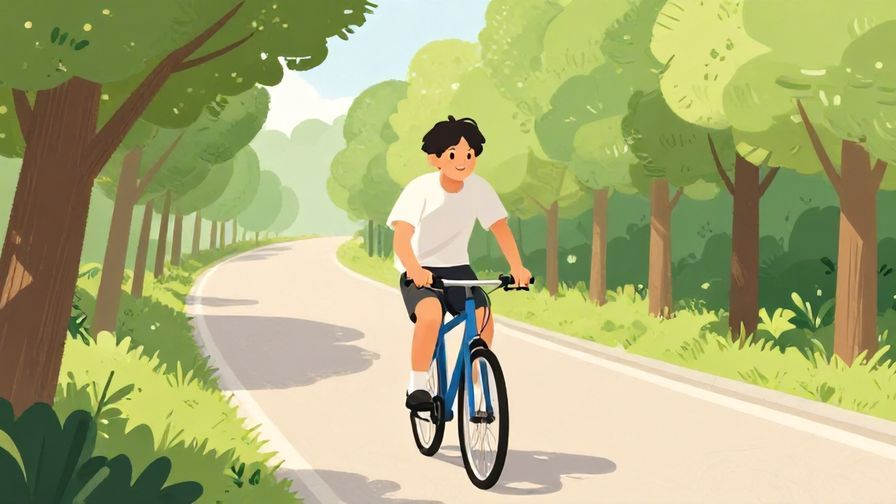
This phrase is casual and comforting.
“気にしないで” (ki ni shinaide) means “don’t worry,” “自分のペースで” (jibun no pēsu de) means “at your own pace,” and “いこう” (ikō) means “let’s go.”
It encourages self-acceptance and patience.
Perfect for friends or informal advice.
It’s a gentle nudge to relax and keep moving.
Use it often for stress relief conversations.
19. そんなことより、自分の幸せを考えよう (Sonna koto yori, jibun no shiawase o kangaeyō) – “Rather than that, let’s think about our own happiness.”

This phrase casually shifts focus from negativity to happiness.
“そんなことより” (sonna koto yori) means “rather than that,” and “考えよう” (kangaeyō) means “let’s think.”
It’s friendly and easy to say.
Use it to change a negative conversation.
It’s a soft way to encourage positive thinking.
Great for casual talks with friends.
20. 復讐なんて時間の無駄だよ (Fukushū nante jikan no muda da yo) – “Revenge is just a waste of time.”
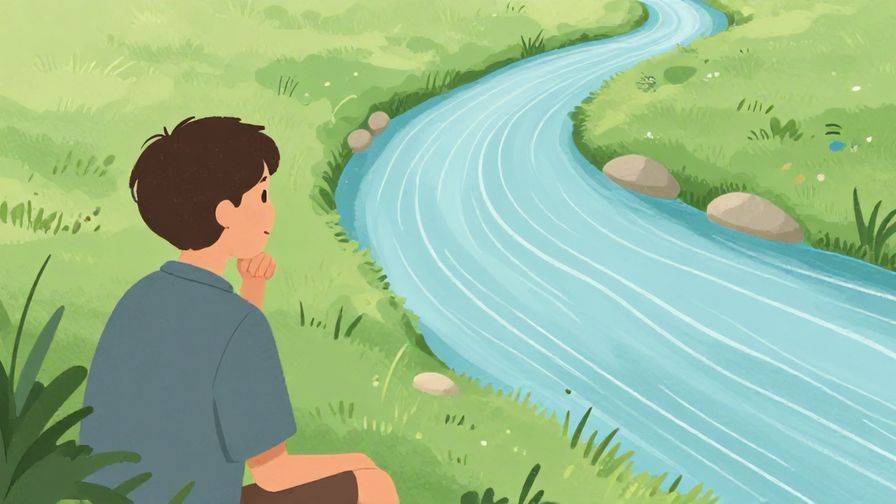
This phrase is a blunt but casual way to say revenge isn’t worth it.
“時間の無駄” (jikan no muda) means “waste of time.”
It’s straightforward and commonly used by young people.
Use it to express frustration with grudges simply.
Be careful as it’s informal and direct.
It’s a quick way to remind yourself or others to move on.
21. 自分の人生を楽しむのが一番だよ (Jibun no jinsei o tanoshimu no ga ichiban da yo) – “Enjoying your own life is the best.”

This is a warm, casual way to say living happily is the best revenge.
“楽しむ” (tanoshimu) means “to enjoy,” and “一番だよ” (ichiban da yo) adds friendly emphasis.
It’s perfect for everyday conversations with friends.
Use it to cheer someone on or remind yourself to focus on joy.
It’s an uplifting phrase that feels natural.
Keep it in your casual speech toolbox.
22. 笑顔でいることが最高の復讐だよ (Egao de iru koto ga saikō no fukushū da yo) – “Being with a smile is the best revenge.”

This phrase focuses on smiling as the ultimate comeback.
“笑顔” (egao) means “smile,” “最高の復讐” (saikō no fukushū) means “best revenge.”
The casual “だよ” (da yo) makes it friendly and encouraging.
Use it to inspire positivity in tough times.
It’s a beautiful, native-like expression.
Perfect for casual chats and personal mantras.
Concluding Thought
Exploring these 22 Japanese ways to say “The best revenge is living well” shows us how universal this wisdom is.
From casual chats to formal speeches, Japanese offers nuanced ways to express strength through happiness and growth.
Next time life throws a curveball, remember: your best response is to live your best life, with a smile and peace in your heart.