22 Japanese ways to say “That’s incredible”
There are countless ways to express amazement in Japanese, and it’s such a fun language to explore. Whether you want to say “That’s incredible” in a casual chat or a more formal setting, you’ve got options!
Imagine the sparkle in someone’s eyes when you surprise them with a perfect phrase that fits just right. It’s like opening a tiny door to deeper connection.
Japanese offers a rich variety of expressions, from simple words to slang, each carrying its own unique flavor of excitement and wonder.
Mastering these phrases not only boosts your language skills but also makes your conversations more lively and authentic.
Plus, it’s enjoyable to see how different phrases highlight various shades of amazement—from awe and admiration to shock and delight.
Ready to dive into 22 wonderful ways to say “That’s incredible” in Japanese? Let’s get started!
Getting Started with Expressing Amazement
Before we jump into the list, it’s good to understand the basics of expressing amazement in Japanese. Most phrases revolve around feelings of surprise, admiration, or awe.
Some are super casual, perfect for chatting with friends, while others are polite enough for work or formal conversations. Knowing which to use when really helps you sound natural.
Also, many expressions combine simple adjectives or verbs with some common particles that add emphasis or soften the tone.
If you want a great overview, a Japanese expressions phrasebook can be a fantastic companion to explore these phrases even further.
Now, let’s break down the different types of expressions, starting with casual and easy-going ones you’ll hear among friends.
These will build your confidence and get you ready for more formal or native-like phrases later on.
Part 1: Casual Suggestions
1. すごい!(Sugoi!) – “Amazing!”

This is the go-to word for “That’s incredible” in everyday Japanese. It’s simple and packs a punch!
Sugoi (すごい) literally translates to “amazing” or “great,” and you can use it whenever something blows your mind. It’s casual but enthusiastic.
Using sugoi often helps you sound friendly and natural, especially with younger people.
It’s one of the first words learners pick up because it’s super versatile and easy to remember.
Related phrases like “すごいね!(Sugoi ne!)” add a little warmth by including “ne,” a particle that invites agreement.
Don’t hesitate to sprinkle this word into your daily Japanese chats—it’s a great confidence booster!
2. びっくりした!(Bikkuri shita!) – “I was surprised!”

This phrase directly expresses surprise, which often implies something incredible just happened.
Bikkuri (びっくり) means “surprise,” and shita (した) is the past tense of “to do,” so it’s like saying “I got surprised.”
It’s casual, great for sharing your genuine reaction with friends or family.
Perfect for moments when you want to emphasize that something truly caught you off guard.
You can soften it by adding “本当に (hontou ni)” meaning “really” before the phrase for extra emphasis.
Try practicing this phrase with recent surprising experiences—it’s super relatable!
3. マジで? (Maji de?) – “Seriously?”

Maji (マジ) means “serious” or “really,” and adding “de” turns it into a question: “Really?” or “Seriously?”
This is a casual and popular slang phrase used among friends to express disbelief or amazement.
It’s a short but powerful way to react when something seems almost too incredible to be true.
Try to pair it with a surprised facial expression for authentic flair!
Be mindful that this phrase is informal, so avoid using it in formal or business settings.
It’s a fun phrase that adds personality to your conversations quickly.
4. めっちゃすごい! (Meccha sugoi!) – “Super amazing!”

Meccha (めっちゃ) is Kansai dialect for “very” or “super,” combined with sugoi, it means “super amazing.”
This phrase brings more energy and excitement than just “sugoi,” making your praise feel extra special.
It’s common in informal speech, especially among younger people in western Japan.
Using regional expressions like meccha can make you sound more native and relatable.
You can try swapping meccha for すごく (sugoku) in standard Japanese to adjust formality.
Give it a try when you want to hype up something truly incredible!
5. 信じられない! (Shinjirarenai!) – “Unbelievable!”

Shinjirarenai means “I can’t believe it” or “unbelievable.” It expresses strong astonishment.
It’s a bit more expressive and emotional than just “sugoi,” making it ideal for serious amazement.
This phrase is a bit formal but still used in casual settings when something defies belief.
It’s great for sharing genuine shock about unexpected or stunning events.
You can see it in TV shows or news when something surprising happens.
Try using it when you hear a jaw-dropping story—it fits perfectly!
6. すごすぎる! (Sugosugiru!) – “That’s too amazing!”

Sugosugiru literally means “too amazing,” combining sugoi and sugiru (to exceed or be too much).
This phrase amps up the amazement, suggesting something is beyond incredible.
It’s casual and very expressive, used when you want to emphasize how wow-worthy something is.
Perfect for enthusiastic reactions to amazing skills, events, or news.
You might hear it in everyday conversation or online comments to hype something up.
Try this one when you want your amazement to stand out boldly!
7. ありえない! (Arienai!) – “No way!”

Arienai means “impossible” or “no way,” a strong way to express disbelief at something incredible.
This phrase is casual and commonly used when something surprises or shocks you beyond belief.
It’s simple and memorable, making it easy to use naturally in conversations.
Be careful not to overuse it—it’s a strong reaction best saved for truly unbelievable moments.
It pairs well with facial expressions like shaking your head or wide eyes.
Great for moments when you want to say “That can’t be true!” in a cool Japanese way.
8. やばい! (Yabai!) – “OMG! / That’s crazy!”

Yabai is a super versatile slang word that can mean “dangerous,” “amazing,” or “crazy,” depending on context.
When used to say “That’s incredible,” it’s casual and shows excitement or shock.
It’s extremely popular among young people, but be cautious in formal settings.
You can use it to react to anything from awesome skills to unexpected news.
Its flexibility makes it a fun word to play with, just watch your tone to match your meaning.
Try it out with friends to sound more natural and spontaneous!
Part 2: Polite & Formal Suggestions
9. 素晴らしい! (Subarashii!) – “Wonderful!”
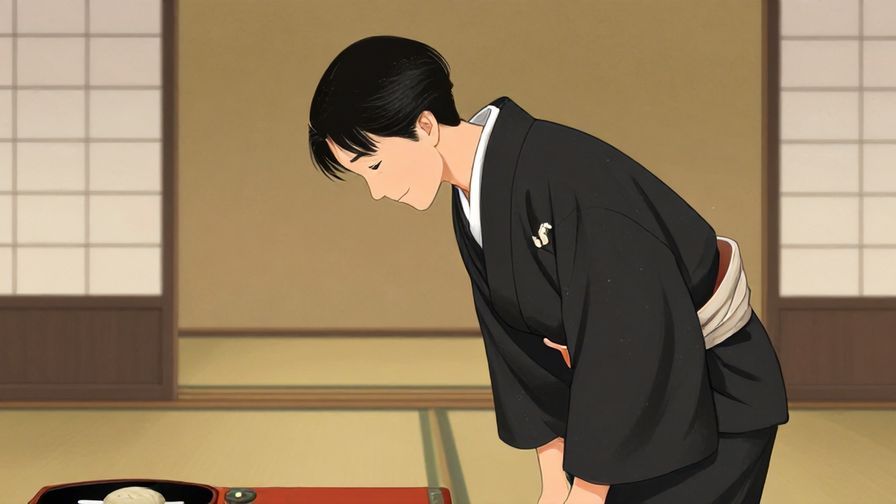
Subarashii means “wonderful” or “magnificent,” a polite way to express that something is incredible.
It’s widely used in formal or respectful conversation, such as with coworkers or elders.
Using this word shows genuine appreciation without sounding too casual.
It’s perfect for praising presentations, performances, or achievements politely.
You’ll often find it in speeches or official events as a compliment.
Keep this one in your polite phrase toolbox for occasions that require respect.
10. 素敵ですね! (Suteki desu ne!) – “That’s lovely/amazing!”

Suteki means “lovely” or “wonderful,” and adding desu ne makes it polite and inviting agreement.
This phrase is gentle and respectful, ideal for formal or semi-formal conversations.
It’s often used to compliment things like art, ideas, or events in a warm way.
Try using it to express admiration politely while keeping your tone friendly.
It helps you sound thoughtful and considerate, perfect for new acquaintances.
Using “desu ne” also encourages the listener to share your positive feelings.
11. 素晴らしいですね! (Subarashii desu ne!) – “That’s wonderful, isn’t it?”
This is a polite and friendly way to express that something is incredible while inviting agreement.
It’s a natural extension of “subarashii” with a softer, more conversational tone.
It’s perfect for work meetings, social events, or anytime you want to sound respectful and warm.
Adding “desu ne” makes your praise feel collaborative and inclusive.
It also shows you’re engaged and interested in the topic or event.
Use it to build rapport and positive vibes in formal interactions.
12. 驚きました! (Odorokimashita!) – “I was amazed!”

Odoroku (驚く) means “to be surprised,” and the polite past form “odorokimashita” expresses “I was amazed.”
This phrase is polite and appropriate in many settings, from business to casual.
It’s a great way to share your impressed reaction respectfully.
It works well for feedback or compliments after presentations or performances.
It’s more formal than “bikkuri shita,” making it versatile.
Practice this to sound appreciative without being too casual or too stiff.
13. 感動しました! (Kandou shimashita!) – “I was deeply moved!”

Kandou means “deeply moved” or “touched,” often used for emotional amazement.
This phrase is polite and expresses heartfelt admiration or awe.
It’s perfect for performances, speeches, or beautiful experiences that move you.
The polite form “shimashita” makes it appropriate for formal conversations.
Using kandou shows you’re emotionally connected to what you’re praising.
This phrase helps you express amazement with a deeper feeling behind it.
14. 本当にすごいですね! (Hontou ni sugoi desu ne!) – “That’s really amazing!”

Hontou ni means “really” or “truly,” adding extra emphasis to sugoi.
This polite phrase is perfect for showing sincere admiration in formal or casual settings.
It sounds genuine and respectful, great for praising efforts or achievements.
Adding “desu ne” invites the listener to agree with your amazement.
It’s a safe and effective phrase to use when you want to be polite but enthusiastic.
Try it for a balanced, heartfelt compliment anyone will appreciate.
15. 見事ですね! (Migoto desu ne!) – “That’s splendid!”

Migoto means “splendid” or “admirable,” a somewhat formal and elegant way to praise something incredible.
It’s polite and often used in contexts like art, nature, or performances.
Adding “desu ne” makes it conversational and inviting.
This phrase is less common but sounds refined and thoughtful.
It’s great for impressing native speakers with your vocabulary.
Use migoto when you want to sound sophisticated and sincere.
16. 驚異的ですね! (Kyouiteki desu ne!) – “That’s phenomenal!”

Kyouiteki means “phenomenal” or “astonishing,” a formal and strong compliment.
This phrase is perfect for praising feats or events that seem almost unreal.
It’s polite and impressive, showing deep admiration.
Adding “desu ne” softens it and invites agreement.
It’s less commonly used but very effective when you want to sound articulate and impressed.
Try adding this to your vocabulary for special occasions.
Part 3: Very Casual / Native-like Expressions
17. まじでやばい! (Maji de yabai!) – “Seriously crazy/amazing!”

This combines “maji de” (seriously) with “yabai” (crazy/amazing) for a high-energy, very casual phrase.
It’s perfect among close friends when something is unbelievably good or wild.
This phrase feels spontaneous and native, with lots of youthful vibe.
Be mindful it’s slang and very informal, so only use it in relaxed settings.
You’ll hear it a lot in Japanese pop culture and social media.
Try it when you want to sound super natural and excited!
18. ほんとにすごいわ! (Hontoni sugoi wa!) – “That’s really amazing!” (female casual)

This phrase is casual and often used by women, with “wa” adding a soft feminine touch.
It’s a heartfelt way to say “really amazing” with personality and warmth.
It’s less formal and more conversational, great for friends or informal chats.
The “wa” particle adds emotion, like a sigh of admiration.
You can swap “wa” for “yo” or “ne” depending on nuance.
Practice this phrase for a natural, feminine style of amazement.
19. やばすぎ! (Yabasugi!) – “That’s too crazy/amazing!”

Yabasugi combines “yabai” with “sugiru” (too much) for “too amazing” in slang.
This phrase is casual, edgy, and very expressive among young people.
It’s great for emphasizing how incredibly amazing something is.
Use it when you want to hype something up with enthusiasm.
Remember, it’s slang—not suited for formal situations.
Fun to use in casual conversations and social media posts.
20. まじで感動した! (Maji de kandou shita!) – “I was seriously moved!”

This phrase blends casual slang “maji de” with the polite “kandou shita” to express deep amazement.
It’s a great way to show sincere emotion in a relaxed but respectful tone.
Perfect when you want to express strong feelings about something beautiful or incredible.
It’s a natural-sounding phrase that fits many contexts.
You can use it with friends or semi-formal occasions.
Practice this to sound heartfelt and genuine in Japanese.
21. めっちゃビックリ! (Meccha bikkuri!) – “Super surprised!”

Meccha means “super,” and bikkuri means “surprised,” so together it’s “super surprised!”
This casual phrase highlights strong amazement and is common in spoken Japanese.
It’s perfect for informal conversations when you want to sound excited and natural.
Try using it to react to unexpected good news or cool surprises.
It’s easy to remember and fun to say aloud.
Great for sounding like a native speaker in daily chats.
22. 最高! (Saikou!) – “The best!” / “Awesome!”

Saikou literally means “the highest” or “the best,” a strong compliment for something incredible.
It’s casual and widely used to express enthusiasm and approval.
You can say it about anything amazing—from food to performances to experiences.
It instantly conveys excitement and satisfaction in a positive way.
Use it with friends or in casual social media posts to sound lively.
It’s a great all-rounder phrase that’s easy and impactful.
Concluding Thought
Exploring these 22 Japanese expressions opens up a whole world of amazement in your conversations. Each phrase carries a unique tone that lets you connect with others on a deeper level.
Whether you’re looking for casual slang or polite compliments, having a variety of ways to say “That’s incredible” makes your Japanese richer and more fun.
Keep practicing and experimenting with these phrases—you’ll be amazed at how quickly you’ll sound more natural and confident. Enjoy your language journey!