22 Japanese ways to say “That’s enough”
When you’re chatting with friends or navigating daily life in Japan, knowing how to say “That’s enough” in different ways can be super handy. Whether you want to politely decline more food, stop a conversation, or just express that something’s reached its limit, there’s a phrase for every vibe.
Japanese offers a colorful variety of expressions for this simple idea, from casual slang to polite formalities. This mix makes it fun to learn and easy to fit in naturally with different social situations.
By exploring these 22 Japanese ways to say “That’s enough,” you’ll add nuance and warmth to your conversations. Plus, it’s a great way to sound more like a native and less like a textbook learner.
Ready to dive in? Let’s discover phrases that can help you say “No more, thanks” with confidence and charm.
And if you want to deepen your journey, pairing these phrases with a solid Japanese language learning book can really boost your understanding and practice.
Let’s get started and see how versatile “That’s enough” can be in Japanese!
Getting Comfortable With “That’s Enough” in Japanese
Before jumping into the phrases, it’s helpful to know that Japanese expressions often depend on the situation and your relationship with the listener.
Some phrases are very casual, great for friends or family. Others are polite or formal, perfect for work or strangers. Knowing when to use which can make your Japanese feel natural and respectful.
Start by practicing the basics and then try mixing in more nuanced expressions as you get confident.
Sometimes, using a great beginner phrasebook can give you a perfect starting point for a cohesive understanding.
With practice, these expressions become second nature, making your Japanese smoother and more relatable.
Remember, the goal is clear communication with a natural touch. Let’s start with some casual suggestions!
Part 1: Casual Suggestions
1. もういい (Mou ii) – “That’s enough.”

This is the simplest and most common way to say “That’s enough” casually.
“もう” (mou) means “already” or “more,” and “いい” (ii) means “good” or “fine.” Together, it implies “No more needed.”
It’s perfect when you want to stop someone from offering more food or help.
Just say it with a friendly tone, and people will get the message immediately.
You might hear “もう大丈夫” (mou daijoubu) too, which means “That’s okay now.”
Use it confidently in everyday situations with friends or family!
2. もう結構です (Mou kekkou desu) – “That’s enough, thank you.”

This phrase is a bit more polite and formal.
“結構” (kekkou) means “enough” or “no thanks,” paired with “もう” (mou) it politely expresses “That’s enough already.”
It’s great for polite refusals at restaurants or with acquaintances.
Keep your tone soft and respectful for the best effect.
A common mistake is sounding too blunt; adding “です” (desu) softens the phrase nicely.
Try it next time someone insists you eat more or take another helping!
3. いい加減にして (Ii kagen ni shite) – “Cut it out / That’s enough!”

This is a casual and somewhat strong phrase used to say “Enough already!”
“いい加減に” (ii kagen ni) means “to a proper degree,” and “して” (shite) is the command form of “do.”
Use it when you want someone to stop doing something annoying or excessive.
It can sound sharp, so use it carefully among close friends or when joking around.
For softer alternatives, try “もうやめて” (mou yamete) meaning “Stop it now.”
It’s a handy phrase for when patience runs out!
4. もうたくさん (Mou takusan) – “Enough already.”

This phrase literally means “already plenty,” and it’s quite casual.
“たくさん” (takusan) means “a lot” or “plenty,” so combined with “もう” it means “That’s plenty now.”
It’s friendly and often used when you’ve had enough food or drink.
It’s less formal than some phrases but perfect for friends and family.
Try pairing it with a smile to keep the tone light and warm.
It’s a great way to express satisfaction and closure!
5. もうやめて (Mou yamete) – “Stop it now.”

Simple and direct, this phrase means “Stop it now.”
“やめて” (yamete) is the imperative form of “to stop,” and with “もう” it adds urgency.
Use it when you want someone to stop an action immediately.
It’s casual but can be softened with tone or body language.
A great phrase for playful teasing or serious moments alike.
Practice it in low-pressure conversations to get comfortable.
6. もういいよ (Mou ii yo) – “That’s enough, okay?”

This phrase is casual and warm, often used among friends.
“いいよ” (ii yo) means “it’s okay” or “fine,” so together it tells someone “Really, it’s enough.”
It has a light, easygoing feel and is great for stopping offers or requests gently.
Adding “よ” (yo) gives a soft emphasis, making it more natural.
It’s perfect for everyday conversations with peers.
Try it next time you want to politely decline more food or favors.
7. もう十分 (Mou juubun) – “That’s sufficient.”

“十分” (juubun) means “enough” or “sufficient,” so this phrase states clearly “That’s enough.”
It’s slightly more formal than casual slang but still friendly.
Use it when you want to express satisfaction with what’s been done or given.
It’s useful in both social and work settings.
Avoid overusing it in very casual settings to keep tone appropriate.
It’s an excellent phrase to express completeness.
8. もう止めて (Mou tomete) – “Please stop now.”

This is a polite yet firm way to ask someone to stop.
“止めて” (tomete) means “stop,” and with “もう” it adds immediacy.
Perfect for situations where you need to end something without sounding rude.
It works well with friends, family, or slightly formal settings.
Mind your tone; a gentle voice makes it sound more like a request than a command.
Use it when you want to maintain harmony while setting limits.
Part 2: Polite & Formal Suggestions
9. これで結構です (Kore de kekkou desu) – “This is enough.”

This is a polite and formal way to express “That’s enough.”
“これで” (kore de) means “with this,” and “結構です” (kekkou desu) means “it’s enough” or “that’s fine.”
Commonly used in business or formal dining situations.
It shows gratitude while politely declining more.
Don’t forget the “です” (desu) to keep the phrase respectful.
Great for professional settings or when meeting new people.
10. もう十分です (Mou juubun desu) – “That’s quite enough.”

This phrase is polite and conveys that you’re satisfied.
Adding “です” (desu) makes it formal and respectful.
It’s ideal for work situations or formal requests.
Make sure your tone matches the polite formality of the phrase.
It can gracefully end offers or discussions.
Use it when you want to sound professional but kind.
11. お腹がいっぱいです (Onaka ga ippai desu) – “I’m full.”

This is a polite, indirect way to say “That’s enough” when it comes to food.
“お腹” (onaka) means “stomach” and “いっぱい” (ippai) means “full.”
It politely signals you can’t eat more without directly refusing.
Often used in dining or social eating contexts.
Adding “です” (desu) keeps it polite.
Works great for avoiding awkward refusals gracefully.
12. もう結構でございます (Mou kekkou de gozaimasu) – “That will be enough.”
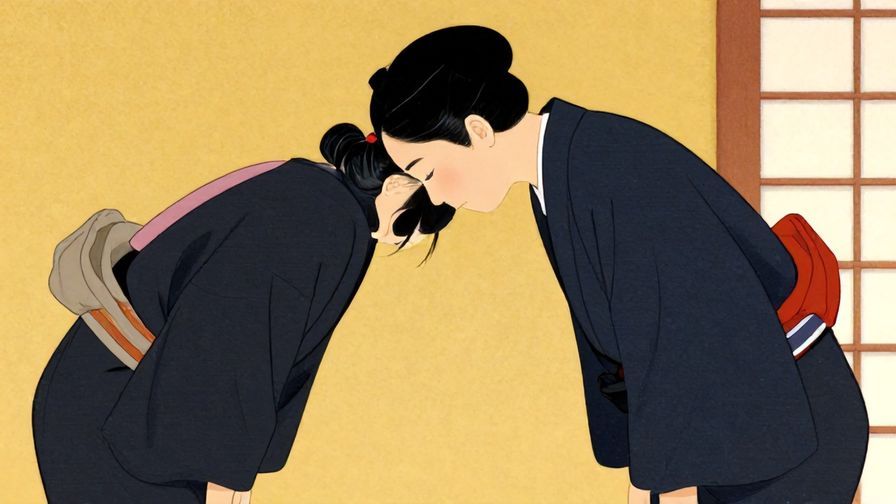
This is a very formal and humble way to say “That’s enough.”
“でございます” (de gozaimasu) is a humble, polite form of “です.”
Use this in highly formal or business contexts.
It’s respectful and shows gratitude.
Be careful to use it only in appropriate settings to avoid sounding overdone.
Perfect for customer service or official conversations.
13. ご遠慮させていただきます (Go enryo sasete itadakimasu) – “I’ll refrain (from more).”
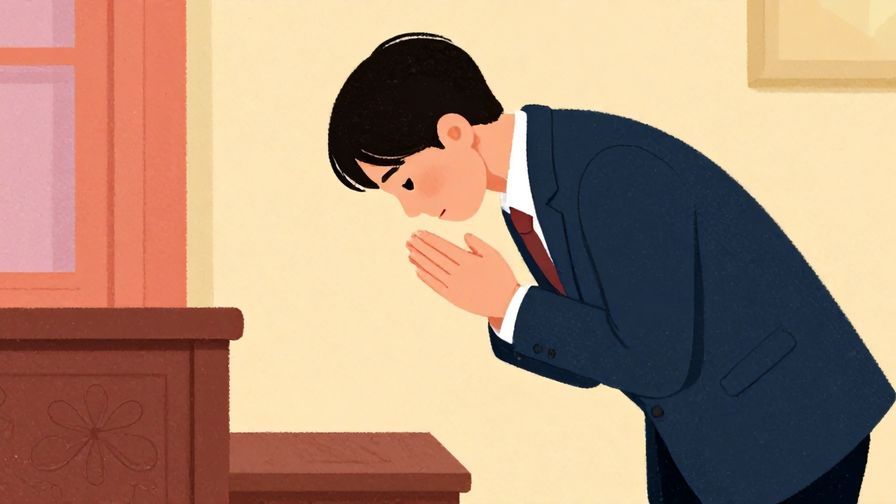
This phrase is very polite and indirect, perfect for refusing offers gracefully.
“ご遠慮” (go enryo) means “restraint” or “refraining,” and “させていただきます” (sasete itadakimasu) is a humble expression meaning “I will do.”
It’s often used in formal invitations or when declining politely.
It avoids blunt refusals and maintains harmony.
Great phrase for business or social events.
Practice it to sound very respectful and considerate.
14. これ以上は結構です (Kore ijou wa kekkou desu) – “No more than this, thanks.”

This phrase politely states “No more than this.”
“これ以上” (kore ijou) means “more than this,” and adding “結構です” (kekkou desu) clearly declines further offers.
It’s useful in formal or semi-formal settings.
Use it when you want to be clear but polite.
It works well for food, help, or favors.
Perfect for maintaining a respectful atmosphere.
15. もう十分いただきました (Mou juubun itadakimashita) – “I have had enough.”

This phrase expresses gratitude and that you’ve had enough.
“いただきました” (itadakimashita) is the polite past tense of “receive” or “eat,” showing thanks.
It’s formal and perfect for meals or gifts.
Use it to politely decline more while appreciating what’s given.
It’s a respectful way to say “That’s enough now.”
Try it when you want to sound grateful and courteous.
16. もうこれでよろしいです (Mou kore de yoroshii desu) – “This is fine now.”

This phrase politely confirms “This is fine now.”
“よろしい” (yoroshii) is a polite way to say “good” or “okay.”
It’s useful to politely decline further offers or actions.
Keep your tone gentle to avoid sounding abrupt.
It’s common in business or formal social situations.
Great for ending discussions or offers smoothly.
Part 3: Very Casual / Native-like Expressions
17. もういいってば (Mou ii tte ba) – “I said that’s enough!”

This phrase is very casual and expressive, often used among close friends.
“ってば” (tte ba) adds emphasis, like “I told you already!”
It’s perfect when you want to sound natural and a bit playful or assertive.
Use it only with people you’re close to, as it can be blunt.
It’s great for stopping teasing or repeated offers.
Practice tone carefully to avoid sounding rude unintentionally.
18. もう勘弁してよ (Mou kanben shite yo) – “Give me a break!”

This phrase is casual and expresses “That’s enough, please!”
“勘弁して” (kanben shite) means “forgive me” or “give me a break.”
It’s often used to ask someone to stop teasing or pressuring you.
Adding “よ” (yo) gives it a friendly, emphatic tone.
Use among friends or informal situations.
It’s a colorful way to say “Enough!” with personality.
19. もうやめろよ (Mou yamero yo) – “Stop it already!”

This is a blunt, casual way to say “Stop it now.”
“やめろ” (yamero) is the strong imperative form of “stop.”
Adding “よ” (yo) softens it slightly but it remains direct.
Best used among close friends or siblings.
Be careful—too harsh for polite or formal situations.
Use it to show frustration or urgency in casual talk.
20. もういいんだって (Mou iin datte) – “I said that’s enough, okay?”

This phrase is casual and a bit more emotional.
“んだって” (ndatte) adds emphasis, like “I told you so.”
It’s often used when you want to be clear but not angry.
Great for friendly conversations to show you mean it.
It sounds natural and native-like in casual talks.
Try matching it with a calm but firm tone.
21. もうたくさんだよ (Mou takusan da yo) – “I’ve had enough!”

This phrase is casual and expressive.
“たくさんだよ” (takusan da yo) means “It’s a lot already.”
It conveys you’ve reached your limit.
Perfect for stopping ongoing actions or conversations.
Use with friends or informal situations.
It adds a natural, heartfelt tone to your refusal.
22. もういい加減にしろよ (Mou ii kagen ni shiro yo) – “Enough already, seriously!”

This is a very casual, strong way to say “Cut it out now!”
“いい加減にしろ” (ii kagen ni shiro) means “do it properly” or “stop messing around.”
Adding “よ” (yo) emphasizes the statement.
Use only with close friends or in informal, joking moments.
It’s perfect for showing impatience or teasing.
Be mindful of tone to keep it friendly, not offensive.
Concluding Thought
Exploring these 22 ways to say “That’s enough” in Japanese opens up a world of expression, from polite distance to warm casualness.
Each phrase helps you navigate social situations with respect, humor, or firmness—whatever the moment calls for.
Keep practicing and adapting these expressions, and you’ll sound more natural and confident every day. Ganbatte ne!