22 Japanese ways to say “That was close”
Ever had one of those heart-stopping moments where you just barely dodge a mishap? In English, saying “That was close” perfectly captures that breath you catch right after. But what about Japanese?
Japanese has a variety of colorful and expressive ways to say “That was close,” each with its own nuance and vibe. Some are casual, some polite, and others just pure everyday slang.
Whether you’re learning Japanese for travel, work, or just for fun, knowing different ways to express near-misses can add a lot of flavor to your conversations.
In this article, we’ll explore 22 Japanese phrases for “That was close,” breaking them down with pronunciation guides and little tips to help you remember and use them naturally.
Plus, there’s a handy affiliate link tucked into each section for resources that’ll boost your Japanese skills even further.
Ready to sound like a pro when you narrowly escape a mishap? Let’s dive in!
Understanding “That Was Close” in Japanese
“That was close” isn’t just about literal danger; it’s about relief, surprise, and sometimes a bit of luck. Japanese captures this feeling in many ways.
Some expressions focus on narrowly avoiding danger, others on just missing something by a hair. Understanding these subtle differences improves your fluency and cultural insight.
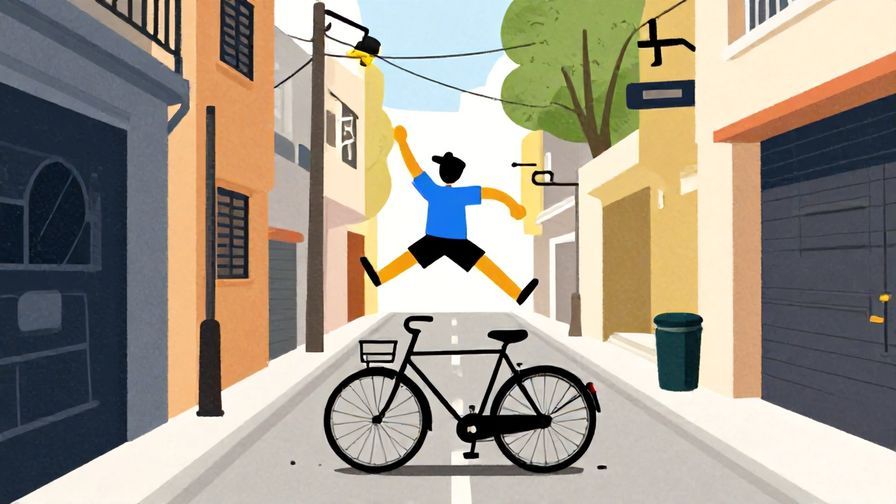
These phrases are great to know, whether you’re talking about dodging a bike on the street or barely catching a train.
Sometimes, using a great beginner phrasebook can give you a perfect starting point for a cohesive understanding.
Once you get these phrases down, you’ll sound more natural and even a bit like a native speaker.
And don’t worry, you’ll get pronunciation help with every phrase!
Part 1: Casual Suggestions
1. 危なかった! (Abunakatta!) – “That was dangerous!”
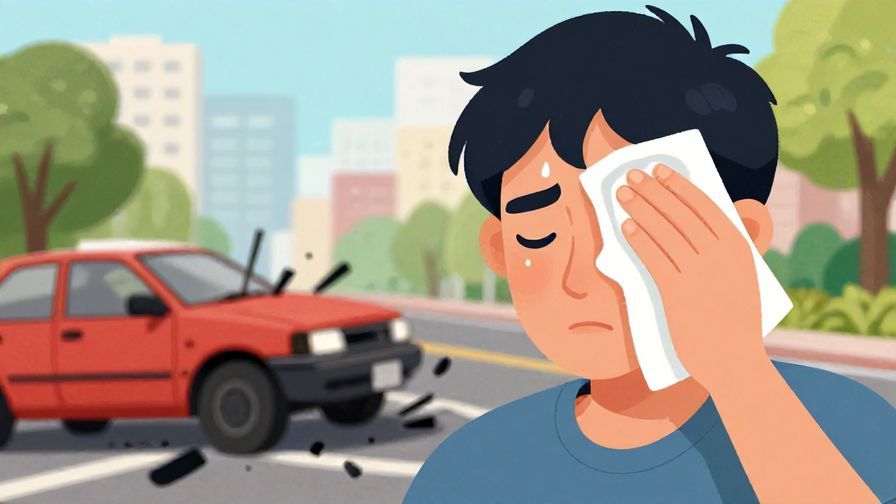
This is probably the most direct and common way to express “That was close” in casual Japanese.
“危なかった” (Abunakatta) is the past tense of “危ない” (abunai), meaning “dangerous.” So it literally means “It was dangerous!”
It’s perfect for those moments when you just barely avoided something risky.
Because it’s casual, you can use it with friends or family without any fuss.
A related phrase is “危なかったね!” (Abunakatta ne!), adding a friendly “right?” to your relief.
Try dropping this one next time you step back just in time from a close call!
2. あぶねー! (Abunē!) – “That was close!” (slang)

This is a slangy, shortened version of “危なかった,” common among younger people.
“あぶねー” (Abunē) uses the elongated vowel sound “ē” for emphasis, adding a casual, laid-back vibe.
It’s easy to remember because it sounds just like the original but faster and cooler.
Perfect for chatting with friends after a close call.
Just remember to avoid using it in formal situations, where it might sound too casual.
Example: “あぶねー!車にぶつかるところだった!” (Abunē! Kuruma ni butsukaru tokoro datta!) – “That was close! I almost got hit by a car!”
3. ヤバかった! (Yabakatta!) – “That was risky!” / “That was close!”
“ヤバかった” (Yabakatta) is a versatile slang word often meaning “That was bad” or “That was intense.”
Here, it’s used to say “That was close!” after a risky or dangerous moment.
It’s casual and very popular among young people, so it’s great for informal chats.
It’s easy to remember because “ヤバい” (yabai) is a word you’ll hear everywhere in Japanese media.
But be careful—it can also mean “cool” or “awesome” depending on context.
Try it out when you want to sound natural and expressive!
4. あとちょっとだった! (Ato chotto datta!) – “It was just a little bit more!”

This phrase literally means “It was just a little more,” expressing how close something was.
“あと” (ato) means “after” or “remaining,” and “ちょっと” (chotto) means “a little.”
It’s great for expressing a close miss in a non-dangerous way, like just missing a bus or barely finishing something on time.
It’s casual and friendly, perfect for everyday conversation.
Pair it with “間に合った!” (ma ni atta!) meaning “I made it!” to celebrate narrowly succeeding.
This phrase helps you highlight just how tight the situation was.
5. ぎりぎりセーフ! (Giri giri sēfu!) – “Barely safe!”
This is a fun way to say you barely escaped something.
“ぎりぎり” (giri giri) means “just barely,” and “セーフ” (sēfu) comes from English “safe.”
It’s casual and often used in sports, games, or any “just in time” situations.
Easy to remember because the repetition “ぎりぎり” sounds like a ticking clock getting close to zero.
Use it like: “ぎりぎりセーフ!試験に間に合った!” (Giri giri sēfu! Shiken ni ma ni atta!) – “That was close! I made it to the exam just in time!”
This phrase adds a lively and lighthearted tone to your storytelling.
6. もうちょっとで… (Mou chotto de…) – “Almost…”
This phrase means “Almost” or “Just a bit more.”
“もうちょっとで” (mou chotto de) is used when you just missed something or narrowly avoided it.
It’s casual and often trails off, so you can add a verb or just leave it hanging if context is clear.
Perfect for moments like “Almost got hit” or “Almost missed the bus.”
For example: “もうちょっとで転ぶところだった!” (Mou chotto de korobu tokoro datta!) – “I almost tripped!”
A handy phrase to have when recounting near misses in everyday life.
7. ひやっとした! (Hiyatto shita!) – “That gave me a scare!”
“ひやっとした” (hiyatto shita) expresses the sudden jolt or scare you get from a close call.
It’s informal and captures that adrenaline spike right after something almost goes wrong.
Great for telling friends how your heart skipped a beat.
It literally comes from “ひやっ” (hiya), the sound of a chill or shock, plus “した” (did/happened).
You could say: “車が急に来て、ひやっとした!” (Kuruma ga kyuu ni kite, hiyatto shita!) – “A car suddenly came, and that scared me!”
A very expressive phrase to add to your casual vocabulary.
8. セーフだった! (Sēfu datta!) – “It was safe!” / “I made it!”

“セーフだった” (sēfu datta) means “It was safe” or roughly “That was close but safe.”
“セーフ” (sēfu) is borrowed from English, making it easy to remember.
Use it for moments when you’re relieved to have avoided trouble or failure.
Casual and cheerful, it fits well in friendly conversations.
Example: “試験に間に合って、セーフだった!” (Shiken ni ma ni atte, sēfu datta!) – “I made it to the exam, that was close!”
Great phrase for celebrating narrow escapes.
Part 2: Polite & Formal Suggestions
9. 危うく~するところでした (Ayauku ~ suru tokoro deshita) – “I almost ~”
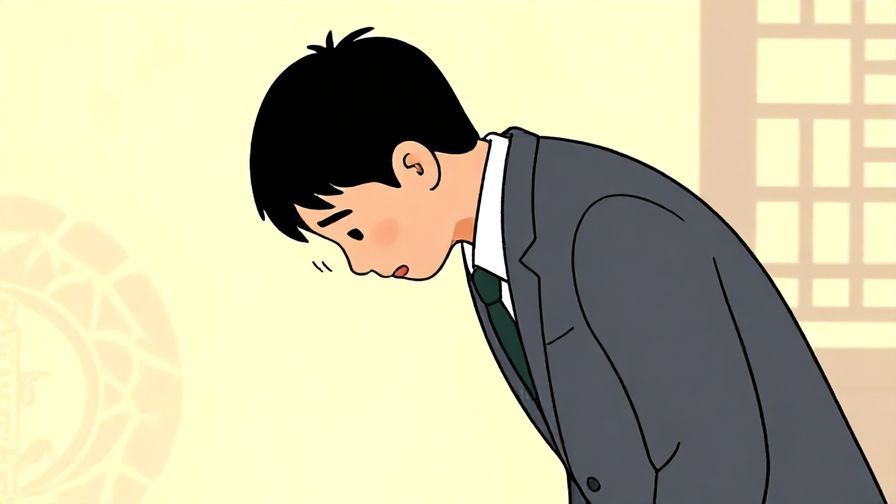
This formal phrase means “I almost did ~” and is great for polite conversation.
“危うく” (ayauku) means “dangerously” or “almost,” and “ところでした” (tokoro deshita) means “was about to.”
It’s useful when explaining a near miss politely, such as in work or formal settings.
Example: “危うく遅刻するところでした。” (Ayauku chikoku suru tokoro deshita.) – “I almost was late.”
Remember to use this when you want to keep things respectful and clear.
It’s a handy phrase that sounds mature and thoughtful.
10. 危険でしたね (Kiken deshita ne) – “That was dangerous, wasn’t it?”

This polite phrase is a great way to acknowledge danger formally.
“危険” (kiken) means “danger” and “でした” (deshita) is past tense polite form of “is.”
Adding “ね” (ne) softens the sentence, inviting agreement.
It’s perfect for workplace conversations or serious moments.
Example: “あの運転は危険でしたね。” (Ano unten wa kiken deshita ne.) – “That driving was dangerous, wasn’t it?”
Use it to sound considerate and polite.
11. ほんとうに危なかったです (Hontō ni abunakatta desu) – “It really was dangerous.”
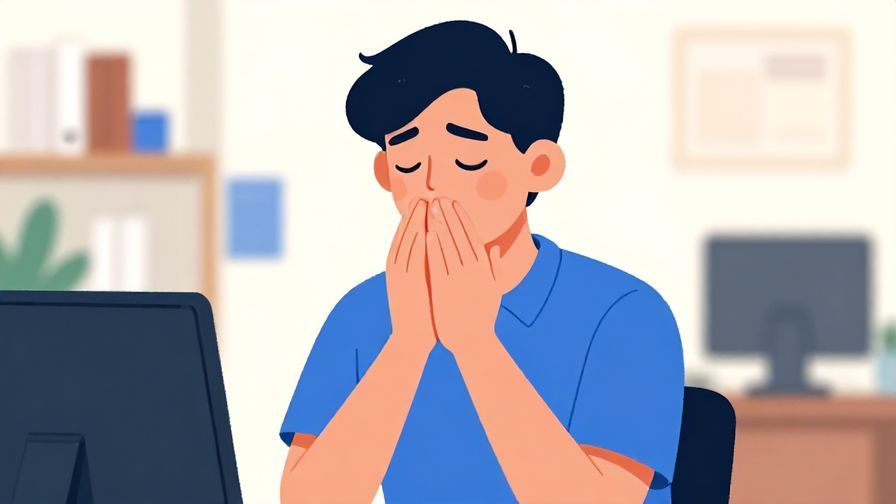
This is a polite and sincere way to say “That was really dangerous.”
“ほんとうに” (hontō ni) means “really,” and “危なかったです” (abunakatta desu) is the polite past tense.
It’s great for expressing genuine relief in formal or semi-formal contexts.
Use it when you want to emphasize the seriousness of the close call politely.
Example: “ほんとうに危なかったです。気を付けましょう。” (Hontō ni abunakatta desu. Ki o tsukemashou.) – “That was really dangerous. Let’s be careful.”
Perfect for thoughtful conversations.
12. 危なかったですね (Abunakatta desu ne) – “That was close, wasn’t it?”
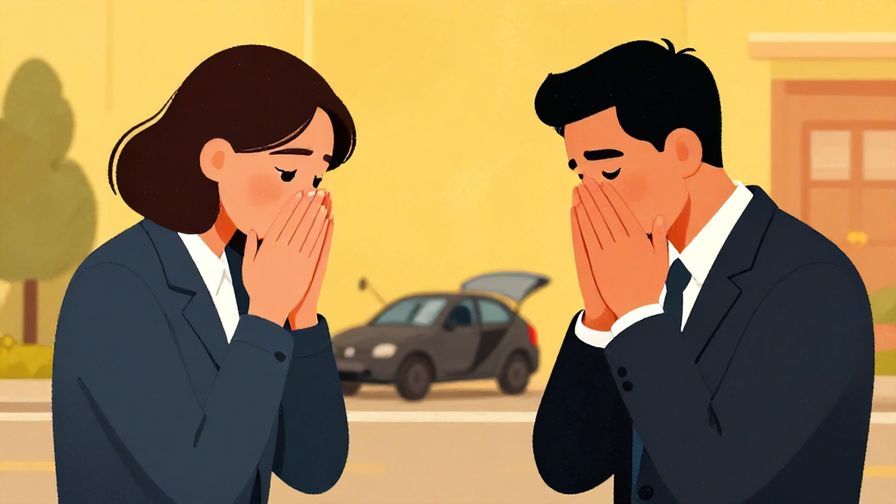
This polite phrase adds a soft “isn’t it?” to “That was close.”
“危なかったです” (abunakatta desu) is polite past tense of “dangerous,” and “ね” (ne) invites agreement.
It’s great for confirming shared relief in polite conversations.
Example: “危なかったですね。気を付けてください。” (Abunakatta desu ne. Ki o tsukete kudasai.) – “That was close, wasn’t it? Please be careful.”
Use this to sound polite and empathetic.
Adding “気を付けて” (ki o tsukete) shows you care about safety.
13. もう少しで危なかったです (Mou sukoshi de abunakatta desu) – “It was dangerous by just a bit.”

This phrase means “It was dangerous by just a little.”
“もう少しで” (mou sukoshi de) means “almost” or “just a bit more,” combined with polite “危なかったです.”
It’s useful in formal or polite situations to express a near miss.
Example: “もう少しで危なかったです。気をつけましょう。” (Mou sukoshi de abunakatta desu. Ki o tsukemashou.) – “It was close. Let’s be careful.”
Helps you sound precise and polite when describing close calls.
Great for meetings or safety talks.
14. 冷や汗をかきました (Hiyasame o kakimashita) – “I broke out in a cold sweat.”

This polite phrase literally means “I broke out in a cold sweat.”
It’s a great way to express how scary or tense a close call was.
“冷や汗” (hiyasame) means “cold sweat,” and “かきました” (kakimashita) means “did sweat.”
Use it when you want to describe your reaction politely and vividly.
Example: “急に車が来て、冷や汗をかきました。” (Kyuu ni kuruma ga kite, hiyasame o kakimashita.) – “A car suddenly came, and I broke out in a cold sweat.”
Perfect for adding dramatic expression in polite conversation.
15. 命拾いしました (Inochi hiroi shimashita) – “I narrowly escaped with my life.”

This phrase is a bit more serious and poetic, meaning “I narrowly escaped death.”
“命” (inochi) means “life,” and “拾いしました” (hiroi shimashita) literally means “picked up.”
Use it in formal or serious contexts when you want to emphasize how close it was.
Example: “事故で命拾いしました。” (Jiko de inochi hiroi shimashita.) – “I narrowly escaped with my life in the accident.”
It’s a powerful phrase to express deep relief.
Use thoughtfully for serious moments.
16. ぎりぎり間に合いました (Giri giri ma ni aimashita) – “I just barely made it.”
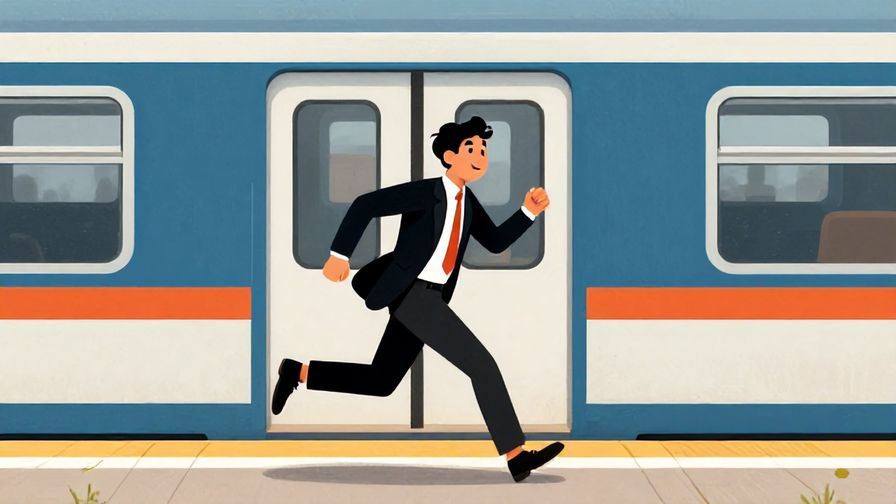
This polite phrase means “I just barely made it in time.”
“ぎりぎり” (giri giri) means “just barely,” “間に合いました” (ma ni aimashita) means “made it in time.”
Perfect for formal or polite situations like work or school.
Example: “電車にぎりぎり間に合いました。” (Densha ni giri giri ma ni aimashita.) – “I barely caught the train.”
Use this phrase to express relief politely and clearly.
Great for everyday formal conversation.
Part 3: Very Casual / Native-like Expressions
17. あっぶねー! (Abbunee!) – “Whoa, that was close!”
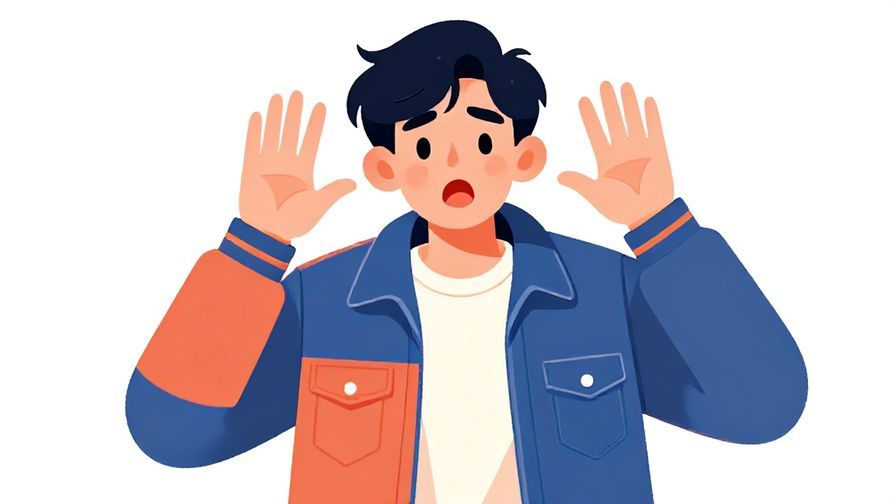
This is an ultra-casual, drawn-out slang version of “あぶねー.”
Adding an extra vowel length makes it sound even more expressive and native.
Use it with close friends or in informal settings.
Example: “あっぶねー!危なかったな!” (Abbunee! Abunakatta na!) – “Whoa, that was close!”
It’s fun and shows strong emotion.
Perfect if you want to sound like a local teen!
18. まじ危なかった! (Maji abunakatta!) – “That was seriously close!”
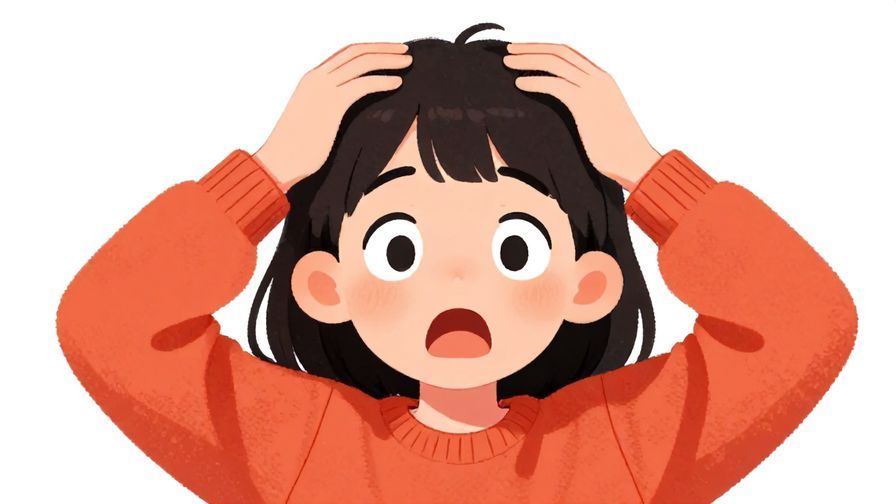
“まじ” (maji) means “seriously” or “really,” adding emphasis.
Combine it with “危なかった” (abunakatta) for a very casual, emphatic “That was seriously close!”
Great for conversations with friends.
Example: “まじ危なかったわ!” (Maji abunakatta wa!) – “That was seriously close!”
Easy to remember since “まじ” is popular slang in youth culture.
Use it to sound lively and spontaneous.
19. ヤバすぎた! (Yabasugita!) – “That was way too close!”
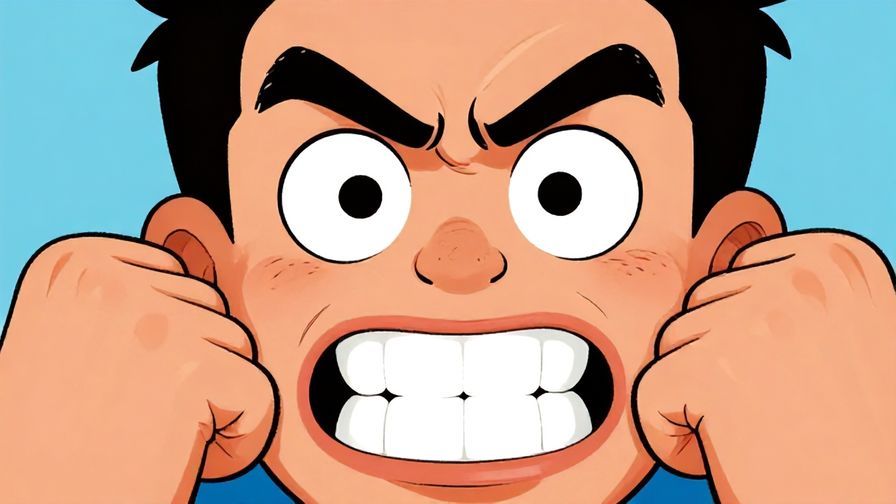
“ヤバすぎた” (yabasugita) means “too risky” or “too crazy.”
It’s an exaggerated slang phrase for “That was way too close!”
“すぎた” (sugita) means “too much,” intensifying “ヤバい.”
Example: “あの運転、ヤバすぎた!” (Ano unten, yabasugita!) – “That driving was way too close!”
Use to dramatize and add humor to your story.
Just keep it casual.
20. いや~危なかったね! (Iya~ abunakatta ne!) – “Phew, that was close, huh!”

This phrase uses “いや~” (iya~) as a sigh of relief.
It’s casual and friendly, great for recounting close calls with friends.
Adding “ね” (ne) invites agreement and warmth.
Example: “いや~危なかったね、気をつけよう!” (Iya~ abunakatta ne, ki o tsukeyou!) – “Phew, that was close, let’s be careful!”
Perfect for informal, warm conversations.
It sounds very natural and native-like.
21. ホントにヒヤッとした! (Honto ni hiyatto shita!) – “I was really scared!”
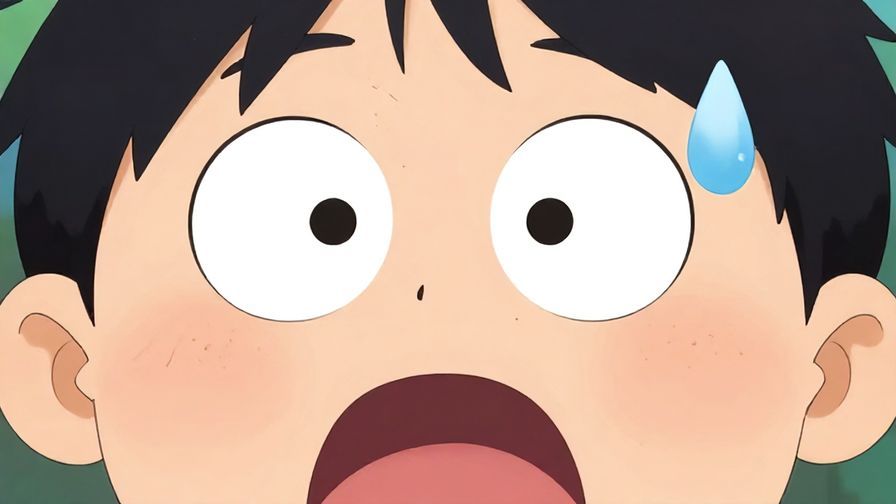
Adding “ホントに” (honto ni) means “really” or “truly,” giving emphasis.
“ヒヤッとした” (hiyatto shita) expresses the chill or shock from a near miss.
Great for very casual conversations expressing strong emotion.
Example: “ホントにヒヤッとしたよ!” (Honto ni hiyatto shita yo!) – “I was really scared!”
Use to show genuine feeling in informal settings.
It’s easy to sound heartfelt with this one.
22. マジで助かった! (Maji de tasukatta!) – “Seriously, I was saved!”
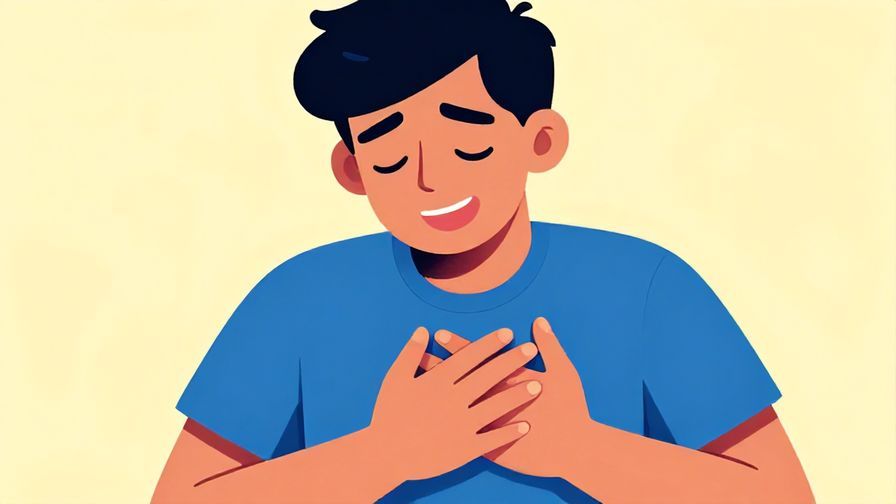
“マジで” (maji de) means “seriously,” and “助かった” (tasukatta) means “I was saved” or “I was helped.”
Used casually to express how close you were to trouble but got out safely.
Example: “マジで助かったわ!” (Maji de tasukatta wa!) – “Seriously, I was saved!”
It’s a great phrase to show deep relief and gratitude.
Perfect for casual conversations with friends.
Memorable and expressive!
Concluding Thought
Exploring these 22 ways to say “That was close” in Japanese reveals just how rich and varied the language is when it comes to expressing relief.
From casual slang to polite formal expressions, each phrase helps you sound more natural and tuned in to Japanese culture.
Keep practicing these phrases with your friends or in your studies, and soon, you’ll be ready to react like a native whenever you narrowly escape a tight spot!