22 Japanese ways to say “That doesn’t make sense”
Ever found yourself scratching your head because something just doesn’t add up? In Japanese, there are so many colorful ways to express that feeling of confusion or disbelief when something “doesn’t make sense.”
Whether you’re chatting with friends or trying to sound polite in a formal setting, having a variety of expressions up your sleeve can make your conversations way more natural and fun.
This listicle is your go-to guide for 22 Japanese ways to say “That doesn’t make sense,” all explained with easy pronunciation guides and little tips that’ll help you remember them.
Let’s dive in with warm, casual, and polite phrases that anyone learning Japanese can start using right away.
With these handy expressions, you’ll not only understand Japanese better but also sound more like a native when you express doubt or confusion.
Ready to level up your Japanese? Let’s get started!
Understanding the Basics
Before jumping into the list, it’s helpful to know the core idea behind saying something doesn’t make sense in Japanese.
Most phrases center around words like “意味” (imi, ee-mee) meaning “meaning,” or “筋” (suji, sue-jee) meaning “logic” or “reason.”
Combining these with expressions for “not making sense” or “not fitting” is the key.
Sometimes, a great beginner phrasebook can give you a perfect starting point for a cohesive understanding.
Once you understand these basics, mixing and matching phrases becomes easier.
Let’s explore the expressions now!
Part 1: Casual Suggestions
1. 変だよね (Hen da yo ne) – “That’s weird, right?”

This is a simple and casual way to say something doesn’t make sense.
“変” (hen, hen) means “strange” or “weird,” and adding “だよね” (da yo ne, dah yoh neh) softens it and invites agreement.
Use this among friends when you want to point out something odd without sounding harsh.
It’s a great starter phrase because it’s straightforward and friendly.
Related phrases like “おかしい” (okashii, oh-kah-shee) also mean “strange” or “funny (in a weird way).”
Try it next time something feels off in a conversation!
2. 意味わかんない (Imi wakannai) – “I don’t get the meaning.”
Perfect for when something just doesn’t add up to you.
“意味” (imi, ee-mee) means “meaning,” and “わかんない” (wakannai, wah-kahn-nai) is a casual negative form of “understand.”
This phrase is super common among young people and easy to remember.
Use it when you want to say you’re lost on what someone means.
Be aware it’s casual, so save it for informal chats.
Pair it with “全然意味わかんない” (zenzen imi wakannai) for emphasis: “I totally don’t get it.”
3. 筋が通ってない (Suji ga toottenai) – “That doesn’t follow logic.”

Use this when something isn’t logical or the reasoning is off.
“筋” (suji, sue-jee) means “logic” or “plot,” “通ってない” (toottenai, too-teh-nai) means “doesn’t pass through” or “doesn’t make sense.”
It’s slightly more mature language but still common in casual talk.
This phrase helps point out flawed reasoning gently.
It can be used in debates or when discussing stories or explanations.
Try it when you want to sound thoughtful about inconsistencies.
4. 変な話だよね (Hen na hanashi da yo ne) – “It’s a weird story, isn’t it?”

This phrase is casual and perfect for storytelling situations.
“変な” (hen na, hen nah) means “weird,” and “話” (hanashi, ha-na-shee) means “story” or “talk.”
It’s a gentle way to express something sounds off.
Use it to share your doubts without sounding confrontational.
Great for social situations and informal conversations.
Also pairs well with “なんか” (nanka, nahn-kah) at the start to say “somehow, it’s a weird story.”
5. それ、おかしくない? (Sore, okashikunai?) – “Isn’t that strange?”

This is a casual question that invites the listener to agree something doesn’t make sense.
“おかしくない” (okashikunai, oh-kah-shee-koo-nai) is the negative form of “strange” or “funny.”
It’s easy to use and great for quick reactions.
Perfect for informal chats when you want to check if others feel the same.
Be careful not to sound accusatory; tone matters!
Try it when you want to lightly question something odd.
6. なんでそうなるの? (Nande sou naru no?) – “Why does it end up like that?”
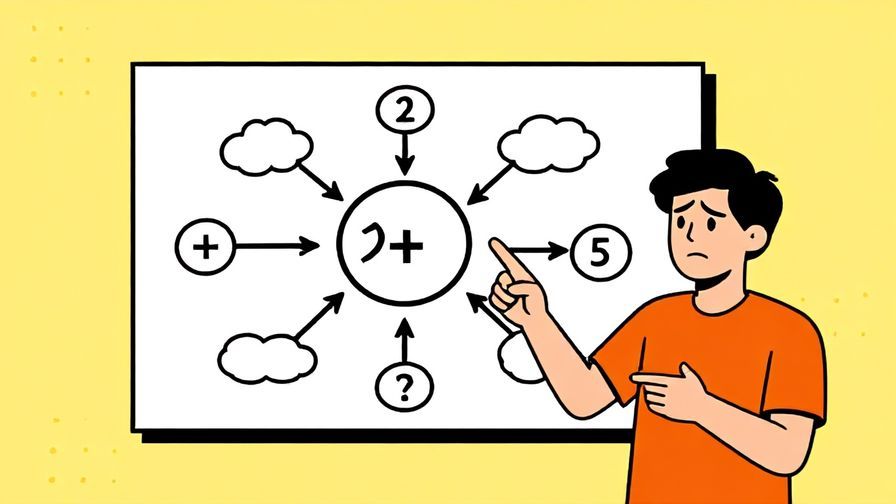
This phrase questions the logic behind a situation.
“なんで” (nande, nahn-deh) means “why,” and “そうなる” (sou naru, soh nah-roo) means “to become like that.”
It expresses disbelief or confusion about the outcome.
Use it when something’s result doesn’t make sense.
It’s casual but widely used in everyday conversations.
Good for showing you’re trying to understand but something feels off.
7. 理屈に合わない (Rikutsu ni awanai) – “It doesn’t make sense logically.”

This phrase is great for pointing out logical inconsistencies.
“理屈” (rikutsu, ree-koo-tsu) means “logic,” “に合わない” (ni awanai, nee ah-wah-nai) means “doesn’t fit.”
It’s a bit more formal but still used in everyday speech.
Use it when analyzing arguments or explanations.
It sounds smart and precise without being rude.
Try it to impress friends with your logical thinking!
8. そんなのありえない (Sonna no arienai) – “That’s impossible!”

This is a very casual and strong way to reject something that doesn’t make sense.
“ありえない” (arienai, ah-ree-eh-nai) means “impossible” or “can’t happen.”
It’s perfect for exaggeration or playful disbelief.
Use it with friends or in informal conversations.
Be careful; it’s a bit blunt, so avoid in formal settings.
Great for expressing strong doubt or surprise.
Part 2: Polite & Formal Suggestions
9. 理解できません (Rikai dekimasen) – “I can’t understand.”

This is a polite way to say something doesn’t make sense or you don’t understand.
“理解” (rikai, ree-kai) means “understanding,” and “できません” (dekimasen, deh-kee-mah-sen) is the polite negative form of “can do.”
Perfect for business or formal conversations.
It’s clear and respectful, making it safe to use anytime.
Try it when you want to express confusion without offending.
Pair it with a question for more clarity: “理解できませんが、説明していただけますか?” (“I don’t understand, could you please explain?”)
10. ちょっと意味がわかりかねます (Chotto imi ga wakarikaremasen) – “I’m afraid I don’t quite understand the meaning.”

This is a very polite and humble way to say you don’t understand.
“ちょっと” (chotto, choht-toh) softens the statement, “意味” (imi, ee-mee) means “meaning,” and “わかりかねます” (wakarikaremasen, wah-kah-ree-kah-reh-mah-sen) is a humble negative form of “understand.”
Great for formal meetings or emails.
It’s indirect, so it won’t sound confrontational.
Use it to ask for clarification without seeming rude.
Perfect phrase for polite business or academic settings.
11. 論理的ではありません (Ronriteki dewa arimasen) – “It’s not logical.”
This formal phrase points out that something lacks logic.
“論理的” (ronriteki, rohn-ree-teh-kee) means “logical,” and “ではありません” (dewa arimasen) is the polite negative form of “is.”
Common in academic or professional discussions.
Use it to politely disagree with an argument or explanation.
It sounds objective and respectful.
Try it when you want to keep things professional but firm.
12. 筋が通っていません (Suji ga tootte imasen) – “It doesn’t make sense logically.”

This is the polite version of the casual “筋が通ってない.”
Use it to express that the reasoning isn’t clear or logical.
It’s appropriate for business meetings or formal debates.
Use the polite verb form “通っていません” (tootte imasen) to sound respectful.
It’s a useful phrase for pointing out flaws in arguments politely.
Try it when you want to be precise without offending.
13. 理屈に合いません (Rikutsu ni aimasen) – “It doesn’t make sense logically.”

This is the polite counterpart to “理屈に合わない.”
“合いません” (aimasen, ah-ee-mah-sen) is the polite negative form of “fit.”
Use it to carefully express that something isn’t logical.
It’s great for subtle disagreement in formal talks.
It sounds respectful but clear.
Try it in professional or academic conversations.
14. それは納得できません (Sore wa nattoku dekimasen) – “I can’t accept that.”

This phrase indicates disbelief or disagreement politely.
“納得” (nattoku, naht-toh-koo) means “acceptance” or “agreement,” and “できません” (dekimasen) means “cannot.”
Use it to show you don’t agree with an explanation or decision.
It’s formal, so good for serious conversations.
Use it carefully to avoid sounding confrontational.
Perfect for negotiations or meetings.
15. それは論理的に正しくありません (Sore wa ronriteki ni tadashiku arimasen) – “That’s not logically correct.”
Use this to clearly state something is wrong logically.
“正しくありません” (tadashiku arimasen) means “not correct.”
This phrase is more formal and precise.
Perfect for academic, legal, or professional discussions.
It’s respectful but direct.
Use it when you want to correct someone politely.
16. その説明は理解しかねます (Sono setsumei wa rikai shikanemasu) – “I’m unable to understand that explanation.”

This is a humble and polite way to say you don’t understand an explanation.
“理解しかねます” (rikai shikanemasu) is a humble negative expression for “can’t understand.”
It’s useful in formal conversations or when you want to be extra polite.
It softens the refusal and asks for patience or further explanation.
Great for business or academic settings.
Try it to keep communication smooth and respectful.
Part 3: Very Casual / Native-like Expressions
17. それ意味不明 (Sore imi fumei) – “That’s meaningless.”

“意味不明” (imi fumei, ee-mee foo-may) literally means “meaning unclear.”
This is a bold and casual expression to say something doesn’t make sense.
It’s a bit blunt but very common in everyday talk.
Use it with close friends who won’t be offended.
It’s perfect for expressing that something is totally incomprehensible.
Try it when you want to be casual and direct.
18. 何言ってるかわかんない (Nani itteru ka wakannai) – “I don’t understand what you’re saying.”

This phrase is casual and often used when speech is confusing or unclear.
“何言ってるか” (nani itteru ka) means “what (someone) is saying,” and “わかんない” (wakannai) means “don’t understand.”
It’s very natural and relatable.
Use it when something spoken doesn’t make sense to you.
It’s informal, so best with friends or peers.
Try it to sound like a native in casual chats.
19. それ、マジで? (Sore, maji de?) – “Seriously?”

“マジで” (maji de, mah-jee deh) is a slang expression meaning “seriously?” or “for real?”.
It’s a quick way to express disbelief or that something doesn’t make sense.
Use it when you want to react naturally and casually.
It’s informal and popular with younger people.
Perfect for surprising or confusing situations.
Try it in casual conversations to sound trendy.
20. そんなバカな (Sonna baka na) – “No way!”
This expression literally means “That’s such nonsense” or “That’s ridiculous.”
“バカ” (baka, bah-kah) means “fool” or “nonsense.”
It’s a strong but playful way to say something doesn’t make sense.
Use it with friends or informal groups.
Be careful; it sounds casual and can be rude if used in the wrong context.
Great for expressing surprise or disbelief.
21. それ、変じゃない? (Sore, hen janai?) – “Isn’t that weird?”

This is a softer, casual way to question something odd.
Adding “じゃない” (janai) turns an adjective into a question.
It’s friendly and invites conversation.
Use it when you want to gently point out something strange.
Perfect for everyday conversations.
Try it to sound approachable and natural.
22. それ、意味ないよね (Sore, imi nai yo ne) – “That doesn’t make any sense.”

“意味ない” (imi nai) means “no meaning” or “pointless.”
Adding “よね” (yo ne) makes it conversational and seeks agreement.
It’s casual but very common in everyday talk.
Use it when you want to say something doesn’t make sense or isn’t useful.
Great for informal chats or debates among friends.
Try it to express mild skepticism naturally.
Concluding Thought
Exploring these 22 Japanese expressions gives you a rich toolkit for expressing confusion, disbelief, or skepticism in many situations.
From casual chats with friends to polite business meetings, there’s a phrase here for every occasion and tone.
Keep practicing these phrases, and you’ll find your Japanese conversations becoming more natural and expressive in no time. Ganbatte!