22 Japanese ways to say “Survival of the fittest”
Survival of the fittest is a phrase that captures the essence of competition and adaptation in life. But how do you say this powerful idea in Japanese?
Whether you’re fascinated by language, culture, or just love learning new expressions, exploring different ways to say “survival of the fittest” can be a fun challenge.
Japanese offers a rich variety of phrases that convey this idea with different nuances—some formal, some casual, and some poetic.
In this article, we’ll explore 22 Japanese ways to express “survival of the fittest,” complete with pronunciation guides and explanations to make each phrase memorable.
Learning these phrases not only boosts your vocabulary but also gives you insight into Japanese thought and culture.
Ready to dive in? Let’s explore these phrases and see how you can use them in your own Japanese conversations!
Understanding the Basics of “Survival of the Fittest” in Japanese
Before jumping into the list, it’s good to grasp the core concepts behind the phrase.
In Japanese, “survival of the fittest” often relates to ideas of “strongest,” “adaptation,” and “natural selection.” These concepts can be expressed in many ways depending on the context.
Some phrases lean more scientific or philosophical, while others sound more like everyday wisdom or even proverbs.
To get started, a handy phrasebook focused on survival and nature terms can be a great help.
Once you know the basics, it’s easier to expand your understanding and use these phrases naturally.
Let’s get into the first set of expressions!
Part 1: Casual Suggestions
1. 強い者が生き残る (Tsuyoi mono ga ikinokoru) – “The strong survive.”

This phrase literally means “The strong ones survive.” It’s a straightforward way to express survival of the fittest.
“強い (tsuyoi)” means strong, “者 (mono)” means person or one who, and “生き残る (ikinokoru)” means to survive or remain alive.
It’s easy to remember because it’s directly descriptive—strong people endure challenges.
Use this when talking about resilience or competition in everyday life.
It’s related to the phrase “強者生存 (kyousha seizon),” a more formal expression meaning the same thing.
Remember this as your go-to casual phrase when discussing strength and survival!
2. 適者生存 (Tekisha seizon) – “Survival of the fittest” (formal/technical)

This is the formal and scientific term often used in textbooks or biology discussions.
“適者 (tekisha)” means “the suitable one” or “those fit,” and “生存 (seizon)” means survival.
It’s a perfect phrase when you want to sound precise or academic.
Don’t confuse it with casual phrases—this one is more for serious conversations.
You might find it in documentaries or scientific articles about evolution.
Practicing this phrase helps you sound knowledgeable about biology and natural selection!
3. 強者が勝つ (Kyousha ga katsu) – “The strong win.”

“強者 (kyousha)” means strong person, and “勝つ (katsu)” means to win.
This phrase focuses more on the outcome of competition rather than just survival.
It’s casual and easy to use when talking about contests, sports, or everyday rivalries.
It’s catchy and often used in motivational contexts.
Try saying it when encouraging friends or talking about success.
It’s a simple yet powerful way to express the spirit of survival through strength.
4. 生き残り競争 (Ikinokori kyousou) – “Survival competition.”

This phrase means “competition to survive.”
“生き残り (ikinokori)” means surviving, and “競争 (kyousou)” means competition.
It’s great for describing real-life struggles where everyone is trying their best to stay ahead.
Use this in conversations about business, nature, or social dynamics.
It highlights the competitive aspect of survival without focusing on strength alone.
Perfect for discussing any kind of challenging environment!
5. 強い者が勝ち残る (Tsuyoi mono ga kachinokoru) – “The strong ones remain victorious.”

This phrase combines strength and victory in survival.
“勝ち残る (kachinokoru)” means to remain victorious after winning.
It’s a more emphatic way to say “the strong survive,” emphasizing winning and continuing on.
Great for storytelling or encouraging perseverance.
You can use it when talking about sports or life challenges.
It’s a motivating phrase that blends survival with success.
6. 逞しい者が残る (Takumashii mono ga nokoru) – “The sturdy remain.”

“逞しい (takumashii)” means sturdy, robust, or resilient.
This phrase is less about just being strong and more about enduring tough conditions.
“残る (nokoru)” means to remain or stay behind.
Use this to highlight toughness and endurance in survival.
It’s a warm, encouraging phrase for overcoming difficulties.
Perfect for conversations about personal growth or nature’s harshness.
7. 強い者だけが生き残る (Tsuyoi mono dake ga ikinokoru) – “Only the strong survive.”

This phrase stresses exclusivity—only the strong make it through.
“だけ (dake)” means only, adding emphasis to who survives.
It’s useful when you want to underscore a tough environment.
Use it in motivational talks or serious discussions about competition.
It’s a slightly harsher phrase but very clear in meaning.
Good to remember for expressing strict survival of the fittest ideas.
8. 強い者の勝ち (Tsuyoi mono no kachi) – “Victory belongs to the strong.”

This phrase highlights the reward—victory—for the strong.
“勝ち (kachi)” means victory or win.
It’s a simple, casual phrase often used in sports and competitive contexts.
Good for encouraging others or discussing results.
It reflects a positive spin on survival—strength leads to success.
Remember it for upbeat conversations about winning.
Part 2: Polite & Formal Suggestions
9. 強者生存 (Kyousha seizon) – “Survival of the strong” (formal)

This phrase is concise and often found in academic or scientific settings.
“強者 (kyousha)” means the strong, and “生存 (seizon)” means survival.
It sounds polished and is perfect for presentations or formal writing.
Avoid using it casually as it might sound too stiff among friends.
It’s an essential phrase for anyone studying biology or Japanese scientific literature.
Practice it to sound professional and knowledgeable.
10. 適者は生き残る (Tekisha wa ikinokoru) – “The fittest survive.”

This is a polite and complete sentence form of the scientific phrase.
“適者 (tekisha)” means “the fittest,” “は (wa)” is the topic marker, and “生き残る (ikinokoru)” means survive.
It’s often used in academic discussions or formal essays.
Good to know if you want to write or talk in a respectful tone.
It’s slightly more conversational than the compound terms.
Adding “は” makes it clear and polite.
11. 自然淘汰 (Shizen touta) – “Natural selection.”
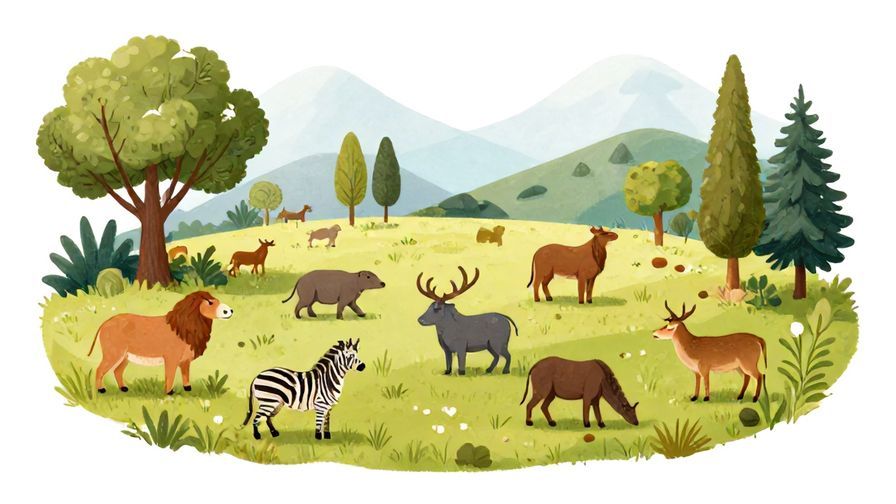
This phrase means “natural selection,” often used in biology.
“自然 (shizen)” means nature, and “淘汰 (touta)” means selection or elimination.
It’s a formal term but common in educational contexts.
Great to use when explaining the science behind survival of the fittest.
Not a direct translation but closely related conceptually.
Knowing this expands your scientific vocabulary in Japanese.
12. 生存競争に勝つ (Seizon kyousou ni katsu) – “Win the survival competition.”

This phrase is formal but practical, often used metaphorically.
“生存競争 (seizon kyousou)” means survival competition, and “勝つ (katsu)” means to win.
It’s useful for business or social contexts where competition is fierce.
Use it in speeches or writing about overcoming challenges.
It’s a phrase that connects survival to active winning.
Good for professional conversations or motivational talks.
13. 強者の理 (Kyousha no ri) – “The law of the strong.”

This poetic phrase means “the principle or law of the strong.”
“理 (ri)” means logic, reason, or principle.
It’s a formal and philosophical way to describe survival of the fittest.
Great for essays, speeches, or thoughtful discussions.
It sounds elegant and profound.
Use it when you want to impress with deep insight.
14. 優者生存 (Yuusha seizon) – “Survival of the superior.”

“優者 (yuusha)” means “superior person,” and “生存 (seizon)” means survival.
This phrase emphasizes superiority rather than just strength.
It’s formal and often used in literature or philosophy.
It’s a bit more nuanced than just “strong.”
Great for thoughtful discussions about qualities beyond physical strength.
Remember it to add variety to your formal expressions.
15. 生き残る者が勝者 (Ikinokoru mono ga shousha) – “Those who survive are the winners.”

This phrase ties survival directly to winning.
“勝者 (shousha)” means winner or victor.
It’s polite and useful for speeches or essays.
It connects endurance with success clearly.
Great for motivational talks or reflective writing.
Use this to inspire or explain the value of persistence.
16. 最適者が生き残る (Saiteki sha ga ikinokoru) – “The most adapted survive.”

“最適者 (saitekisha)” means “the most suitable” or “best adapted.”
This phrase highlights adaptation as the key to survival.
Perfect for scientific or formal contexts.
It’s a precise way to describe natural selection.
Good for discussions about evolution or environmental changes.
Practice this phrase to sound both smart and natural.
Part 3: Very Casual / Native-like Expressions
17. 強いヤツが生きる (Tsuyoi yatsu ga ikiru) – “The strong guy lives.”

“ヤツ (yatsu)” is a casual, sometimes rough word for “guy” or “person.”
This phrase sounds very natural and conversational among friends.
It’s a laid-back way to express survival of the fittest.
Use it when chatting casually or telling a story.
It’s friendly and easy to remember.
Perfect for sounding like a native speaker in informal settings.
18. 強い奴が勝つんだよ (Tsuyoi yatsu ga katsundayo) – “The strong guy’s the winner, you know.”

This phrase adds “んだよ (ndayo)” for emphasis and friendliness.
It’s very casual and often used in conversations to stress a point.
Great for storytelling or giving advice.
It sounds native and relatable.
Try using it with friends to sound natural and persuasive.
It’s a fun way to keep the meaning light but clear.
19. 強い者が生き抜く (Tsuyoi mono ga ikinuku) – “The strong make it through.”
“生き抜く (ikinuku)” means to survive through or make it through tough times.
This phrase is casual but powerful.
Perfect for motivating or describing tough situations.
It adds a sense of perseverance beyond mere survival.
Use it when talking about overcoming challenges.
It’s a great phrase to remember for everyday encouragement.
20. 強い奴だけが残るんだ (Tsuyoi yatsu dake ga nokorunda) – “Only the strong guy remains.”

This phrase is casual but carries a strong message.
“んだ (nda)” adds assertiveness.
It’s perfect for informal but serious conversations.
Great for emphasizing exclusivity in survival.
Use it to sound both confident and native.
It’s a memorable way to say “survival of the fittest” casually.
21. 強い奴が最後まで勝つ (Tsuyoi yatsu ga saigo made katsu) – “The strong guy wins till the end.”

This phrase adds “最後まで (saigo made)” meaning “until the end.”
It’s casual and motivating, great for encouraging persistence.
Use it in sports or any challenge-related talk.
It sounds natural and enthusiastic.
Perfect for boosting morale or cheering friends on.
Keep this one handy for positive conversations!
22. 強い奴だけが生き残るんだぜ (Tsuyoi yatsu dake ga ikinokorundaze) – “Only the strong guy survives, you know.”

This phrase uses “んだぜ (ndaze)” for a masculine, casual, and slightly rough tone.
It’s very native and informal, often used among close friends.
It adds personality and emphasis to the survival message.
Use it when you want to sound cool and natural.
Great for casual storytelling or friendly debates.
It’s a memorable phrase to spice up your casual Japanese!
Concluding Thought
Exploring these 22 Japanese ways to say “survival of the fittest” shows just how rich and varied language can be.
From formal scientific terms to casual expressions filled with personality, there’s a phrase for every situation and mood.
Keep these phrases in mind, practice them, and soon you’ll be expressing complex ideas naturally in Japanese—and maybe even inspiring others with your words!