22 Japanese ways to say “Survival instinct”
Survival instinct is that incredible inner voice that kicks in when you really need it—the gut feeling that keeps you safe and sound. In Japanese, there are many ways to express this idea, each with its own nuance and flavor.
Whether you’re learning the language for fun, travel, or just to expand your horizons, knowing these phrases will give you a cool insight into Japanese culture and mindset.
From formal expressions to casual slang, let’s dive into 22 Japanese ways to say “survival instinct.” You’ll find meanings, pronunciation guides, and little tips to help you remember them easily.
It’s not just about words, but about connecting with how people think about self-preservation, intuition, and resilience in Japan. Ready to explore?
By the end, you’ll have a neat collection of phrases to impress friends or help you understand Japanese media better. Plus, it’s a fun way to build vocabulary that’s practical and meaningful.
Let’s get started with some foundational ideas before moving into more casual and native-like expressions.
Understanding Survival Instinct in Japanese
Survival instinct in Japanese can be expressed in a variety of ways depending on context — from biological instincts to emotional resilience.
Many expressions focus on the idea of instinct (本能, honnou) and the drive to survive (生き残る, ikinokoru). It’s fascinating to see how Japanese captures these ideas with subtle differences.
These phrases often appear in everyday conversation, literature, and even pop culture, showing how deeply rooted the concept is.

Sometimes, using a great language resource focused on survival phrases can help you master these expressions quickly.
With a bit of practice, you’ll notice your understanding and usage of “survival instinct” in Japanese getting stronger every day.
Let’s start with some casual, friendly ways to talk about this instinctive drive.
Part 1: Casual Suggestions
1. 生きる本能 (Ikiru honnou) – “Instinct to live”

This is the straightforward phrase combining 生きる (ikiru) “to live” and 本能 (honnou) “instinct.”
It’s easy to remember because it literally means “living instinct” or “life instinct.” Great for beginners as it breaks down clearly.
Use this phrase when talking about the natural urge to survive or keep going.
It’s a solid base phrase that can be expanded with other words.
For example, you might hear it in documentaries or discussions about animals and humans alike.
Keep this one handy as a foundational expression for survival instinct.
2. 生存本能 (Seizon honnou) – “Survival instinct”

生存 (seizon) means “survival,” so this phrase is a very direct and common way to say “survival instinct.”
It’s slightly more formal than 生きる本能 but still widely used in everyday speech and writing.
Great for talking about instinctive reactions in dangerous situations.
It’s often used in psychology or biology contexts.
Try using this phrase when discussing survival strategies or natural urges.
It’s a neat term that fits both casual and somewhat academic conversations.
3. 身の危険を感じる本能 (Mi no kiken o kanjiru honnou) – “Instinct to sense danger”

This phrase literally means “instinct to feel personal danger.”
It’s a bit longer but paints a vivid picture of what survival instinct really does—making you aware of threats.
Perfect for describing gut feelings in risky or uncertain situations.
It’s a useful phrase to convey instinctive caution in conversation.
You might hear it in emergency preparedness talks or suspenseful storytelling.
It’s a good phrase to practice for more descriptive language.
4. 危機感 (Kikikan) – “Sense of crisis” or “Feeling of danger”

危機感 (kikikan) means “sense of crisis” or “awareness of danger.”
While not exactly “instinct,” it’s often used to describe the feeling that triggers survival behavior.
This word is great to understand how people describe the mental alertness tied to survival.
It’s common in news, conversations about disasters, or urgent situations.
Remember it as your “danger radar” phrase in Japanese.
It’s a handy word for both casual and serious talks.
5. 生命の危機 (Seimei no kiki) – “Life-threatening crisis”

This phrase translates to “life crisis” or “danger to life.”
It’s a bit more serious and formal, used to describe extreme survival situations.
Good to know for emergency contexts or medical discussions.
It highlights the urgency behind survival instincts.
Use it when you want to emphasize the gravity of a threat.
Great for news articles or documentaries.
6. 生き残る力 (Ikinokoru chikara) – “Power to survive”

This phrase means “the power or ability to survive.”
It’s more about resilience and strength than pure instinct.
Use it when talking about perseverance in tough times.
It’s a positive, encouraging phrase.
Often heard in motivational talks or survival stories.
Great for expressing human spirit alongside instinct.
7. 反射神経 (Hansha shinkei) – “Reflexes”

反射神経 (hansha shinkei) means “reflex nerves,” which relate to instinctive physical reactions.
It’s a more physical take on survival instinct, focusing on quick, automatic responses.
Great to know for sports, action, or everyday safety talks.
It’s a useful word to understand instinct in movement.
Try it when describing fast reactions.
It adds a dynamic angle to survival talk.
8. 本能的な危機回避 (Honnouteki na kiki kaihi) – “Instinctive crisis avoidance”

This longer phrase means “instinctively avoiding danger.”
Great for describing how survival instinct makes us dodge threats without thinking.
It’s descriptive and useful in conversations about safety or instinctive behavior.
Good for advanced learners wanting to expand on the idea.
Practice this to get comfortable with longer, compound expressions.
It’s a perfect phrase for detailed descriptions and storytelling.
Part 2: Polite & Formal Suggestions
9. 自己保存本能 (Jiko hozon honnou) – “Self-preservation instinct”

This formal phrase translates as “self-preservation instinct.”
It’s commonly used in academic or scientific discussions.
Excellent for expressing the biological drive to stay alive respectfully.
It’s a phrase you’ll see in psychology or biology classes.
Great for professional conversations about human behavior.
Using this phrase shows your mastery of polite and precise language.
10. 生理的本能 (Seiriteki honnou) – “Physiological instinct”
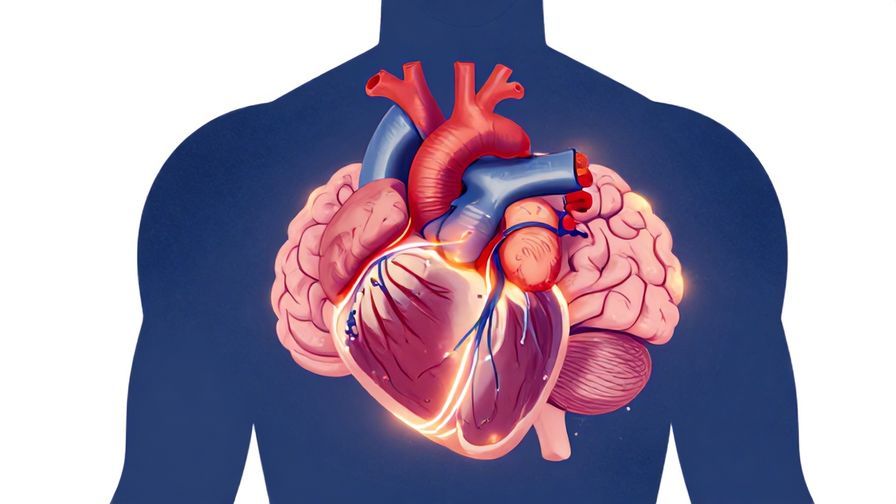
This phrase means “instincts related to bodily functions.”
It’s a very scientific term that refers to survival instincts rooted in physiology.
Useful for medical or biology-related topics.
Helps you talk about survival in a clinical, formal way.
Good word to impress your teachers or colleagues.
Practice it to sound more professional when needed.
11. 危険回避本能 (Kiken kaihi honnou) – “Danger avoidance instinct”

This phrase combines danger (危険, kiken), avoidance (回避, kaihi), and instinct (本能, honnou).
It’s an elegant way to say “instinct to avoid danger.”
Perfect for formal writing and presentations.
Shows a deep understanding of survival behavior.
You can use this in reports or essays about safety.
It’s a versatile phrase for professional settings.
12. 生存戦略 (Seizon senryaku) – “Survival strategy”

Though not “instinct” directly, this phrase means “survival strategy.”
It’s about conscious planning to survive, which complements instinct.
Use it when discussing survival from a tactical or strategic angle.
Great for stories or discussions about smart survival techniques.
It broadens your vocabulary beyond just instinct.
Practice this phrase to sound well-rounded in survival topics.
13. 自然選択 (Shizen sentaku) – “Natural selection”

Natural selection is the evolutionary principle behind survival instincts.
In Japanese, 自然選択 (shizen sentaku) refers to this concept.
It’s a formal, scientific term often used in biology.
Good to know when discussing survival from a broader, evolutionary view.
It helps you understand the background of survival instincts.
This phrase connects language with science beautifully.
14. 危機管理能力 (Kiki kanri nouryoku) – “Crisis management ability”

This phrase means “ability to manage crises,” combining several concepts.
It’s formal and used in business or emergency contexts.
While not pure instinct, it’s related to how people respond to survival situations.
Use it to talk about preparedness and response skills.
It’s a solid phrase for professional environments.
Great for discussing survival with a team or organization.
15. 防衛本能 (Bōei honnou) – “Defensive instinct”

防衛 (bōei) means “defense,” so this phrase means “defense instinct.”
It’s often used to describe the body’s or mind’s natural protective reactions.
Perfect for discussions about fear, protection, and survival.
It’s a compact phrase that’s easy to remember.
Use it when talking about instinctive defense mechanisms.
It adds depth to your survival vocabulary.
16. 危機対応力 (Kiki taiou ryoku) – “Crisis response ability”

This phrase refers to the “ability to respond to crises.”
Like 危機管理能力, it’s formal and practical.
Good for talking about survival from a skill perspective.
It’s useful in professional and educational contexts.
Practice it to describe how people act under pressure.
It’s a great addition to your polite Japanese toolkit.
Part 3: Very Casual / Native-like Expressions
17. 勘 (Kan) – “Gut feeling” or “Intuition”

勘 (kan) is a casual word meaning “gut feeling” or “intuition.”
It’s often used in everyday conversations to describe instinctive hunches.
Great for expressing a natural sense that guides survival choices.
It’s short, catchy, and very common.
Use it when talking about instincts in a relatable, down-to-earth way.
This word will make you sound like a native speaker in casual chats.
18. 直感 (Chokkan) – “Instant intuition”

直感 (chokkan) means “direct intuition” or a sudden insight.
It’s often used for quick, instinctive decisions.
Perfect to describe survival instincts that flash immediately.
It’s a natural and frequently heard expression.
Try using it when describing moments of quick judgment.
It’s a polished but casual word to add to your vocab.
19. 勝手な判断 (Katte na handan) – “Selfish judgment” or “Instinctive decision”

This phrase means “a decision made on one’s own,” often instinctive or impulsive.
It’s a bit informal, used when describing quick decisions driven by survival needs.
It’s nuanced, sometimes hinting at selfishness but applicable to instinct too.
Use it carefully to reflect natural choices.
It’s useful in storytelling or casual conversations.
Good for capturing the human side of survival instinct.
20. 本能で動く (Honnou de ugoku) – “Act on instinct”

This phrase literally means “to move by instinct.”
It’s very common in spoken Japanese to describe natural, unthinking reactions.
Easy to remember and use in casual settings.
Great for talking about survival instincts in everyday life.
It’s direct and clear.
Try it to sound natural and fluent.
21. カンで生きる (Kan de ikiru) – “Live by gut feeling”

This casual phrase means “to live relying on gut feeling.”
It’s very conversational and shows trust in one’s own instincts.
Perfect for everyday survival and decision-making talks.
It’s a fun phrase to use among friends or in informal writing.
Great for expressing confidence in instinct.
It’s a phrase you’ll hear often in popular media.
22. 勝ち残る本能 (Kachinokoru honnou) – “Instinct to come out on top”
This phrase means “the instinct to survive and win.”
It’s a bit more dramatic and motivational.
Great for describing competitive survival instincts.
Use it when talking about overcoming challenges by instinct.
It’s memorable and inspiring.
Perfect for ending your survival instinct vocabulary with a bang!
Concluding Thought
Exploring these 22 Japanese ways to say “survival instinct” shows just how rich and varied the language is when it comes to expressing such a primal concept.
From casual gut feelings to formal scientific phrases, you’ve got a full toolkit to understand and use this important idea in Japanese.
Keep practicing these phrases, and you’ll not only improve your language skills but also connect more deeply with how Japanese speakers think about resilience and self-preservation. Go ahead, trust your instincts—and your new words!