22 Japanese ways to say “Spoilsport”
Ever been around someone who just kills the fun? You know, the one who says “no” to every game, complains about every joke, or just refuses to join in on the excitement? Yep, that’s a spoilsport.
In Japanese, there are many colorful ways to describe these fun-thwarting folks, from casual slang to polite expressions.
Whether you’re learning Japanese to understand friends better or just want to spice up your conversations, knowing these phrases is super handy.
We’ll walk through 22 Japanese ways to say “spoilsport,” with pronunciation guides and little tips to make them stick in your memory.
It’s a fun way to expand your vocab and laugh a little at the quirks of language.
Ready? Let’s get started and find your perfect spoilsport phrase!
Understanding Spoilsports in Japanese Culture
Before we dive into the list, it’s good to know that Japanese culture often values harmony and group happiness.
So, calling someone a spoilsport might come off a bit strong depending on the context. That’s why you’ll see a range of expressions from light teasing to more formal terms.
Picking the right phrase is key to keeping things friendly and fun.

Sometimes, using a great beginner phrasebook can give you a perfect starting point for a cohesive understanding.
These phrases can help you navigate social situations with a little more ease and maybe even call out a spoilsport in a playful way.
Let’s break them down!
Part 1: Casual Suggestions
1. しらける人 (Shirakeru hito) – “A person who kills the mood.”

This phrase literally means “person who makes things dull or cold.”
“Shirakeru” (しらける) means to become cold or lose fun, and “hito” (人) means person.
It’s a straightforward way to describe someone who brings down the vibe.
Great for casual conversations with friends when someone’s being a bit of a downer.
Related phrase: “shira-shira” is a slangy way to say the same mood-killing vibe.
Next time your friend’s being a buzzkill, you can say “shirakeru hito” and maybe get them to lighten up!
2. 雰囲気ぶち壊し (Fun’iki buchikowashi) – “Mood breaker.”

This literally means “atmosphere breaker.”
“Fun’iki” (雰囲気) means atmosphere or mood, and “buchikowashi” (ぶち壊し) means to smash or break completely.
It’s a vivid way to say someone totally ruins the vibe.
Use it when you want to be direct but still casual.
A common mistake is using just “buchikowashi” which sounds harsher; the full phrase softens it a bit.
Try it out: “あいつは雰囲気ぶち壊しだよ!” (Aitsu wa fun’iki buchikowashi da yo!) — “That guy is such a mood breaker!”
3. 空気読めない (Kuuki yomenai) – “Can’t read the room.”

This phrase is super common and means someone can’t “read the atmosphere.”
“Kuuki” (空気) means air or atmosphere, and “yomenai” (読めない) means can’t read.
It’s a gentle way to suggest someone doesn’t get social cues and ends up spoiling the fun unintentionally.
Perfect for playful teasing.
Don’t confuse it with “kuuki yomeru” (can read the room), which means the opposite.
Example: “彼は空気読めないから、みんなで笑ってたのに真顔だった。” (Kare wa kuuki yomenai kara, minna de waratteta noni shingao datta.)
4. お祭り泥棒 (Omatsuri dorobou) – “Festival thief.”
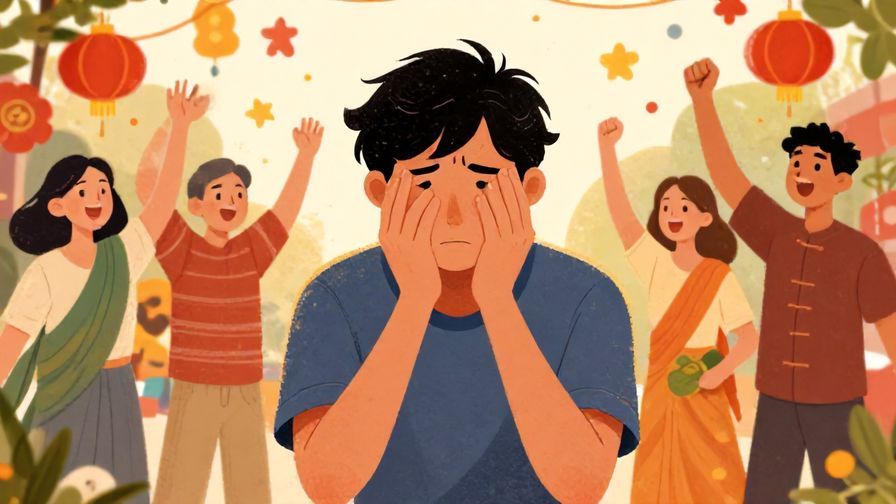
This playful phrase means someone “steals the festival” or fun from others.
“Omatsuri” (お祭り) means festival, and “dorobou” (泥棒) means thief.
It’s a funny way to call out a spoilsport who ruins group celebrations.
Use it with close friends for a lighthearted jab.
Not for formal situations!
“Omatsuri dorobou” can lighten the mood even when calling someone out.
5. つまらない人 (Tsumaranai hito) – “Boring person.”

Simple and direct, this phrase means “boring person.”
“Tsumaranai” (つまらない) means boring or dull, and “hito” (人) means person.
It’s a straightforward way to say someone spoils the fun by being dull.
Use it carefully, since it can hurt feelings if said bluntly.
Great for casual settings with close friends who understand your sense of humor.
Try softening it by adding “ちょっと” (chotto) meaning “a little” before it.
6. 水を差す (Mizu o sasu) – “To pour water (on something).”
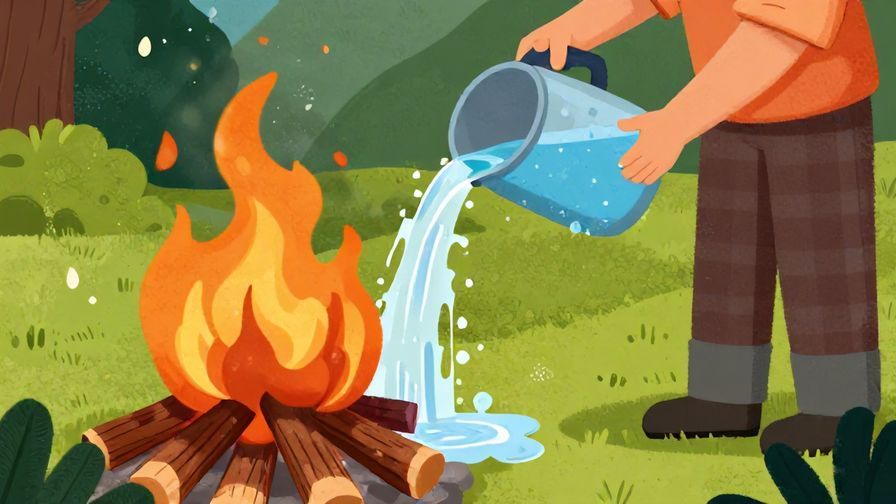
This idiom literally means “to pour water” on a situation, like putting out a fire.
It’s used when someone spoils the mood or fun by saying or doing something negative.
“Mizu” (水) means water and “sasu” (差す) means to pour or insert.
Great for describing spoilsports in a less direct way.
Example: “彼はみんなの話に水を差した。” (Kare wa minna no hanashi ni mizu o sashita.)
It’s a handy phrase to sound more natural and idiomatic!
7. ぶち壊し屋 (Buchikowashi-ya) – “The breaker.”

This is a slang term meaning “someone who breaks things,” metaphorically the fun or mood.
“Buchikowashi” (ぶち壊し) means to smash or ruin, and “-ya” (屋) is a suffix meaning person who does something.
It’s a punchy way to call someone a spoilsport.
Use it carefully — it sounds a bit rough.
Good for joking with close friends or in storytelling.
It’s memorable because of its vivid imagery!
8. いやなやつ (Iya na yatsu) – “Unpleasant person.”

This phrase means “unpleasant person” and can refer to someone who spoils fun by being negative or grumpy.
“Iya na” (いやな) means unpleasant or annoying, and “yatsu” (やつ) is a casual, somewhat rough word for person/guy.
It’s commonly used among friends for light teasing.
Watch your tone, as it can sound rude if used in the wrong context.
Pair it with a smile to keep things friendly!
Example: “またいやなやつが来たね。” (Mata iya na yatsu ga kita ne.)
Part 2: Polite & Formal Suggestions
9. 雰囲気を壊す人 (Fun’iki o kowasu hito) – “A person who breaks the atmosphere.”

This phrase is the polite version of “mood breaker.”
“Fun’iki” (雰囲気) means atmosphere, “kowasu” (壊す) means to break, and “hito” (人) means person.
It’s appropriate in formal or work settings when you want to comment on someone disrupting harmony.
Great for office talk or polite conversations.
Use it carefully to avoid offending.
Example: “彼は雰囲気を壊す人なので注意が必要です。” (Kare wa fun’iki o kowasu hito nanode chūi ga hitsuyō desu.)
10. 空気を読めない人 (Kuuki o yomenai hito) – “A person who can’t read the atmosphere.”

A polite way to say someone can’t “read the room.”
Adding “person” (人) makes it more formal.
Useful in professional or respectful contexts.
It’s a gentle nudge rather than a harsh insult.
Example: “彼女は空気を読めない人です。” (Kanojo wa kuuki o yomenai hito desu.)
Perfect for keeping things civil!
11. 雰囲気を乱す人 (Fun’iki o midasu hito) – “A person who disturbs the atmosphere.”

“Midasu” (乱す) means to disturb or disrupt, so this phrase means someone who disrupts the mood.
It’s another polite way to say spoilsport.
Good for formal or written language.
Use when you want to be clear but not rude.
Example: “彼は会議の雰囲気を乱す人です。” (Kare wa kaigi no fun’iki o midasu hito desu.)
Sound professional but honest.
12. 楽しみを奪う人 (Tanoshimi o ubau hito) – “A person who steals the fun.”

This phrase means someone who takes away the enjoyment.
“Tanoshimi” (楽しみ) means fun or enjoyment, “ubau” (奪う) means to steal, and “hito” (人) means person.
It’s a polite but clear way to describe a spoilsport.
Good for formal writing or speeches.
Example: “彼女はみんなの楽しみを奪う人だ。” (Kanojo wa minna no tanoshimi o ubau hito da.)
Powerful phrasing that gets the point across gently.
13. 気分を害する人 (Kibun o gaisuru hito) – “A person who upsets feelings.”

This phrase means someone who offends or upsets the mood.
“Kibun” (気分) means feelings or mood, and “gaisuru” (害する) means to harm or upset.
It’s a polite way to point out someone spoiling the atmosphere emotionally.
Perfect for careful, formal contexts.
Example: “彼は会話の気分を害する人だ。” (Kare wa kaiwa no kibun o gaisuru hito da.)
Soft but effective.
14. 会話を邪魔する人 (Kaiwa o jama suru hito) – “A person who disrupts conversations.”

This means someone who interrupts or spoils conversations.
“Kaiwa” (会話) means conversation, and “jama suru” (邪魔する) means to disturb or interrupt.
Useful in polite settings to describe a conversational spoilsport.
Example: “彼は会話を邪魔する人です。” (Kare wa kaiwa o jama suru hito desu.)
It’s clear but polite.
Use it when you want to keep it formal yet descriptive.
15. 楽しみを阻む人 (Tanoshimi o habamu hito) – “A person who obstructs fun.”

“Habamu” (阻む) means to obstruct or block, so this phrase means someone who blocks enjoyment.
It’s a polite, descriptive way to say spoilsport.
Use it in formal or neutral conversations.
Example: “彼女はみんなの楽しみを阻む人だ。” (Kanojo wa minna no tanoshimi o habamu hito da.)
A bit more formal than “ubau.”
Great for professional or respectful talk.
16. 場をしらけさせる人 (Ba o shirake saseru hito) – “A person who makes the place dull.”

“Ba” (場) means place or setting, “shirake saseru” means to cause dullness or to kill the mood.
This phrase politely calls someone a spoilsport by saying they make the place dull.
Perfect for formal, social, or work-related situations.
Example: “彼は場をしらけさせる人です。” (Kare wa ba o shirake saseru hito desu.)
Soft but clear.
Useful to keep harmony while pointing out the behavior.
Part 3: Very Casual / Native-like Expressions
17. やけっぱち (Yakeppachi) – “A killjoy or bitter person.”

This slang word means someone bitter or who ruins fun out of frustration.
It’s casual and a bit edgy, often used among close friends.
Perfect to describe a spoilsport who’s acting out of spite.
Example: “彼はいつもやけっぱちだよ。” (Kare wa itsumo yakeppachi da yo.)
Use it carefully; it’s not polite.
Great for native-like casual conversation.
18. ケチ (Kechi) – “A stingy or mean person.”

“Kechi” means stingy or mean, often referring to someone who won’t share or join in fun.
It’s a casual insult but commonly used.
A spoilsport who refuses to participate might be called this.
Example: “あいつはケチだから遊ばない。” (Aitsu wa kechi dakara asobanai.)
Short and punchy.
Use with friends who get your humor.
19. しらけ野郎 (Shirake yarou) – “Mood killer guy.”

This is a very casual and slightly rude way to call someone a spoilsport.
“Shirake” means dull or cold mood, and “yarou” is a rough term for guy.
Only use with very close friends or in jokes.
Example: “お前はしらけ野郎だな。” (Omae wa shirake yarou da na.)
Sounds native but be careful with tone.
Can be funny among friends.
20. ケチくさいやつ (Kechikusai yatsu) – “A stingy/boring guy.”
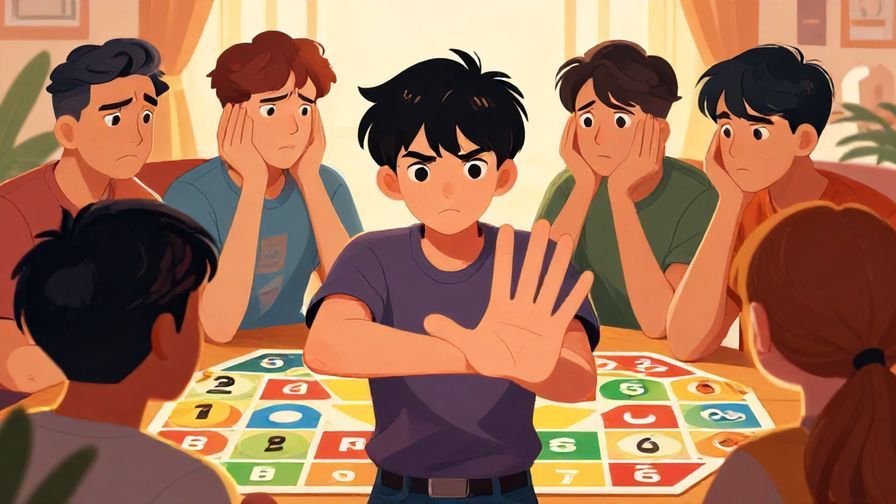
“Kechikusai” means stingy or petty, combined with “yatsu” (guy/person).
It’s a casual insult for someone spoiling the fun by being cheap or negative.
Great for informal chat.
Example: “あいつはケチくさいやつだ。” (Aitsu wa kechikusai yatsu da.)
Use only with people who won’t mind.
It’s a fun phrase to know!
21. 笑いを取らない奴 (Warai o toranai yatsu) – “Guy who doesn’t get laughs.”

This phrase means someone who fails at being funny, often spoiling the mood.
“Warai” (笑い) means laughter, “toranai” means not taking or getting, and “yatsu” is a casual term for guy.
Perfect for joking about a spoilsport who can’t keep the fun going.
Example: “彼は笑いを取らない奴だね。” (Kare wa warai o toranai yatsu da ne.)
Light and playful.
Use with friends for laughs.
22. つまんない奴 (Tsumannai yatsu) – “Boring guy.”

A casual and common way to say someone is boring and spoils the fun.
“Tsumannai” is a slangy form of “tsumaranai,” and “yatsu” means guy/person.
Use it for light teasing among friends.
Example: “お前はつまんない奴だよ。” (Omae wa tsumannai yatsu da yo.)
Simple and effective.
Great for everyday casual talk.
Concluding Thought
Exploring these 22 ways to say “spoilsport” in Japanese shows just how rich and varied the language is when it comes to describing social dynamics.
From playful slang to polite expressions, you’ve got a whole toolbox for every situation and relationship.
Next time someone kills the vibe, you’ll know exactly how to call it out — with just the right tone and words to keep things fun and friendly!