22 Japanese ways to say “Smile”
Smiling is a universal language of happiness, but did you know Japanese has many beautiful ways to say “smile”? Whether you want to brighten someone’s day or express joy in your conversations, Japanese offers a rich palette of expressions.
From casual slang to poetic phrases, each way to say “smile” carries its own nuance and charm. It’s like adding different colors to your emotional vocabulary!
This listicle will introduce you to 22 Japanese ways to say “smile,” complete with pronunciation guides and little tips to help you remember.
Imagine how delightful it would be to sprinkle these phrases naturally into your daily chats or when writing messages to friends. It’s a great way to connect and share warmth.
Learning these expressions also gives you insight into Japanese culture’s beautiful appreciation of subtle emotions and gestures.
Ready to brighten your language skills with smiles? Let’s dive in!
Understanding the Nuances of ‘Smile’ in Japanese
In Japanese, the idea of “smile” can be expressed in many ways, depending on formality and the feeling you want to convey.
Some words are straightforward, like 笑う (warau), meaning “to laugh” or “to smile,” while others describe subtle expressions or the feeling behind a smile.
Knowing these variations helps you sound more natural and shows your respect for the language’s depth.
For those eager to get started, a helpful phrasebook with smile-related expressions can deepen your understanding with real examples.
Let’s explore the first batch of expressions, starting from the casual and friendly.
These will be useful in everyday conversations and help you sound more approachable.
Part 1: Casual Suggestions
1. 笑う (Warau) – “To smile / laugh”
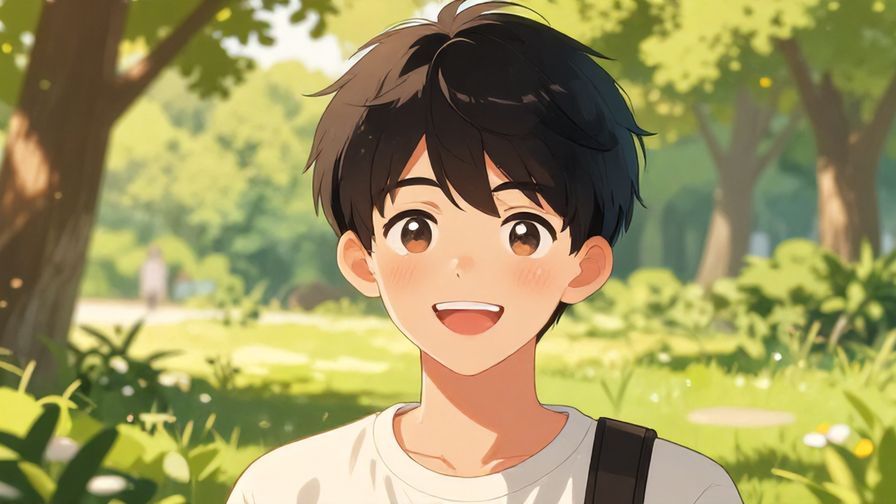
Let’s start with the basics: 笑う (warau) means both “to laugh” and “to smile.”
It’s the go-to verb in Japanese when talking about smiling or laughing, so you’ll hear it often in daily life and media.
Using warau is simple: just conjugate it based on tense or politeness.
For example, 笑っている (waratte iru) means “smiling” or “laughing” right now.
You’ll also find it in compound words like 笑顔 (egao), which specifically means “smiling face.”
Mastering warau gives you a solid foundation to express joy in Japanese naturally.
2. ニコニコ (Nikoniko) – “Smiling happily”
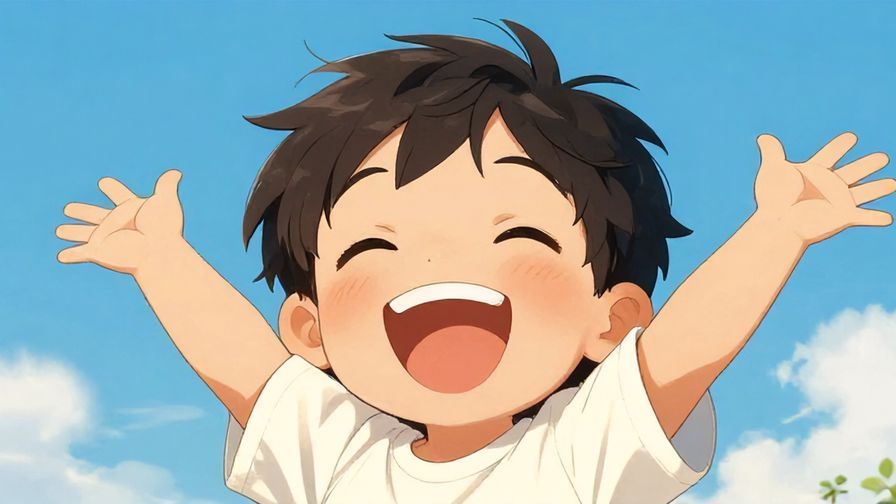
ニコニコ (nikoniko) is a cute onomatopoeia that describes someone smiling happily or cheerfully.
It’s often used to describe a smiling expression in a warm, friendly way.
Try to imagine someone with a big, bright smile and sparkling eyes—that’s nikoniko!
You can use it like: 彼はニコニコしている (kare wa nikoniko shite iru) – “He is smiling happily.”
Be careful not to overuse it in formal situations; it’s best for casual conversations or describing children.
It’s a fun word that adds personality to your descriptions of smiles.
3. 微笑む (Hohoemu) – “To smile gently”
微笑む (hohoemu) means “to smile gently” or “to smile softly.”
This word conveys a subtle, refined smile that’s often quiet and sweet rather than big or loud.
It’s perfect for moments when someone smiles warmly or shyly.
For example, 彼女は微笑んだ (kanojo wa hohoenda) means “She smiled gently.”
It’s a slightly more poetic or literary term, so it’s great for writing or expressing delicate emotions.
Using hohoemu adds elegance when describing smiles.
4. 笑顔 (Egao) – “Smiling face”

笑顔 (egao) literally means “smiling face” and is one of the most common nouns related to smiles.
You’ll hear it in everyday conversations and see it on signs encouraging positivity.
For example, 笑顔が素敵ですね (egao ga suteki desu ne) means “Your smile is lovely.”
It beautifully captures the image of a smile, rather than the act of smiling.
Try using it to compliment someone’s smile—it’s always appreciated.
It’s a versatile word that instantly brightens your speech.
5. にっこり (Nikkori) – “To smile sweetly”
にっこり (nikkori) is another onomatopoeic word to describe a sweet, closed-mouth smile.
It’s often used to describe a calm, warm smile that makes others feel comfortable.
Use it in sentences like: 彼はにっこり笑った (kare wa nikkori waratta) – “He smiled sweetly.”
It’s less intense than ニコニコ (nikoniko) and feels a bit more reserved.
Perfect for polite or gentle smiles.
Adding nikkori to your vocabulary makes your descriptions more expressive.
6. ほほえみ (Hohoemi) – “A smile (noun)”
ほほえみ (hohoemi) is the noun form of 微笑む (hohoemu), meaning “a gentle smile.”
It’s elegant and often used in poetry, novels, or more formal speech.
For example, 彼女のほほえみは美しい (kanojo no hohoemi wa utsukushii) means “Her smile is beautiful.”
It’s a great word to enrich your vocabulary beyond basic terms.
Try to use it when talking about delicate emotions or subtle smiles.
Hohoemi adds a touch of grace to your Japanese.
7. うれしそうな顔 (Ureshisou na kao) – “A happy-looking face”
うれしそうな顔 (ureshisou na kao) means “a happy-looking face.”
It combines うれしい (ureshii), meaning “happy,” with 顔 (kao), meaning “face.”
This phrase is perfect for describing someone who looks like they’re about to smile or are clearly joyful.
Try saying: 彼はうれしそうな顔をしている (kare wa ureshisou na kao o shite iru) – “He has a happy-looking face.”
It’s descriptive and expressive for daily conversations.
Using this phrase helps you talk about emotions clearly.
8. 笑み (Emi) – “Smile (poetic noun)”

笑み (emi) is a poetic and somewhat old-fashioned noun for “smile.”
It’s often used in literature or formal speeches to evoke a warm, heartfelt smile.
Example: 彼女の笑みは忘れられない (kanojo no emi wa wasurerarenai) – “Her smile is unforgettable.”
It’s a beautiful word to use when you want to sound thoughtful or artistic.
Don’t use it too casually, but keep it handy for writing or special occasions.
Emi enriches your emotional expression.
Part 2: Polite & Formal Suggestions
9. 微笑 (Bishō) – “Gentle smile (formal noun)”
微笑 (bishō) is a formal and elegant noun meaning “gentle smile.”
You’ll find it in literature, speeches, and formal writing.
Use it to express a refined or respectful smile.
Example: 彼女は微笑を浮かべた (kanojo wa bishō o ukabeta) – “She wore a gentle smile.”
It’s a great word to learn for professional or cultural contexts.
Using bishō will help you sound polished and sophisticated.
10. 愛想笑い (Aisowarai) – “Polite smile / forced smile”

愛想笑い (aisowarai) means a polite or forced smile, often used to smooth over awkward situations.
It combines 愛想 (aiso), meaning “friendliness,” and 笑い (warai), meaning “laugh or smile.”
It’s common in business or social settings where you smile out of politeness.
Example: 彼は愛想笑いをした (kare wa aisowarai o shita) – “He gave a polite smile.”
Beware: it can imply the smile isn’t entirely genuine.
Knowing this term helps you understand social nuances in Japan.
11. 笑みを浮かべる (Emi o ukaberu) – “To wear a smile”

笑みを浮かべる (emi o ukaberu) means “to wear a smile” or “to have a smile appear on one’s face.”
It’s a polite, somewhat literary way to describe smiling.
Example: 彼女は優しい笑みを浮かべた (kanojo wa yasashii emi o ukabeta) – “She wore a gentle smile.”
Great for formal writing or speeches.
It’s a vivid expression that paints a clear image.
Adding it to your vocabulary will impress native speakers.
12. 笑顔を見せる (Egao o miseru) – “To show a smile”
笑顔を見せる (egao o miseru) means “to show a smile.”
It’s polite and commonly used to describe the act of smiling at someone.
Example: 彼は笑顔を見せた (kare wa egao o miseta) – “He showed a smile.”
It’s useful in both spoken and written contexts.
Try it when you want to highlight the visible smile someone gives.
This expression is straightforward and versatile.
13. 和やかな笑顔 (Nagoyaka na egao) – “Peaceful smile”

和やかな笑顔 (nagoyaka na egao) means “a peaceful smile.”
和やか (nagoyaka) means “gentle” or “peaceful,” so it emphasizes calm happiness.
Example: 彼女の和やかな笑顔に癒された (kanojo no nagoyaka na egao ni iyasareta) – “I was healed by her peaceful smile.”
Perfect for describing smiles that soothe or comfort.
It’s a lovely phrase to show emotional depth.
Use it when talking about warm moments or kindness.
14. にこやか (Nikoyaka) – “Cheerful, smiling” (adjective)
にこやか (nikoyaka) is an adjective meaning “cheerful” or “smiling.”
It describes a person’s general demeanor or expression.
Example: 彼はにこやかな人です (kare wa nikoyaka na hito desu) – “He is a cheerful person.”
It’s polite and positive, great for introductions or compliments.
Use it to describe someone’s warm personality.
Nikoyaka adds brightness to your descriptions.
15. 笑い声 (Waraigoe) – “Laughter”

笑い声 (waraigoe) means “the sound of laughter.”
While it’s not exactly “smile,” laughter usually involves smiling and expresses joy.
Example: 彼女の笑い声が響いた (kanojo no waraigoe ga hibiita) – “Her laughter echoed.”
It’s great to know when describing happy moments or events.
Waraigoe helps you talk about the atmosphere that smiles create.
It enriches your expressions of happiness.
16. 笑みを交わす (Emi o kawasu) – “To exchange smiles”

笑みを交わす (emi o kawasu) means “to exchange smiles.”
This phrase is polite and often used in literature or formal speech.
Example: 彼らは笑みを交わした (karera wa emi o kawashita) – “They exchanged smiles.”
It’s helpful when describing warm, mutual feelings.
Use it to express connection or understanding between people.
It’s a beautiful way to talk about smiles as shared moments.
Part 3: Very Casual / Native-like Expressions
17. へらへら (Hera hera) – “Grinning foolishly / silly smile”
へらへら (hera hera) is an onomatopoeia describing a silly or goofy grin.
It often implies someone is smiling without seriousness or sometimes nervously.
Example: 彼はへらへら笑っていた (kare wa hera hera waratte ita) – “He was grinning foolishly.”
Use it carefully, as it can sound a bit negative or unserious.
It’s great for casual storytelling or humor.
Hera hera adds flavor when describing playful smiles.
18. クスクス (Kusukusu) – “Giggle”

クスクス (kusukusu) is a cute onomatopoeia for a quiet giggle.
It’s used to describe soft, secretive laughter accompanied by small smiles.
Example: みんなでクスクス笑った (minna de kusukusu waratta) – “Everyone giggled together.”
It’s casual and perfect for lighthearted moments.
Using kusukusu makes your description feel lively and intimate.
Try it when talking about funny or cute scenes.
19. うふふ (Ufufu) – “Soft laugh / chuckle”
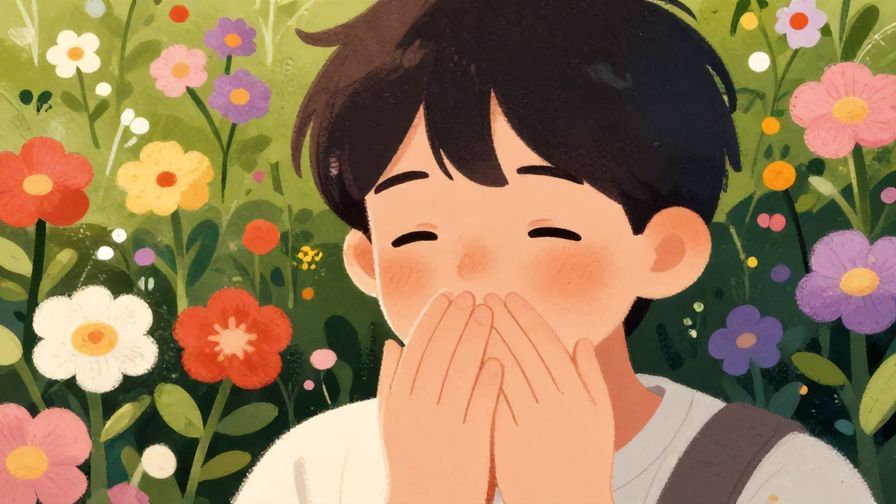
うふふ (ufufu) is a soft, feminine chuckle or laugh sound.
It’s often used to describe a coy or giggly smile.
Example: 彼女はうふふと笑った (kanojo wa ufufu to waratta) – “She chuckled softly.”
It’s playful and casual, great for light conversation.
Using ufufu adds a cute, flirtatious tone to your speech.
Perfect for friendly or romantic contexts.
20. にやにや (Niyaniya) – “Smirk / grin”

にやにや (niyaniya) describes a smirk or sly grin.
It often suggests secret amusement or mischief.
Example: 彼はにやにや笑っていた (kare wa niyaniya waratte ita) – “He was smirking.”
Use it for playful or cheeky smiles.
Be cautious, as it can sound sneaky or unfriendly if overused.
Niyaniya is great for storytelling and character expressions.
21. えへへ (Ehehe) – “Nervous or embarrassed laugh”
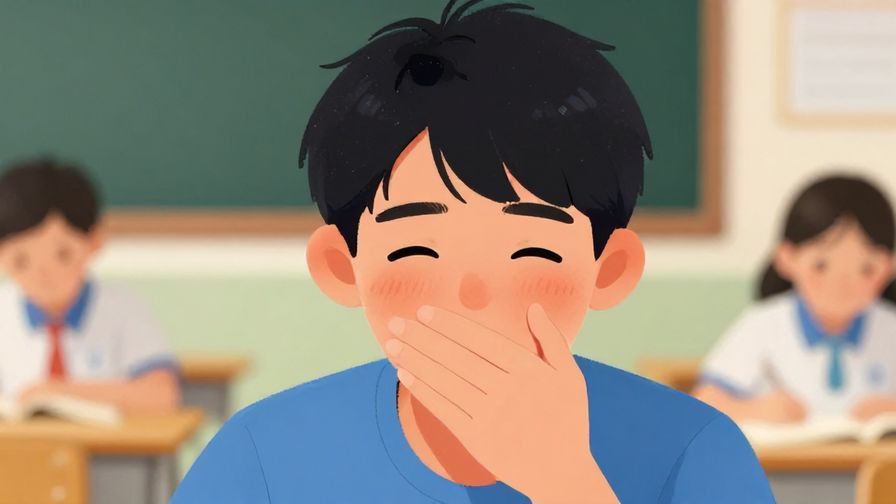
えへへ (ehehe) is a soft laugh often used when someone feels shy or embarrassed.
It usually comes with a small smile and slight blush.
Example: 彼女はえへへと笑った (kanojo wa ehehe to waratta) – “She laughed nervously.”
It’s casual and expresses vulnerability.
Great for friendly or intimate conversations.
Try ehehe when you want to sound endearing.
22. ほっこり笑う (Hokkori warau) – “To smile warmly / with heartwarming feeling”

ほっこり笑う (hokkori warau) means “to smile warmly” or “to smile with a heartwarming feeling.”
ほっこり (hokkori) conveys a cozy, comforting feeling, like warm tea on a cold day.
Example: 彼の話にみんながほっこり笑った (kare no hanashi ni minna ga hokkori waratta) – “Everyone smiled warmly at his story.”
It’s a lovely expression for gentle, happy moments.
Use it to describe smiles that feel soothing or sincere.
Hokkori warau brings emotional warmth to your Japanese.
Concluding Thought
Exploring these 22 Japanese ways to say “smile” shows how rich and expressive the language can be.
Each word or phrase paints a slightly different shade of happiness, from goofy grins to gentle, heartfelt smiles.
Try sprinkling these expressions into your conversations and writing, and you’ll find your Japanese feels more natural, warm, and colorful. Keep smiling—and keep learning!