22 Japanese ways to say “See You Tomorrow”
Japanese is such a warm and expressive language, and saying “See you tomorrow” can come in many delightful flavors.
Whether you’re chatting casually with friends or keeping things polite with coworkers, there’s a perfect phrase waiting for you.
In this list, you’ll discover 22 different ways to say “See you tomorrow” in Japanese, each with its own nuance and charm.
By exploring these variations, you’ll not only sound more natural but also deepen your understanding of Japanese culture and conversation.
Learning these phrases can be both fun and practical, helping you build stronger connections with native speakers.
So, let’s dive in and find the perfect “See you tomorrow” for every occasion!
Getting Ready to Say “See You Tomorrow” in Japanese
Before we jump into the list, it’s good to know that Japanese varies a lot depending on who you’re talking to.
Some phrases are casual and perfect for friends, while others are polite and suited for work or formal settings.
Understanding this will help you pick the right tone and avoid awkward moments.
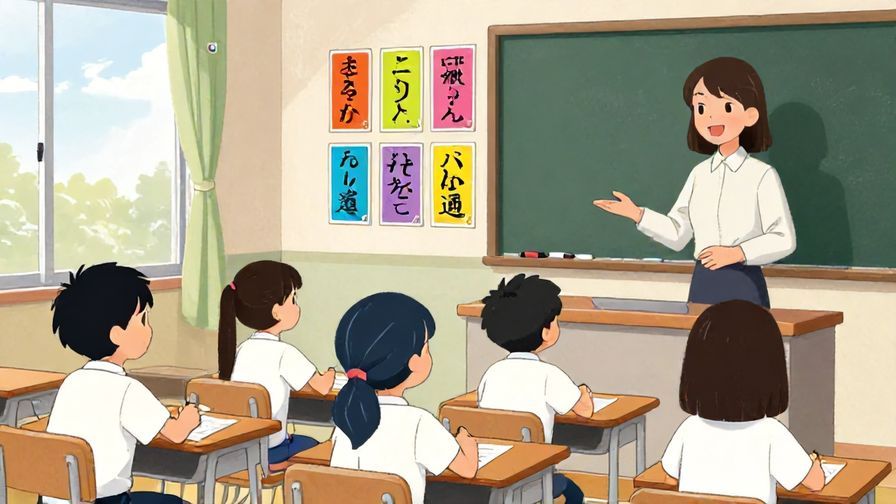
Sometimes, using a great beginner phrasebook can give you a perfect starting point for a cohesive understanding.
It’s easier to practice and remember when you have context for when and how to use each phrase.
And don’t worry — we’ll keep everything clear and simple so you can start using these right away.
Part 1: Casual Suggestions
1. また明日ね (Mata ashita ne) – “See you tomorrow, okay?”

This is the most common casual way to say “See you tomorrow” among friends.
“また (Mata)” means “again,” “明日 (Ashita)” means “tomorrow,” and “ね (Ne)” adds a friendly confirmation tone.
It’s easy to remember because it feels just like saying “See you tomorrow, okay?” in English.
This phrase is warm and inviting, perfect for informal goodbyes.
You might also hear just “またね (Mata ne),” which means “See you,” but “また明日ね” is more specific.
Try using this with your Japanese friends to sound natural and approachable!
2. 明日またね (Ashita mata ne) – “Tomorrow, again, okay?”

This phrase flips the word order a bit but means the same as “また明日ね.”
It’s casual and easy to say, with “明日 (Ashita)” meaning “tomorrow” upfront.
Practicing this rearrangement helps you get used to Japanese sentence flow.
It’s great for conversations that flow naturally without sounding rehearsed.
Avoid using this in very formal settings, as it’s quite relaxed.
Use it with classmates or colleagues you’re friendly with for a smooth farewell.
3. また明日!(Mata ashita!) – “See you tomorrow!”
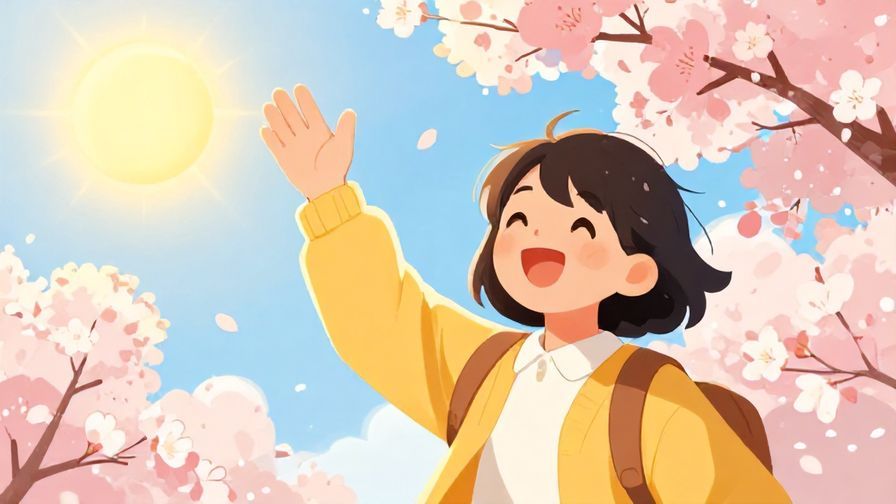
Dropping the “ね” makes it a simple and energetic goodbye.
This is perfect when you want to be clear but keep it light and friendly.
Since it’s short and sweet, it’s easy to say anytime.
It’s a straightforward, cheerful way to say “See you tomorrow.”
People often use this among friends or coworkers at the end of the day.
Try it out and feel the friendly vibe it spreads!
4. 明日会おうね (Ashita aou ne) – “Let’s meet tomorrow, okay?”

This phrase focuses on meeting up the next day rather than just saying goodbye.
“会おう (Aou)” comes from the verb “会う (Au),” meaning “to meet,” in its volitional form, which suggests intention.
Adding “ね” makes it friendly and confirming.
This is perfect if you want to suggest or confirm plans for tomorrow.
It’s casual but a bit more proactive than just saying “See you.”
Great for friends or close colleagues planning to hang out or work together.
5. 明日よろしく (Ashita yoroshiku) – “Thanks in advance for tomorrow”
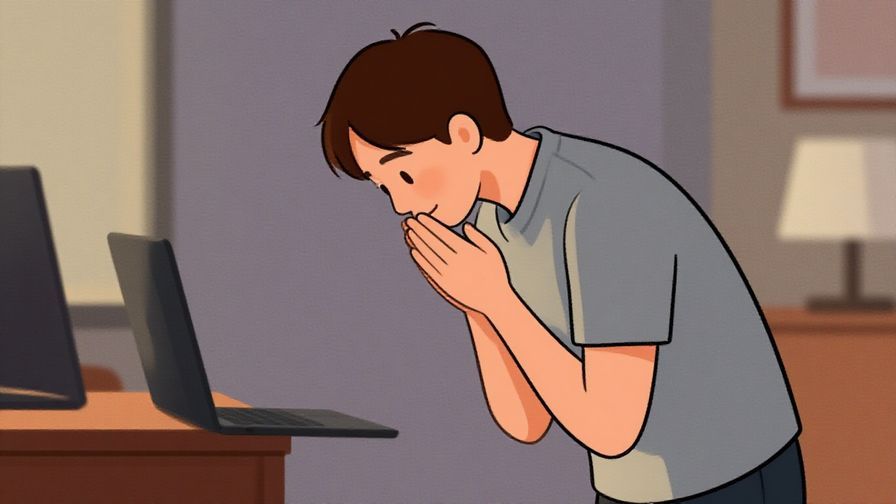
This phrase is used when you expect to meet tomorrow and want to show appreciation ahead of time.
“よろしく” is shorthand for “よろしくお願いします,” which means “please take care of it” or “thank you in advance.”
It’s casual but polite enough for friends or coworkers.
Useful when you have plans or work lined up for the next day.
Don’t use this as a standalone farewell without context—it implies expectations.
Try it when you want to sound thoughtful and polite among peers.
6. また明日な (Mata ashita na) – “See you tomorrow, dude”

Adding “な (Na)” at the end adds a masculine, laid-back tone.
This is very casual and mostly used by guys among close friends.
The phrase feels like saying “See ya tomorrow, man” in English.
It’s great for informal settings but avoid using it with strangers or in formal situations.
Using this helps you sound more like a native speaker in casual male conversations.
Pair it with a friendly smile to keep the tone warm.
7. 明日またな (Ashita mata na) – “Tomorrow, see ya”

This is a variant of #6, switching the word order but keeping the casual spirit.
It’s easy to say quickly and shows a relaxed attitude.
Perfect for texting or quick goodbyes among friends.
Like “またな,” it’s not for formal or unfamiliar company.
Useful for sounding spontaneous and friendly.
Practice this if you want to blend in with younger Japanese speakers.
8. 明日ね! (Ashita ne!) – “Tomorrow, okay!”

This short phrase adds a friendly “ね” to “tomorrow,” making it feel like a quick confirmation.
It’s casual and enthusiastic, great for quick chats.
Can be used on its own or at the end of a conversation.
It’s simple but effective for friendly farewells.
Keep it light and smile when you say it.
It’s a natural phrase you’ll hear often in everyday conversation.
Part 2: Polite & Formal Suggestions
9. また明日お会いしましょう (Mata ashita oaishimashou) – “Let’s meet again tomorrow”
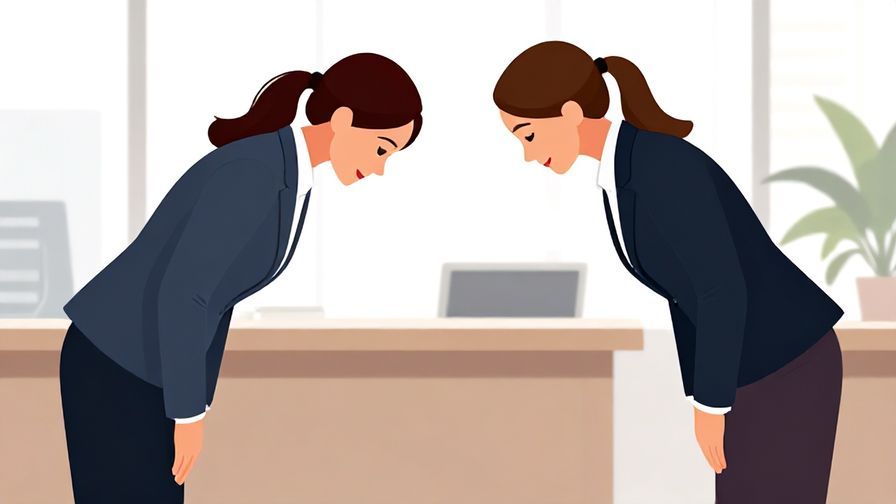
This is a polite and formal way to say “See you tomorrow.”
“お会いしましょう (Oaishimashou)” is the polite volitional form of “to meet.”
It’s perfect for coworkers, clients, or formal acquaintances.
The phrase shows respect and professionalism.
Use this when you want to sound courteous and responsible.
It’s a great phrase to practice for business or formal social settings.
10. 明日またお目にかかりましょう (Ashita mata ome ni kakarimashou) – “Let’s meet again tomorrow” (very formal)
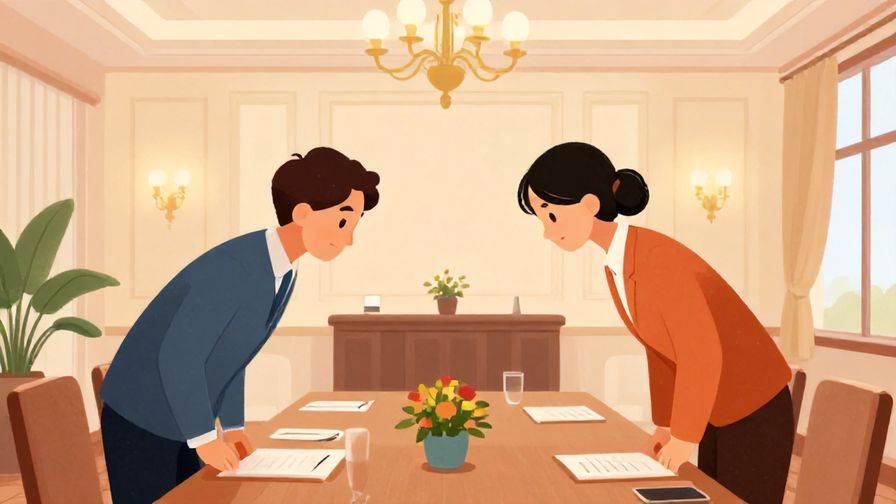
This is a very formal and respectful phrase, often used in business or official contexts.
“お目にかかる” is a humble way of saying “to meet.”
Adding “ましょう” makes it an invitation or polite suggestion.
Use this with superiors or in official announcements.
It sounds elegant and shows high respect.
Great for mastering formal Japanese etiquette.
11. 明日もよろしくお願いします (Ashita mo yoroshiku onegaishimasu) – “Please take care of me tomorrow as well”
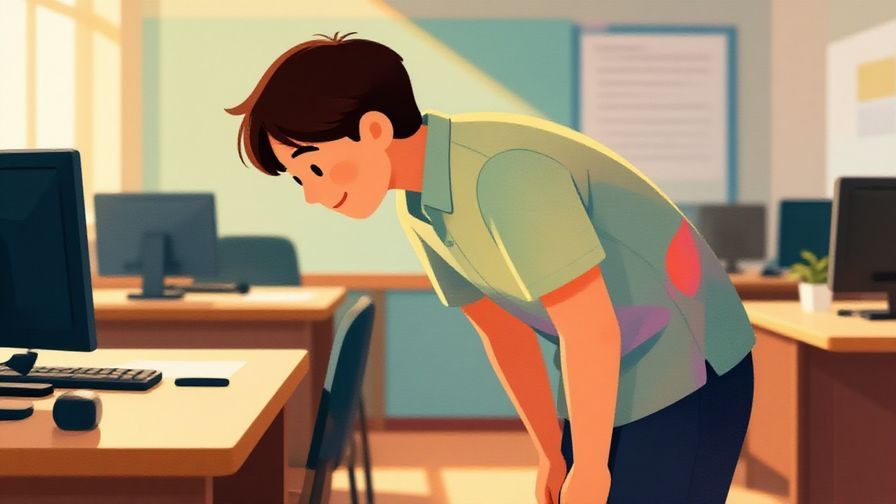
This phrase is polite and often used in work or service settings.
It expresses appreciation and expectation for continued cooperation.
“も (Mo)” means “also,” implying the relationship continues tomorrow.
Perfect for colleagues, clients, or customers.
Avoid using this with casual friends—it feels too formal.
Practice this to show professionalism and respect.
12. 明日お楽しみにしております (Ashita otanoshimi ni shite orimasu) – “Looking forward to tomorrow” (formal)

This phrase expresses polite anticipation for tomorrow’s meeting or event.
It’s formal and respectful, great for business or formal invitations.
“お楽しみにしております” means “I am looking forward to it.”
Use it to sound courteous and positive.
It’s a nice way to show enthusiasm without being too casual.
Perfect for emails or formal conversations.
13. 明日お会いできるのを楽しみにしています (Ashita oaidekiru no o tanoshimi ni shiteimasu) – “I’m looking forward to seeing you tomorrow”

This is a polite but friendly way to say you’re excited about tomorrow’s meeting.
It’s a longer phrase, good for emails or formal chats with acquaintances.
“お会いできるのを” means “being able to meet.”
It’s a positive phrase that builds rapport.
Use it when you want to sound polite yet warm.
Practice this to sound more natural in formal situations.
14. 明日お約束しております (Ashita oyakusoku shite orimasu) – “We have an appointment tomorrow” (formal)

This phrase confirms you have a scheduled meeting or appointment tomorrow.
“お約束” means “promise” or “appointment.”
It’s formal and polite, used in business and official contexts.
Helpful to confirm plans clearly and professionally.
Don’t use this phrase casually—it sounds too official.
Great for practicing formal Japanese communication.
15. 明日も頑張りましょう (Ashita mo ganbarimashou) – “Let’s do our best again tomorrow” (polite)

This is a polite, encouraging way to say “See you tomorrow” with motivation.
“頑張りましょう” means “let’s do our best.”
It’s great for coworkers or teammates.
Shows support and a positive attitude toward tomorrow.
Use it to build team spirit politely.
Try this to sound encouraging and professional.
16. 明日も宜しくお願いいたします (Ashita mo yoroshiku onegai itashimasu) – “Humbly please take care of me tomorrow as well”
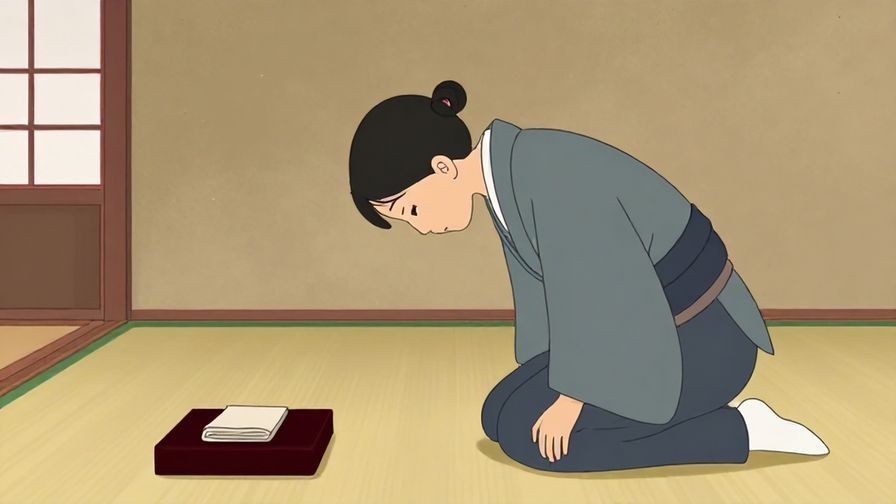
This is an extra polite and humble version of #11.
“お願いいたします” is keigo (honorific language) used in very formal contexts.
Use this phrase with clients, bosses, or important contacts.
It shows deep respect and professionalism.
A bit long but perfect for emails or formal letters.
Practice this to master respectful Japanese expressions.
Part 3: Very Casual / Native-like Expressions
17. 明日な!(Ashita na!) – “See ya tomorrow!” (very casual)

This is an ultra-casual way to say “See you tomorrow,” often among close friends.
Dropping “また” and just saying “明日な” gives a cool, laid-back vibe.
Perfect for texting or hanging out with your best buddies.
Avoid using it with people you don’t know well.
It’s like saying “See ya tomorrow, dude!”
Try this if you want to sound very natural and native-like.
18. 明日もよろしくな (Ashita mo yoroshiku na) – “Take care of me tomorrow too, okay?” (casual male)

This is a masculine, casual version of #11, adding “な” for a friendly tone.
It’s often used between close male friends or coworkers.
Shows both politeness and camaraderie.
Not suitable for formal situations.
Use it to sound approachable and natural.
Great for casual, friendly conversations.
19. 明日よろしくな!(Ashita yoroshiku na!) – “See you tomorrow, thanks!” (casual)

This phrase is casual and friendly, combining thanks and a farewell.
“よろしくな” adds a warm, informal touch.
Good for texting or casual chats.
Shows gratitude and friendliness in one go.
A nice phrase to end a conversation with friends.
Try this for a smooth and casual goodbye.
20. 明日遊ぼうね (Ashita asobou ne) – “Let’s hang out tomorrow, okay?”

This is a casual invitation to hang out the next day.
“遊ぼう” is the volitional form of “遊ぶ (asobu),” meaning “to play” or “to hang out.”
Adding “ね” makes it friendly and inviting.
Perfect for casual meetups with friends.
It’s more than just saying goodbye—it’s an active plan.
Use it to sound spontaneous and fun.
21. 明日またな!(Ashita mata na!) – “Tomorrow, see ya!” (very casual)

Another very casual, native-like way to say “See you tomorrow.”
“またな” is a popular male phrase for “See ya.”
Adding “明日” upfront specifies the time.
Use this among close friends for a natural feel.
It’s relaxed but clear.
Practice this to sound like a local youth.
22. 明日な、よろしく!(Ashita na, yoroshiku!) – “Tomorrow, thanks!” (very casual)

This short phrase is casual and friendly, combining “tomorrow” and “thank you.”
It’s informal and often used in texting or casual speech.
“よろしく” expresses gratitude or expectation.
Adding “な” softens the tone and adds warmth.
Great for close friends or teammates.
Try this to sound effortlessly natural.
Concluding Thought
Exploring these 22 ways to say “See you tomorrow” in Japanese shows just how rich and expressive the language is.
From casual chats with friends to formal business meetings, each phrase carries its own nuance and warmth.
Keep practicing these, and you’ll find yourself sounding more natural and confident in every goodbye!