22 Japanese ways to say “See You Later”
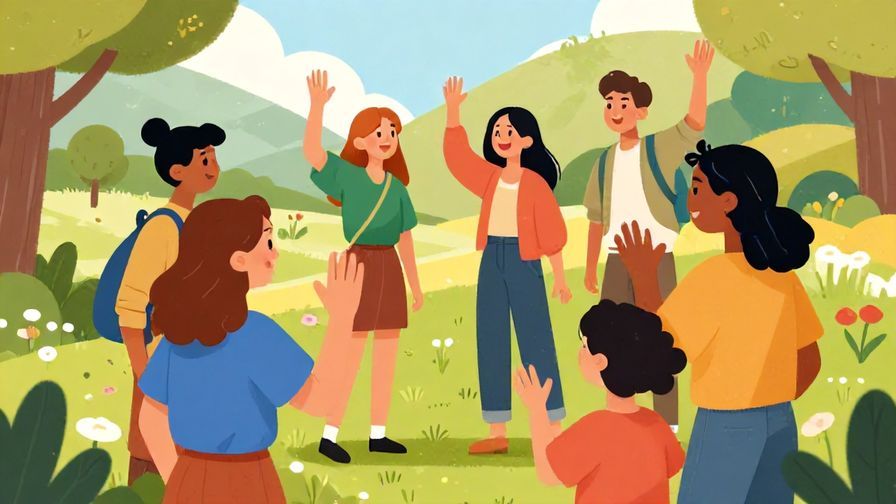
Saying goodbye in Japanese doesn’t have to be just one phrase. There are so many ways to say “See you later” that can match the mood, relationship, or situation perfectly.
Whether you’re chatting with friends or wrapping up a formal meeting, Japanese offers a warm variety of expressions that feel personal and natural.
Exploring these phrases can make your conversations feel more authentic and help you connect deeper with Japanese speakers.
In this article, we’ll walk through 22 easy, informal, and polite ways to say “See you later” in Japanese, along with pronunciation guides and tips for using each phrase.
Learning these phrases also gives you a little taste of the culture behind them, making each goodbye a bit more meaningful.
Ready to expand your Japanese farewells? Let’s dive in!
Understanding Saying “See You Later” in Japanese
Japanese offers a rich palette of casual, polite, and very informal ways to say “See you later.”
Each phrase carries its own feeling — from friendly and relaxed to respectful and formal. Knowing when to use each can really brighten your conversations.
Make sure to listen to native speakers and try repeating these phrases yourself for the best results.
Sometimes, using a great beginner phrasebook can give you a perfect starting point for a cohesive understanding.
Once you get the hang of the basics, branching out to different styles of farewells becomes fun and natural.
Remember, tone and context matter, so don’t hesitate to adjust your goodbye based on who you’re talking to!
Part 1: Casual Suggestions
1. またね (Mata ne) – “See you later!”

“またね” (Mata ne) is one of the most common ways to say “See you later” casually among friends.
“また” (Mata) means “again,” and “ね” (ne) adds a friendly, confirming tone like “okay?” or “right?” So it’s like saying, “See you again, okay?”
It’s easy to remember because it sounds just like “mata,” a simple repeating sound.
You can use this after hanging out with close friends or family.
It’s less formal, so avoid using it in professional situations.
Try saying it aloud after your next casual chat to make your goodbyes feel warm and friendly.
2. じゃあね (Jā ne) – “Well then, see you!”

“じゃあね” (Jā ne) is a casual, slightly playful way to say “See you then!”
Here, “じゃあ” (Jā) means “well then” or “so,” and “ね” (ne) adds a friendly touch.
This phrase feels very natural and is perfect after a casual conversation.
Be careful not to use it in formal settings, as it’s quite informal.
Example: After finishing a coffee date, you can say, “じゃあね!”
It’s a great phrase to practice for everyday farewells with people you’re close to.
3. また明日 (Mata ashita) – “See you tomorrow!”

“また明日” (Mata ashita) literally means “See you tomorrow.”
“また” (Mata) means “again,” and “明日” (ashita) means “tomorrow.”
It’s perfect when you expect to see someone the next day.
This phrase is simple and direct, great for students or coworkers.
Try using it when leaving class or work to leave a friendly impression.
It’s a nice way to confirm you’ll meet again soon.
4. じゃあ、また (Jā, mata) – “Well, see you again.”
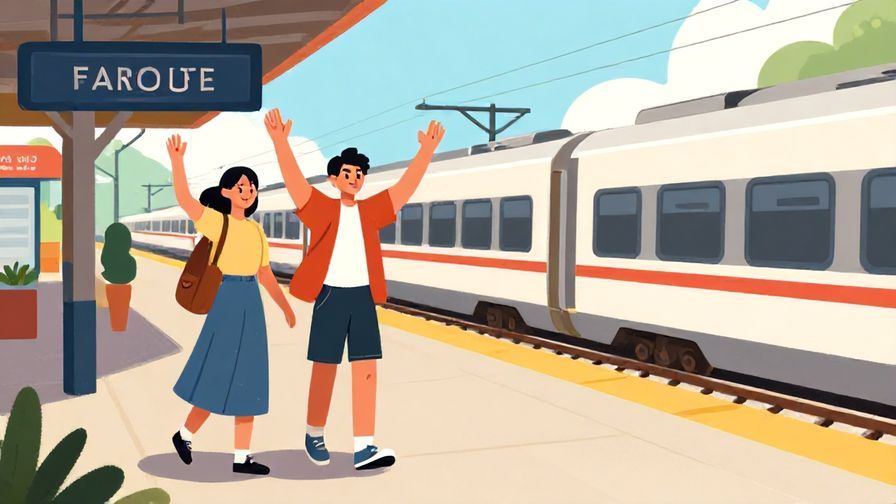
“じゃあ、また” (Jā, mata) is similar to “じゃあね” but slightly more neutral.
“じゃあ” (Jā) means “well then,” and “また” (mata) means “again.”
It’s a great all-round casual phrase to say “See you later.”
Good for friends or acquaintances.
It’s less playful than “じゃあね” but still friendly.
You can use it when parting ways after a casual meetup.
5. また後で (Mata ato de) – “See you later (afterwards).”
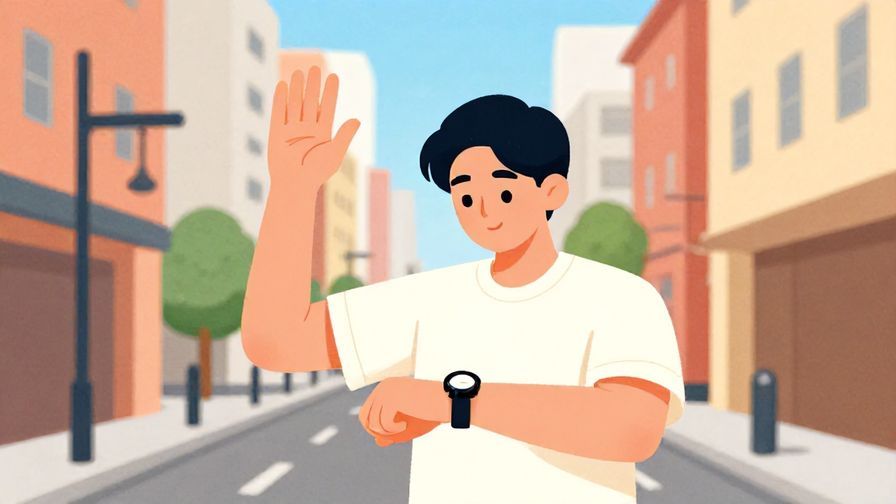
“また後で” (Mata ato de) is a casual phrase meaning “See you later” with an emphasis on “after a while.”
“後で” (Ato de) means “later” or “afterwards.”
It’s perfect when you expect to meet again soon, maybe in the same day.
Try this when you’re saying goodbye to coworkers on a break.
It’s commonly used and easy to remember, especially if you associate “後で” with “later.”
This phrase adds a bit more clarity about when you’ll see each other again.
6. バイバイ (Bai bai) – “Bye-bye!”
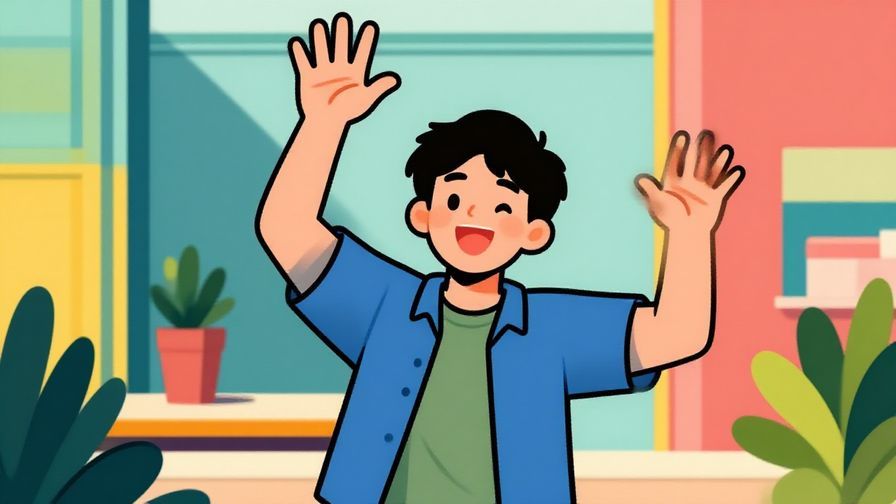
“バイバイ” (Bai bai) is the Japanese way of saying “Bye-bye,” borrowed from English.
It’s very casual, cute, and friendly.
Perfect for informal goodbyes with friends or children.
It’s easy to use and remember because it sounds just like the English phrase.
Keep in mind it’s not suitable for formal occasions.
Use it to add a playful vibe to your farewells.
7. またねー (Mata ne~) – “See ya!” (with a drawn-out sound)
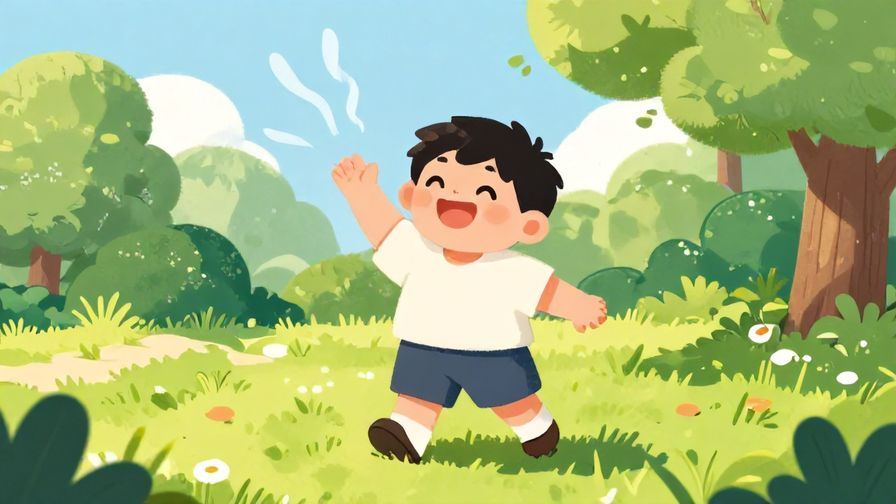
Adding a prolonged “ー” sound to “またね” makes it sound extra casual and friendly.
“またねー” (Mata ne~) feels like a laid-back “See ya!”
It’s super common among young people and close friends.
This style conveys warmth and comfort.
Try using it in text messages or casual chats.
It’s an easy way to sound more native-like and relaxed.
8. じゃあまたね (Jā mata ne) – “Alright, see you later!”

“じゃあまたね” (Jā mata ne) combines “Well then” with “See you later.”
It’s friendly and casual but a bit more complete than just “またね.”
Great for wrapping up conversations warmly.
Use it with friends or classmates.
This phrase balances casualness with a little formality.
It’s a solid choice when you want to sound friendly but polite.
Part 2: Polite & Formal Suggestions
9. 失礼します (Shitsurei shimasu) – “Excuse me / See you later (formal).”
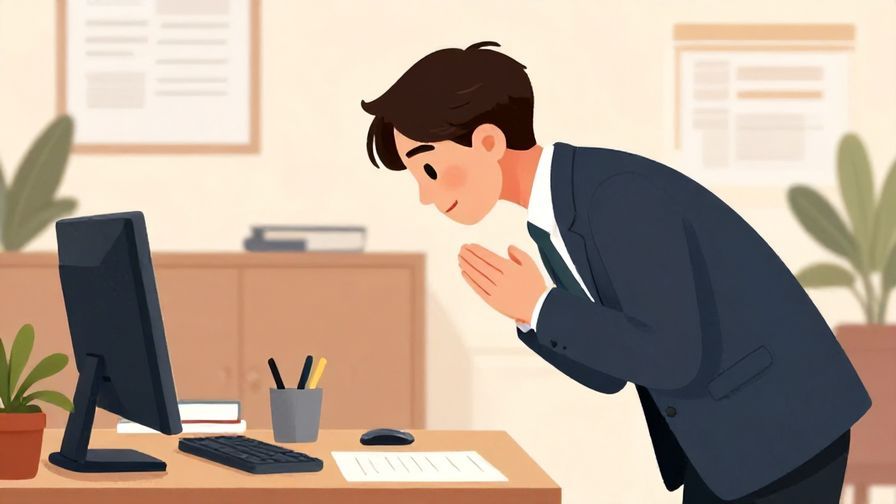
“失礼します” (Shitsurei shimasu) literally means “Excuse my rudeness,” but is often used as a polite way to say “See you later” or “Goodbye” in formal contexts.
It’s common in workplaces or when leaving a meeting.
Using this shows respect and professionalism.
It’s a safe phrase if you’re unsure about formality.
Try it after finishing a business call or leaving an office.
It helps maintain good manners and positive impressions.
10. お疲れ様でした (Otsukaresama deshita) – “Thank you for your hard work / See you later.”

“お疲れ様でした” (Otsukaresama deshita) is a polite phrase meaning “Thank you for your hard work.”
It’s often used when parting ways after work or meetings.
It conveys appreciation and a polite farewell.
Great for coworkers or professional settings.
Try using it at the end of a workday with colleagues.
It’s a culturally respectful way to say “See you later.”
11. では、また (Dewa, mata) – “Well then, see you again.”
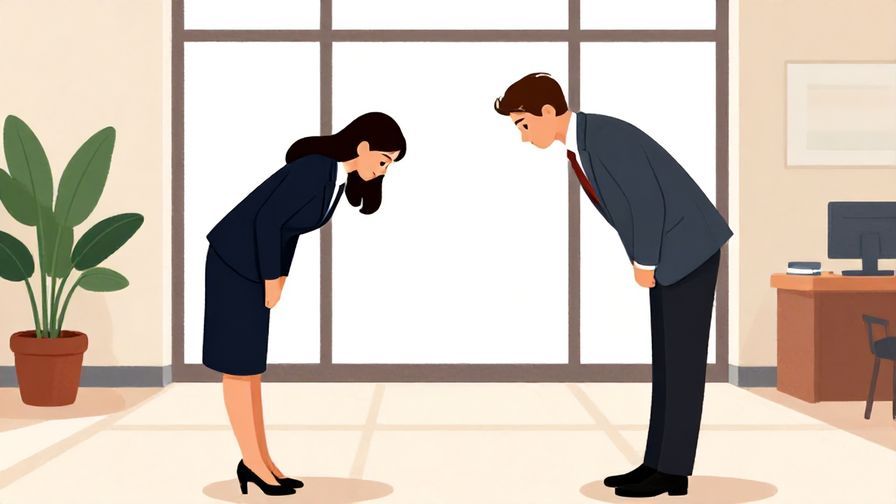
“では、また” (Dewa, mata) is polite and neutral.
“では” (Dewa) means “well then,” and “また” (mata) means “again.”
It’s commonly used in both formal and semi-formal situations.
It’s polite without being overly stiff.
Use it at the end of a conversation with teachers or acquaintances.
It’s a versatile phrase to keep handy.
12. 失礼いたします (Shitsurei itashimasu) – “Excuse me (very polite).”
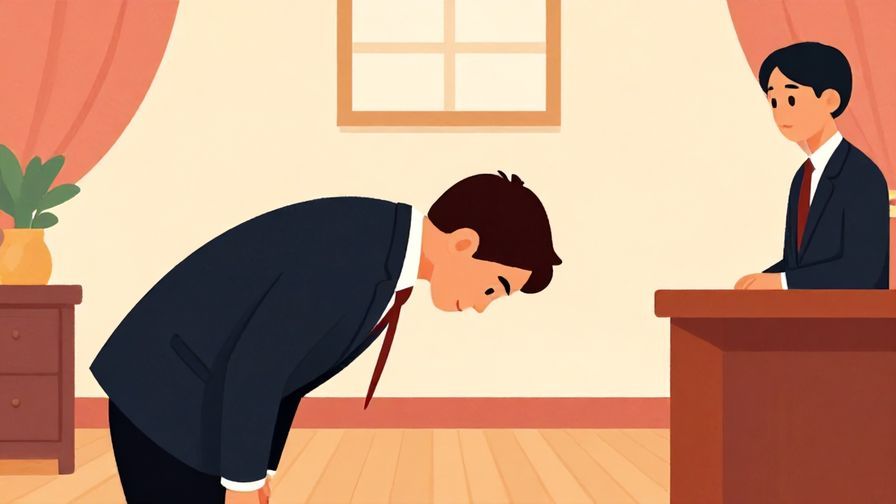
“失礼いたします” (Shitsurei itashimasu) is a more formal and humble version of “失礼します.”
It’s great when speaking to superiors or in very formal contexts.
Shows deep respect and politeness.
Use it when leaving a formal meeting or event.
It’s a good phrase to learn if you want to sound very professional.
Perfect for business or formal social gatherings.
13. またお会いしましょう (Mata o ai shimashō) – “Let’s meet again.”

“またお会いしましょう” (Mata o ai shimashō) means “Let’s meet again.”
It’s polite and expresses hope for a future meeting.
Commonly used in professional or formal social settings.
You’ll find it useful when parting company at events or conferences.
It’s a warm, respectful way to say “See you later.”
Try it when you want to sound hopeful and courteous.
14. ごきげんよう (Gokigen yō) – “Farewell / Take care.”
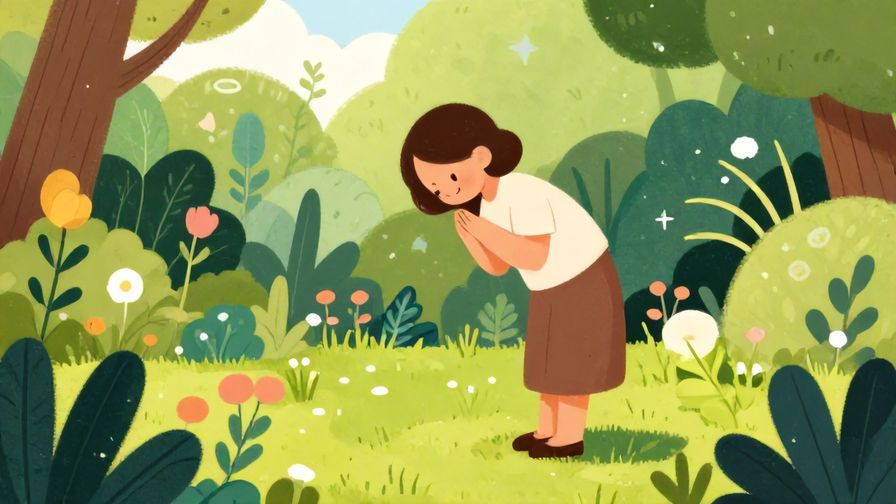
“ごきげんよう” (Gokigen yō) is a very polite and somewhat formal way to say goodbye.
It’s often used among women or in old-fashioned contexts.
The phrase means “May you be well” or “Farewell.”
It’s less common in casual speech but lovely in formal letters or speeches.
If you want to sound elegant, this is a great phrase to know.
Use it to leave a refined, respectful impression.
15. またよろしくお願いします (Mata yoroshiku onegaishimasu) – “Looking forward to seeing you again.”

“またよろしくお願いします” (Mata yoroshiku onegaishimasu) is polite and forward-looking.
It means “Please take care of me again” or “Looking forward to our next meeting.”
Common in business or formal relationships.
This phrase builds goodwill for future encounters.
Try it when ending meetings or negotiations.
It’s a professional way to say “See you later.”
16. では、失礼します (Dewa, shitsurei shimasu) – “Well then, excuse me.”
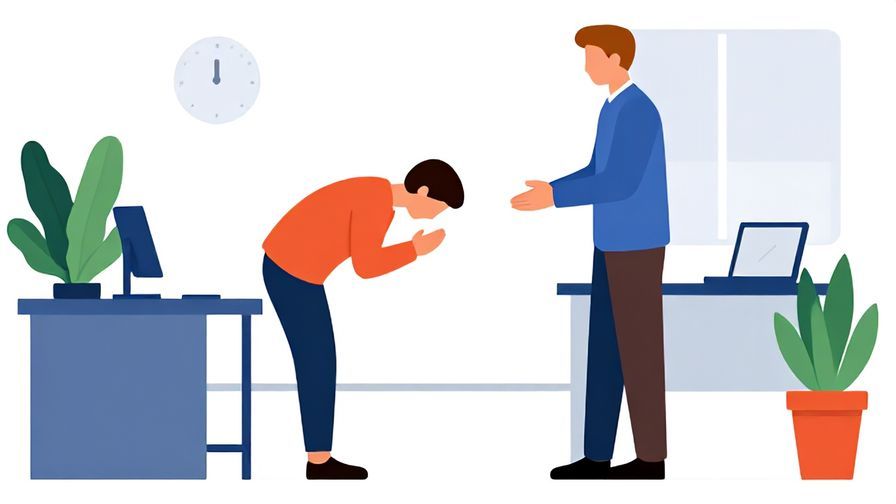
“では、失礼します” (Dewa, shitsurei shimasu) combines “Well then” and “Excuse me.”
It’s polite and commonly used when leaving formal settings.
It’s a respectful way to say “See you later.”
Use it when ending phone calls or meetings.
This phrase helps you leave a good impression.
Keep it in your polite Japanese toolkit.
Part 3: Very Casual / Native-like Expressions
17. またな (Mata na) – “See ya!” (very casual, masculine)

“またな” (Mata na) is a very casual, masculine way to say “See ya.”
It’s commonly used among young men or close male friends.
The “な” (na) adds a relaxed, informal tone.
Best used only with people you know well.
Avoid in formal or mixed gender groups.
It’s a simple phrase that sounds very natural in casual conversations.
18. じゃあな (Jā na) – “See ya!” (very casual)

“じゃあな” (Jā na) is similar to “またな” but with “じゃあ” meaning “well then.”
It’s a very casual, friendly goodbye.
Used mostly among close friends or young people.
It’s perfect for casual texts or in-person chats.
This phrase is easy to remember and widely used.
Try it to sound like a native teen or young adult.
19. バイバイまたね (Bai bai mata ne) – “Bye-bye, see you later!”

Combining “バイバイ” (Bai bai) with “またね” (Mata ne) makes for a cute, casual farewell.
It’s playful and affectionate.
Great for friends or family, especially kids.
Use it to soften your goodbye and add cheer.
It’s easy to say and memorable.
Perfect for light-hearted moments.
20. また明日ね (Mata ashita ne) – “See you tomorrow, okay?”
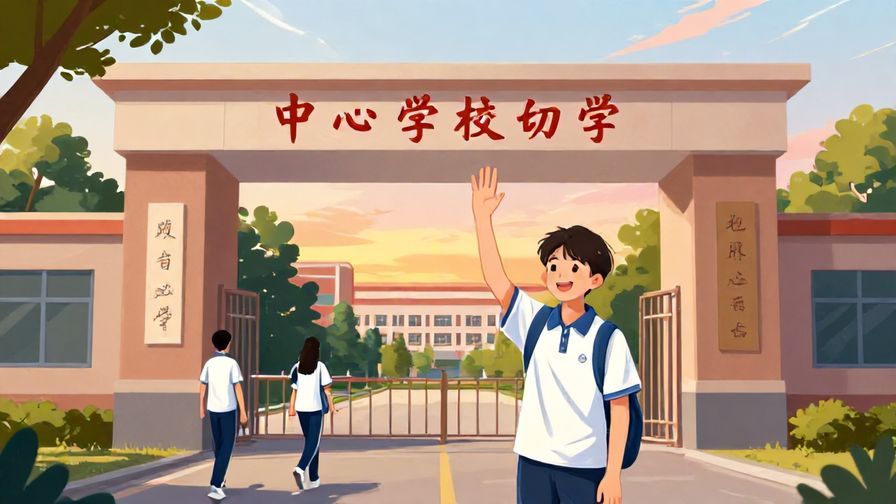
“また明日ね” (Mata ashita ne) adds a friendly “ね” to “See you tomorrow.”
It softens the phrase and makes it more personal.
Great for classmates or coworkers.
Try using it to sound warm and approachable.
It’s a small addition that makes a big difference.
Practice it to sound natural in daily chats.
21. また後でね (Mata ato de ne) – “See you later, okay?”

“また後でね” (Mata ato de ne) adds the friendly “ね” to “See you later.”
It’s casual and warm.
Perfect for friends or family when you expect to meet later.
Try it to sound more native and friendly.
The “ね” invites agreement and connection.
It’s a great phrase for everyday use.
22. じゃあ、また明日 (Jā, mata ashita) – “Well, see you tomorrow.”

“じゃあ、また明日” (Jā, mata ashita) is a casual and friendly way to say “Well then, see you tomorrow.”
It combines “Well then” with “See you tomorrow.”
Great for ending conversations with friends or coworkers.
It feels natural and warm.
Practice this one to sound smooth and native.
A perfect phrase to wrap up your day.
Concluding Thought
Exploring these 22 ways to say “See you later” in Japanese shows just how rich and nuanced Japanese farewells can be.
Whether casual or formal, each phrase carries its own warmth and intention.
Keep practicing, and soon you’ll find the perfect goodbye for every occasion, making your Japanese feel more natural and heartfelt!