22 Japanese ways to say “Saved by the bell”
Ever had that heart-stopping moment when you thought you were done for, but then—bam!—something swoops in and saves you just in time? In English, we call that being “Saved by the bell.”
Japanese has its own ways to express this feeling, often packed with cultural nuance and a sprinkle of humor.
If you’re learning Japanese or just love language quirks, these 22 Japanese phrases will give you fresh ways to say “saved by the bell.”
From casual to formal, and even some native-like slang, you’ll find gems that fit every situation.
Mastering these will not only boost your vocabulary but also help you catch the right vibe when timing is everything.
Ready to jump in and learn how to say “saved by the bell” in Japanese? Let’s get started!
Understanding “Saved by the Bell” in Japanese
Japanese doesn’t have a direct equivalent phrase, but there are plenty of ways to express the idea of being rescued just in time.
These expressions often describe narrowly escaping trouble or being helped out at the last moment.
Knowing these phrases can add color to your conversations and help you sound more natural.
Sometimes, using a great Japanese idioms book can give you a perfect starting point for a cohesive understanding.
Once you get a feel for these phrases, you’ll spot them in movies, anime, and everyday conversations.
They’re easy to learn and fun to use, so let’s dive into the list!
Part 1: Casual Suggestions
1. 助かった! (Tasukatta!) – “I was saved!”
This is the simplest, most straightforward way to say “saved” or “that helped me out!”
Just shout 助かった! (Tasukatta! / tah-skah-kah-tah) when you narrowly avoid trouble or when someone helps you just in time.
It works in casual settings and feels very natural.
Imagine barely making a train and saying this as it pulls away.
It literally means “I was helped” or “I was saved,” making it easy to remember.
Great for sharing your relief with friends or colleagues!
2. 間一髪だった (Kanippatsu datta) – “It was a close call.”
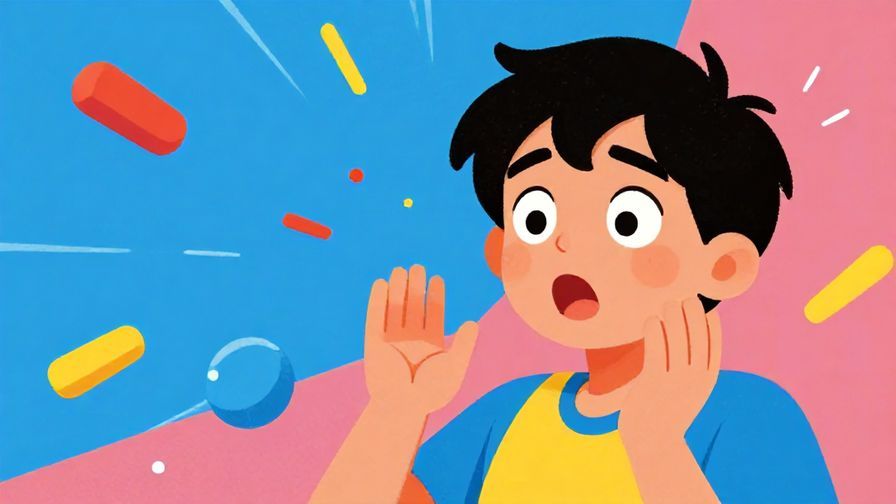
This phrase literally means “it was a hair’s breadth (away).”
It’s a vivid way to say you escaped danger by a tiny margin, like being saved just before disaster.
Perfect for telling a story about a near miss.
It’s usually used in past tense, so you’re describing what just happened.
For example, “間一髪だった!電車に間に合った。” (“Kanippatsu datta! Densha ni mania tta.”) means “That was close! I just made the train.”
This phrase is a favorite for dramatic moments!
3. ギリギリセーフ (Girigiri seefu) – “Just barely safe.”

This is a loan phrase from English “safe,” combined with ギリギリ (girigiri), meaning “just barely.”
Use it when you made it just in time or narrowly avoided trouble.
Easy to say and widely understood among young people.
It feels casual and fun, perfect for everyday chats.
Try saying, “ギリギリセーフだった!” (“Girigiri seefu datta!”) after dodging a tricky situation.
A great phrase to remember for informal moments!
4. 間に合った! (Maniatta!) – “Made it in time!”

Literally meaning “it was in time,” this phrase is used when you arrive or finish something just before the deadline or cutoff.
It’s simple and very common in daily conversation.
Say it proudly after catching a bus or finishing work just before quitting time.
It’s a positive, energetic phrase that conveys relief.
“間に合った!” (Maniatta! / mah-nee-aht-tah) is easy to say and super useful.
Try it next time you’re cutting it close!
5. 危なかった! (Abunakatta!) – “That was dangerous!”
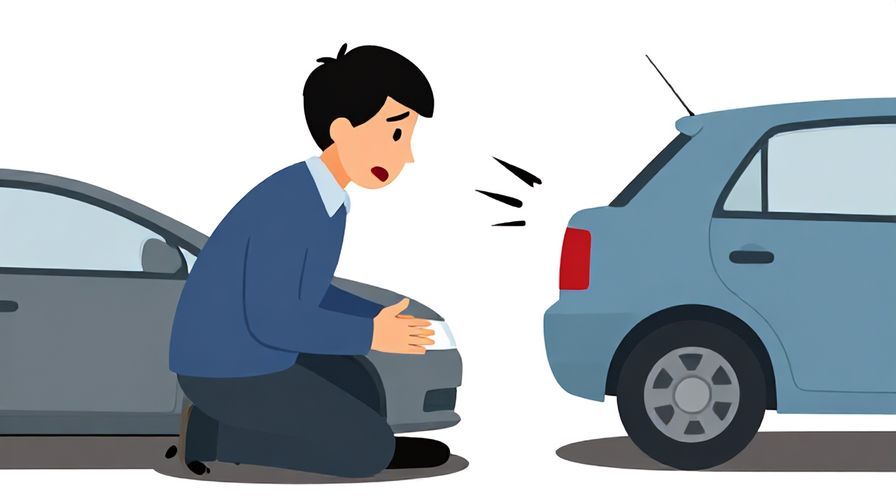
This is a way to express that you just escaped a dangerous or risky situation.
It literally means “it was dangerous” but is often said with relief, like “phew, that was close!”
Great for casual conversations about close calls.
It’s easy to say and remember.
For example, “危なかった、もう少しで遅刻するところだった。” (“Abunakatta, mou sukoshi de chikoku suru tokoro datta.”) means “That was close, I almost got late.”
Perfect for sharing your last-minute escapes!
6. まさにセーフ (Masani seefu) – “Exactly safe.”

Another loan phrase using “safe,” with まさに (masani) meaning “exactly” or “just.”
This phrase emphasizes that you were saved at the perfect moment.
It sounds casual but confident.
Use it when you want to highlight perfect timing.
“まさにセーフだった!” (“Masani seefu datta!”) is a fun phrase to practice.
It adds a bit of flair to your relief expressions.
7. ギリギリ間に合った! (Girigiri maniatta!) – “Barely made it!”
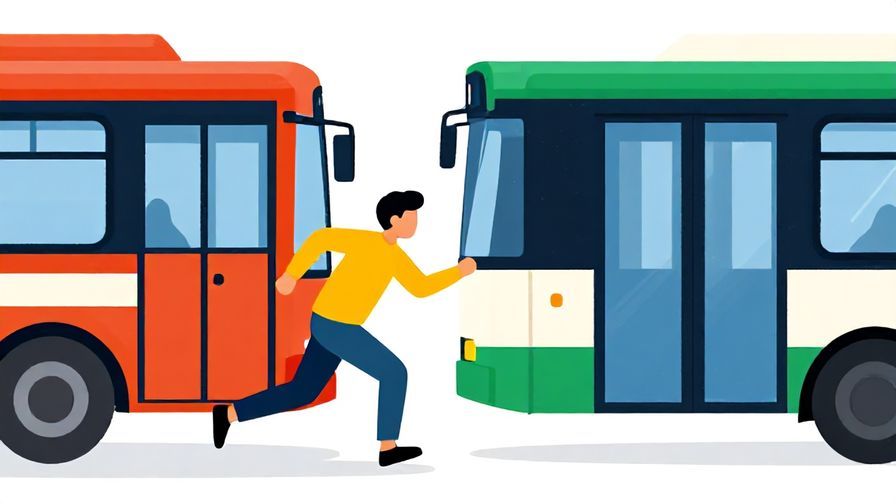
A combo phrase using ギリギリ (girigiri) meaning “barely” and 間に合った (maniatta) meaning “made it in time.”
Perfect for situations where you just scrape through.
It’s casual and very expressive, great for storytelling.
Try it after rushing to catch transport or meet a deadline.
“ギリギリ間に合った!” (“Girigiri maniatta!”) rolls off the tongue nicely.
It’s a handy phrase to keep in your daily Japanese toolkit.
8. 間一髪で助かった (Kanippatsu de tasukatta) – “Saved by a hair’s breadth.”

This expands on 間一髪 (kanippatsu) by adding 助かった (tasukatta), meaning “was saved.”
It’s a vivid way to say you escaped by the tiniest margin.
Use it to emphasize how close you were to trouble but got out just in time.
Perfect for dramatic retellings.
“間一髪で助かった!” (“Kanippatsu de tasukatta!”) is a memorable phrase.
Great for expressing relief with a bit of flair.
Part 2: Polite & Formal Suggestions
9. ぎりぎり間に合いました (Girigiri maniaimashita) – “I barely made it.” (polite)

This is the polite form of ギリギリ間に合った, suitable for formal or workplace settings.
Use it when speaking respectfully about narrowly meeting deadlines or appointments.
Adding ました (mashita) makes it polite past tense.
It’s clear, polite, and shows you value timing.
“ぎりぎり間に合いました” (Girigiri maniaimashita / gee-ree-gee-ree mah-nee-ah-ee-mah-shee-tah) works great in emails or meetings.
Practice this to sound professional yet natural.
10. 何とか間に合いました (Nantoka maniaimashita) – “I managed to get there in time.”

何とか (nantoka) means “somehow” or “managed to,” adding a nuance of effort.
This phrase politely states you barely made it but succeeded.
Ideal for formal apologies or explanations.
It’s humble and shows awareness of the challenge.
“何とか間に合いました” (Nantoka maniaimashita / nahn-toh-kah mah-nee-ah-ee-mah-shee-tah) is respectful and effective.
Great for workplace conversation or polite storytelling.
11. ぎりぎりセーフでした (Girigiri seefu deshita) – “It was just barely safe.”

This polite phrase uses the loan word セーフ (seefu) with polite past tense でした (deshita).
It’s perfect for formal situations where you want to express relief.
Use this phrase in presentations or conversations to show timing awareness.
“ぎりぎりセーフでした” (Girigiri seefu deshita / gee-ree-gee-ree say-foo deh-shee-tah) sounds polished.
A nice way to mix casual loan words with polite speech.
Practice to impress in formal Japanese settings!
12. 危機一髪で助かりました (Kiki ippatsu de tasukarimashita) – “I was saved at the last moment.”

危機一髪 (kiki ippatsu) means “a hair’s breadth from crisis,” quite formal and dramatic.
助かりました (tasukarimashita) is the polite past tense of “was saved.”
Use this phrase to formally express a close escape from trouble.
It’s perfect for written reports or serious conversations.
“危機一髪で助かりました” (Kiki ippatsu de tasukarimashita / kee-kee eep-pah-tsu deh tah-skah-ree-mah-shee-tah) sounds respectful.
Great for conveying sincere relief in formal contexts.
13. 期限ギリギリで間に合いました (Kigen girigiri de maniaimashita) – “Made it just before the deadline.”

期限 (kigen) means “deadline,” adding specificity to your timing.
This polite phrase is great for business or school contexts.
It shows you met a deadline by the skin of your teeth.
“期限ギリギリで間に合いました” (Kigen girigiri de maniaimashita / kee-gen gee-ree-gee-ree deh mah-nee-ah-ee-mah-shee-tah) is useful and clear.
Use this to sound professional and responsible.
Perfect for reports or status updates!
14. なんとか助かりました (Nantoka tasukarimashita) – “I somehow got saved.”

This polite phrase uses なんとか (nantoka) for “somehow” and the polite verb 助かりました (tasukarimashita) for “was saved.”
It’s humble and expresses gratitude for being saved from trouble.
Great for formal thank-you notes or polite conversations.
“なんとか助かりました” (Nantoka tasukarimashita / nahn-toh-kah tah-skah-ree-mah-shee-tah) sounds sincere.
Use it to show respect and relief in one phrase.
A lovely phrase to keep handy.
15. ぎりぎりのところで間に合いました (Girigiri no tokoro de maniaimashita) – “Made it just in the nick of time.”

This phrase literally means “made it at the very last moment.”
It’s polite and descriptive, great for formal storytelling.
Use it to emphasize your narrow escape.
“ぎりぎりのところで間に合いました” (Girigiri no tokoro de maniaimashita / gee-ree-gee-ree no toh-koh-roh deh mah-nee-ah-ee-mah-shee-tah) is long but expressive.
Perfect for presentations or detailed reports.
It adds drama without being informal.
16. 間に合って助かりました (Maniatte tasukarimashita) – “Got there in time and was saved.”
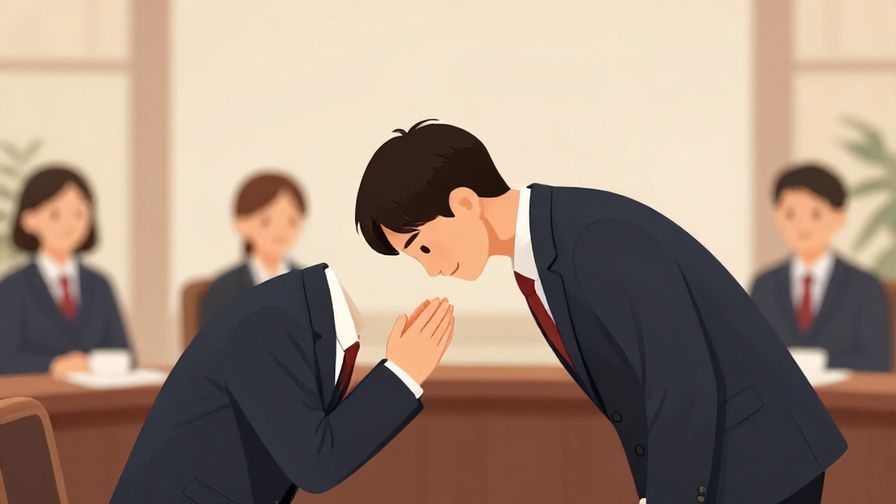
間に合って (maniatte) is the te-form of “make it in time,” combined with 助かりました (tasukarimashita) for “was saved.”
It’s polite and commonly used in formal conversations.
Great for expressing gratitude for last-minute success.
“間に合って助かりました” (Maniatte tasukarimashita / mah-nee-ah-teh tah-skah-ree-mah-shee-tah) is simple and effective.
Use it when thanking someone or reporting success.
A versatile phrase for formal Japanese.
Part 3: Very Casual / Native-like Expressions
17. ヤバかった! (Yabakatta!) – “That was close!”

This slangy phrase means “That was dangerous” or “That was crazy,” often implying a close call.
It’s super common among young people and casual conversations.
“ヤバい” (yabai) can mean bad or good depending on context, so watch your tone.
“ヤバかった!” (Yabakatta! / yah-bah-kaht-tah) is short and punchy.
Use it when you barely escape trouble or something intense happens.
A fun phrase to sound like a native!
18. セーフ! (Seefu!) – “Safe!”

Simply saying “セーフ!” (Seefu! / say-foo) is a quick, casual way to say “saved!” or “I’m safe.”
Borrowed from English, it’s very popular in everyday speech.
Use it when you dodge a bullet or finish just in time.
Easy to remember and fun to say.
Perfect for texting or chatting with friends.
Keep this one handy—it’s a crowd-pleaser!
19. ギリセーフ! (Giri seefu!) – “Barely safe!”

A shortened form of ギリギリセーフ, it’s super casual and often used in speech among friends.
“ギリ” (giri) means “barely,” combined with “セーフ” (safe).
Say “ギリセーフ!” (Giri seefu! / gee-ree say-foo) when you’re just saved by luck or timing.
It’s playful and easy to use.
Great for informal chats or social media posts.
Try it out for a native feel!
20. なんとかセーフ (Nantoka seefu) – “Somehow safe.”

This phrase combines なんとか (nantoka – somehow) with セーフ (safe) for a casual “just got away.”
It’s very informal and often used jokingly.
“なんとかセーフ” (Nantoka seefu / nahn-toh-kah say-foo) is easy and fun.
Use it to downplay a close call among friends.
Perfect for casual, relaxed conversations.
Another great phrase to sound local!
21. 間に合って良かった! (Maniatte yokatta!) – “Glad I made it in time!”

This phrase combines “made it in time” with “I’m glad” for a warm, grateful expression.
It’s casual but heartfelt.
“間に合って良かった” (Maniatte yokatta / mah-nee-ah-teh yoh-kaht-tah) is great for sharing relief with friends.
Use it when you want to emphasize your happiness about making it.
It’s a nice phrase that feels natural and sincere.
Try it next time you want to express gratitude casually.
22. ぎりぎりセーフだったね (Girigiri seefu datta ne) – “That was just barely safe, huh?”

This adds the sentence-ending particle ね (ne) to ギリギリセーフだった, making it conversational and friendly.
It’s perfect for joking or bonding after a close call.
“ぎりぎりセーフだったね” (Girigiri seefu datta ne / gee-ree-gee-ree say-foo daht-tah neh) invites agreement or shared relief.
Use it to connect with friends over a near miss.
It’s casual and very natural.
A great phrase to round out your casual Japanese!
Concluding Thought
Learning these 22 Japanese phrases gives you a whole toolbox for expressing those nail-biting “saved by the bell” moments.
Whether casual, polite, or slangy, each phrase adds a layer of cultural flavor and timing finesse to your Japanese.
Keep practicing, and soon you’ll be slipping these expressions naturally into your conversations, just in time!