22 Japanese ways to say “Same to you”
Ever found yourself wanting to reply to a kind wish or compliment with a simple “Same to you” in Japanese? It’s a sweet way to reciprocate warmth and good vibes.
Whether you’re chatting with friends or writing a casual message, knowing different ways to say “Same to you” adds a friendly touch to your language skills.
Japanese offers a variety of expressions depending on context, formality, and tone — from casual to polite, and even some native-like phrases that feel super natural.
This guide will walk you through 22 warm, relatable ways to say “Same to you” in Japanese, complete with pronunciation tips and little hints to remember them by.
Learning these will help you connect better, sound more natural, and maybe even impress your Japanese-speaking pals or colleagues.
Ready to spread the positive vibes around? Let’s dive in!
Understanding the Basics of “Same to You” in Japanese
Before jumping into the list, let’s quickly set the foundation. The idea of “Same to you” in Japanese is often expressed by mirroring a sentiment back to the speaker.
Depending on the situation, you might use phrases that literally mean “You too,” or that more naturally reflect the feeling being shared.
Keep in mind, Japanese is a context-heavy language, so the tone and formality can shift the right phrase to use.

Sometimes, a handy language learning book can give you quick examples of how to use these phrases naturally.
Once you grasp the basics, switching between casual and polite forms becomes much easier.
Plus, you’ll feel more confident joining conversations and responding warmly.
Part 1: Casual Suggestions
1. あなたもね (Anata mo ne) – “You too!”

This is a straightforward and friendly way to say “Same to you” in casual conversations.
“あなた (Anata)” means “you,” “も (mo)” means “also,” and “ね (ne)” adds a gentle, confirming tone. Together, it’s like saying “You too, okay?”
It’s perfect when replying to a compliment or well-wishing among friends.
Just keep your tone light and warm—it’s informal but polite enough for peers.
For example, if someone says “お疲れ様 (Otsukaresama)” meaning “Good job,” you can respond with “あなたもね!”
Using “あなたもね” regularly will make your responses feel natural and friendly.
2. 同じく (Onajiku) – “Likewise”

“同じく” literally means “the same” or “likewise.” It’s a sharp, concise way to say “Same to you.”
It’s often used in casual or semi-formal settings and can be a cool way to mirror a feeling quickly.
Great for situations where you want to sound a bit more grown-up or professional but still casual.
For example, when someone says “よろしくね (Yoroshiku ne)” meaning “Please treat me well,” replying with “同じく” shows you feel the same.
Just remember, it’s a bit more reserved than “あなたもね,” so use accordingly.
Practice this by repeating it in response to greetings and social niceties.
3. こっちもだよ (Kocchi mo da yo) – “Same here!”

“こっちもだよ” translates to “Same here,” a warm and casual way to bounce back a sentiment.
“こっち (Kocchi)” means “this side” or “me,” “も (mo)” means “also,” and “だよ (da yo)” adds emphasis and friendliness.
It’s often used among friends or people who are close, making it feel cozy and genuine.
For example, if a friend says “楽しんでね (Tanoshinde ne)” meaning “Have fun,” reply with “こっちもだよ!”
It’s a cheerful phrase that shows you’re sharing the same feeling right back.
Try it out in casual chats or social media comments to keep it light and fun.
4. 同じくそっちもね (Onajiku sotchi mo ne) – “Same to you too!”

This phrase combines “同じく” (likewise) with “そっちもね” (you too) for a friendly, emphatic “Same to you too.”
“そっち (Sotchi)” is a casual way to say “your side” or “you,” “も (mo)” means “also,” and “ね (ne)” softens the tone.
It’s casual but adds a little extra warmth by including both terms.
Use this when you want to be a bit playful and kind in your reply.
For example, after someone says “頑張ってね (Ganbatte ne)” meaning “Do your best,” you can say “同じくそっちもね!”
It’s a nice way to boost mutual encouragement.
5. あんたもね (Anta mo ne) – “You too!” (very casual)

“あんた” is a very casual, sometimes cheeky way to say “you,” often among close friends or peers.
“もね” adds the “too” and a soft ending.
This phrase is friendly but less formal, so it’s best used with people you know well.
If someone says “お疲れ (Otsukare),” meaning “Good job,” responding with “あんたもね” feels relaxed and genuine.
Be cautious using “あんた” with strangers as it can sound rude otherwise.
It’s great for casual, everyday chats where you want to keep things light.
6. 君もね (Kimi mo ne) – “You too!” (casual but polite)

“君 (Kimi)” means “you” in a casual but polite way, often used with friends or colleagues.
The “もね” ending keeps it warm and friendly.
This phrase fits nicely in everyday conversations without being too formal or too casual.
For example, when someone says “良い一日を (Yoi ichinichi o),” meaning “Have a good day,” reply with “君もね.”
It’s a neat balance between friendliness and respect.
Perfect for people you know but want to keep it polite.
7. お前もな (Omae mo na) – “You too!” (very casual, masculine)

“お前 (Omae)” is a very casual and masculine “you,” often used among close male friends.
“もな” is a casual way to say “you too.”
This phrase is bold and friendly but should be used carefully because it can sound rough or disrespectful if used in the wrong context.
Used among buddies, it shows camaraderie and casual warmth.
For example, if a friend says “頑張れよ (Ganbare yo)” meaning “Do your best,” you can reply “お前もな.”
It’s great to learn this for understanding male speech patterns but use it wisely!
8. あなたにもね (Anata ni mo ne) – “Same to you too!”
This phrase adds “に (ni),” a particle meaning “to,” making it slightly more polite and clear.
“あなたにもね” translates to “Same to you too,” emphasizing the reciprocity.
It’s great for casual but thoughtful replies, especially when you want to add a little more warmth.
If someone wishes you “良い週末を (Yoi shuumatsu o),” meaning “Have a good weekend,” you can say “あなたにもね.”
A lovely way to show you genuinely wish the same back.
Practice this for friendly exchanges that feel heartfelt.
Part 2: Polite & Formal Suggestions
9. あなたもどうぞ (Anata mo douzo) – “You as well, please”
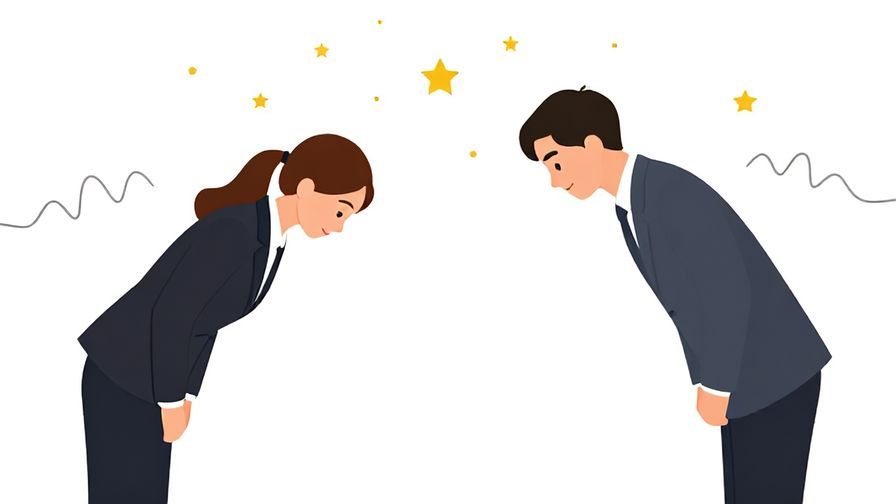
This is a polite and slightly formal way to say “Same to you.”
“どうぞ (douzo)” means “please,” adding a respectful tone to your reply.
Use this in business or formal social situations when responding to kind wishes.
For example, when someone says “良い一日をお過ごしください (Yoi ichinichi o osugoshi kudasai),” meaning “Please have a good day,” reply with “あなたもどうぞ.”
It’s courteous and shows good manners.
Using “どうぞ” helps you sound polite and thoughtful.
10. 同様に (Douyou ni) – “Similarly” / “Likewise”

“同様に” is a formal adverb meaning “similarly” or “likewise.”
It fits well in professional correspondence or formal speeches.
When someone wishes you well at work, replying with “同様に” reflects the same sentiment elegantly.
For example, in emails, if someone writes “今後ともよろしくお願いいたします (Kongo tomo yoroshiku onegaishimasu),” you might reply “同様にお願いいたします.”
It’s formal and polished without being overly stiff.
Practice this for business or academic settings.
11. お返しします (Okaeshi shimasu) – “I return (your kindness)”
“お返しします” literally means “I return” or “I reciprocate.”
It’s a polite way to acknowledge and give back a favor or compliment.
Perfect for formal occasions where you want to express gratitude and reciprocity.
For example, if someone says “ありがとうございます (Arigatou gozaimasu),” replying with “お返しします” shows respect and appreciation.
This phrase builds on Japanese cultural values of reciprocity and politeness.
Use it to sound gracious and thoughtful in formal contexts.
12. こちらこそ (Kochira koso) – “Likewise” / “The pleasure is mine”

“こちらこそ” is a common polite expression meaning “The pleasure is mine” or “Likewise.”
It’s often used to return thanks or good wishes politely.
When someone says “よろしくお願いします (Yoroshiku onegaishimasu),” replying with “こちらこそ” is a respectful way to say “Same to you.”
This phrase is key for polite conversations and business interactions.
It shows humility and reciprocates kindness.
Practice this one often—it’s a must-know polite phrase.
13. お互いさまです (Otagai sama desu) – “We’re both in the same boat” / “Same to you”

“お互いさまです” means “We’re both in the same situation,” a humble and polite way of saying “Same to you.”
It emphasizes mutual understanding and equality.
Use it to soften responses and show camaraderie in formal or semi-formal settings.
For example, after a colleague says “ご苦労様です (Gokurousama desu),” reply with “お互いさまです.”
It’s warm and respectful, great for teamwork.
Try this phrase to sound considerate and inclusive.
14. あなた様も (Anata-sama mo) – “You too” (very polite)
Adding “様 (sama)” makes “あなた” very respectful and formal.
Use “あなた様も” to say “You too” in very polite situations.
This is fitting when addressing customers, elders, or in formal writing.
For instance, if a customer wishes you well, responding “あなた様もどうぞお元気で” means “Same to you, please stay well.”
It elevates the politeness level significantly.
Use this sparingly and only in highly respectful contexts.
15. どうぞお元気で (Douzo ogenki de) – “Please stay well” (reply with the same)

Though not a direct “Same to you,” it’s polite to respond with the same phrase when someone says “お元気で (Ogenki de).”
“どうぞお元気で” means “Please stay well,” reflecting a heartfelt wish back.
Use this in letters, emails, or formal goodbyes.
When someone says “お体に気をつけて (Okarada ni ki wo tsukete),” meaning “Take care of yourself,” replying with “どうぞお元気で” shows warmth and politeness.
It’s a thoughtful way to reciprocate kind wishes.
Try this phrase for sincere, formal exchanges.
16. ご健康をお祈りします (Gokenkou wo oinori shimasu) – “I pray for your health” (formal)

This is a formal, respectful phrase used to wish someone good health in return.
“ご健康” means “health,” and “お祈りします” means “I pray.”
It’s often used in letters or formal conversations when someone wishes you well.
Replying with this phrase shows deep respect and genuine goodwill.
For example, after receiving a kind message about your health, respond with “ご健康をお祈りします.”
This elevates your replies in very formal contexts.
Part 3: Very Casual / Native-like Expressions
17. 同じだよ (Onaji da yo) – “Same here!”

“同じだよ” means “It’s the same,” used casually to say “Same to you” among close friends.
“だよ” adds a friendly, easygoing tone.
It’s perfect for relaxed conversations or when you want to sound natural and native-like.
For example, after a friend says “大変だったね (Taihen datta ne),” meaning “That was tough,” reply with “同じだよ.”
It’s simple and effective for everyday chats.
Try this one to sound more fluent!
18. おんなじ (Onnaji) – “Same!” (very casual, slangy)

“おんなじ” is a slangy, very casual way to say “Same.”
It’s a colloquial pronunciation of “同じ” and often used among young people.
Great for informal chats, texts, or social media.
If a friend says “疲れた (Tsukareta),” meaning “I’m tired,” you can reply with “おんなじ.”
It’s super casual and shows closeness.
Use it with peers and friends for a natural vibe.
19. 俺もだ (Ore mo da) – “Me too” (casual, masculine)

“俺 (Ore)” is a casual, masculine “I,” and “もだ” means “also.”
Used among male friends to say “Me too” or “Same to you.”
It’s informal and carries a friendly, relaxed tone.
If someone says “調子いい? (Choushi ii?)” meaning “Feeling good?” reply with “俺もだ.”
Perfect for casual male conversations.
Remember to use it only with friends or peers.
20. あたしもだよ (Atashi mo da yo) – “Me too” (casual, feminine)

“あたし” is a casual, feminine “I,” and “もだよ” means “also.”
It’s a friendly and casual phrase used by women to say “Same to you.”
Great for casual chats with friends or social media.
For example, if someone says “楽しみだね (Tanoshimi da ne),” meaning “Looking forward to it,” reply with “あたしもだよ.”
It’s sweet and approachable.
Use it to sound natural and warm.
21. 同じ気持ちだよ (Onaji kimochi da yo) – “I feel the same”

This phrase means “I feel the same,” adding emotional depth to “Same to you.”
“気持ち (Kimochi)” means “feeling” or “emotion,” making this phrase more expressive.
Use it when you want to show empathy or shared feelings.
For example, if someone says “嬉しいね (Ureshii ne),” meaning “I’m happy,” reply with “同じ気持ちだよ.”
It’s heartfelt and genuine.
Try it when emotions are involved.
22. おんなじ気持ち (Onnaji kimochi) – “Same feeling” (casual)

Similar to the previous phrase, but more casual and natural sounding.
Drop the “だよ” for a laid-back feel.
Perfect for casual conversations where emotions are shared.
For example, after hearing “楽しかったね (Tanoshikatta ne),” meaning “That was fun,” reply with “おんなじ気持ち.”
It’s relaxed and friendly.
Use it to sound native and warm in informal chats.
Concluding Thought
Exploring 22 ways to say “Same to you” in Japanese shows how rich and flexible the language can be.
From casual catchphrases to polite, formal expressions, each phrase carries its own warmth and nuance.
With these phrases in your toolkit, you’re ready to respond naturally and kindly in any setting—spreading good vibes one “same to you” at a time!