22 Japanese ways to say “Remember my words”
When you want someone to really take your advice to heart in Japanese, there are plenty of ways to say “Remember my words.”
Whether you’re speaking casually with friends or formally in a business meeting, the nuance changes, but the warmth and impact remain.
Learning these phrases not only helps with communication but also shows your respect and care for the listener.
Imagine having a toolset of 22 phrases to choose from—each perfect for different situations and relationships.
Plus, mastering these expressions boosts your confidence and makes your Japanese sound more natural and thoughtful.
Let’s jump in and explore these heartfelt ways to say “Remember my words” in Japanese!
Understanding “Remember My Words” in Japanese
“Remember my words” is often about asking someone to keep something important in mind.
In Japanese, this can be expressed in many ways depending on politeness, urgency, and closeness.
By learning these variations, you’ll better express yourself and understand others in daily life.

Sometimes, using a great language learning book can help you build a solid foundation for these expressions.
Remembering the context and tone is key to using these phrases naturally.
Try practicing them with native speakers or in journaling exercises to lock them in your memory.
Part 1: Casual Suggestions
1. 忘れないでね (Wasurenaide ne) – “Don’t forget, okay?”

This phrase is probably the most straightforward and gentle way to say “Remember my words” casually.
“忘れないで” (Wasurenaide) means “don’t forget” and “ね” (ne) softens it, making it feel like a friendly reminder.
It’s perfect to use with friends or family when you want to be warm but clear.
It’s easy to remember because it’s just the negative form of “to forget” plus a friendly particle.
Related phrases include “忘れないでください” (formal) or just “忘れないで” without the “ね” for a neutral tone.
Use it often, and you’ll sound natural and caring in everyday conversations.
2. 心に留めておいて (Kokoro ni tomete oite) – “Keep it in your heart”

This is a poetic and heartfelt way to say “Remember my words.”
“心” (Kokoro) means “heart,” and “留めておいて” (tomete oite) means “keep” or “hold onto.”
It’s a beautiful phrase that implies the message is important and should be treasured.
Great for close friends or loved ones when you want to express emotional depth.
It’s a little more formal than casual phrases but still warm and personal.
Try this phrase when you want to make your words feel meaningful and lasting.
3. 忘れちゃだめだよ (Wasurecha dame da yo) – “You really can’t forget!”

This is a casual but a bit stronger way to say “Don’t forget!”
“忘れちゃ” (wasurecha) is a shortened, casual form of “忘れては” (wasurete wa), meaning “forget,” and “だめ” (dame) means “no good” or “not allowed.”
“よ” (yo) adds emphasis, making it feel like a friendly but firm warning.
It’s great among close friends or younger people.
Be careful not to use it formally as it’s quite casual.
It’s fun and effective when you want to sound natural and a little playful.
4. 覚えておいてね (Oboete oite ne) – “Make sure to remember, okay?”

“覚えておいてね” is a friendly reminder to keep something in mind.
“覚える” (oboeru) means “to remember” or “to memorize,” and “おいて” (oite) implies doing it in advance.
Adding “ね” softens the tone to be warm and encouraging.
This phrase is easy to use in everyday situations and sounds natural.
It’s often used when giving advice or instructions you want someone to remember.
Use it to gently remind friends or colleagues without sounding pushy.
5. 忘れないでよ (Wasurenaide yo) – “Don’t forget, alright!”

This phrase is a little more direct than “忘れないでね.”
“よ” adds emphasis and a strong but friendly tone.
Good for emphasizing the importance of remembering something.
Be mindful of the tone—it can come off as a bit pushy if overused.
It’s great when used among friends or family who understand your seriousness.
Try pairing it with a smile to keep the mood light but clear.
6. 頭に入れておいて (Atama ni irete oite) – “Keep it in your head”

This phrase literally means “put it in your head and keep it there.”
“頭” (atama) means “head,” and “入れておいて” (irete oite) means “put and keep.”
It’s a casual but clear way to tell someone to remember something carefully.
Useful when sharing important facts or advice that need attention.
It sounds natural in conversational Japanese and is easy to remember.
Great for study groups or work discussions where retention matters.
7. 覚えててね (Oboetete ne) – “Keep remembering, okay?”

This is a shortened and casual form of “覚えていてね.”
It’s a cute and informal way to ask someone to remember your words.
“てて” adds a continuous feeling, like “keep on remembering.”
Perfect for close friends, siblings, or younger people.
Easy to say and remember, making it great for daily use.
Use it to sound sweet and natural when reminding someone.
8. 忘れないでくれ (Wasurenaide kure) – “Please don’t forget” (casual but firm)
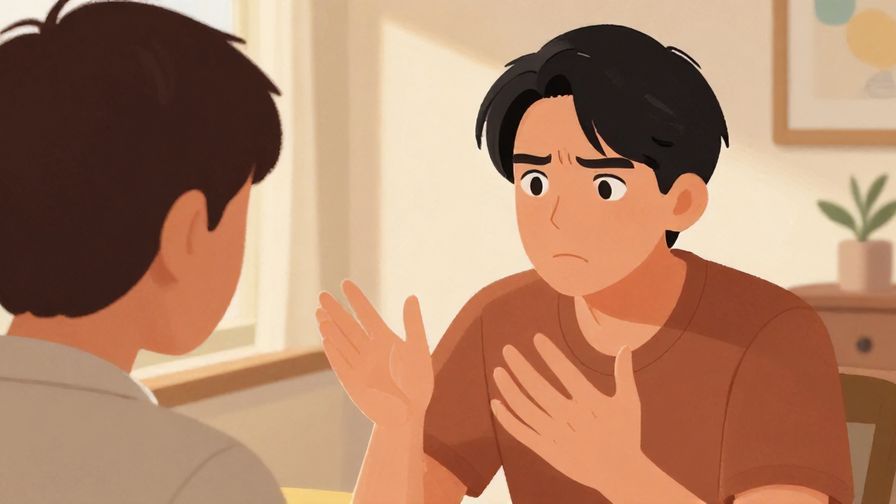
“くれ” (kure) is a casual imperative meaning “please do (for me).”
This phrase is casual but expresses a stronger request than just “忘れないで.”
It’s useful among close friends or family when you want to be serious but not rude.
Be careful with tone—too harsh a tone can sound demanding.
Great for emphasizing the importance of remembering something without formality.
Try to soften it with facial expressions or body language.
Part 2: Polite & Formal Suggestions
9. お忘れにならないでください (O-wasure ni naranai de kudasai) – “Please don’t forget” (formal)

This is a very polite and respectful way to ask someone to remember your words.
“お忘れになる” is the honorific form of “to forget,” and “ください” adds a polite “please.”
Perfect for business or formal occasions where respect is important.
It’s a bit long but shows high regard for the listener.
You can use it in emails, meetings, or speeches.
Learning polite forms like this helps boost your professionalism in Japanese.
10. 忘れないようにお願いいたします (Wasurenai you ni onegai itashimasu) – “I humbly ask you not to forget”

This phrase expresses a humble request and is very formal.
“お願いいたします” (onegai itashimasu) is a very polite way to say “please.”
It’s often used in business letters, presentations, or formal announcements.
Great for showing respect while emphasizing the importance of remembering.
Use it when you want to maintain a respectful tone but be clear.
It’s an excellent phrase to have ready for professional settings.
11. どうかお忘れなく (Douka o-wasure naku) – “Please, don’t forget” (polite and heartfelt)

“どうか” (douka) adds a heartfelt plea to the polite request.
“お忘れなく” (o-wasure naku) is a polite negative form meaning “don’t forget.”
This phrase sounds sincere and respectful without being too formal.
Perfect when you want to emotionally connect but stay polite.
It’s useful in letters, emails, or conversations with people you respect.
Try it when you want to gently but seriously ask someone to remember.
12. お心に留めていただければ幸いです (O-kokoro ni tomete itadakereba saiwai desu) – “I would be grateful if you keep this in your heart”
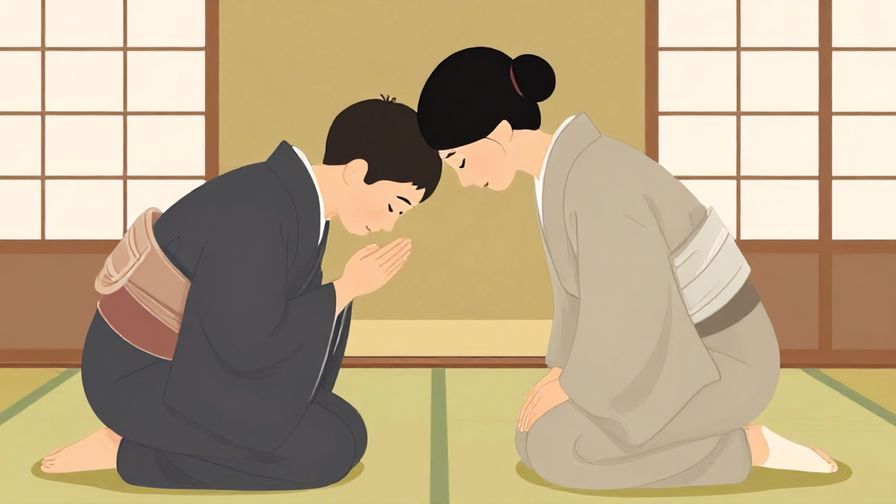
This is a very polite and formal phrase to express hope that someone remembers your words.
“お心に留めていただければ幸いです” literally means “I would be happy if you keep this in your heart.”
It’s perfect for letters, formal speeches, or important meetings.
It conveys both respect and emotional warmth.
Though long, it’s a great phrase to show your sincerity.
Use it when you want to impress with politeness and kindness.
13. 忘れずにいてください (Wasurezu ni ite kudasai) – “Please don’t forget” (polite request)

“忘れずに” (wasurezu ni) means “without forgetting,” and “いてください” (ite kudasai) is a polite request to “please be.”
This phrase is polite, clear, and easy to use in many formal or semi-formal situations.
It sounds respectful and is less stiff than some highly formal phrases.
Great for reminding coworkers or acquaintances politely.
Try it to sound natural yet courteous in work or social settings.
It’s a versatile expression to add to your polite Japanese toolkit.
14. どうぞお忘れなきようお願いいたします (Douzo o-wasure naki you onegai itashimasu) – “Please kindly do not forget”

This is a very respectful and formal way to ask someone not to forget.
“どうぞ” (douzo) adds polite encouragement, and “お忘れなきよう” is a humble negative request form.
“お願いいたします” closes the sentence politely.
Use it in official documents, speeches, or formal letters.
It’s a phrase that blends humility, respect, and seriousness perfectly.
Great for impressing in professional or ceremonial contexts.
15. お忘れになりませんように (O-wasure ni narimasen you ni) – “Hope you won’t forget” (formal)

This phrase is a polite way to express a hope that someone will remember.
It uses the negative potential form “なりません” (narimasen) with a wish clause.
It’s formal and respectful, suitable for emails or speeches.
It’s softer than a direct command but still serious.
Use it to convey your hopes in a professional or polite setting.
This phrasing helps you sound thoughtful and considerate.
16. お忘れになりませんようお願い申し上げます (O-wasure ni narimasen you onegai moushiagemasu) – “I humbly request that you don’t forget”

This is one of the most formal and humble ways to ask someone to remember your words.
“お願い申し上げます” (onegai moushiagemasu) adds deep politeness and humility.
It’s perfect for official letters, ceremonies, or very formal meetings.
Though complex, it shows utmost respect.
Use this phrase if you want to be very courteous and serious.
It’s a great phrase to learn for advanced learners or professionals.
Part 3: Very Casual / Native-like Expressions
17. 忘れんじゃねぇぞ (Wasuren janee zo) – “Don’t you dare forget!” (very casual)

This is a very casual, rough, and native-like way to say “Don’t forget!”
It’s slangy, with “じゃねぇぞ” adding force and a playful warning.
Only use with close friends or people who understand your humor.
It sounds very natural in informal conversations but can be rude otherwise.
If you want to sound like a native speaker joking around, this is a fun phrase.
Just be sure your relationship can handle the tone.
18. ちゃんと覚えとけよ (Chanto oboetoke yo) – “Make sure you remember properly!”

This phrase is casual and direct, used mostly by young people.
“ちゃんと” means “properly,” and “覚えとけ” is a casual imperative form of “remember.”
“よ” adds emphasis.
It’s great for close friends or siblings when you want to be firm but playful.
It implies the importance of remembering something correctly.
Use it to sound confident and casual like a native speaker.
19. 忘れんなよ! (Wasuren na yo!) – “Don’t forget, okay!”

This is a short, very casual way to say “Don’t forget!”
“忘れんな” is a contracted negative imperative, and “よ” adds a friendly tone.
It’s common among friends and peers.
Use it when you want to be quick, clear, and casual.
Watch tone – without a smile it might sound rough.
Great for everyday reminders with people you’re close to.
20. 心に刻めよ (Kokoro ni kizame yo) – “Engrave it in your heart!”

This is a very strong, almost poetic, casual phrase.
“刻め” (kizame) means “engrave,” and “心に” means “in your heart.”
It’s used to emphasize that something is deeply important.
Mostly used in movies, anime, or dramatic speech among friends.
Use it for impact and to sound very native-like.
Perfect for memorable moments or serious advice.
21. 忘れんなよ、絶対にな (Wasuren na yo, zettai ni na) – “Don’t forget, absolutely not!”

This phrase adds “絶対に” (zettai ni) meaning “absolutely” for strong emphasis.
It’s very casual and emphatic, perfect for promises between close friends.
The tone is serious but familiar.
It’s a good phrase to show you really mean your words.
Try it when making an important promise.
It shows commitment and native-level casual speech.
22. 絶対覚えとけよ (Zettai oboetoke yo) – “You absolutely must remember!”

This phrase is a strong, casual command to remember something.
“絶対” (zettai) means “absolutely,” and “覚えとけ” is a casual imperative meaning “remember.”
“よ” adds emphasis.
It’s frequently used among young people in casual settings.
Great for stressing the importance of remembering something with confidence.
Use it to sound natural and assertive like a native speaker.
Concluding Thought
Exploring these 22 ways to say “Remember my words” in Japanese shows just how rich and nuanced the language is when expressing care and emphasis.
From casual reminders to formal requests, each phrase carries its own warmth and intention, helping you connect better with others.
So, pick the phrases that fit your style and situation, and watch your Japanese conversations become more meaningful and memorable!