22 Japanese ways to say “Probably”
When you’re chatting in Japanese, expressing uncertainty or probability can be as nuanced as the language itself. Saying “probably” isn’t just about direct translation—there are many ways to convey that sense of likelihood depending on context and tone.
Whether you’re a beginner or brushing up on your skills, learning different expressions for “probably” can make your conversations feel more natural and engaging. It’s like having multiple shades of the same color to express exactly how sure you are.
In this article, we’ll explore 22 Japanese phrases and expressions that mean “probably.” From casual to formal, and even some native-like slang, you’ll get a comprehensive toolkit to express probability in style.
Ready to add some variety and warmth to your Japanese? Let’s dive into these handy phrases that will help you sound more confident—even when you’re just guessing.
Plus, knowing these expressions can boost your listening skills since native speakers often use different phrases depending on the situation.
So, grab your favorite study buddy or notebook, and let’s get started with these 22 Japanese ways to say “probably”!
Getting Started: Why Variety Matters
Understanding there are many ways to say “probably” in Japanese can really expand your communication skills. It’s not just about translating a single word but choosing the right phrase for your feeling or formality level.
Some expressions carry a more casual vibe, perfect for friends and informal chats, while others are polished and respectful, ideal for work or formal occasions.
Mixing these expressions naturally can make your Japanese feel more authentic and less textbook.
If you need a great way to start, a beginner phrasebook can really help you practice these phrases in context.
You’ll find it easy to integrate these expressions into your daily conversations with just a little bit of practice.
And the best part? These phrases are straightforward enough to use immediately.
Part 1: Casual Suggestions
1. 行けたら行く (Iketara iku) – “I’ll come if I can.”
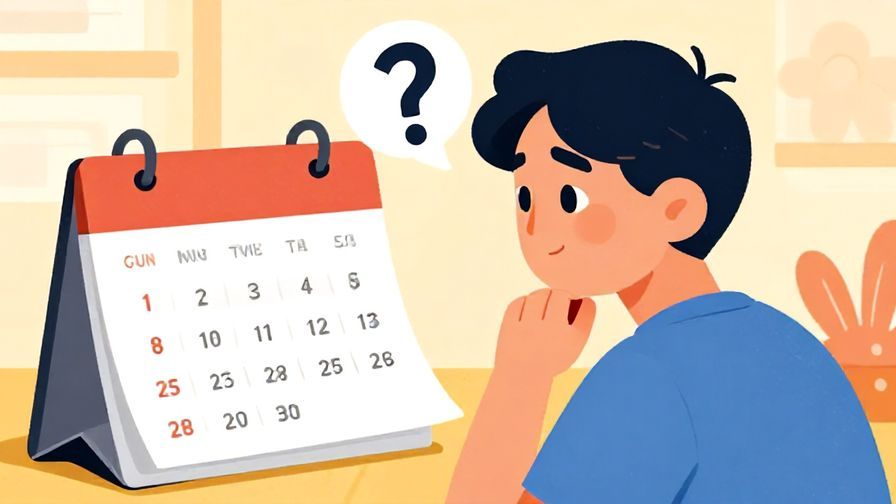
This phrase literally means “If I can go, I’ll go,” which casually implies “probably” or “maybe.”
It’s a soft, non-committal way to express uncertainty, perfect for informal invites or plans. Just remember, 行けたら (iketara) comes from the verb 行く (iku, “to go”) plus the conditional たら (tara).
Using this phrase shows you’re open but not fully committed, which makes conversations feel relaxed and natural.
It’s a great way to avoid outright refusal while still setting expectations.
Related phrases include 行くかもしれない (iku kamoshirenai) which is a bit more direct.
Try it out next time you want to keep things casual and flexible!
2. 多分 (Tabun) – “Probably”

多分 (tabun) is the most straightforward and common word for “probably.”
It’s easy to remember and can be used in both casual and semi-formal settings. Just say it before a sentence to express likelihood.
For example, 多分雨が降る (tabun ame ga furu) means “It will probably rain.”
It’s a safe go-to phrase that fits nearly every situation.
One thing to note: don’t confuse it with たぶん (tabun) written in hiragana only, which is the same word but less formal-looking.
Using 多分 regularly will make you sound natural and confident.
3. かもしれない (Kamoshirenai) – “Might” or “Could be”

かもしれない (kamoshirenai) is a flexible phrase that translates to “might” or “could be.”
Attach it to the plain form of verbs or adjectives to express probability with a gentle nuance.
For example, 雨が降るかもしれない (ame ga furu kamoshirenai) means “It might rain.”
This phrase is very useful and widely used in everyday conversation.
It’s casual but can also be polite if combined with です (desu).
Adding かもしれない shows you’re thinking carefully about possibilities.
4. たぶんね (Tabun ne) – “Probably, right?”

Adding ね (ne) to 多分 makes it a bit more conversational and friendly.
多分ね (tabun ne) feels like “probably, don’t you think?” which invites agreement or softens your guess.
This is great for casual chats with friends or coworkers where you want to sound approachable.
Be careful not to overuse it in formal settings, though!
Try saying something like: 多分ね、彼は来るよ (tabun ne, kare wa kuru yo) – “He’ll probably come, you know.”
This phrase makes your speech warm and relatable.
5. どうも (Doumo) + そうだ (Sou da) – “Seems like”
どうも (doumo) combined with そうだ (sou da) means “it seems like” or “apparently.”
It’s a casual phrase indicating your guess is based on something you heard or noticed.
For example, どうも雨が降りそうだ (doumo ame ga furisou da) means “It looks like it might rain.”
This phrase adds a little more certainty but still leaves room for doubt.
It’s useful when you want to sound thoughtful and observant.
Using そうだ (sou da) alone also works, but どうも adds a subtle nuance of “somehow.”
6. たぶんでしょう (Tabun deshou) – “Probably” (Polite)

たぶんでしょう (tabun deshou) is a polite version of “probably.”
でしょう (deshou) adds formality and softness to your statement, making it suitable for business or polite conversations.
For example, 多分雨が降るでしょう (tabun ame ga furu deshou) means “It will probably rain.”
It shows respect while still expressing uncertainty.
Great for interviews, meetings, or chatting with people you don’t know well.
Using this phrase helps you sound courteous and confident.
7. たぶんだと思う (Tabun da to omou) – “I think probably”

This phrase literally means “I think it’s probably so.”
It’s useful when you want to emphasize your personal opinion combined with probability.
For example, 多分そうだと思う (tabun sou da to omou) means “I think it’s probably like that.”
Adding 思う (omou) makes your statement subjective and thoughtful.
This is great for conversations where your thoughts matter.
It’s friendly and comes across as humble, which is common in Japanese communication.
8. たぶん~かも (Tabun ~ kamo) – “Maybe probably” (Shortened)

Shortening かもしれない to かも (kamo) makes the phrase more casual.
多分かも (tabun kamo) means “probably maybe,” a very informal way to express uncertainty.
It’s often used among close friends or in texting.
Example: 多分行くかも (tabun iku kamo) – “I’ll probably go.”
Great for relaxed conversations where you want to sound easy-going.
Just remember to avoid it in formal situations.
Part 2: Polite & Formal Suggestions
9. かもしれません (Kamoshiremasen) – Polite “Might”

かもしれません (kamoshiremasen) is the polite form of かもしれない.
Use this in formal or professional conversations to say “might” or “could be.”
For example, 明日雨が降るかもしれません (ashita ame ga furu kamoshiremasen) means “It might rain tomorrow.”
This shows respect and softens your statement.
It’s great for emails, presentations, or talking to superiors.
Switching to the polite form instantly raises your language level.
10. でしょう (Deshou) – “Probably” (Formal Guess)

でしょう (deshou) is a polite way to express probability or conjecture.
You can attach it to verbs or adjectives to say “probably” or “I guess.”
Example: 明日は寒いでしょう (ashita wa samui deshou) means “It will probably be cold tomorrow.”
It’s less casual and more assertive than かもしれません.
Use it in polite conversations when you want to sound knowledgeable but not too certain.
Perfect for interviews and formal discussions.
11. と思われます (To omowaremasu) – “It is thought that” (Very Formal)

と思われます (to omowaremasu) is a humble and formal way to say “it is thought that” or “probably.”
This is often used in official reports, news, or formal speeches.
For example, 彼は来ると思われます (kare wa kuru to omowaremasu) means “He is thought to probably come.”
It’s polite and indirect, showing respect to the listener.
Not usually used in daily conversation but important for formal writing or announcements.
Practice this phrase if you want to impress in business Japanese.
12. ようです (You desu) – “It seems like” (Polite)

ようです (you desu) means “it seems like” or “appears to be.”
Attach it to verbs or adjectives to make polite guesses.
For example, 雨が降るようです (ame ga furu you desu) means “It seems like it will rain.”
This phrase is soft and non-committal, great for polite conversation.
It’s often used when sharing information you’re not 100% sure about.
Using ようです adds a nice layer of subtlety to your speech.
13. かと思います (Ka to omoimasu) – “I think it might be”

かと思います (ka to omoimasu) means “I think it might be.”
This phrase is polite and often used in meetings or formal conversations.
For example, それは難しいかと思います (sore wa muzukashii ka to omoimasu) means “I think that might be difficult.”
It’s a humble way to express an opinion with some uncertainty.
Great for softening your statements and showing consideration.
Perfect for professional settings.
14. かも知れません (Kamo shiremasen) – Polite “Might”

かも知れません (kamo shiremasen) is a polite and somewhat formal alternative to かもしれません.
It carries the same meaning of “might” or “could be.”
For example, 彼は来るかもしれません (kare wa kuru kamo shiremasen) means “He might come.”
Adding 知れません (shiremasen) gives a little more weight to your uncertainty.
Use this phrase to sound thoughtful and careful in professional situations.
It’s a useful variation to enrich your polite vocabulary.
15. かもね (Kamo ne) – Polite Casual “Maybe”

かもね (kamo ne) is a light and friendly way to say “maybe” or “probably,” polite yet casual.
It’s perfect for conversations with coworkers or acquaintances where you want to sound polite but relaxed.
Example: 明日は忙しいかもね (ashita wa isogashii kamo ne) – “Tomorrow might be busy.”
This phrase has a warm tone and invites a friendly response.
Great for social conversations where formality isn’t strict.
Use it to keep things smooth and easygoing.
16. そうかもしれません (Sou kamo shiremasen) – “That might be so”

そうかもしれません (sou kamo shiremasen) means “that might be so” or “that could be true.”
This phrase is polite and indicates agreement with some reservation.
Example: 彼の話は正しいそうかもしれません (kare no hanashi wa tadashii sou kamo shiremasen) – “His story might be correct.”
It’s often used when you want to acknowledge a possibility respectfully.
This expression is useful in meetings or thoughtful discussions.
It shows you’re open-minded and considerate.
Part 3: Very Casual / Native-like Expressions
17. 多分ね (Tabun ne) – “Probably, you know” (Casual)

多分ね (tabun ne) is a very casual and conversational way to say “probably.”
It adds a soft, friendly flavor to your speech and sounds very natural among friends.
Example: 多分ね、明日は晴れるよ (tabun ne, ashita wa hareru yo) – “It’ll probably be sunny tomorrow.”
Use this to sound warm and approachable.
It’s perfect for relaxed daily chats.
Adding ね invites agreement or shared feelings.
18. じゃないかな (Ja nai kana) – “Isn’t it probably?”

じゃないかな (ja nai kana) is a casual phrase meaning “Isn’t it probably?” or “I guess so.”
It’s often used to express a soft opinion or guess while seeking confirmation.
Example: 明日は雨じゃないかな (ashita wa ame ja nai kana) – “I think it probably won’t rain tomorrow.”
This phrase is very native-like and common in everyday speech.
It shows a casual, thoughtful tone.
Great to use when you want to sound natural and easygoing.
19. かもね (Kamo ne) – “Maybe” (Super Casual)

かもね (kamo ne) is a short, casual way to say “maybe” or “probably.”
It’s perfect for texting or speaking with close friends.
Example: 今日行くかもね (kyou iku kamo ne) – “I might go today.”
Use it when you want to sound relaxed and informal.
It’s a handy phrase for everyday conversation.
Just avoid using it in formal situations.
20. そうかも (Sou kamo) – “That might be so” (Informal)

そうかも (sou kamo) means “That might be so.”
It’s a short and informal way to agree or express probability.
Example: 彼は忙しいそうかも (kare wa isogashii sou kamo) – “He might be busy.”
This phrase is very conversational and native-like.
Use it to sound casual and friendly.
It’s great for daily chats or casual discussions.
21. たぶんさ (Tabun sa) – “Probably, you see” (Very Casual)

たぶんさ (tabun sa) adds さ (sa) for a laid-back, conversational tone to “probably.”
It’s very casual and often used by younger speakers.
Example: たぶんさ、彼は来ないよ (tabun sa, kare wa konai yo) – “He probably won’t come, you know.”
This gives your speech a relaxed, friendly vibe.
Use it with close friends or in informal settings.
It helps you sound like a native speaker having fun with language.
22. かもしんない (Kamoshin’nai) – Slangy “Might”

かもしんない (kamoshin’nai) is a slangy, shortened version of かもしれない.
It’s very casual and common among young people in informal speech.
Example: 明日雨降るかもしんない (ashita ame furu kamoshin’nai) – “It might rain tomorrow.”
This phrase adds a fun, colloquial tone to your conversation.
Perfect for sounding casual and hip.
Best saved for chats with friends or casual environments.
Concluding Thought
Exploring these 22 Japanese ways to say “probably” shows just how wonderfully rich and flexible the language is. Each phrase offers a slightly different shade of meaning, tone, and formality.
By mixing and matching these expressions, you can express doubt, certainty, and everything in between, making your Japanese conversations more natural and engaging.
So, don’t be afraid to try out these phrases and find the ones that fit your style—it’s all part of the fun journey of learning Japanese!