22 Japanese ways to say “Plan B”
Sometimes, things don’t go exactly as planned, and that’s totally okay! Having a “Plan B” ready can save the day—and it’s handy to know how to say it in different ways, especially in Japanese.
Whether you’re chatting with friends, negotiating at work, or just want to sound a bit more natural, mixing up your expressions can be quite fun and useful.
Japanese offers a variety of ways to express the idea of a backup plan or alternative option, each with its own nuance and vibe.
In this list, we’ll explore 22 warm, practical, and relatable ways to say “Plan B” in Japanese, complete with pronunciation guides to help you sound like a local.
From casual phrases to polite expressions, you’ll find something perfect for every situation.
Ready? Let’s dive into these handy Japanese phrases together!
Understanding Plan B in Japanese
Before jumping into the list, it’s good to know that Japanese often uses phrases that literally mean “alternative plan” or “backup plan,” but the tone and formality change depending on context.
Whether you want something casual for friends or formal for business, you’ll find useful examples here.
Remember, practicing these phrases in context will make them stick better.
If you want a quick jumpstart for your Japanese journey, a well-chosen beginner phrasebook can really help you see these phrases in action.
It’s a simple tool that makes learning feel natural and fun.
Try pairing that with daily practice, and you’ll have your Plan B phrases ready in no time.
Part 1: Casual Suggestions
1. 代わりの案 (Kawari no an) – “Alternative plan”

This is a straightforward phrase meaning “alternative plan.” “代わり” (kawari) means “substitute” or “replacement,” and “案” (an) means “plan” or “idea.”
It’s easy to remember because you can think of it as the “plan that replaces the first one.”
It fits well in casual conversations when you want to suggest another option.
For example, if your first idea doesn’t work out, you can say “代わりの案を考えよう” (Kawari no an o kangaeyou) – “Let’s think of an alternative plan.”
This is a safe phrase to keep handy when you want to sound practical but relaxed.
Don’t worry about it sounding too formal; it’s quite versatile!
2. バックアッププラン (Bakkuappu puran) – “Backup plan”

This is the simple loanword version of “backup plan.” Using English words in katakana is common in casual and business Japanese.
It’s very easy to remember because it sounds just like English!
Use this when you want something clear and casual, especially among younger people or in informal settings.
For example, “もしダメだったら、バックアッププランを使おう” (Moshi dame dattara, bakkuappu puran o tsukaou) means “If it doesn’t work, let’s use the backup plan.”
It’s a great phrase to keep in your vocabulary toolkit for everyday conversations.
Just keep in mind it’s more casual than formal.
3. 予備の計画 (Yobi no keikaku) – “Spare plan”

“予備” (yobi) means “spare” or “reserve,” and “計画” (keikaku) means “plan.” Together, they form “spare plan.”
This phrase has a slightly more formal tone but is still easy to grasp.
It’s perfect when you want to sound thoughtful and prepared.
For example, “予備の計画を立てておくことが大切です” (Yobi no keikaku o tatete oku koto ga taisetsu desu) means “It’s important to have a spare plan ready.”
Use this when you want to emphasize preparation.
It’s especially useful in work or study situations.
4. 別の案 (Betsu no an) – “Another idea/plan”

“別の” (betsu no) means “different” or “another,” and “案” (an) means “plan” or “idea.”
This casual phrase is great when you want to suggest an alternative without sounding too technical.
It’s easy to use in everyday conversation.
Example: “別の案を考えましょう” (Betsu no an o kangaemashou) means “Let’s think of another plan.”
It’s natural and friendly for group discussions or brainstorming.
Try this one when you want to sound encouraging and open-minded.
5. 万が一の計画 (Mangaichi no keikaku) – “Just-in-case plan”

“万が一” (mangaichi) means “just in case” or “if by any chance,” and “計画” (keikaku) means “plan.”
This phrase emphasizes being prepared for unexpected situations.
It’s a thoughtful way to express Plan B with a safety-first mindset.
Example: “万が一の計画も用意しています” (Mangaichi no keikaku mo youi shiteimasu) means “I also have a just-in-case plan ready.”
Use this to sound responsible and cautious.
It’s great for both casual and semi-formal contexts.
6. 次善の策 (Jizen no saku) – “Second best measure”

“次善” (jizen) means “second best,” and “策” (saku) means “measure” or “tactic.”
This phrase has a slightly formal tone and is often used in written or business Japanese.
It shows you have a backup that’s well thought out, though maybe not the first choice.
Example: “これは次善の策として用意しました” (Kore wa jizen no saku toshite youi shimashita) means “I prepared this as a second-best option.”
Use this when you want to sound professional and strategic.
It’s perfect for polite conversations or reports.
7. 他の選択肢 (Hoka no sentakushi) – “Other option(s)”
“他の” (hoka no) means “other,” and “選択肢” (sentakushi) means “choice” or “option.”
This phrase is casual to semi-formal and is great when you want to talk about alternatives.
It’s easy to remember since “sentakushi” often comes up in daily life.
Example: “他の選択肢を探しましょう” (Hoka no sentakushi o sagashimashou) means “Let’s look for other options.”
Perfect for friendly discussions or meetings.
It keeps things open and positive.
8. プランB (Puran Bī) – “Plan B”
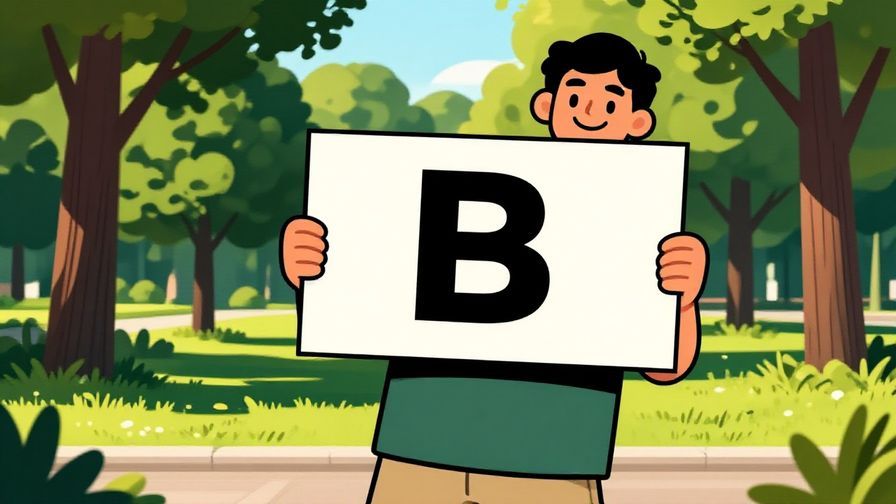
Simply the English phrase “Plan B” adapted into Japanese katakana.
It’s widely understood and commonly used, especially among younger speakers.
Memorizing this is a no-brainer because it’s just like English!
Example: “何かあったらプランBで行こう” (Nanika attara puran B de ikou) means “If something happens, let’s go with Plan B.”
Use it when you want to sound casual and modern.
It’s a great fallback phrase for any situation.
Part 2: Polite & Formal Suggestions
9. 代替案 (Daitai an) – “Alternative proposal”

“代替” (daitai) means “substitute” or “alternative,” and “案” (an) means “proposal” or “plan.”
This phrase is formal and perfect for business or official contexts.
It shows respect and careful consideration of backup plans.
Example: “代替案を検討いたします” (Daitai an o kentou itashimasu) means “We will consider the alternative proposal.”
Use this to sound polite and professional.
It’s essential for meetings and emails.
10. 補助計画 (Hojo keikaku) – “Supplementary plan”

“補助” (hojo) means “support” or “supplement,” and “計画” (keikaku) means “plan.”
This phrase is formal and implies the plan supports or backs up the main plan.
Great for corporate or project discussions.
Example: “補助計画も準備しております” (Hojo keikaku mo junbi shite orimasu) means “We are also preparing a supplementary plan.”
Use this for clear, polite communication.
It reflects thoroughness and professionalism.
11. 次の手段 (Tsugi no shudan) – “Next measure”

“次の” (tsugi no) means “next,” and “手段” (shudan) means “means” or “measure.”
This phrase sounds formal and is about the next step or method if the first one fails.
It’s useful in business or serious discussions.
Example: “次の手段を考えましょう” (Tsugi no shudan o kangaemashou) means “Let’s consider the next measure.”
Use this to sound decisive but polite.
It’s a practical phrase to have on hand.
12. 予備案 (Yobi an) – “Reserve plan”
“予備” (yobi) means “reserve” or “spare,” and “案” (an) means “plan” or “idea.”
This is a polite yet somewhat neutral phrase for a backup plan.
It’s good for formal emails or reports.
Example: “予備案もご用意しております” (Yobi an mo goyoui shite orimasu) means “We also have a reserve plan prepared.”
Use this to communicate readiness respectfully.
It fits well in professional contexts.
13. 代案 (Daian) – “Alternative idea”

“代案” (daian) literally means “alternative idea” or “alternative plan.”
This is a formal phrase often used in meetings or written communication.
It’s a concise way to suggest a backup.
Example: “代案を提案いたします” (Daian o teian itashimasu) means “I would like to propose an alternative idea.”
Use this in polite conversations or documents.
It projects confidence and professionalism.
14. 緊急対応策 (Kinkyuu taiousaku) – “Emergency response plan”

“緊急” (kinkyuu) means “emergency,” “対応” (taiou) means “response,” and “策” (saku) means “measure” or “plan.”
This phrase is formal and used for backup plans in urgent situations.
It’s perfect for workplace safety or crisis management.
Example: “緊急対応策を作成しました” (Kinkyuu taiousaku o sakusei shimashita) means “We have created an emergency response plan.”
Use this phrase to sound serious and responsible.
It’s specialized but very useful in the right context.
15. 補完計画 (Hokan keikaku) – “Complementary plan”

“補完” (hokan) means “complement” or “supplement,” and “計画” (keikaku) means “plan.”
This phrase is formal and implies that the plan works alongside the main one.
It’s great for showing teamwork and thoroughness.
Example: “補完計画を準備しております” (Hokan keikaku o junbi shite orimasu) means “We have prepared a complementary plan.”
Use this to express collaboration and completeness.
It’s a positive and polite phrase.
16. 代行プラン (Daikou puran) – “Substitute plan”

“代行” (daikou) means “acting on behalf of” or “substitute,” and “プラン” (puran) is “plan.”
This phrase is polite and good for explaining plans that replace the original if needed.
Example: “代行プランを用意しています” (Daikou puran o youi shiteimasu) means “We have a substitute plan ready.”
Use this when you want to sound professional and clear.
It’s useful in service or project contexts.
Helps convey reliability.
Part 3: Very Casual / Native-like Expressions
17. ダメだったらこれ (Dame dattara kore) – “If this doesn’t work, then this”

This is a very casual phrase that literally means “If this is no good, then this.”
It’s super common in everyday talk among friends.
Easy to remember because it’s just like thinking out loud.
Example: “ダメだったらこれ使って” (Dame dattara kore tsukatte) means “If this doesn’t work, use this.”
It’s informal and friendly.
Perfect for relaxed conversations.
18. とりあえずのプラン (Toriaezu no puran) – “For now plan”
“とりあえず” (toriaezu) means “for now” or “for the time being.”
This phrase is casual and suggests a temporary backup plan.
It’s easy and popular among younger speakers.
Example: “とりあえずのプランを立てたよ” (Toriaezu no puran o tateta yo) means “I made a plan for now.”
Great for informal chats.
Shows a relaxed but practical attitude.
19. もう一つの手 (Mou hitotsu no te) – “Another hand” (another option)

“もう一つ” (mou hitotsu) means “one more” or “another,” and “手” (te) means “hand” but here implies “move” or “option.”
This is a casual and slightly playful way to say “another option.”
It’s like saying you have “one more card to play.”
Example: “もう一つの手を考えよう” (Mou hitotsu no te o kangaeyou) means “Let’s think of another option.”
Use this with friends or colleagues you know well.
It adds a bit of personality to your language.
20. 万一の策 (Man’ichi no saku) – “Just-in-case measure”
“万一” (man’ichi) means “in case of emergency,” and “策” (saku) means “measure” or “plan.”
This is a casual, native-like phrase often used in spoken Japanese.
It emphasizes readiness without sounding stiff.
Example: “万一の策を用意してるよ” (Man’ichi no saku o youi shiteru yo) means “I have a just-in-case plan.”
Great for daily conversations.
Easy to slip into casual chats.
21. 何かあったらこっち (Nanika attara kocchi) – “If anything happens, this way”

This phrase literally means “If something happens, this (option) here.”
It’s very casual and used among close friends or family.
It’s easy to remember because it’s like giving a quick pointer.
Example: “何かあったらこっちにしよう” (Nanika attara kocchi ni shiyou) means “If anything happens, let’s go with this.”
Perfect for informal use.
Feels natural and spontaneous.
22. もうダメならこれ (Mou dame nara kore) – “If it’s no good anymore, this”

This very casual phrase means “If it’s no good anymore, then this (option).”
It’s a relaxed way to suggest a final fallback.
Easy to say among close people.
Example: “もうダメならこれ使ってみて” (Mou dame nara kore tsukatte mite) means “If it’s no good anymore, try using this.”
It’s informal and friendly.
Good for everyday conversations with friends.
Concluding Thought
Exploring these 22 expressions shows just how rich and flexible Japanese can be when talking about “Plan B.”
No matter the situation—casual, formal, or somewhere in between—you now have a variety of ways to express that handy backup plan.
Keep practicing these phrases, and you’ll find yourself navigating conversations smoothly and confidently, always ready with the perfect Plan B!