22 Japanese ways to say “Perk up”
Feeling a bit down? We all do sometimes.
Luckily, Japanese has so many warm and lively ways to say “perk up” or cheer someone on. It’s like a little language boost for your mood!
Whether you want to encourage a friend or just brighten your own day, these expressions are handy and fun.
We’ll explore casual, polite, and native-like phrases you can use anytime—because everyone deserves a little spark now and then.
Plus, learning these will not only improve your Japanese but also bring a smile to your conversations.
Ready to perk up your Japanese? Let’s dive in!
Warm-Up: Getting Comfortable with Japanese Encouragement
Before jumping into the list, it’s good to know that Japanese has different levels of politeness and casualness.
Some phrases are perfect for close friends, while others suit formal settings or work environments.
Pay attention to context and who you’re talking to when choosing your phrase.

If you want to start with a handy resource, check out this beginner phrasebook for helpful expressions to get you going.
It’s easier than you think to sprinkle these phrases into your daily routine.
Once you get the hang of it, your conversations will feel more lively and supportive.
Part 1: Casual Suggestions
1. 元気出して! (Genki dashite!) – “Cheer up!”

This is the classic, straightforward way to say “perk up” or “cheer up”.
“元気” (genki) means “energy” or “health,” and “出して” (dashite) is “put out” or “show.” So literally, “put out your energy!”
It’s simple, warm, and perfect for friends who need a little encouragement.
Try saying it with a big smile to brighten the mood instantly.
Related phrases include “元気出そう!” (Genki dasou!) meaning “Let’s cheer up!”
Use this anytime you want to lift someone’s spirits quickly and naturally.
2. 気をつけて! (Ki wo tsukete!) – “Take care!” / “Be careful!”

While literally meaning “be careful,” this phrase is often used to show you care and want someone to stay well.
It’s a gentle way to perk someone up by reminding them you’re thinking of their well-being.
It’s casual but thoughtful, great for friends or coworkers.
Make sure not to use it if someone is already stressed—it’s more for a lighthearted “take care” vibe.
Use it when someone is leaving or facing a challenge to send positive energy their way.
Pair it with a smile or a nod for extra warmth.
3. 頑張って! (Ganbatte!) – “Do your best!” / “Hang in there!”

One of the most popular phrases to encourage someone to keep going.
“頑張って” (ganbatte) literally means “do your best” or “persevere.”
It’s super versatile—use it for exams, work, sports, or just daily struggles.
This phrase really shows you care about someone’s effort and want them to succeed.
Be careful not to overuse it in serious situations where pressure might increase stress.
It’s a go-to phrase to perk up a friend who’s facing a challenge.
4. 気合い入れて! (Kiai irete!) – “Put some spirit into it!”

This phrase encourages someone to get pumped or fired up.
“気合い” (kiai) means “fighting spirit,” and “入れて” (irete) means “put in.”
It’s energetic and motivating, great before a big moment.
Use it to push someone to perk up with enthusiasm and focus.
It’s often used in sports or work but can be casual among friends.
Say it with a strong, confident tone for best effect.
5. もうひと踏ん張り! (Mou hito funbari!) – “One more push!”

Use this to encourage someone to give just a bit more effort.
“もうひと” (mou hito) means “one more,” and “踏ん張り” (funbari) means “grit” or “holding on.”
It’s perfect when someone is tired but close to finishing.
It expresses belief that the person can overcome the last hurdle.
This phrase lifts spirits by focusing on final success.
Try it when a friend looks worn out but motivated.
6. 元気出るよ! (Genki deru yo!) – “You’ll feel better!”

This phrase promises a positive change in mood or energy.
“元気” (genki) means “energy,” and “出る” (deru) means “to come out” or “appear.”
It’s a gentle way to say “things will get better.”
It’s encouraging and optimistic, great when someone feels low.
Often used to offer hope and light at the end of a tough moment.
Say it with warmth to really brighten someone’s day.
7. 気分転換しよう! (Kibun tenkan shiyou!) – “Let’s change the mood!”

This phrase invites someone to take a break and refresh their mood.
“気分転換” (kibun tenkan) means “change of mood,” and “しよう” (shiyou) means “let’s do.”
It’s casual and friendly, perfect for suggesting a fun distraction.
Use it to perk up a friend who’s stuck in a funk.
Taking a walk or chatting can really help, and this phrase encourages that.
It’s a nice way to say “let’s lift your spirits together.”
8. 目を覚まして! (Me wo samashite!) – “Wake up!” / “Perk up!”
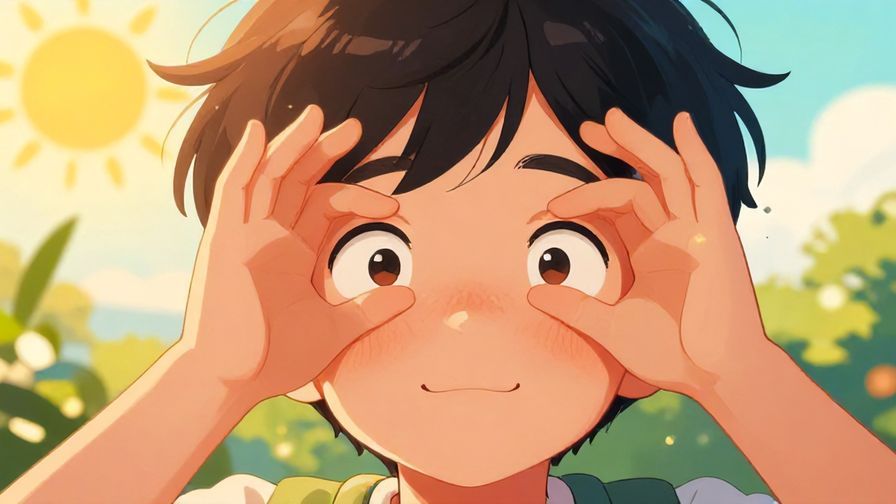
This expression literally means “open your eyes,” used to tell someone to snap out of it.
“目” (me) means “eye,” and “覚まして” (samashite) means “wake up.”
It’s a bit sharper but can be playful among close friends.
Use it to gently nudge someone to perk up when they seem distracted or sleepy.
Make sure your tone is friendly to avoid sounding harsh.
This phrase is lively and direct—good for quick mood resets.
Part 2: Polite & Formal Suggestions
9. お元気になってください (O-genki ni natte kudasai) – “Please feel better”
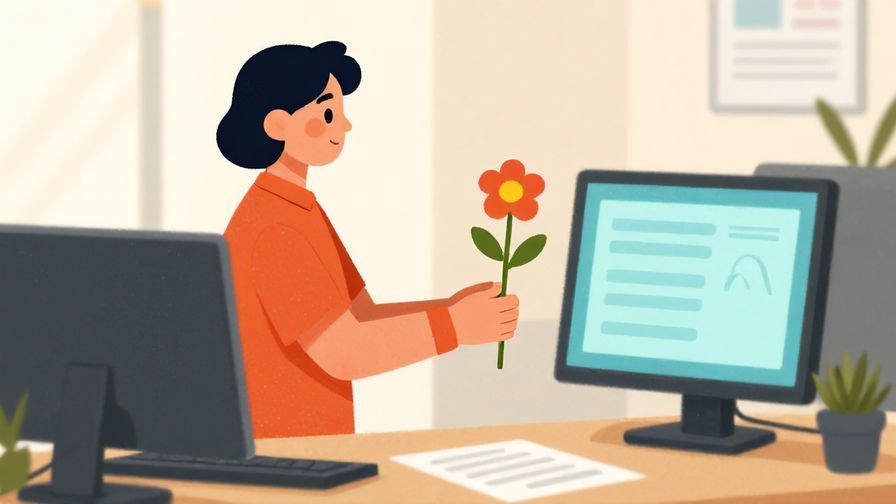
This is a polite and formal way to wish someone to perk up or recover their energy.
“お元気” (o-genki) is a respectful way of saying “well-being,” and “なってください” (natte kudasai) means “please become.”
It’s perfect for coworkers, acquaintances, or formal situations.
Use it to show care without being too casual.
It’s often said when someone is sick or going through a tough time.
Using this phrase shows both kindness and respect.
10. ご無理なさらないでください (Go-muri nasaranaide kudasai) – “Please don’t overdo it”

This phrase politely tells someone not to push themselves too hard.
“ご無理” (go-muri) means “overdoing,” and “なさらないでください” (nasaranaide kudasai) is a respectful “please don’t do.”
It’s excellent for expressing concern in a formal way.
It helps perk someone up by encouraging balance and self-care.
Perfect when someone looks tired or stressed at work.
It expresses empathy and respect simultaneously.
11. どうか元気を出してください (Dōka genki wo dashite kudasai) – “Please try to cheer up”
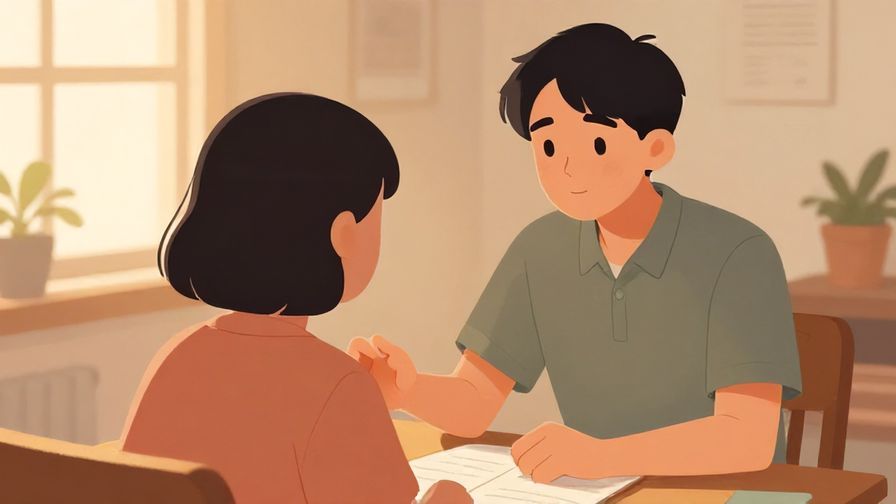
This is a polite and heartfelt way to urge someone to perk up.
“どうか” (dōka) means “please,” and “元気を出してください” (genki wo dashite kudasai) means “please put out energy.”
It’s formal but warm, suitable for people you respect.
Use it when you want to offer sincere encouragement without being too casual.
This phrase combines kindness with a gentle push forward.
Great for letters, emails, or face-to-face conversations.
12. お気持ちが明るくなりますように (O-kimochi ga akaruku narimasu you ni) – “I hope your spirits brighten”

This phrase is a very polite way to wish someone emotional uplift.
“お気持ち” (o-kimochi) means “feelings,” “明るくなりますように” (akaruku narimasu you ni) means “may become bright.”
It’s gentle and hopeful, great for formal cards or messages.
Use it to encourage someone who might be feeling sad or anxious.
It’s less direct than “cheer up” but very meaningful.
A beautiful phrase to show you truly care about their feelings.
13. 休息を取ってください (Kyūsoku wo totte kudasai) – “Please take a rest”

This polite phrase encourages someone to rest and recharge.
“休息” (kyūsoku) means “rest,” and “取ってください” (totte kudasai) means “please take.”
It’s often used in formal or work contexts.
Encouraging rest is a great way to help someone perk up gently.
Use it when you want to be considerate and professional.
It shows care without being pushy.
14. 体を大切にしてください (Karada wo taisetsu ni shite kudasai) – “Please take care of your body”
This phrase encourages someone to focus on their health and well-being.
“体” (karada) means “body,” and “大切にしてください” (taisetsu ni shite kudasai) means “please cherish/take care.”
It’s a polite and thoughtful way to suggest self-care.
Great for formal conversations or written messages.
Showing you care about their health can help someone perk up emotionally.
Use this phrase to gently remind someone to prioritize themselves.
15. お疲れ様です、少し休んでください (Otsukaresama desu, sukoshi yasunde kudasai) – “Thank you for your hard work, please rest a bit”

This formal phrase shows appreciation and encourages rest.
“お疲れ様です” (otsukaresama desu) means “thank you for your hard work,” and “少し休んでください” (sukoshi yasunde kudasai) means “please rest a bit.”
It’s common in workplaces to encourage colleagues to recharge.
It combines respect with a gentle nudge to perk up.
Perfect for polite environments where direct encouragement feels too casual.
Use it to maintain professionalism while showing kindness.
16. 気持ちを切り替えてください (Kimochi wo kirikaete kudasai) – “Please change your mindset”

This phrase encourages a mental fresh start to lift spirits.
“気持ち” (kimochi) means “feelings,” and “切り替えてください” (kirikaete kudasai) means “please switch/change.”
It’s polite and thoughtful, great for serious conversations.
Use it to help someone move past negativity and perk up emotionally.
Sometimes a mindset shift is just what’s needed to feel better.
Say it with care to inspire positive change.
Part 3: Very Casual / Native-like Expressions
17. さあ、頑張ろう! (Saa, ganbarou!) – “Come on, let’s do our best!”

This is a very casual and motivating phrase, perfect among friends.
“さあ” (saa) is like “come on,” and “頑張ろう” (ganbarou) is the volitional form of “ganbatte” meaning “let’s do our best.”
It’s energetic and inclusive, great for group encouragement.
Use it to perk up your friends before a challenge.
It creates a sense of camaraderie and shared effort.
Say it with enthusiasm to boost everyone’s mood.
18. 元気? (Genki?) – “Feeling good?”

A super casual way to check in and subtly encourage someone to perk up.
“元気” (genki) means “energy” or “health,” and just asking “元気?” is like saying, “Are you okay?”
It’s friendly and informal, perfect for peers or younger people.
Use it to gently nudge someone to share their mood.
It’s a quick way to show you care without being too direct.
Great for starting a supportive conversation.
19. いい感じ! (Ii kanji!) – “Looking good!” / “Feeling good!”

This upbeat phrase praises someone’s vibe or effort.
“いい” (ii) means “good,” and “感じ” (kanji) means “feeling” or “impression.”
It’s casual and positive, great for boosting confidence.
Use it to encourage someone who’s doing well or needs a mood lift.
It’s native-sounding and often used among friends.
Say it with a bright smile for best effect.
20. 気合入ってる! (Kiai haitteru!) – “You’re fired up!”

This phrase recognizes someone’s strong spirit or motivation.
“気合” (kiai) means “spirit,” and “入ってる” (haitteru) means “is in.”
It’s casual and energetic, perfect for friends or teammates.
Say it to praise or encourage someone’s pep.
It’s like saying “You’re really going for it!”
Use it to build excitement and positive vibes.
21. 元気出せよ! (Genki dase yo!) – “Perk up, man!”

A casual and masculine way to tell someone to cheer up.
“元気出せ” (genki dase) means “put out energy,” and “よ” (yo) adds emphasis.
It’s informal and friendly, often used among male friends.
Use it when you want to perk someone up with a bit of rough affection.
Make sure it fits the relationship to avoid sounding blunt.
It’s a lively way to say “come on, cheer up!”
22. 気合い入ってんじゃん! (Kiai haitten jan!) – “You’re really fired up, huh!”

This phrase is a casual, energetic compliment on someone’s spirit.
“気合い入ってん” (kiai haitten) is a contraction of “kiai haitte in,” and “じゃん” (jan) is a slangy ending like “isn’t it?”
It’s very casual and native-like, great for close friends.
Use it to acknowledge and celebrate someone’s perked-up attitude.
It’s playful and shows you notice their energy.
Say it with a smile to keep it light and fun.
Concluding Thought
Exploring these 22 ways to say “perk up” in Japanese shows just how rich and expressive the language can be.
From casual cheers to polite encouragements, you now have a toolkit to brighten moods and support others warmly.
Next time someone needs a little lift, you’ll know just the right phrase to bring a smile and a spark of energy.