22 Japanese ways to say “People change”
People change, and sometimes it’s comforting to have just the right phrase to say it in another language. Japanese is full of beautiful expressions that capture this simple truth in so many warm ways.
Whether you want to describe a subtle change in someone’s heart or a deep transformation, these 22 Japanese phrases will help you express it naturally and kindly.
Learning these phrases is a wonderful way to connect with Japanese culture and communication. It’s like having a gentle reminder that change is part of life.
In this list, you’ll find everything from casual sayings to formal expressions, plus some that sound native and informal — perfect for friends or deep conversations.
Along the way, you’ll get tips on pronunciation and little insights into the meaning behind each phrase, making it easy to remember and use.
Ready? Let’s dive into 22 Japanese ways to say “People change” — and maybe learn a bit about ourselves in the process.
Understanding Change in Japanese
Japanese culture often views change as a natural and ongoing part of life, reflected in the language itself.
Many expressions for change carry a sense of empathy and understanding, rather than judgment. This makes each phrase feel gentle and thoughtful.
Knowing these can help you express your feelings about people evolving, growing, or shifting in ways that feel authentic.

Sometimes, using a great beginner phrasebook can give you a perfect starting point for a cohesive understanding.
These phrases are practical and easy to apply in daily life, whether you’re chatting with friends or writing a thoughtful message.
Let’s get started with some casual, everyday ways to say “people change.”
Part 1: Casual Suggestions
1. 人は変わる (Hito wa kawaru) – “People change.”

This is the most straightforward way to say “people change” in Japanese.
人 (hito) means “people,” は (wa) is the topic marker, and 変わる (kawaru) means “to change.”
It’s direct but gentle, perfect for daily conversations when you want to state the fact simply.
Using this phrase shows you recognize change as natural.
A related phrase is 人は成長する (Hito wa seichō suru), meaning “people grow,” which adds a positive nuance.
Keep it in your back pocket for honest, natural conversations about life and transformation.
2. 人は成長する (Hito wa seichō suru) – “People grow.”

This phrase focuses on growth, a positive type of change.
成長 (seichō) means “growth” or “development,” so it’s a hopeful way to talk about change.
It’s easy to remember because 成 (sei) relates to “life” or “birth,” and 長 (chō) means “long” or “leader.”
Use this to encourage or reflect on personal progress.
Be sure to pronounce seichō as “say-choh” for smooth flow.
It’s a nice phrase to share when someone has improved or learned something new.
3. 性格が変わる (Seikaku ga kawaru) – “Personality changes.”
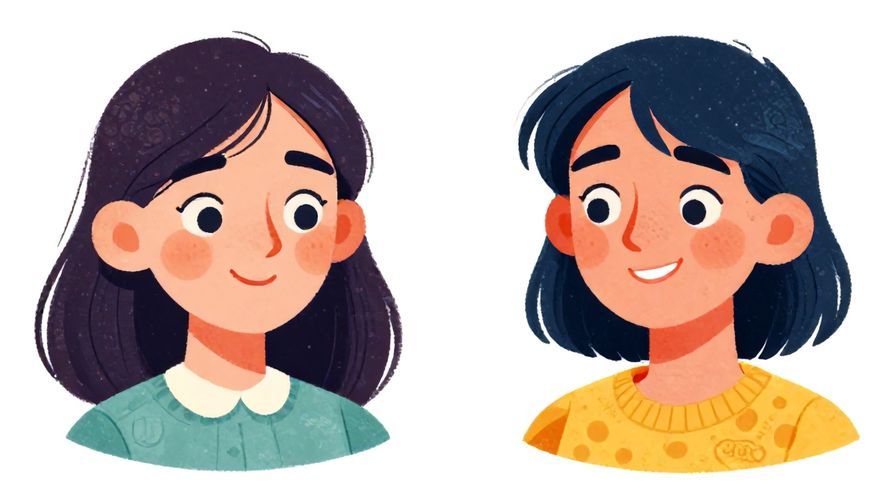
This phrase zooms in on personality, a specific kind of change.
性格 (seikaku) means “personality” or “character,” and 変わる (kawaru) means “to change.”
It’s useful when talking about how someone’s way of being has shifted.
Remember to say seikaku as “say-kah-koo.”
Use it carefully since personality changes can be seen as good or bad depending on context.
This phrase shows you notice deeper, subtle shifts in a person.
4. 心が変わる (Kokoro ga kawaru) – “The heart changes.”

This is a poetic way to say someone’s feelings or thoughts have changed.
心 (kokoro) means “heart” or “mind,” often referring to emotions or spirit.
It’s gentle and warm, perfect for emotional contexts or close relationships.
Pronounce kokoro as “koh-koh-roh.”
Great to use when people’s feelings evolve over time.
It hints at deeper transformation beyond just actions or words.
5. 変わってきた (Kawatte kita) – “Has changed over time.”
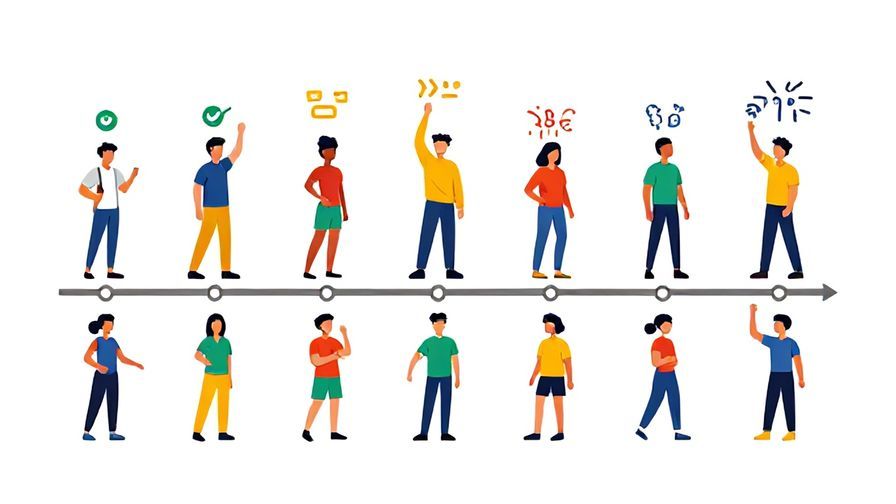
This phrase expresses change that has happened gradually.
変わって (kawatte) is the -te form of 変わる (kawaru), and 来た (kita) means “has come” or “has happened.”
It’s great for reflecting on how someone has evolved recently or over a period.
Say it as “kah-wah-tteh kee-tah.”
Use it to show appreciation for growth or adjustment.
It’s perfect for casual conversations about progress.
6. 昔の彼とは違う (Mukashi no kare to wa chigau) – “He’s different from who he was before.”

This phrase means “He’s not the same person as before.”
昔 (mukashi) means “past,” 彼 (kare) means “he,” 違う (chigau) means “to be different.”
It’s useful when talking about noticeable change in someone familiar.
Pronounce mukashi as “moo-kah-shee” and chigau as “chee-gah-oo.”
It’s a natural way to describe someone who’s matured or shifted in behavior.
Great for storytelling or sharing observations with friends.
7. 昔とは変わった (Mukashi to wa kawatta) – “Changed from the past.”
This phrase is similar to the previous one but focuses on change itself.
Here, 変わった (kawatta) is the past tense of “to change.”
It’s a concise and natural phrase to describe someone who’s evolved.
Pronounce kawatta as “kah-wah-tah.”
Good for informal chats or reflections on friends and family.
It gently acknowledges that change is part of time’s flow.
8. 人は変わらざるを得ない (Hito wa kawarazaru o enai) – “People can’t help but change.”

This phrase expresses the inevitability of change.
変わらざるを得ない (kawarazaru o enai) means “cannot avoid changing.”
It’s a bit stronger and philosophical, good for deeper conversations.
Pronounce it as “kah-wah-rah-zah-roo oh eh-nai.”
Use it to comfort someone or acknowledge life’s natural flow.
This phrase shows maturity in understanding change.
Part 2: Polite & Formal Suggestions
9. 人は常に変化しています (Hito wa tsuneni henka shiteimasu) – “People are always changing.”

This is a polite and formal way to express constant change.
常に (tsuneni) means “always,” 変化 (henka) means “change,” and しています (shiteimasu) is polite continuous tense of “do.”
It’s perfect for formal speeches or respectful conversations.
Pronounce tsuneni as “tsoo-neh-nee” and henka as “hen-kah.”
Use it when discussing people’s development in business or academic settings.
It sounds thoughtful and respectful, ideal for professional contexts.
10. 人は環境によって変わります (Hito wa kankyō ni yotte kawarimasu) – “People change depending on their environment.”

This phrase highlights how environment affects people’s change.
環境 (kankyō) means “environment,” によって (ni yotte) means “depending on,” and 変わります (kawarimasu) is polite form of “change.”
It’s polite and useful for thoughtful discussions.
Pronounce kankyō as “kahn-kyoh.”
Great for explaining why people adapt or transform in new settings.
It’s a useful phrase for cultural or social conversations.
11. 人は時間と共に変わります (Hito wa jikan to tomo ni kawarimasu) – “People change over time.”

This phrase politely states that change happens with time.
時間 (jikan) means “time,” と共に (to tomo ni) means “together with” or “along with.”
It’s a gentle, respectful way to talk about natural evolution.
Pronounce jikan as “jee-kahn.”
Perfect for formal writing or speeches about growth and change.
It frames change as a natural process everyone experiences.
12. 人は経験を通して変わります (Hito wa keiken o tōshite kawarimasu) – “People change through experience.”

This phrase emphasizes experience as the driver of change.
経験 (keiken) means “experience,” 通して (tōshite) means “through,” and 変わります (kawarimasu) is polite “change.”
It’s great for formal or inspirational talks.
Pronounce keiken as “kay-ken.”
Use it to highlight growth from challenges or learning.
This phrase inspires reflection on life’s lessons.
13. 人は成長し続けます (Hito wa seichō shi tsuzukemasu) – “People keep growing.”
This formal phrase shows ongoing growth.
成長し続けます (seichō shi tsuzukemasu) means “continue to grow.”
It’s encouraging and polite, suitable for speeches or letters.
Pronounce tsuzukemasu as “tsoo-zoo-keh-mahss.”
Perfect for expressing lasting development and hope.
It motivates listeners to embrace change.
14. 人は変化を受け入れます (Hito wa henka o ukeiremasu) – “People accept change.”

This phrase reflects acceptance, a mature response to change.
受け入れます (ukeiremasu) means “accept” politely.
It’s useful in formal or thoughtful conversations.
Pronounce ukeiremasu as “oo-kay-ee-reh-mahss.”
Use it when talking about adapting to life’s shifts positively.
It encourages open-mindedness and resilience.
15. 人は変わることができます (Hito wa kawaru koto ga dekimasu) – “People can change.”

This phrase encourages belief in the possibility of change.
ことができます (koto ga dekimasu) means “can do” or “are able to.”
It’s polite and hopeful, great for encouraging others.
Pronounce dekimasu as “deh-kee-mahss.”
Use it to inspire confidence in growth or transformation.
It’s a nice way to support someone going through change.
16. 人は新たな自分を見つけます (Hito wa aratana jibun o mitsukemasu) – “People find a new self.”
This elegant phrase means discovering a new side of oneself.
新たな (aratana) means “new,” 自分 (jibun) means “self,” and 見つけます (mitsukemasu) means “find.”
It’s poetic and polite, suitable for reflective conversations.
Pronounce aratana as “ah-rah-tah-nah.”
Great for talking about self-discovery and transformation.
This phrase embraces positive, internal change.
Part 3: Very Casual / Native-like Expressions
17. 人って変わるよね (Hito tte kawaru yo ne) – “People really do change, don’t they?”

This is a super casual, conversational way to talk about change.
って (tte) is a casual topic marker, and よね (yo ne) adds a friendly confirmation.
It sounds like you’re sharing a warm realization with a friend.
Pronounce it as “hee-toh tte kah-wah-roo yoh neh.”
Great for informal chats or text messages.
It’s like saying, “We all change, right?” with empathy.
18. 人は変わるもんだよ (Hito wa kawaru mon da yo) – “People are bound to change.”

This phrase uses もんだ (mon da) to express something natural or inevitable.
It’s informal and comforting, like sharing a life truth.
Pronounce mon da as “mohn dah.”
Use it when you want to sound like a native speaker in relaxed settings.
It’s perfect for reassuring someone about change.
It feels like a gentle life lesson in everyday talk.
19. 変わらない人なんていない (Kawaranai hito nante inai) – “There’s no one who doesn’t change.”

This casual phrase emphasizes that change is universal.
変わらない (kawaranai) means “not changing,” and いない (inai) means “does not exist.”
It’s a natural way to express an important truth.
Pronounce it as “kah-wah-rah-nai hee-toh nahn-teh ee-nai.”
Great for reassuring friends or during reflective talks.
This phrase reminds us all are on a changing journey.
20. 昔と全然違うよ (Mukashi to zenzen chigau yo) – “Totally different from before!”

This is a lively, casual way to say someone is very different now.
全然 (zenzen) means “totally” or “completely,” adding emphasis.
It’s perfect for excited or surprised reactions.
Pronounce zenzen as “zen-zen.”
Use it among close friends to highlight big changes.
It conveys emotion and emphasis naturally.
21. 人は変わるんだよね (Hito wa kawarun da yo ne) – “People do change, you know?”

This phrase uses んだ (nda) for explanation or emphasis.
It’s casual, soft, and sounds very natural.
Pronounce it as “hee-toh wah kah-wah-roon dah yoh neh.”
Great for sharing understanding or empathy.
It’s like saying, “That’s just how it is,” with kindness.
Perfect for heartfelt, casual talks.
22. 変わるのは当たり前だよ (Kawaru no wa atarimae da yo) – “Changing is only natural.”

This phrase means change is a normal and expected part of life.
当たり前 (atarimae) means “natural” or “obvious.”
It’s casual but wise, perfect for comforting or teaching moments.
Pronounce atarimae as “ah-tah-ree-mah-eh.”
Use it to remind others that change is nothing to fear.
It’s a gentle phrase that embraces life’s flow.
Concluding Thought
Exploring these 22 Japanese phrases shows how beautifully the language captures the idea that people change—whether subtly or drastically.
From casual chats to formal talks, each expression carries warmth and understanding, inviting us to accept change in ourselves and others with kindness.
So, next time you notice someone evolving, you’ll have the perfect phrase to share the moment—and maybe feel a little more connected to the flow of life.