22 Japanese ways to say “Payback is a bitch”
Ever had someone cross you, only to see karma come back with a vengeance? That feeling when payback bites back is universal, and Japanese has some wonderfully sharp ways to express it.
Whether you want to sound casual, polite, or downright native, this list has you covered with 22 Japanese phrases that capture the essence of “Payback is a bitch.”
These expressions range from subtle warnings to full-on “you deserved it” vibes, perfect for spicing up your conversations or understanding what’s behind those Japanese retorts.
Learning these will not only boost your language skills but also give you cultural insight into how Japanese speakers view justice and retribution in everyday life.
Understanding these phrases can be fun and useful, especially if you love anime, manga, or just want to impress your friends with some sharp comebacks.
Ready for some linguistic payback? Let’s dive in and explore these cool Japanese expressions!
Understanding Payback in Japanese Culture
Payback isn’t just a phrase; it’s a concept deeply rooted in Japanese culture, reflecting ideas of justice, karma, and social balance.
Many expressions involve wordplay or cultural references, so knowing a bit about the background helps. These phrases capture that “watch your back” mood perfectly.
Sometimes, the language is straightforward, other times poetic or subtle. Getting the nuance right can be a game changer.
If you’re starting out, picking up phrases from a Japanese idioms phrasebook is a smart move. It’s a great way to understand how language and culture intertwine.
Remember, context is key. Some phrases are playful, others stern, and knowing when to use each makes all the difference.
With that in mind, let’s check out the first set of casual ways to say payback is a bitch in Japanese.
Part 1: Casual Suggestions
1. 仕返しだぞ (Shikaeshi da zo) – “It’s payback!”

This phrase is direct and casual, perfect for telling someone “I’m getting even.”
仕返し (Shikaeshi) means “revenge” or “payback,” and だぞ (da zo) adds a confident emphasis, like saying “watch out!”
Use it with friends when teasing or in light-hearted revenge talk.
It’s a great go-to for casual conversations.
Related phrases include 仕返しする (shikaeshi suru) meaning “to take revenge.”
Using this phrase shows you’re ready to settle the score — but keep it playful!
2. 因果応報 (Inga ōhō) – “What goes around comes around.”
This is a classic Japanese proverb meaning karma or payback is inevitable.
因果 (Inga) means “cause and effect,” and 応報 (ōhō) means “retribution.” Together, it’s a perfect way to say payback is coming.
It’s formal but widely understood and used.
Great for discussions that are a bit more serious.
You might hear it in stories or wise advice from elders.
Use it to remind someone that actions have consequences.
3. 天罰が下る (Tenbatsu ga kudaru) – “Divine punishment will come.”

This phrase implies that justice from above will strike back at wrongdoers.
天罰 (Tenbatsu) means “divine punishment,” and 下る (kudaru) means “to fall or come down.”
It’s a powerful way to say payback is harsh and inevitable.
Use it when you want to sound serious or warn someone.
It’s less casual and more about fate or cosmic justice.
Perfect for intense moments or storytelling.
4. お返しだ (Okaeshi da) – “Here’s a return favor.”

お返し (Okaeshi) literally means “return” or “payback.”
It’s casual and can be used humorously to mean “you got what you deserved.”
Great for light, everyday payback talk.
It’s often used when giving back something, not just revenge.
Try it in friend circles for a cheeky comeback.
It’s a simple but effective phrase to keep handy.
5. ザマーミロ (Zamāmiro) – “Serves you right!”

This phrase is slangy and a bit cheeky, perfectly capturing the “payback is a bitch” vibe.
It’s often used when someone gets their just desserts in a sarcastic way.
Not for formal use but very common among young people.
It literally means “how do you like that?” with a mocking tone.
Use it carefully, as it can come off rude.
But great for casual, playful revenge remarks.
6. ざまあみろ (Zamāmiro) – “That’s what you get!”

A close cousin to ザマーミロ, this phrase is just a bit more old-fashioned but still cheeky.
It carries the same meaning: “serves you right” or “you deserved it.”
Often used when someone experiences a downfall after mistreating others.
Perfect for expressing satisfaction at someone’s misfortune.
Keep in mind it’s casual and can sound harsh.
Use sparingly to add flavor to your conversations.
7. 仕返ししてやる (Shikaeshi shite yaru) – “I’ll get you back.”

This phrase is a bit more aggressive, emphasizing the speaker’s intent to take revenge.
してやる (shite yaru) adds a strong “I will do it” tone, often implying confidence or threat.
Great for storytelling or dramatic moments.
It’s very direct and clear.
Use it when you want to sound serious about payback.
Pair it with casual tones for a fun contrast.
8. 復讐するぞ (Fukushū suru zo) – “I’m going to take revenge!”

復讐 (Fukushū) means “revenge,” and するぞ (suru zo) adds a determined emphasis.
This phrase is straightforward and powerful.
Best used in stories, anime quotes, or when you want to sound intense.
Not casual but very clear in meaning.
Use it to express serious resolve.
It’s a classic revenge phrase perfect for dramatic effect.
Part 2: Polite & Formal Suggestions
9. 報いは必ず来る (Mukui wa kanarazu kuru) – “Retribution will surely come.”

This is a polite, formal phrase often used in speeches or writing.
報い (Mukui) means “retribution” or “reward,” 必ず (kanarazu) means “certainly,” and 来る (kuru) means “to come.”
It conveys the inevitability of payback.
Perfect for formal discussions or ethical talks.
You’ll find this in literature or news commentary.
Use it when you want to sound serious but respectful.
10. 因果応報の法則 (Inga ōhō no hōsoku) – “The law of cause and effect.”
This phrase refers to the universal law that actions have consequences.
It’s very formal and philosophical.
Great for essays, speeches, or thoughtful conversations.
Not casual but very meaningful.
Use it to impress or explain karma.
Ideal for deep cultural discussions.
11. 仕返しは避けるべき (Shikaeshi wa sakeru beki) – “Payback should be avoided.”

This phrase is polite and promotes forgiveness rather than revenge.
It literally says “payback should be avoided.”
Good for formal advice or conflict resolution talks.
It shows maturity and restraint.
Use it in professional or serious contexts.
Helpful to balance the harsher phrases.
12. 公正な報い (Kōsei na mukui) – “Fair retribution.”
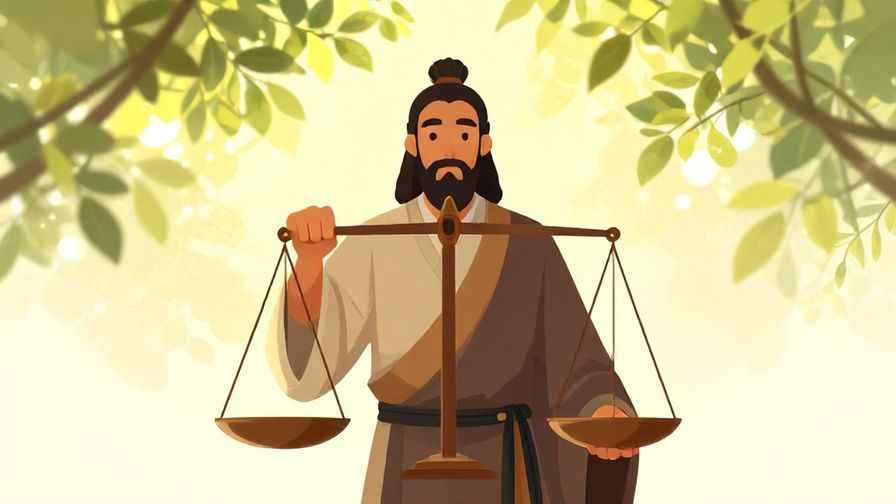
This phrase highlights fairness in payback, emphasizing justice.
公正 (Kōsei) means “fair” or “just,” and 報い (Mukui) means “retribution.”
Useful in legal or ethical conversations.
It sounds formal and respectful.
Use this when discussing fair consequences.
It’s a good phrase to show you understand justice deeply.
13. 報復は慎重に (Hōfuku wa shinchō ni) – “Revenge should be careful.”

This phrase advises caution when seeking payback.
報復 (Hōfuku) means “revenge,” and 慎重に (Shinchō ni) means “carefully.”
Great for polite conversations or advice.
It encourages thinking before acting.
Use it to sound wise and measured.
It’s a reminder payback isn’t always the best move.
14. 正当な報い (Seitō na mukui) – “Justified retribution.”

This phrase means payback that’s fair and justified.
正当 (Seitō) means “justified,” and 報い (Mukui) is “retribution.”
Ideal for formal or legal talk.
Use it when emphasizing fairness in consequences.
It’s a respectful way to talk about payback.
Perfect for serious discussions around justice.
15. 復讐は控えめに (Fukushū wa hikaeme ni) – “Keep revenge restrained.”

This phrase promotes moderation in revenge.
控えめに (Hikaeme ni) means “moderately” or “restrained.”
It’s polite and wise advice.
Use it to suggest controlling emotions.
Great for mature conversations.
Shows you value peace over conflict.
16. 復讐は無意味だ (Fukushū wa muimi da) – “Revenge is meaningless.”

This phrase expresses a philosophical stance against revenge.
無意味 (Muimi) means “meaningless.”
It’s polite but firm.
Use it to express pacifist ideas.
Great for thoughtful discussions or writing.
Shows wisdom in letting go of grudges.
Part 3: Very Casual / Native-like Expressions
17. やられたらやり返せ (Yararetara yarikaese) – “If you get hit, hit back.”

This is a very casual and common phrase among young people.
It means “return the favor” or “get even.”
Great for expressing straightforward payback.
It’s a bit rough but very natural.
Use it in friendly banter or casual talks.
It captures the “payback is a bitch” spirit well.
18. 因果応報だな (Inga ōhō da na) – “That’s karma for you.”
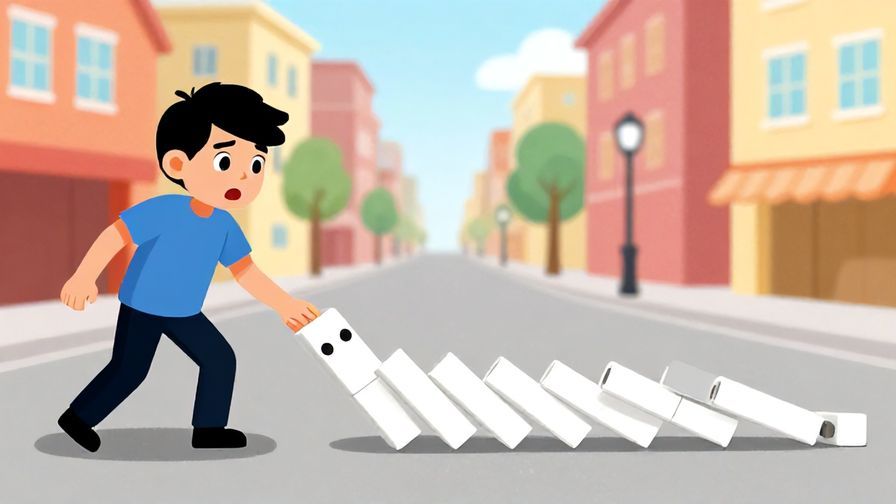
A casual spin on the formal proverb.
Adding だな (da na) makes it conversational and natural.
Use it when pointing out someone’s deserved fate.
It’s popular in everyday speech and media.
Good for showing you understand the situation clearly.
It’s less stiff, more relatable.
19. 自業自得だよ (Jigō jitoku da yo) – “You brought this on yourself.”

This phrase means “you reap what you sow.”
Very casual and commonly used.
Perfect for telling someone their bad luck is deserved.
It’s a bit cheeky but not rude.
Adding よ (yo) softens it slightly.
Great for everyday conversations.
20. バチが当たったね (Bachi ga atatta ne) – “You got what you deserved.”

バチが当たる (Bachi ga ataru) literally means “divine punishment hit.”
It’s casual and often used jokingly.
Use the ね (ne) at the end to seek agreement or soften the tone.
Great for light teasing.
It’s a fun way to say payback happened.
Common in spoken Japanese.
21. やり返されたね (Yarikaesareta ne) – “You got your payback.”
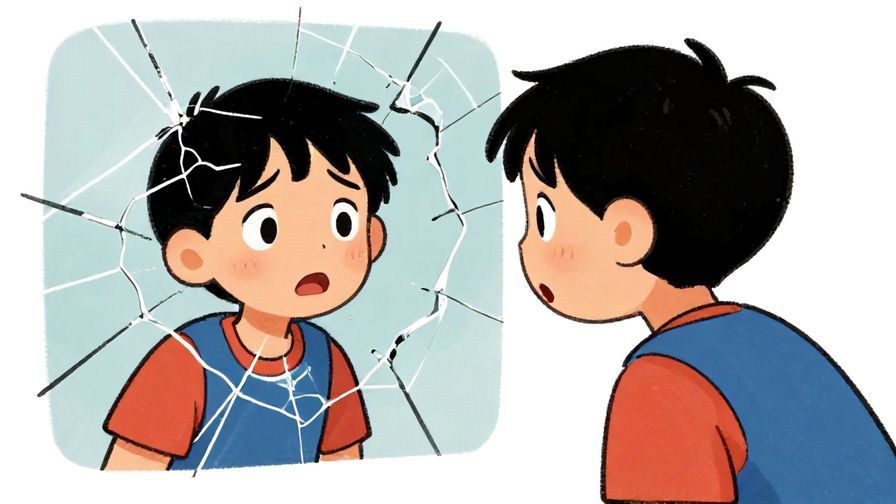
This phrase means “someone got even with you.”
It’s casual, conversational, and easy to use.
Focuses on the action being done to the other person.
Use it when commenting on payback happening.
Adding ね (ne) invites empathy or agreement.
Perfect for everyday chats.
22. ザマーみろ (Zamāmiro) – “Serves you right!”

This slang phrase is perfect for a savage comeback.
It literally means “how do you like that?” with a mocking tone.
Very casual and sometimes rude, so use with close friends only.
It’s the quintessential “payback is a bitch” phrase in Japanese.
Great for playful teasing or when someone truly deserves it.
Use it to sound native and confident.
Concluding Thought
Exploring these 22 Japanese expressions shows just how rich and varied the language is when it comes to payback and justice.
From casual slang to formal wisdom, each phrase offers a window into cultural attitudes about karma, fairness, and consequences.
Next time someone crosses you, you’ll have the perfect Japanese phrase ready—whether you want to warn, tease, or philosophize. Keep practicing and enjoy the linguistic payback!