22 Japanese ways to say “Out of sight, out of mind”
We all know the feeling: when something’s out of sight, it’s easy for it to slip out of mind. It’s a universal truth, and luckily, Japanese has many ways to express this idea.
Whether you’re learning Japanese or just curious about different cultures, exploring these phrases is a fun way to expand your language skills.
In this article, we’ll dive into 22 Japanese expressions that capture the essence of “Out of sight, out of mind” in various tones—from casual to formal and even native-like sayings.
Each phrase comes with a pronunciation guide and explanation, so you can feel confident using them in conversation.
Plus, I’ll share handy tips and examples to help you remember and practice these expressions easily.
Ready to learn some cool Japanese ways to say goodbye to things once they disappear from view? Let’s get started!
Understanding the Concept in Japanese
Before diving into specific phrases, it’s helpful to know how Japanese culture approaches the idea of forgetting things when they’re not visible.
Many expressions revolve around absence leading to forgetfulness or moving on emotionally. This helps convey the idea with nuance.
These phrases can be used in different situations, from casual chats to more formal talks.

Sometimes, a good idioms guide can boost your understanding of subtle language concepts.
By mastering these expressions, you’ll gain insight into Japanese thought patterns and sound more natural in conversation.
Let’s explore the first batch of casual, easy-to-use phrases!
Part 1: Casual Suggestions
1. 見えなければ忘れる (Mienakereba wasureru) – “If you can’t see it, you forget it.”
This phrase is a straightforward way to say “out of sight, out of mind” literally.
It breaks down into 見えなければ (mienakereba) meaning “if (something) is not visible” and 忘れる (wasureru) meaning “to forget.”
It’s easy to use in daily conversation when talking about forgetting things or people when they’re not around.
For example, when a friend stops contacting you, you might say this to explain how memories fade.
A similar phrase you might hear is 目に見えないものは心に残らない (me ni mienai mono wa kokoro ni nokoranai), meaning “things unseen by the eye don’t remain in the heart.”
Try using this phrase next time you want to express forgetting because of absence—it’s simple and clear!
2. 目から離れると忘れる (Me kara hanareru to wasureru) – “When it leaves the eye, you forget.”

This phrase is very similar to the first but uses the imagery of something “leaving the eye” (目から離れる).
It’s a gentle way to describe how forgetting happens when you stop seeing something regularly.
Great for casual chats about memories or relationships that fade over time.
Be careful not to confuse it with phrases that mean physical departure only; this one emphasizes mental forgetting.
For example, you could say this when talking about a favorite toy from childhood you no longer think about.
It’s a handy phrase to add variety when explaining forgetfulness due to absence.
3. 居ないと気にしない (Inai to ki ni shinai) – “If not here, I don’t care.”

This one is a more casual and blunt way to express “out of sight, out of mind.”
居ない (inai) means “not present,” and 気にしない (ki ni shinai) means “don’t care” or “not mind.”
It’s perfect for informal contexts with friends or family when talking about someone who’s no longer around and thus no longer on your mind.
Using this phrase might come off a bit harsh, so it’s best reserved for casual or humorous moments.
For example, “彼が居ないと気にしない” (Kare ga inai to ki ni shinai) means “If he’s not here, I don’t care.”
It’s a fun, easy phrase to remember and use when you want to sound relaxed and natural.
4. 目を離すと忘れる (Me o hanasu to wasureru) – “If you take your eyes off it, you forget.”
This phrase highlights the idea of forgetting when you stop paying attention.
目を離す (me o hanasu) means “to take one’s eyes off,” and 忘れる (wasureru) means “to forget.”
It’s useful when explaining how distraction or lack of focus leads to forgetting.
It’s less about physical absence and more about mental attention.
For example, “大事なことから目を離すと忘れる” means “If you take your eyes off important things, you forget them.”
Use this to emphasize how forgetting happens when you just stop noticing something.
5. 見なければ忘れる (Minakereba wasureru) – “If you don’t see it, you forget it.”

This is a condensed, very natural phrase to say “out of sight, out of mind.”
見なければ (minakereba) means “if you don’t see,” and 忘れる (wasureru) means “to forget.”
It’s great for quick explanations or casual conversation.
The simplicity makes it easy to remember and repeat.
For example, “好きな人を見なければ忘れる” means “If I don’t see the person I like, I forget them.”
Try this phrase when you want a straightforward way to explain forgetting due to absence.
6. 忘れっぽい (Wasureppoi) – “Forgetful (person).”

This word doesn’t directly mean “out of sight, out of mind,” but describes someone who forgets easily.
忘れっぽい (wasureppoi) combines 忘れる (to forget) with a suffix -っぽい (-ppoi) meaning “-ish” or “tending to.”
Use it to describe people who tend to forget things quickly, often because they don’t keep things in sight.
For example, “彼は忘れっぽいから、すぐに忘れる” means “He’s forgetful, so he forgets quickly.”
This is a handy adjective to mention when talking about forgetfulness in daily life.
It adds personality to your conversations about memory and absence.
7. 忘れてしまう (Wasurete shimau) – “End up forgetting.”
This phrase explains that forgetting has happened unintentionally or completely.
忘れて (wasurete) is the て-form of “forget,” and しまう (shimau) adds a nuance of completion or regret.
It’s useful when talking about forgetting something because it was out of your mind for too long.
For example, “約束を忘れてしまった” means “I ended up forgetting the promise.”
It’s a polite and common way to talk about accidental forgetting.
Great to use in both casual and polite contexts.
8. 忘れられる (Wasurerareru) – “To be forgotten.”

This is the passive form meaning “to be forgotten,” often used when someone or something slips from others’ minds.
It’s useful in emotional or nostalgic contexts.
For example, “昔の友達に忘れられた” means “I was forgotten by old friends.”
This phrase captures the feeling of being out of sight and consequently out of mind.
It works well in storytelling or heartfelt conversations.
Try it when describing those bittersweet moments of fading memories.
Part 2: Polite & Formal Suggestions
9. 目に見えなければ忘れられる (Me ni mienakereba wasurerareru) – “If invisible to the eye, it is forgotten.”

This phrase is a polished, formal version of the common idea.
It uses the polite passive form 忘れられる (wasurerareru) combined with 目に見えなければ (if not visible to the eye).
Perfect for presentations or written communication about memory and attention.
For example, in a business meeting, you might say, “重要な情報は目に見えなければ忘れられる傾向があります” meaning “Important information tends to be forgotten if it’s not visible.”
It’s a great phrase to sound professional while expressing the concept.
Use it to politely explain why keeping things visible matters.
10. 見えなくなると忘れがちです (Mienakunaru to wasuregachi desu) – “Tend to forget when it becomes invisible.”
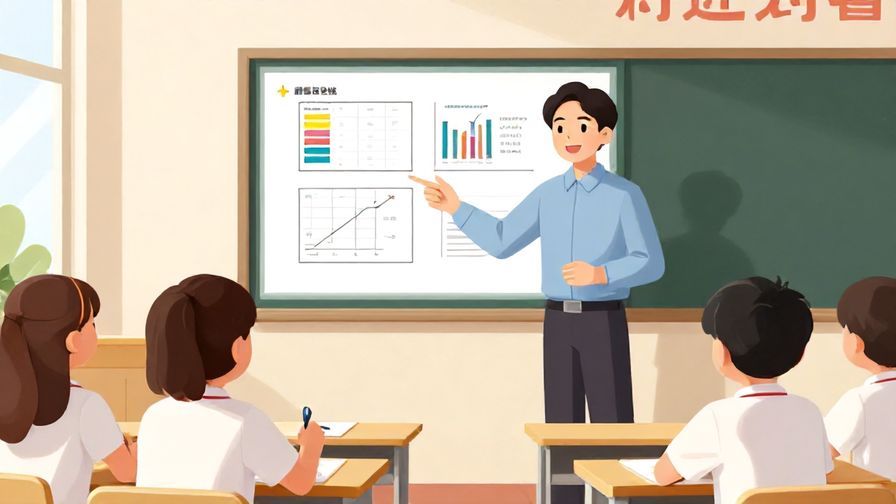
This phrase adds a polite nuance with 〜がち (gachi), meaning “tend to.”
It’s often used in formal or educational contexts to explain common tendencies.
For example, “情報は見えなくなると忘れがちです” means “Information tends to be forgotten when it’s no longer visible.”
It’s an excellent phrase for writing reports or giving advice.
The polite ending です (desu) makes it appropriate for respectful contexts.
Try it when discussing memory habits or workplace communication.
11. 視界から外れると記憶からも消えます (Shikai kara hazureru to kioku kara mo kiemasu) – “When it leaves the field of view, it also disappears from memory.”

This is a sophisticated, poetic way to describe the phenomenon.
視界 (shikai) means “field of vision,” 外れる (hazureru) means “to be out of,” 記憶 (kioku) is “memory,” and 消えます (kiemasu) means “disappear.”
It’s perfect for essays, speeches, or thoughtful conversations.
For example, “視界から外れると記憶からも消えます” is a graceful way to say “out of sight, out of mind.”
This phrase captures both physical absence and mental fading.
Use it when you want to impress with your Japanese skills and convey depth.
12. 見えないものは心に残らない (Mienai mono wa kokoro ni nokoranai) – “Things unseen don’t remain in the heart.”
This phrase is more emotional, focusing on feelings rather than just memory.
心 (kokoro) means “heart,” 残らない (nokoranai) means “don’t remain.”
It’s great to express how absence affects emotional attachment.
For example, “見えないものは心に残らない” might be used in poetry or romantic settings.
This phrase adds a lyrical touch to your Japanese expressions.
Try it to convey the softer side of forgetting due to absence.
13. 忘却の彼方に消える (Bōkyaku no kanata ni kieru) – “Disappear beyond oblivion.”
This phrase is quite poetic and formal, often used in literature.
忘却 (bōkyaku) means “oblivion,” 彼方 (kanata) means “beyond,” and 消える (kieru) means “to disappear.”
It beautifully captures the ultimate forgetting when something is completely out of mind.
Use this in creative writing or sophisticated talks about memory and loss.
For example, “思い出は忘却の彼方に消えた” means “Memories disappeared beyond oblivion.”
It’s a phrase that adds depth and emotion to your Japanese vocabulary.
14. 見なければ記憶に残らない (Minakereba kioku ni nokoranai) – “If you don’t see it, it won’t stay in memory.”

This phrase is very logical and educational.
It’s useful in formal explanations about memory retention.
For example, “何度も見なければ記憶に残らない” means “If you don’t see it many times, it won’t stay in memory.”
Use it in study tips or presentations to emphasize the importance of repetition and visibility.
The clarity of this phrase makes it easy to understand and remember.
Try adding it to your polite Japanese toolkit.
15. 見えなくなると記憶が薄れる (Mienakunaru to kioku ga usureru) – “When it becomes invisible, memory fades.”
This phrase focuses on the fading aspect of memory.
薄れる (usureru) means “to fade” or “grow weak.”
It’s great for discussing the gradual loss of memory when something is no longer seen.
For example, “長く見えなくなると記憶が薄れる” means “If you don’t see it for a long time, your memory fades.”
Use it to describe subtle changes in how we remember things.
This phrase fits well in thoughtful or academic conversations.
16. 見えなければ心も離れる (Mienakereba kokoro mo hanareru) – “If not seen, the heart also drifts away.”

This expression adds an emotional dimension, linking sight with feelings.
心 (kokoro) means “heart,” and 離れる (hanareru) means “to drift apart” or “separate.”
It’s useful in romantic or sentimental contexts.
For example, “長く会わなければ心も離れる” means “If we don’t meet for a long time, our hearts drift apart.”
This phrase beautifully conveys how absence affects emotional bonds.
Try it in conversations about relationships and feelings.
Part 3: Very Casual / Native-like Expressions
17. 見なきゃ忘れるよ (Minakya wasureru yo) – “If you don’t see it, you’ll forget it.”

This is a very casual, native-sounding phrase often used in everyday speech.
It shortens 見なければ (minakereba) to 見なきゃ (minakya), a common contraction.
The “よ” at the end adds emphasis or friendliness.
For example, “そんなの見なきゃ忘れるよ” means “If you don’t see that, you’ll forget it.”
This phrase is great for informal chats with friends or family.
It sounds natural and easygoing—perfect for daily use.
18. 見ないと忘れるってば (Minai to wasureru tte ba) – “I’m telling you, if you don’t see it, you’ll forget it.”

This phrase adds the casual particle ってば (tte ba), often used for emphasis or mild insistence.
It makes the sentence sound playful and conversational.
Perfect for informal, energetic conversations.
For example, “見ないと忘れるってば!” means “I’m telling you, if you don’t see it, you’ll forget it!”
Use it to sound friendly and slightly playful.
It’s a fun way to remind someone about paying attention.
19. 目に入らなきゃ忘れるんだよね (Me ni hairanakya wasurerun da yo ne) – “If it doesn’t enter your eyes, you end up forgetting it, right?”

This phrase uses 〜んだよね (nda yo ne) for explanatory and confirming tone.
目に入らなきゃ (me ni hairanakya) means “if it doesn’t enter your eyes,” another casual contraction.
It’s great for natural, fluent speech among friends.
For example, “目に入らなきゃ忘れるんだよね” is a way to confirm the idea with a listener.
It adds nuance and makes your Japanese sound very native-like.
Try it when you want to explain something casually but clearly.
20. 見えなくなったら忘れちゃうよ (Mienakunattara wasurechau yo) – “Once it’s out of sight, you’ll forget it.”

This phrase uses the casual 〜ちゃう (chau) form, implying completion or sometimes regret.
It sounds very natural and conversational.
For example, “見えなくなったら忘れちゃうよ” gently explains forgetting when something disappears.
Great for casual storytelling or sharing feelings.
Use it to sound relaxed yet expressive.
This phrase is a staple in everyday Japanese.
21. 気にしなければ忘れるだけ (Ki ni shinakereba wasureru dake) – “If you don’t care, you just forget.”

This phrase highlights the mental attitude behind forgetting.
気にしなければ (ki ni shinakereba) means “if you don’t care,” and だけ (dake) means “just.”
It’s often used when emphasizing that forgetting happens because you don’t give something importance.
For example, “気にしなければ忘れるだけ” is a casual way to say “Out of sight, out of mind.”
It’s a useful phrase to sound thoughtful and relaxed.
Try using it to talk about letting go or moving on.
22. 見ないふりすれば忘れられる (Minai furi sureba wasurerareru) – “If you pretend not to see, you can forget.”
This phrase uses ふりをする (furi o suru), meaning “to pretend,” combined with forgetting.
It’s a clever and casual way to say that sometimes forgetting is a choice.
For example, “見ないふりすれば忘れられる” means “If you pretend not to see, you can forget it.”
Perfect for casual conversations about emotional avoidance or moving on.
This phrase adds a playful, deeper layer to the idea of forgetting.
Try it to sound native and insightful.
Concluding Thought
Exploring these 22 Japanese ways to say “Out of sight, out of mind” reveals just how rich and nuanced the language is.
From straightforward phrases to poetic expressions, each one gives you a new way to express a common human experience.
Keep practicing these expressions, and you’ll not only expand your vocabulary but also connect more deeply with Japanese culture and communication styles. Ganbatte!