22 Japanese ways to say “Old habits die hard”
Old habits are tough to shake, no matter where you are in the world. In Japan, just like everywhere else, there are plenty of ways to express this universal truth.
Whether you’re learning Japanese or just love the language, discovering these phrases is a fun way to connect with culture and everyday wisdom.
These expressions range from straightforward sayings to poetic metaphors, each with a warm, relatable vibe.
By exploring these 22 Japanese ways to say “Old habits die hard,” you’ll not only expand your vocabulary but also get a glimpse into how habits and perseverance are viewed in Japan.
And hey, mastering these can be a neat conversation starter or a clever way to share your thoughts about change and persistence.
Ready to dive in? Let’s explore these phrases together and see which ones resonate with you the most.
Common Phrases About Habits in Japanese
Japanese has some beautiful, practical ways to talk about habits and how hard they are to change.
These phrases often use natural imagery or simple, memorable expressions that make them easy to recall and use.
Let’s look at some classic examples to get started.
Sometimes, refreshing your learning with a great idioms and phrases book helps you internalize these concepts quickly and naturally.
Keep an eye out for phrases that use nature as a metaphor – it’s a common and beautiful style in Japanese.
These expressions are easy to weave into conversation once you get the hang of them.
Part 1: Casual Suggestions
1. 習慣はなかなか変わらない (Shūkan wa nakanaka kawaranai) – “Habits don’t change easily.”
This is a straightforward way to say that habits are stubborn and hard to break.
習慣 (Shūkan) means “habit,” なかなか (nakanaka) means “not easily,” and 変わらない (kawaranai) means “don’t change.” Put together, it’s simple and clear.
It’s an easy phrase to remember because it uses common words you might already know.
It’s perfect for casual chats when you want to point out why someone keeps doing the same thing.
You might also hear 変えにくい (kaenikui), meaning “difficult to change,” used in similar contexts.
Use it to show empathy when someone struggles with breaking old routines – it’s very relatable!
2. 飼い慣らした虎 (Kainarashita tora) – “A tamed tiger.”

This phrase is a metaphor for something wild that’s been trained or tamed, much like a habit that’s been deeply ingrained.
飼い慣らした (kainarashita) means “tamed” or “domesticated,” and 虎 (tora) means “tiger.”
It’s a vivid way to say old habits can be dangerous but controlled—but still present.
Great for storytelling or poetic moments when you want to describe how habits linger.
Be careful to use it in the right tone—it’s a bit more literary than casual.
Try using this if you want to impress with a deeper, more nuanced expression.
3. 癖は直らない (Kuse wa naoranai) – “Bad habits don’t get fixed.”
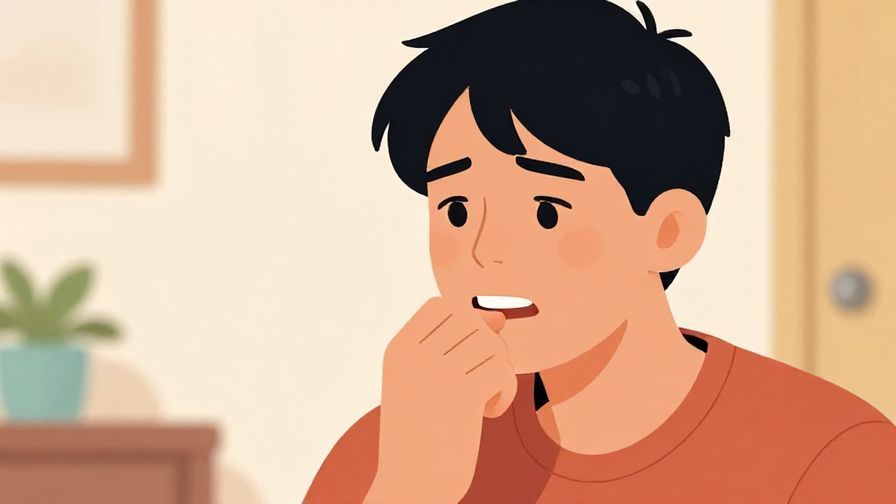
癖 (Kuse) means “habit” or “quirk,” often with a negative nuance, and 直らない (naoranai) means “don’t get fixed.”
This phrase is blunt but common, especially when talking about habits that cause trouble.
It’s easy to say and perfect for casual conversations with friends or family.
Try not to sound too harsh when using it—it’s best when said with a little humor or understanding.
Related phrase: 癖が強い (kuse ga tsuyoi) means “having strong habits” or “being stubborn.”
It’s a handy phrase to know for real-life talk about habits you or others want to change.
4. 古い習慣はなかなか死なない (Furui shūkan wa nakanaka shinanai) – “Old habits don’t die easily.”
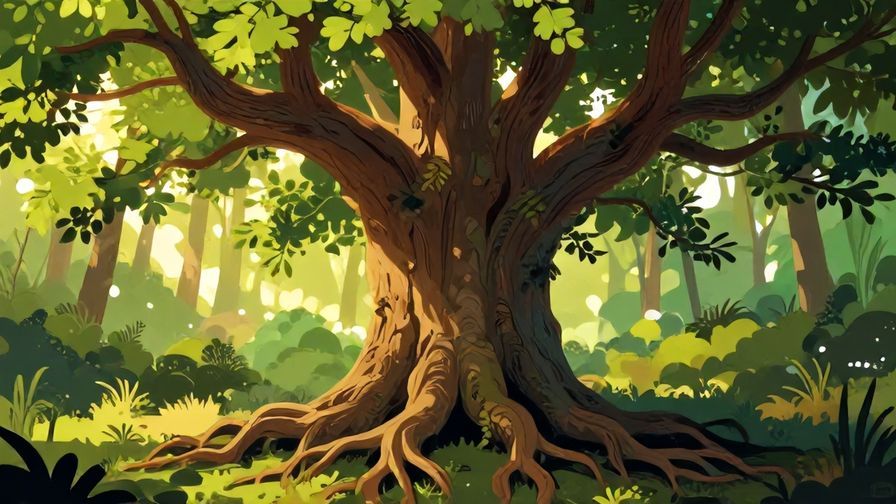
This is a direct equivalent to “Old habits die hard” with a poetic touch.
古い (furui) means “old,” 習慣 (shūkan) is “habit,” and 死なない (shinanai) means “don’t die.”
It’s a natural phrase to use in almost any situation where you want to talk about persistence or difficulty in changing.
Its imagery of old roots or deep-seated habits helps make the phrase memorable.
You can also say 古い癖はなかなか死なない (furui kuse wa nakanaka shinanai) swapping 習慣 for 癖 for a more casual feel.
Perfect for both casual and semi-formal settings.
5. 習慣は第二の天性 (Shūkan wa daini no tensei) – “Habit is second nature.”

This phrase highlights how habits become so natural they feel like part of your nature.
第二 (daini) means “second,” 天性 (tensei) means “natural talent” or “nature.”
It’s a positive take, showing that habits shape who we are deeply.
Great for encouraging someone who’s building good habits or reflecting on lifelong routines.
You might hear it in motivational talks or self-improvement contexts.
Using this phrase can inspire a thoughtful conversation on how habits define us.
6. 習慣は骨身にしみる (Shūkan wa honemi ni shimiru) – “Habits sink into the bones.”

This poetic phrase tells us habits are deeply ingrained, almost to the bone.
骨身 (honemi) means “bones and flesh,” and しみる (shimiru) means “to sink in” or “to penetrate.”
It’s a beautiful way to express how habits affect us physically and mentally.
Use this to describe habits that feel impossible to shake or that have shaped your whole being.
This phrase has a warm, reflective tone perfect for storytelling.
Try it when discussing lifelong routines or deep-seated ways of thinking.
7. 古い習慣は根が深い (Furui shūkan wa ne ga fukai) – “Old habits have deep roots.”
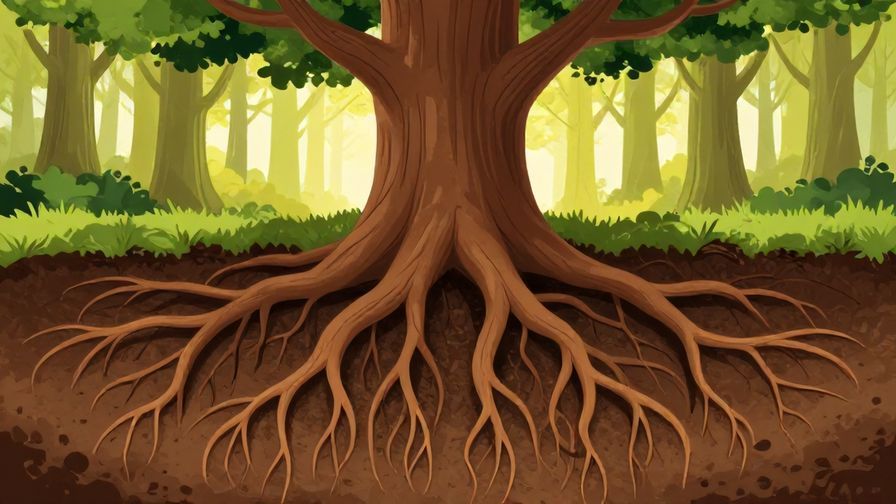
This phrase uses the image of roots to show how hard it is to change old habits.
根 (ne) means “root,” and 深い (fukai) means “deep.”
It’s simple, visual, and easy to remember.
Perfect for explaining why some habits stick around despite efforts to change.
You’ll find this phrase useful in conversations about personal growth or challenges.
It’s also a great phrase to use when encouraging patience in the process of change.
8. 習慣は第二の性格 (Shūkan wa daini no seikaku) – “Habit is a second personality.”
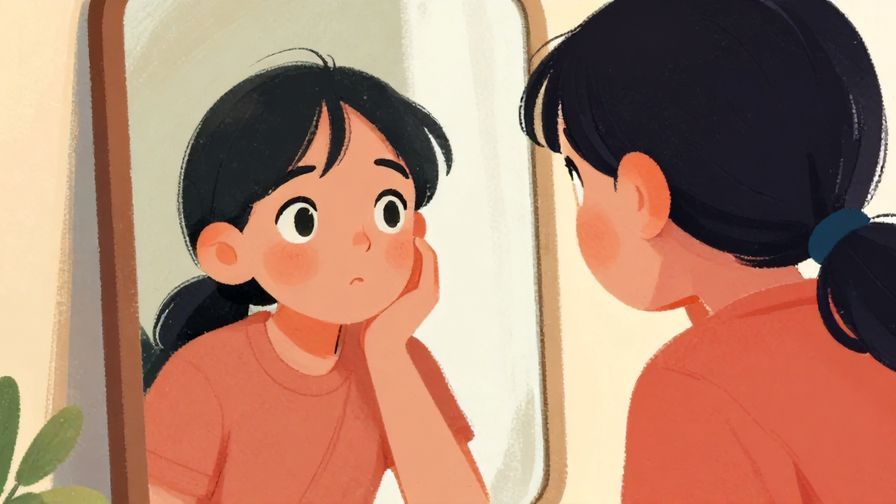
This expression suggests habits can become so strong they almost act like a second personality.
性格 (seikaku) means “personality” or “character.”
It’s a thoughtful way to describe how habits shape behavior deeply.
Use this phrase to discuss how habits influence who we are on the inside.
It’s great for reflective or philosophical conversations.
Try it when talking about the long-term impact of habits.
Part 2: Polite & Formal Suggestions
9. 古い癖はなかなか改めがたい (Furui kuse wa nakanaka aratamegataki) – “Old habits are hard to reform.”

This is a formal way to express just how difficult it is to change old habits.
改めがたい (aratamegataki) means “hard to reform” or “hard to change,” adding a polite and serious tone.
It’s perfect for professional or respectful conversations.
Use this phrase when discussing habits in a work or educational setting.
It carries a nuance of respect for the challenge of change.
Great for formal writing or presentations about personal or organizational habits.
10. 習慣は簡単には変えられないものです (Shūkan wa kantan ni wa kaerarenai mono desu) – “Habits are things that can’t be changed easily.”

This is a very polite and descriptive way to say habits don’t change easily.
簡単には (kantan ni wa) means “easily,” and 変えられない (kaerarenai) means “cannot be changed.”
It’s ideal for formal or polite speech, especially in teaching or advice-giving.
You’ll often hear this form in lectures or self-help contexts.
It’s a gentle way to acknowledge the difficulty of breaking habits.
Use it to sound considerate and thoughtful.
11. 長年の癖は簡単に消えない (Naganen no kuse wa kantan ni kienai) – “Long-standing habits don’t disappear easily.”
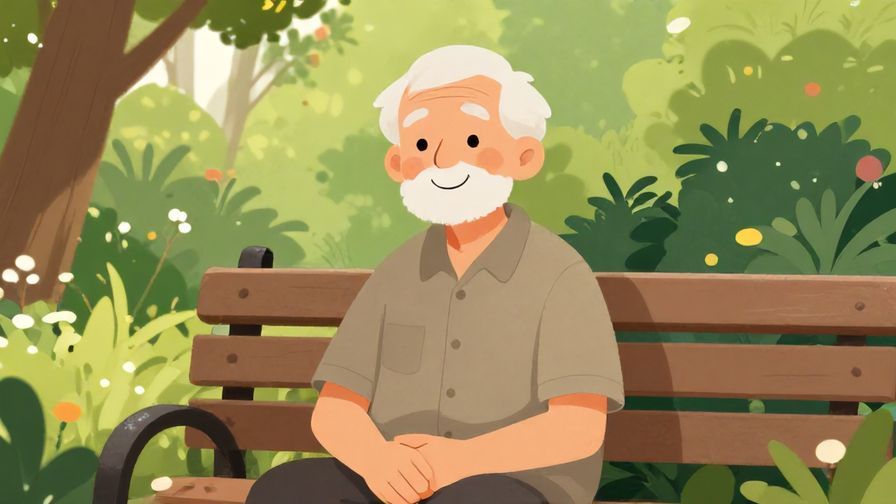
This phrase emphasizes how habits formed over many years are especially tough to change.
長年の (naganen no) means “long years of,” and 消えない (kienai) means “don’t disappear.”
It’s polite and reflective, often used in storytelling or advice from elders.
Great for more formal conversations about personal growth or change.
You can use this phrase to show respect for the time it takes to change.
It’s a warm way to acknowledge lifelong challenges with habits.
12. 習慣は人間の性質の一部です (Shūkan wa ningen no seishitsu no ichibu desu) – “Habits are a part of human nature.”

This formal phrase frames habits as a natural part of being human.
性質 (seishitsu) means “nature” or “characteristic,” and 一部 (ichibu) means “part.”
It’s useful for academic discussions or respectful conversations about behavior.
Use it when explaining why habits are universal and natural.
It’s also a nice way to be empathetic about struggles with change.
This phrase carries a thoughtful, inclusive tone.
13. 変わることは難しいが、不可能ではない (Kawaru koto wa muzukashii ga, fukanō de wa nai) – “Changing is difficult but not impossible.”

This phrase offers a hopeful message about change despite difficulty.
難しい (muzukashii) means “difficult,” and 不可能ではない (fukanō de wa nai) means “not impossible.”
It’s polite and encouraging, good for formal advice or motivational talks.
Use it to gently inspire someone struggling with habits.
It balances realism with optimism perfectly.
A great phrase to remind yourself or others that change is always possible.
14. 習慣は意識しなければ変わらない (Shūkan wa ishiki shinakereba kawaranai) – “Habits won’t change unless you’re conscious of them.”

This phrase highlights the importance of awareness in breaking old habits.
意識しなければ (ishiki shinakereba) means “if you don’t become conscious.”
It’s useful in formal or semi-formal contexts focused on self-improvement.
Use it to explain why change requires active effort.
This phrase encourages mindfulness and reflection.
Great for thoughtful conversations about personal growth.
15. 古い習慣は易々とは消えない (Furui shūkan wa yasu yasu to wa kienai) – “Old habits don’t vanish easily.”
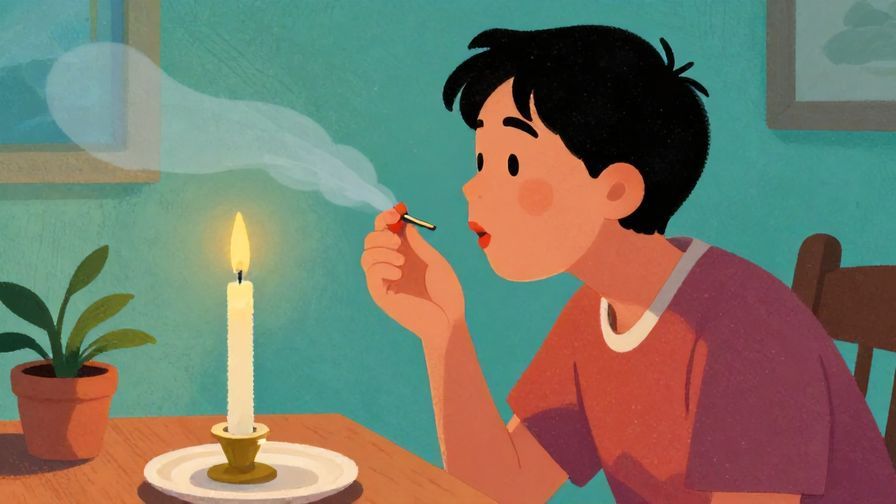
This poetic expression uses 易々と (yasu yasu to), meaning “easily,” in a more literary way.
It’s a formal phrase emphasizing the stubborn nature of habits.
Perfect for essays, speeches, or formal discussions.
Use it to add elegance to your conversation about habits.
The phrase acknowledges the difficulty with a nuanced tone.
It’s a beautiful option for expressing respect towards the endurance of habits.
16. 習慣は人の性格を形成する (Shūkan wa hito no seikaku o keisei suru) – “Habits shape a person’s character.”
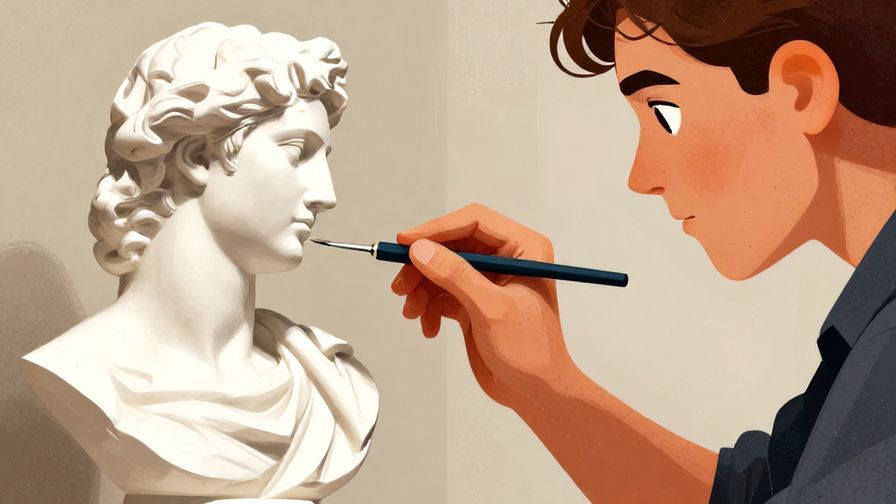
This phrase is formal and philosophical, perfect for serious discussions about habits and identity.
形成する (keisei suru) means “to form” or “to shape.”
It’s a great phrase for professional or academic settings.
Use it when explaining how deeply habits influence our personality.
This phrase adds weight and clarity to conversations about growth.
Try it in essays or thoughtful talks on human behavior.
Part 3: Very Casual / Native-like Expressions
17. 癖は死なず (Kuse wa shinazu) – “Habits never die.”

Short and punchy, this phrase is a casual way to say old habits just don’t quit.
死なず (shinazu) is the classical negative form of “die,” giving it a neat, native feel.
Use it in everyday talk with friends or family.
It sounds relaxed and a bit playful.
Great for light-hearted conversations about personal quirks.
It’s a phrase that captures the reality of habits with a smile.
18. 癖ってのはなかなか抜けないよね (Kusette no wa nakanaka nukenai yo ne) – “Habits are hard to get rid of, right?”

This very casual phrase uses slang-ish expressions and particle endings that make it super natural sounding.
抜けない (nukenai) means “can’t come out” or “can’t be removed.”
It’s great for everyday conversations about those little habits that stick.
Use it when you want to sound like a native speaker chatting informally.
The “よね (yo ne)” ending invites agreement and connection.
Perfect for casual talks about shared human experiences.
19. 癖はなかなか治らないんだよね (Kuse wa nakanaka naoranain da yo ne) – “Habits just don’t fix themselves easily, you know?”

This phrase is casual and empathetic, perfect for sharing frustrations about habits.
治らないんだよね (naoranain da yo ne) adds a soft explanatory tone.
It’s conversational and easy to use in friendly discussions.
Use it when you want to acknowledge the struggle with a little sympathy.
It’s a phrase full of warmth and understanding.
Great for bonding over shared difficulties.
20. 昔からの癖はなかなか抜けないよ (Mukashi kara no kuse wa nakanaka nukenai yo) – “Old habits from long ago don’t go away easily.”

This casual phrase uses 昔からの (mukashi kara no) meaning “from long ago” to emphasize deep-rooted habits.
Perfect for nostalgic or reflective conversations.
It’s natural, easy to say, and fits informal chats.
Use it to talk about lifelong habits with friends or family.
The phrase has a warm, gentle tone.
It’s a nice way to connect past and present in speech.
21. 習慣ってほんとに抜けにくいよね (Shūkan tte honto ni nukenikui yo ne) – “Habits really are hard to break, huh?”

This casual phrase uses ほんとに (honto ni) for emphasis and 抜けにくい (nukenikui) meaning “hard to escape from.”
It’s perfect for everyday conversations with peers.
The ending よね (yo ne) invites agreement.
Use it when sharing experiences and sympathizing.
It’s fun, friendly, and very natural sounding.
Great for informal discussions about habits and change.
22. 習慣はなかなか変えられないけど、頑張ろう! (Shūkan wa nakanaka kaerarenai kedo, ganbarou!) – “Habits are hard to change, but let’s do our best!”

This phrase mixes honesty about difficulty with a positive, encouraging spirit.
頑張ろう (ganbarou) means “let’s do our best” or “let’s keep trying.”
It’s casual but motivating, perfect for self-talk or cheering on friends.
Use it to end conversations on a hopeful note.
This phrase embodies the Japanese spirit of perseverance.
It’s a warm, friendly way to face the challenge of changing habits.
Concluding Thought
Exploring these 22 Japanese ways to say “Old habits die hard” shows us how language beautifully captures the persistence of habits.
From poetic metaphors to casual expressions, each phrase offers a unique perspective on the challenges and warmth of human nature.
So next time you feel stuck in an old habit, remember these phrases and keep pushing forward with kindness and patience—you’ve got this!