22 Japanese ways to say “Not today”
Sometimes, you just want to say “Not today” but in a way that feels natural and unique. Japanese has so many phrases for this little phrase, each with its own vibe and nuance.
Whether you’re politely declining an invitation, joking with friends, or just need a casual way to express “not today,” there’s a phrase here for you.
Learning these variations not only boosts your Japanese fluency but also helps you sound more native and relatable in everyday conversation.
From casual to formal, and even playful ways, this list will arm you with versatile expressions to say “Not today” with warmth and clarity.
Plus, knowing when and how to use these phrases can save you from awkward moments and help keep your conversations smooth.
Ready to explore 22 Japanese ways to say “Not today”? Let’s dive in!
Getting Started with Saying “Not Today” in Japanese
Before jumping into specific phrases, it’s helpful to understand the general structure and tone behind “Not today” in Japanese.
Most expressions involve negating the idea of doing something or postponing it to another time. These phrases range from casual to polite, so you can match your mood or situation.
Using the right phrase will help you sound natural and respectful—or playful and relaxed—depending on who you’re talking to.

Sometimes, using a great beginner phrasebook can give you a perfect starting point for a cohesive understanding.
It’s a simple trick to make your learning curve less steep and more fun.
Let’s start with some casual suggestions you can use with friends or family.
Part 1: Casual Suggestions
1. 行けたら行く (Iketara iku) – “I’ll come if I can.”

This phrase literally means “If I can go, I’ll go.” It’s a polite but casual way to say you’re not committing right now.
“行けたら” (Iketara) means “if I can go,” and “行く” (Iku) means “I’ll go.” Together, it softens your refusal.
It’s great because it leaves the door open without promising anything.
People often use it when they’re unsure about plans but want to sound friendly.
You can use it instead of a flat “No” to stay polite yet casual.
It’s a perfect go-to phrase when you want to say “Not today” but keep things light.
2. 今はちょっと (Ima wa chotto) – “Not really now.”

This phrase means “Right now is a little…” implying you’re hesitant or not up for it today.
“今は” (Ima wa) means “now,” and “ちょっと” (chotto) is a soft way to say “a little” or “not quite.”
It’s casual and polite enough for friends or coworkers.
Don’t use it too harshly; it’s meant to soften a refusal.
In conversation, you might say, “今はちょっと忙しい” (Ima wa chotto isogashii) — “I’m a bit busy right now.”
This gives a natural, relatable way to say “Not today” without sounding rude.
3. また今度ね (Mata kondo ne) – “Maybe next time.”

“また今度ね” literally means “Again next time.” It’s a friendly phrase to say “Not today” but you might be interested later.
“また” (Mata) means “again,” and “今度” (Kondo) means “next time.”
This phrase is perfect when you want to keep things positive and open-ended.
It’s very natural among friends or casual acquaintances.
A great alternative to a flat “No” that sounds warm and hopeful.
Try using it when you want to gracefully postpone plans.
4. 今は遠慮しとく (Ima wa enryo shitoku) – “I’ll pass for now.”

This phrase means “I’ll refrain for now,” a polite way of saying “Not today.”
“遠慮しとく” (Enryo shitoku) means “I’ll hold back” or “I’ll refrain.”
It’s casual but still respectful, often used among friends or coworkers.
Be careful not to sound too harsh; tone matters here.
Use it when you want to politely decline without offending.
This phrase strikes a nice balance between honesty and politeness.
5. 今日は無理 (Kyou wa muri) – “Today is impossible.”

“今日は無理” is a straightforward way to say “Not today,” literally “Today is impossible.”
“今日は” (Kyou wa) means “today,” and “無理” (Muri) means “impossible” or “no way.”
It’s casual and to the point, often used among close friends.
Watch your tone to avoid sounding rude; this is blunt but honest.
Perfect when you want to firmly but casually say you can’t do something today.
Great for expressing your limits clearly.
6. 今はちょっと無理 (Ima wa chotto muri) – “Not really possible now.”

This is a softer version of the previous phrase, adding “ちょっと” (a little) to soften your refusal.
“今はちょっと無理” means “It’s a bit impossible right now,” which sounds less harsh.
It’s a polite way to say “Not today” while showing you’re open to other times.
Good for work or social settings where you want to be respectful.
It’s a nice phrase to practice to sound considerate yet clear.
Try it next time you want to gently say “Not today.”
7. また今度で (Mata kondo de) – “Next time then.”

Similar to “また今度ね,” this phrase is a bit more casual and direct as “Next time then.”
It’s short, friendly, and perfect for casual conversations.
“で” (de) here works like “then” or “so.”
Use it when you want to wrap up a refusal with a hopeful tone.
It keeps the mood light and future-focused.
Great for friends or informal settings.
8. 今日はやめとく (Kyou wa yametoku) – “I’ll skip today.”

This phrase literally means “I’ll quit or skip today.”
“やめとく” (Yametoku) is a casual way to say “I’ll refrain” or “I’ll skip.”
It’s super casual and often used among close friends or family.
Great for when you want to say “Not today” but sound laid back.
Can be used for skipping events, tasks, or invitations.
Try it when you want a simple, casual refusal.
Part 2: Polite & Formal Suggestions
9. 今日は遠慮させていただきます (Kyou wa enryo sasete itadakimasu) – “I’ll refrain today.”

This is a very polite and formal way to say “Not today.”
“遠慮させていただきます” (Enryo sasete itadakimasu) means “I humbly refrain.”
It’s perfect for work or formal invitations.
Using this phrase shows respect and careful wording.
It’s a great phrase to learn if you want to decline politely without offending.
Use it when you want to keep relationships positive and professional.
10. 本日は控えさせていただきます (Honjitsu wa hikae sasete itadakimasu) – “I will refrain today.”

“本日は控えさせていただきます” is another formal way to say “Not today.”
“控えさせていただきます” (Hikae sasete itadakimasu) means “I will refrain/hold back.”
“本日” (Honjitsu) is a formal word for “today.”
This phrase is often used in business or formal social situations.
It’s respectful and clear without sounding rude.
Perfect for polite refusals where you want to maintain good etiquette.
11. 本日は難しいです (Honjitsu wa muzukashii desu) – “Today is difficult.”

This phrase politely says “Today is difficult” to imply you can’t do something today.
“難しい” (Muzukashii) literally means “difficult.”
It’s a gentle way to decline without saying “No” directly.
Useful in formal or business contexts.
It sounds polite and thoughtful.
Great for when you want to sound considerate but firm.
12. 本日はご遠慮させていただきます (Honjitsu wa goenryo sasete itadakimasu) – “I respectfully decline today.”
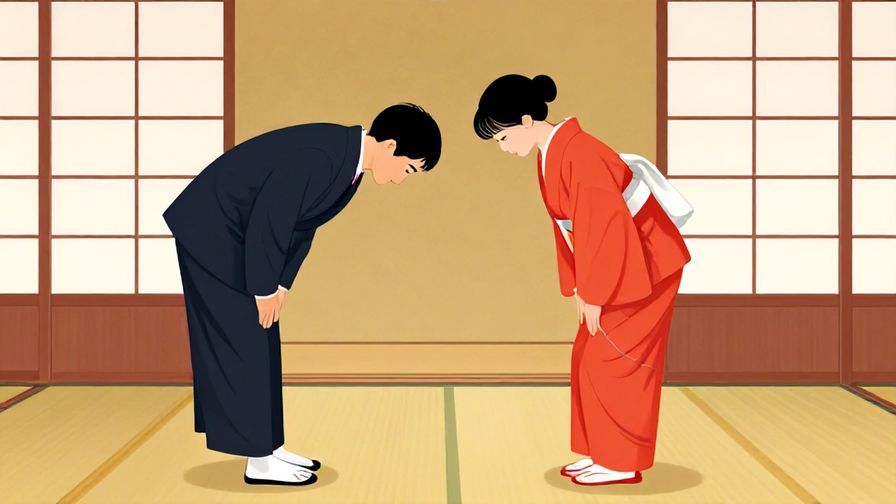
This is a highly respectful, polite refusal.
Adding “ご” (go) makes “遠慮” (enryo) more honorific.
It’s perfect for formal invitations or requests.
Shows humility and respect in the refusal.
Use it when you want to be very careful with your words.
It’s a useful phrase for professional and social contexts.
13. 本日は都合がつきません (Honjitsu wa tsugou ga tsukimasen) – “Today, I can’t make it.”
This phrase literally means “My schedule doesn’t work today.”
“都合がつきません” (Tsugou ga tsukimasen) means “I can’t arrange it.”
It’s polite and professional.
Good for declining invitations without giving too much detail.
Sounds respectful and thoughtful.
Great for business or formal social situations.
14. 本日はお控えください (Honjitsu wa ohikae kudasai) – “Please refrain today.”

This is a polite request to refrain from something today.
“お控えください” (Ohikae kudasai) means “Please refrain.”
It’s formal and respectful.
Used often in announcements or formal requests.
Good for situations where you need to politely say “Not today.”
It keeps the tone gentle and courteous.
15. 本日はお休みさせていただきます (Honjitsu wa oyasumi sasete itadakimasu) – “I will take a rest today.”

This phrase politely says you’re taking a break or resting today.
“お休みさせていただきます” (Oyasumi sasete itadakimasu) is a humble way to say “I will rest.”
Great for work or social situations where you want to say “Not today” gently.
It implies you need time off without sounding negative.
Use it when you want to sound considerate and professional.
This phrase adds warmth and understanding to your refusal.
16. 本日は参加できません (Honjitsu wa sanka dekimasen) – “I can’t participate today.”

This is a polite, clear way to say “I can’t join today.”
“参加できません” (Sanka dekimasen) means “I cannot participate.”
Perfect for work meetings, events, or group activities.
It sounds respectful but firm.
Use it to clearly communicate your absence politely.
This phrase keeps your refusal professional and direct.
Part 3: Very Casual / Native-like Expressions
17. 今日はパス!(Kyou wa pasu!) – “Pass today!”

This is a very casual, slangy way to say “Not today.”
“パス” (pasu) is borrowed from English “pass,” used in Japanese casually.
It’s often used among friends or younger people.
It’s short, punchy, and sounds very native.
Great to use when joking or relaxing with close friends.
Just remember it’s not suitable for formal situations.
18. 今日はムリムリ (Kyou wa muri muri) – “No way today!”

“ムリムリ” (Muri muri) is a fun, emphatic way to say “No way.”
Repeating “ムリ” (muri) adds a playful, strong refusal.
It’s casual and common among friends.
Use it to express “Not today” with humor and energy.
Perfect when you want to lighten the mood.
Be careful not to overuse in serious settings.
19. 今日はナシで (Kyou wa nashi de) – “Let’s skip today.”

“ナシ” (nashi) means “without” or “none,” so this phrase means “No for today.”
It’s casual and common among younger speakers.
Great for skipping plans informally.
Sounds relaxed and natural.
Try it when you want a smooth, casual refusal.
Not suitable for formal or polite settings.
20. 今日は勘弁して (Kyou wa kanben shite) – “Cut me some slack today.”

This phrase literally means “Please forgive me today.”
“勘弁して” (Kanben shite) is a casual, slightly pleading phrase.
Used to ask for understanding when you can’t do something.
It sounds very natural and native-like.
Great for close friends or casual coworkers.
Use it to soften a refusal with a bit of humor.
21. 今日はダメだ (Kyou wa dame da) – “Today’s a no.”

“ダメだ” (Dame da) means “No good” or “Not possible.”
It’s a casual, firm way to say “Not today.”
Common among friends and family.
Sounds direct but not rude if used carefully.
Useful when you want to be clear and casual.
Just watch tone to avoid sounding harsh.
22. 今日はパスかな (Kyou wa pasu kana) – “Maybe I’ll pass today.”

This is a softer, more casual version of “Pass today.”
Adding “かな” (kana) makes it sound like you’re thinking it over.
It’s friendly, playful, and natural.
Great for casual chats where you want to be noncommittal.
It sounds more like “Not sure, maybe not today.”
Perfect for relaxed, informal refusals.
Concluding Thought
Learning these 22 ways to say “Not today” in Japanese opens up new ways to express yourself naturally and warmly.
From casual slang to formal politeness, each phrase fits different moods and situations, making your conversations smoother and more authentic.
Keep practicing, and soon you’ll find the perfect way to say “Not today” that suits you best—making your Japanese feel as real and relatable as a native speaker’s.