22 Japanese ways to say “No time to think”
Ever find yourself so busy or overwhelmed that there’s just no time to stop and think? You’re not alone — it happens to everyone.
In Japanese, there are many colorful ways to express that feeling of “no time to think” — from casual phrases to more formal expressions.
Whether you’re learning Japanese or just love expressions that capture a moment perfectly, this list will give you 22 handy ways to say it.
Each phrase comes with pronunciation guides and explanations that make it easy to remember and use.
Plus, you’ll get some tips on when and how to use them naturally.
Ready to dive in? Let’s explore these Japanese phrases together!
Understanding the Context: When You Literally Have No Time to Think
Sometimes, life moves so fast that thinking is a luxury you can’t afford.
In Japanese, expressing this feeling can be done in many ways depending on formality, urgency, or even nuance.
Knowing these will help you sound more natural and understand native speakers better.

Sometimes, using a great beginner phrasebook can give you a perfect starting point for a cohesive understanding.
These phrases will make your Japanese sound more fluid and relatable.
And don’t worry — they’re easier to pick up than you think!
Part 1: Casual Suggestions
1. 時間がない (Jikan ga nai) – “No time.”

This is the simplest and most direct way to say “no time.”
“時間” (Jikan) means “time,” and “ない” (nai) means “not exist” or “none.” Together, it literally means “there is no time.”
Great for quick, casual conversations when you want to express that you’re rushed.
It’s short, clear, and easy to remember.
You can pair it with other verbs like “考える時間がない” (kangaeru jikan ga nai) – “no time to think.”
Use it when you want to be straightforward and casual with friends or colleagues.
2. 考える暇がない (Kangaeru hima ga nai) – “No free time to think.”

This phrase adds a bit more nuance by using “暇” (hima), which means “free time” or “leisure.”
“考える” (kangaeru) means “to think,” so together it says, “no free time to think.”
Perfect when you want to highlight that your schedule is packed and you can’t even stop to think.
It’s a little more expressive than just “時間がない.”
Try saying it when you want to sound a bit more natural and emotional about being busy.
It fits well in daily conversations with friends who understand your hectic schedule.
3. 余裕がない (Yoyuu ga nai) – “No leeway or margin.”

“余裕” (yoyuu) means “margin,” “room,” or “leeway.”
When you say “余裕がない,” it means you don’t have any extra time or mental space — no margin to think.
It’s a common phrase used to express being overwhelmed or stretched too thin.
It’s practical and often used in work or study situations.
Try to use this when talking about stressful deadlines or packed days.
It’s a great phrase to express a busy, no-time-to-spare feeling naturally.
4. 急いでいるから考える暇がない (Isoide iru kara kangaeru hima ga nai) – “I’m in a hurry, so no time to think.”

Here you combine the phrase “考える暇がない” with “急いでいる” (isoide iru), meaning “being in a hurry.”
This creates a natural sentence explaining why there’s no time to think.
It’s practical and perfect for daily conversations.
Make sure to emphasize “急いでいる” to show urgency.
This phrase is very useful when you want to explain your state clearly.
It’s a smooth, natural way to express being rushed in Japanese.
5. バタバタしてる (Batabata shiteru) – “Being hectic/busy.”

“バタバタ” (batabata) is an onomatopoeia describing a hectic or busy state.
“してる” (shiteru) is a casual form of “doing.”
So “バタバタしてる” means “I’m running around busy, no time to think.”
It’s very casual and used among friends or coworkers.
This phrase paints a lively picture of being too busy to stop.
Great for everyday chat when you want to sound natural and expressive.
6. 頭が回らない (Atama ga mawaranai) – “My head isn’t turning.”

This phrase literally means “my head isn’t turning,” implying you can’t think clearly or fast enough.
It’s often used when overwhelmed or too busy to process information.
It’s a great way to express mental overload.
Use it casually to describe moments when you’re too rushed to think properly.
It adds a touch of humor and relatability to your speech.
Try it next time you’re feeling mentally scrambled!
7. 考える余裕がない (Kangaeru yoyuu ga nai) – “No margin to think.”

This phrase puts together “考える” (to think) with “余裕がない” (no margin/leeway).
It’s a polite but casual way to say you don’t have the mental space to think.
Great for workplace or study contexts.
It sounds a bit softer than blunt “no time.”
Use it to explain your situation with clarity and a touch of humility.
It’s a versatile phrase for many situations.
8. 今すぐ考える時間がない (Ima sugu kangaeru jikan ga nai) – “No time to think right now.”

This phrase emphasizes the immediacy with “今すぐ” (ima sugu) meaning “right now.”
It’s perfect when you want to clearly state you can’t think at the moment.
Useful in both casual and semi-formal settings.
It’s straightforward and practical.
Great for conversations where timing matters.
Using this phrase shows you’re aware of your limits at that moment.
Part 2: Polite & Formal Suggestions
9. 考える余裕がございません (Kangaeru yoyuu ga gozaimasen) – “I do not have time to think.” (Formal)

This is the polite, formal version of “考える余裕がない.”
“ございません” is a humble way to say “there isn’t.”
Use this in business emails, meetings, or formal discussions.
It sounds respectful and professional.
Perfect when you need to say you’re too busy to think about something right now.
It helps maintain good etiquette while expressing your situation.
10. 検討する時間がありません (Kentou suru jikan ga arimasen) – “There’s no time to consider.”

“検討する” (kentou suru) means “to consider” or “to examine.”
This formal phrase says there’s no time to think or deliberate.
It’s often used in professional or written communication.
It sounds polite and clear.
Great for when you want to express limited time for decision-making.
It’s a useful phrase to keep in your formal Japanese toolkit.
11. 考える余裕がございませんので、ご了承下さい (Kangaeru yoyuu ga gozaimasen node, goshoushou kudasai) – “Please understand I have no time to think.”

This phrase adds “ご了承下さい” (please understand) for politeness and asking for patience.
It’s a great way to soften the message about being too busy.
Use this to maintain harmony in formal conversations.
It shows respect while explaining your busy state.
Helpful in customer service or professional emails.
It’s a phrase that balances honesty and politeness perfectly.
12. ただいま多忙のため考える時間が取れません (Tadaima tabou no tame kangaeru jikan ga toremasen) – “Currently, due to being busy, I can’t take time to think.”

This phrase politely explains your busyness as the reason for no time to think.
“多忙” (tabou) means “very busy,” and “ため” (tame) means “because of.”
It’s formal and explanatory.
Great for emails or conversations where you want to justify your lack of time.
It sounds professional and sincere.
Try this when you want to be clear but polite about your situation.
13. 考慮する時間が不足しております (Kouryo suru jikan ga fusoku shite orimasu) – “Insufficient time to consider.”

“考慮する” (kouryo suru) is a formal way to say “to consider.”
“不足しております” (fusoku shite orimasu) means “insufficient.”
This makes the phrase very polite and formal.
It’s perfect for professional contexts where you want to sound humble and serious.
Use it in reports, emails, or meetings to explain lack of time.
It’s a phrase that shows professionalism and respect.
14. 思案する時間がありません (Shian suru jikan ga arimasen) – “No time to ponder.”

“思案する” (shian suru) means “to ponder” or “to think deeply.”
This is a formal, slightly literary way to say no time to think.
It’s less common in everyday talk but great for formal writing.
Use it when you want to sound polished and thoughtful.
It adds a bit of elegance to your speech or writing.
Perfect for essays, presentations, or formal letters.
15. ただいま考える時間を割くことができません (Tadaima kangaeru jikan o saku koto ga dekimasen) – “Currently, I cannot spare time to think.”

This phrase politely expresses that you can’t allocate time to think right now.
“割くことができません” (saku koto ga dekimasen) means “cannot spare.”
It’s formal and apologetic.
Great for professional or customer service situations.
It shows respect and regret for your limitations.
Use this to maintain good relations while explaining your busy state.
16. ただいま考える余裕がございません (Tadaima kangaeru yoyuu ga gozaimasen) – “Currently, no mental margin to think.”

This phrase combines polite form with the idea of having no mental space to think.
“ただいま” (tadaima) means “right now” or “currently.”
It’s a respectful and clear way to express your current state.
Perfect for formal discussions or emails.
It’s gentle but honest.
Use it to show professionalism and self-awareness.
Part 3: Very Casual / Native-like Expressions
17. そんな暇ないっしょ (Sonna hima nai ssho) – “No way I have that kind of free time.”

This is a very casual, slangy way to say “no time to think.”
“そんな暇ない” means “no such free time,” and “っしょ” is a colloquial ending similar to “right?”
It sounds playful and native-like.
Use it among close friends or younger people.
It’s great for informal chats and texting.
But avoid using it in formal or professional settings.
18. 頭パンクしそう (Atama panku shisou) – “My head feels like it’s going to explode.”
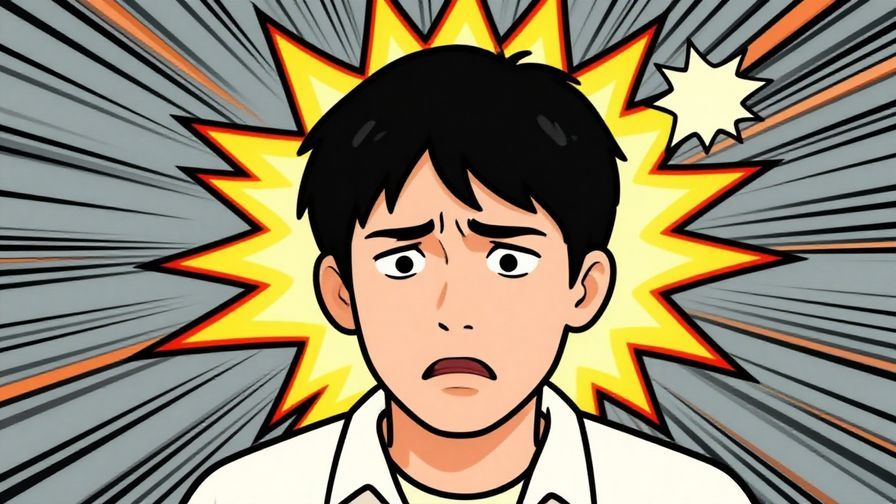
This is a fun, very casual expression meaning your brain is overloaded.
“パンク” (panku) comes from “punk,” meaning something bursting or overloaded.
It vividly expresses being too rushed or stressed to think.
Use it with friends or in lighthearted conversations.
It’s relatable and often used humorously.
Try it when you want to vent your stress in a fun way.
19. 今考える余裕なんてないよ (Ima kangaeru yoyuu nante nai yo) – “There’s no way I have time to think right now.”

This casual phrase emphasizes “なんてないよ” (nante nai yo), which adds a strong denial nuance.
It’s very conversational and expressive.
Perfect for emphasizing how busy you are.
Use it with friends or family.
It’s a great phrase to sound natural and emotional.
It also shows a bit of frustration or exhaustion.
20. 余裕ゼロ (Yoyuu zero) – “Zero margin.”

Short, punchy, and casual.
“ゼロ” (zero) means “zero,” making it clear you have no margin or room.
It’s often used in spoken Japanese for emphasis.
Great to express being completely out of time or space.
Use it in energetic, informal talks.
It’s a memorable and effective phrase.
21. 考える暇もない (Kangaeru hima mo nai) – “Not even time to think.”

This phrase adds “も” (mo) to emphasize “not even.”
It’s a very natural phrase commonly used in everyday speech.
Perfect for casual conversations when you want to stress your busyness.
It’s easy to say and remember.
Try it next time you want to sound more expressive.
It’s an excellent go-to casual phrase.
22. 今は考えられない (Ima wa kangaerarenai) – “I can’t think right now.”

This phrase uses the potential negative form “考えられない” (cannot think).
It’s simple and natural, great for expressing inability to think at the moment.
Use it casually or semi-formally.
It works well in many situations.
It’s a gentle, honest way to express your current mental state.
Perfect for sounding natural and clear.
Concluding Thought
Exploring these 22 Japanese ways to say “no time to think” shows just how expressive and nuanced the language can be.
From casual slang to formal business phrases, you now have a rich toolkit to express your busy moments naturally and clearly.
Keep practicing these phrases in real conversations, and you’ll sound more native-like while managing those hectic moments with ease!