22 Japanese ways to say “My pleasure”
When someone thanks you in Japanese, responding warmly and naturally can make the conversation flow like a gentle breeze.
Instead of sticking to one phrase, why not explore a variety of ways to say “My pleasure” in Japanese?
This not only helps you sound more fluent but also deepens your connection with native speakers.
In this listicle, we’ll dive into 22 different expressions ranging from casual to very polite, perfect for any situation.
Mastering these phrases can brighten your day-to-day interactions and make your Japanese feel more authentic.
Let’s jump in and discover how to express “My pleasure” with warmth and confidence!
Getting Comfortable with “My Pleasure” in Japanese
Japanese offers multiple ways to say “My pleasure,” depending on how formal or casual you want to be.
Understanding these nuances will help you respond appropriately in both social and professional settings.
It’s all about matching the tone and context to your relationship with the other person.

Sometimes, a great phrasebook for beginners can make it easier to pick up these expressions naturally.
Once you get the hang of it, you’ll feel more confident and ready to respond in any situation.
Just remember, every phrase has its own vibe, so choose what feels right for you!
Part 1: Casual Suggestions
1. どういたしまして (Dō itashimashite) – “You’re welcome” (My pleasure)
This is the most common way to say “You’re welcome” in Japanese, and it literally means “Don’t mention it.”
It’s polite yet casual enough for everyday use with friends, colleagues, or acquaintances.
Knowing this phrase is a great foundation for polite conversation.
It’s simple and safe to use almost anywhere.
You might also hear the shorter どうも (Dōmo) used casually among friends.
Practice this phrase often, and it will quickly become second nature when someone thanks you.
2. 喜んで (Yorokonde) – “With pleasure”
喜んで literally means “with joy” or “gladly.”
It’s a cheerful and friendly way to say “My pleasure,” especially when you’re happy to help.
This phrase is great for informal and semi-formal situations.
Make sure to pronounce “yo-ro-kon-de” with a light, upbeat tone to capture the warmth.
You can use it after doing a favor or offering help.
It shows genuine happiness about assisting someone, which leaves a positive impression.
3. いいですよ (Ii desu yo) – “It’s okay” / “No problem”

This phrase literally means “It’s good,” and it’s often used to convey “No problem” or “My pleasure.”
It’s casual, so perfect when chatting with friends or coworkers you know well.
It’s an easy phrase to remember because it uses the common word いい (ii) meaning “good.”
Just be mindful not to use it in very formal settings.
For example, if someone thanks you for lending a hand, いいですよ shows you’re happy to do it.
It’s friendly and reassuring, helping keep conversations light and positive.
4. お安い御用です (Oyasui goyō desu) – “It’s a small favor”
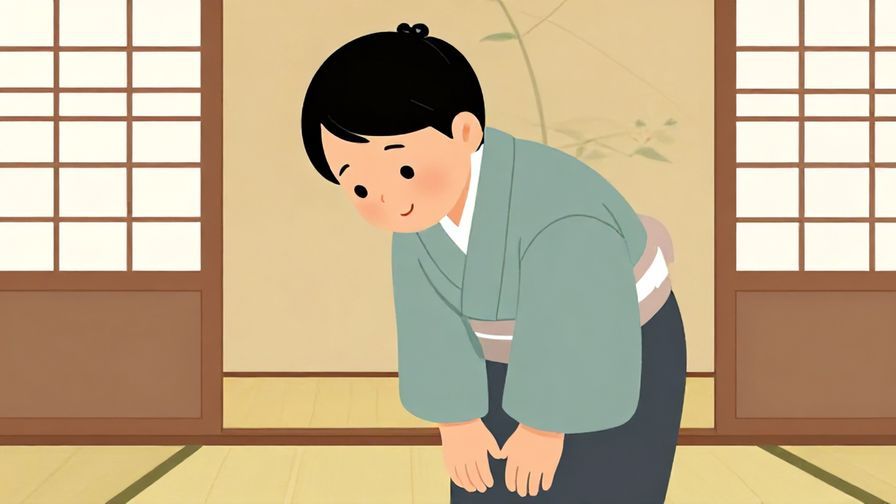
This phrase means “It’s an easy task” or “No trouble at all.”
It’s a humble, polite way to say “My pleasure” that emphasizes the favor was no bother.
It works well in business or formal social settings where modesty is appreciated.
Use it to show you’re glad to help without making a big deal out of it.
Pronounce it “oh-ya-sui go-yoh dess.”
This phrase highlights your willingness to assist as something natural.
5. もちろんです (Mochiron desu) – “Of course”

もちろん means “of course,” and it’s a friendly, affirmative way to say “My pleasure.”
It conveys eagerness and willingness to help without hesitation.
This phrase fits nicely in both casual and polite conversations.
Just say “mo-chi-ron dess” clearly and with a positive tone.
You can use it when someone thanks you for something you’re happy to do.
It’s straightforward and shows genuine readiness to assist.
6. どうぞ (Dōzo) – “Please (go ahead)”

Though often used to invite someone to proceed, どうぞ can imply “My pleasure” when offering something.
It’s casual and polite at the same time, perfect for daily interactions.
Pronounce it “dohh-zo.”
Use it when handing something over or encouraging someone, showing you’re happy to help.
It’s simple and versatile, a phrase worth mastering early on.
Many learners find it natural to combine it with a smile to express pleasure.
7. 気にしないで (Ki ni shinaide) – “Don’t worry about it”

This phrase means “Don’t worry,” and it’s a casual way to say “My pleasure” by downplaying the favor.
It’s perfect among friends or informal settings to show kindness without fuss.
Say it “kee nee shee-nah-ee-day.”
It reassures the other person that helping was no trouble at all.
You might use it after assisting with a small task or favor.
It helps keep conversations relaxed and friendly.
8. 全然いいですよ (Zenzen ii desu yo) – “Absolutely no problem”

全然 (Zenzen) means “completely” or “absolutely,” so this phrase is a strong “No problem.”
It’s casual but enthusiastic, great for friendly conversations.
Pronounce it “zen-zen ee dess yo.”
It emphasizes that helping was totally fine and enjoyable.
Use it when you want to reassure someone with extra warmth.
This phrase adds energy to your response, making it feel heartfelt.
Part 2: Polite & Formal Suggestions
9. 恐れ入ります (Osore irimasu) – “I am humbled (to help)”

This phrase expresses humility and respect, often used in business or formal contexts.
It’s a polite way to say “My pleasure” that highlights gratitude for the opportunity to help.
Say it “oh-soh-reh ee-ree-mas.”
Avoid using it casually; it fits best in professional conversations.
It’s perfect for customer service or official settings, showing refined manners.
Using this phrase signals high respect and professionalism.
10. お役に立てて光栄です (O-yaku ni tatete kōei desu) – “I’m honored to help”

This phrase means “I’m honored to be of service,” making it very polite and respectful.
It’s great for formal emails, speeches, or professional interactions.
Pronounce it “oh-yah-koo nee tah-teh-teh koh-eh dess.”
It’s a bit longer but very effective for showing sincerity and humility.
Use it when you want to elevate your gratitude and professionalism.
This phrase can leave a strong positive impression in formal Japanese settings.
11. こちらこそありがとうございます (Kochira koso arigatō gozaimasu) – “Thank you to you as well”

While technically a thank-you phrase, it’s often used in response to thanks, meaning “The pleasure is mine.”
It’s very polite and formal, suitable for work and respectful social interactions.
Say “ko-chee-rah koh-soh ah-ree-gah-toh go-zai-mas.”
It emphasizes mutual appreciation, which is a key Japanese cultural value.
Good for ending meetings or formal conversations warmly.
It shows humility and respect, making your gratitude feel genuine.
12. 喜んでお手伝いいたします (Yorokonde otetsudai itashimasu) – “I’ll gladly assist”

This formal phrase means “I will gladly help you” and is perfect for polite offers of assistance.
Pronounce it “yo-ro-kon-deh oh-teh-tsu-dai ee-tah-shee-mas.”
It’s often used in customer service or formal requests.
Use it to express your willingness to help with respect and enthusiasm.
It’s a bit long but very polite and effective.
Mastering this phrase can boost your professional Japanese skills.
13. いつでもお申し付けください (Itsudemo omōshitsuke kudasai) – “Please feel free to ask anytime”

This phrase means “Please don’t hesitate to ask,” showing readiness to help anytime.
Pronounce it “ee-tsoo-deh-moh oh-mohh-shee-tsu-keh koo-da-sai.”
It’s formal and courteous, ideal for business or service contexts.
It implies your pleasure in being helpful whenever needed.
Use it to encourage others to come to you without hesitation.
This phrase strengthens professional and service relationships.
14. お手数ですが (O-tesū desu ga) – “Sorry to trouble you” (with pleasure implied)
This phrase literally means “Sorry for the trouble,” but when paired with a helpful attitude, it can imply “My pleasure.”
Pronounce it “oh-teh-soo dess gah.”
It’s used in formal situations to acknowledge the effort while offering help.
Combining humility with willingness to assist is a cornerstone of Japanese politeness.
Use it carefully, as it emphasizes politeness and respect.
It’s a subtle way to say “I’m happy to help despite the trouble.”
15. お力になれて嬉しいです (O-chikara ni narete ureshii desu) – “I’m happy to be of help”

This phrase expresses joy in being helpful and is polite but warm.
Pronounce it “oh-chee-kah-rah nee nah-reh-teh oo-reh-shee dess.”
It’s perfect for showing sincere pleasure in assisting someone.
Use it in conversations where you want to emphasize your happiness to help.
It’s a lovely phrase that combines politeness with heartfelt emotion.
Great for building rapport in both social and work environments.
16. ご遠慮なくどうぞ (Go-enryo naku dōzo) – “Please don’t hesitate”

This phrase means “Don’t hold back, please,” inviting others to accept your help gladly.
Pronounce it “go-en-ryo nah-koo doh-zo.”
It’s polite and encouraging, fitting for formal and semi-formal use.
It conveys that you are genuinely pleased to assist without reservation.
Use it to make others feel comfortable accepting your assistance.
A wonderful phrase to express “My pleasure” politely and invitingly.
Part 3: Very Casual / Native-like Expressions
17. いいよ (Ii yo) – “Sure thing” / “No problem”

This is a very casual way to say “No problem” or “My pleasure.”
Pronounce it “ee yo.”
It’s perfect among close friends or younger people.
Use it to keep conversations light and easy-going.
Be careful not to use it in formal settings.
It’s a quick, friendly way to show you’re happy to help.
18. どうもね (Dōmo ne) – “Thanks, no problem” (implied)

This casual phrase can be a playful response to thanks, implying “My pleasure.”
Say “dohh-moh neh.”
It’s very informal and often used among close friends.
Combining どうも (thanks) with a relaxed tone makes it sound like “No worries.”
Great for friendly banter and casual chats.
Use it when you want to sound natural and native-like.
19. 気にしないでよ (Ki ni shinaide yo) – “Don’t worry about it” (with a casual emphasis)

An even more casual and soft way to say “No need to worry,” implying “My pleasure.”
Pronounce it “kee nee shee-nah-ee-day yo.”
Popular among close friends and family.
It’s friendly, soothing, and down-to-earth.
Use it when you want to keep things chill and comfortable.
This phrase feels very “native” and relatable.
20. いいってば (Ii tte ba) – “I said it’s okay!”

This phrase is casual and a bit emphatic, perfect for close relationships.
Pronounce it “ee tteh bah.”
It shows you’re not just okay with helping, but also a little playful about it.
Use it to lighten the mood and sound very colloquial.
Not suitable for formal or new acquaintances.
Great for expressing “My pleasure” in a fun, laid-back way.
21. なんでもないよ (Nan demo nai yo) – “It’s nothing”

This phrase literally means “It’s nothing,” used to downplay the favor.
Pronounce it “nan de-mo nah-ee yo.”
It’s casual and expresses that helping was no big deal.
Often used among friends or family.
It’s a humble and gentle way to say “My pleasure.”
Use it to keep things friendly and light.
22. お安いご用だよ (Oyasui goyō da yo) – “Easy peasy” (very casual)

Similar to the formal お安い御用ですが but much more casual and playful.
Pronounce “oh-ya-sui go-yoh dah yo.”
It’s like saying “It’s no big deal” or “Easy peasy” with a smile.
Perfect for casual chats to show you’re happy to help.
It’s a relaxed, native-like way to express “My pleasure.”
Use it to add a light-hearted touch to your conversations.
Concluding Thought
Exploring these 22 ways to say “My pleasure” in Japanese opens up a new world of expression and connection.
From casual chats to formal business settings, having the right phrase at your fingertips makes all the difference.
Keep practicing, and soon you’ll respond with warmth and confidence, making every “thank you” a moment of genuine joy.