22 Japanese ways to say “My patience has run out”
Feeling like your patience has finally hit its limit? We’ve all been there, right?
Expressing this in Japanese can be surprisingly rich and varied, depending on how strong or casual you want to sound.
Whether you’re chatting casually with friends or need a polite way to express frustration, Japanese has you covered.
In this list, we’ll explore 22 warm and relatable ways to say “My patience has run out” in Japanese, each with pronunciation tips and meanings.
Think of it as your handy toolkit for those moments when you just can’t hold back anymore.
Ready? Let’s dive in and add some colorful expressions to your Japanese vocabulary!
Understanding Patience in Japanese
Before jumping into the list, it’s helpful to know that patience in Japanese is often linked to the word 忍耐 (にんたい, nintai), meaning endurance or perseverance.
Expressions about losing patience, however, come in many flavors—from mild irritation to outright frustration.
Knowing how to navigate these nuances will make your conversations feel more natural and relatable.

Getting familiar with a great phrasebook on Japanese expressions can really help you see these patterns in action.
Once you start recognizing these phrases, it’s easier to choose the right tone for how you feel.
Let’s jump into the first part—casual ways to say you’re out of patience.
Part 1: Casual Suggestions
1. 我慢できない (Gaman dekinai) – “I can’t bear it anymore.”

“我慢 (gaman)” means patience or endurance, and “できない (dekinai)” means “can’t do.” Put together, it literally means “I can’t endure.”
Use this when you’ve hit your limit but want to sound straightforward without being rude.
It’s a common phrase that feels natural in everyday conversation.
Simple and to the point, it clearly expresses being done with waiting or tolerating something.
Related phrases include 我慢ならない (gaman naranai), which carries a similar meaning.
Try using it when you’re fed up but still want to keep it casual!
2. 限界だよ (Genkai da yo) – “I’ve reached my limit.”

“限界 (genkai)” means “limit,” and “だよ (da yo)” adds a casual emphasis, like “you know.”
This phrase is great for telling someone you’ve had enough in a friendly but serious way.
It’s often used when you’re emotionally or physically worn out.
It clearly signals that your patience or energy is maxed out.
Perfect for conversations with close friends or family.
Use it to express frustration without sounding harsh or angry.
3. もう無理 (Mou muri) – “It’s impossible anymore.”

“もう (mou)” means “already” or “anymore,” and “無理 (muri)” means “impossible” or “cannot do.”
This phrase is short, punchy, and commonly used when you can’t take something anymore.
It can apply to situations beyond just patience, like physical limits.
It’s casual, so best saved for friends or informal settings.
Try pairing it with a sigh or a dramatic gesture for full effect.
It’s one of the quickest ways to say you’re done.
4. イライラしてる (Iraira shiteru) – “I’m getting irritated.”

“イライラ (iraira)” is the onomatopoeic word for irritation or frustration, and “してる (shiteru)” means “doing.”
This phrase literally means “I’m irritated,” signaling your patience is thinning.
It’s casual and frequently used in everyday speech.
Great for expressing mild impatience without sounding too serious.
You can soften it by adding “ちょっと (chotto)” before to say “a little irritated.”
Useful for venting small annoyances to friends or family.
5. もう我慢の限界 (Mou gaman no genkai) – “My endurance limit is already reached.”

This is a more emphatic way of saying “I can’t endure anymore.”
“もう (mou)” means “already,” “我慢 (gaman)” is “endurance,” and “限界 (genkai)” is “limit.”
Combining these makes a strong statement about your patience running out.
It’s casual enough for informal talk but feels serious.
You’ll hear this when someone really wants to get their frustration across.
Try it when you want to be clear you’re at the edge!
6. ぶち切れた (Buchikireta) – “I’ve totally snapped.”

“ぶち切れる (buchikireru)” means “to snap” or “lose it completely,” and “た (ta)” is the past tense.
This phrase is very casual and a bit slangy, perfect among close friends.
It expresses that your patience has completely run out, often with anger.
Use carefully, as it’s strong and can sound confrontational.
Great for venting or telling a story about losing your cool.
Pair with body language for full effect!
7. もうたくさん (Mou takusan) – “That’s enough already.”

“もう (mou)” means “already” and “たくさん (takusan)” means “enough” or “a lot.”
This phrase works well when you want to say “enough is enough” casually.
It’s gentle but firm, great for stopping something annoying.
You can use it to signal that your patience has run its course.
It’s common in spoken Japanese and easy to remember.
Try it when you want to avoid sounding harsh but still be clear.
8. ガマンの限界だ (Gaman no genkai da) – “This is my endurance limit.”

Similar to number 5 but more succinct and assertive.
“ガマン (gaman)” is endurance, “限界 (genkai)” is limit, and “だ (da)” is the casual copula.
It conveys a strong sense of having reached your breaking point.
Perfect for expressing frustration without being rude.
Often used in casual or slightly serious conversations.
Good phrase to keep handy for honest moments.
Part 2: Polite & Formal Suggestions
9. 忍耐が限界に達しました (Nintai ga genkai ni tasshimashita) – “My patience has reached its limit.”

This is a polite and formal way to say your patience has run out.
“忍耐 (nintai)” means patience/endurance, “限界 (genkai)” is limit, and “達しました (tasshimashita)” means “has reached.”
Use this in work or formal situations where you want to express frustration respectfully.
It’s clear, professional, and avoids bluntness.
Pair it with a calm tone to keep things smooth.
If you want to sound serious but polite, this is a great phrase.
10. これ以上は耐えられません (Kore ijou wa taeraremasen) – “I can’t endure any more than this.”

“これ以上 (kore ijou)” means “more than this,” and “耐えられません (taeraremasen)” means “cannot endure.”
A polite, formal way to say you’ve reached your limit.
Good for emails, meetings, or serious discussions.
It’s straightforward but still respectful.
Use this when you need to express firm limits without conflict.
Try this in professional settings or with unfamiliar people.
11. 我慢の限界です (Gaman no genkai desu) – “This is my endurance limit.”

This phrase is polite thanks to “です (desu).”
It clearly states your patience has run out.
It’s useful in semi-formal situations.
Avoid using it too bluntly; tone matters.
It can help you express limits calmly and clearly.
Good to know for more formal conversations that still need honesty.
12. もう我慢できません (Mou gaman dekimasen) – “I can’t endure anymore.”

Adding “もう (mou)” means “already,” while “できません (dekimasen)” is the polite negative form of “can do.”
This is a polite, clear way to say you’ve lost patience.
It’s useful for formal and polite contexts.
Try it when you want to express boundaries without offending.
It’s a very versatile phrase for serious moments.
Good for emails or face-to-face professional talks.
13. 忍耐力が尽きました (Nintairyoku ga tsukimashita) – “My patience is exhausted.”

“忍耐力 (nintairyoku)” means “patience/fortitude,” and “尽きました (tsukimashita)” means “exhausted” or “used up.”
This is a formal and expressive way to say your patience is gone.
It sounds a bit emotional but still respectful.
Great for serious conversations or writing.
It conveys a sense of finality politely.
Try it when you want to be clear but not rude.
14. これ以上我慢は難しいです (Kore ijou gaman wa muzukashii desu) – “It’s difficult to endure any longer.”

This phrase is polite and indirect, good for delicate situations.
“難しい (muzukashii)” means “difficult,” softening the statement.
It’s useful when you want to express limits without sounding harsh.
Perfect for negotiations or sensitive talks.
It keeps the tone respectful while still conveying frustration.
Use it when you want to maintain harmony but be honest.
15. 忍耐の限界を超えました (Nintai no genkai o koemashita) – “I’ve gone beyond my patience limit.”

“超えました (koemashita)” means “exceeded” or “gone beyond.”
This phrase sounds formal and a bit poetic.
It fits well in written or serious spoken Japanese.
You can use it to politely indicate you’ve reached breaking point.
It’s a bit dramatic, so use with care.
Great for speeches or formal complaints.
16. これ以上耐えることはできません (Kore ijou taeru koto wa dekimasen) – “I cannot endure any more.”

This is a very polite and clear statement.
“耐えること (taeru koto)” means “to endure,” and “できません (dekimasen)” is the negative polite form of “can do.”
Use it in serious discussions or formal writing.
It’s straightforward and respectful at the same time.
Great for making clear boundaries politely.
Practice this one if you want to sound professional yet firm.
Part 3: Very Casual / Native-like Expressions
17. もうぷっつんだ (Mou puttsun da) – “I’ve totally lost it.”

“ぷっつん” is slang for “snapping” or “losing it.”
Very casual and often used humorously among young people.
It’s a fun way to say your patience is gone.
Perfect for informal chats with friends.
Use it when you want to sound native and playful.
Be mindful not to use it in formal settings!
18. キレた (Kireta) – “I snapped.”
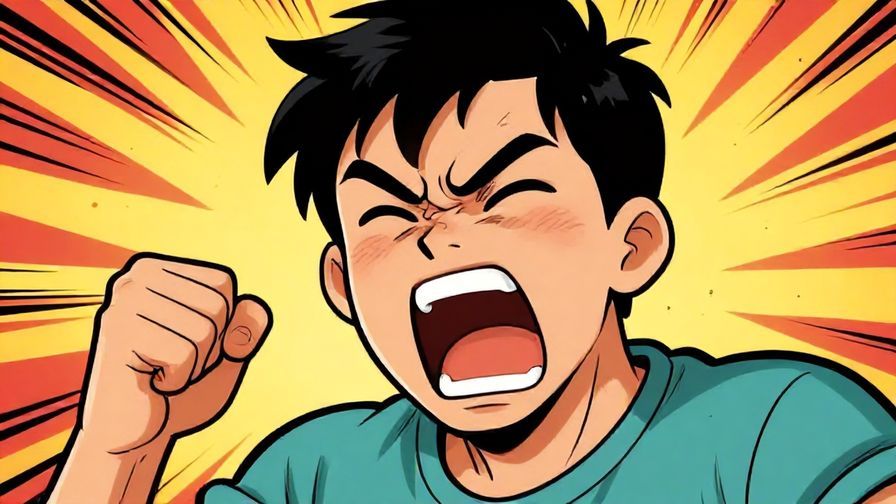
“キレる (kireru)” means to snap or lose patience; “キレた” is past tense.
Common in casual speech, this is a short and punchy way to say you’re done.
It’s direct and can sound a bit strong.
Use it with friends or peers.
It shows you’ve lost patience and are emotionally charged.
Great for storytelling or venting.
19. もう無理ぽ (Mou muri po) – “No more, seriously.”

“ぽ (po)” is a playful, casual ending to soften “もう無理.”
It’s used mostly by young people online or in text.
This phrase adds a lighthearted tone to frustration.
Great for casual chats, especially online.
It’s friendly and relatable.
Try it when you want to sound informal but expressive.
20. いい加減にして (Ii kagen ni shite) – “Cut it out!”

This phrase literally means “Do it properly” but is used as “Enough already!”
It’s casual but can be sharp depending on tone.
Perfect for expressing impatience with someone’s behavior.
Use it carefully—it can sound rude if overdone.
Great for friends or when joking around.
It’s a classic phrase to know for native-like expression.
21. もう嫌だ (Mou iya da) – “I’m fed up.”

“嫌 (iya)” means “dislike” or “hate,” and “もう” adds “already.”
This phrase expresses a gentle but clear feeling of being fed up.
It’s casual but widely used.
Good for expressing emotional exhaustion.
Use it when you want sympathy or to vent gently.
It’s easy to remember and very relatable.
22. もう限界っす (Mou genkai ssu) – “I’m at my limit.”

“限界 (genkai)” means “limit,” and “っす (ssu)” is a casual masculine ending.
This phrase is very casual and often used by young men.
It’s a lively way to say you’ve had enough.
Great among friends or in casual groups.
It’s informal but widely understood.
Use it to sound like a native speaker in relaxed settings.
Concluding Thought
Now you have a rich variety of ways to express that your patience has run out in Japanese, from polite and formal to casual and playful.
Choosing the right expression depends on your mood, context, and who you’re talking to—so feel free to mix and match!
Remember, mastering these phrases will not only boost your Japanese skills but also help you express yourself more authentically and warmly in everyday conversations. Keep practicing and don’t hesitate to let your feelings be known—in Japanese style!