22 Japanese ways to say “Measure for measure”
Ever heard the phrase “Measure for measure” and wondered how to say it in Japanese? Whether you’re diving into Shakespeare, tackling a proverb, or just love exploring languages, this list is for you.
In Japanese, expressing “Measure for measure” isn’t always a direct translation. It often involves idioms, proverbs, or phrases that capture the spirit of fairness, justice, or reciprocal actions.
Let’s explore 22 warm and relatable Japanese ways to say “Measure for measure,” complete with pronunciation guides and easy explanations.
These phrases range from poetic to everyday expressions, perfect for language lovers wanting to add a touch of Japanese flavor to their vocabulary.
Along the way, you’ll find some cultural gems and memory aids to help these phrases stick.
Ready to measure your Japanese skills? Let’s jump right in!
Understanding “Measure for Measure” in Japanese Context
“Measure for measure” in English suggests fairness, justice, or getting what you give. In Japanese, this idea often shows up in proverbs or phrases about karma, balance, or reciprocal treatment.
Because Japanese culture values harmony and social balance, many expressions reflect this concept in subtle ways.
Let’s look at how Japanese captures this idea, starting from direct to more idiomatic expressions.
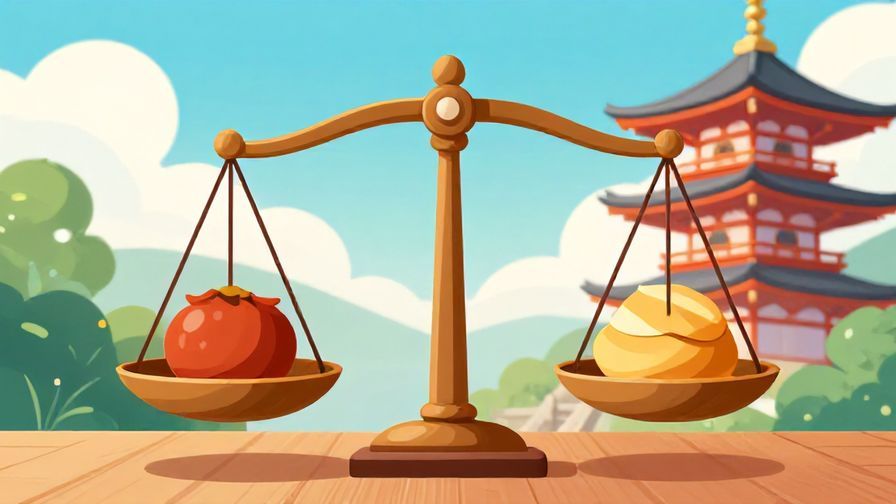
Sometimes, a helpful Japanese idioms and proverbs book can deepen your understanding of these cultural expressions.
With these phrases, you can start to feel the rhythm of Japanese fairness and reciprocity.
Now, let’s break them down into casual, polite, and native-like expressions.
Part 1: Casual Suggestions
1. 因果応報 (Inga ōhō) – “Cause and effect” / “What goes around comes around.”
This phrase captures the idea that your actions return to you, good or bad.
因果 (inga) means “cause and effect,” and 応報 (ōhō) means “retribution” or “payback.” Together, it’s a classic way to say “measure for measure.”
It’s often used when reflecting on justice or karma in everyday life.
Using 因果応報 reminds you that fairness is natural.
It pairs well with stories or lessons about moral balance.
Keep this one in your pocket when talking about fairness or consequences.
2. 自業自得 (Jigō jitoku) – “You reap what you sow.”

自業自得 means you get results based on your own actions.
自業 (jigō) means “one’s own deed,” and 自得 (jitoku) means “one’s own profit” or “getting what one deserves.”
This phrase is a staple for explaining personal responsibility and fairness.
It’s straightforward and frequently used in conversations about consequences.
Use it when explaining that someone’s outcome is a direct result of their behavior.
Great for learning cause and effect in Japanese!
3. 天罰 (Tenbatsu) – “Heaven’s punishment.”

天罰 literally means “heaven’s punishment.”
It’s used when someone faces justice from a higher power for their deeds.
This phrase fits well when talking about poetic justice or karmic payback.
It has a strong, dramatic tone, so use it carefully.
Perfect for storytelling or expressing a moral lesson.
Remember, it’s about justice beyond human hands.
4. 仕返し (Shikaeshi) – “Retaliation” or “Payback.”

仕返し means to return an action, often in a tit-for-tat way.
It’s a casual way to say “measure for measure” in terms of returning favors or wrongs.
It’s not always negative; can be playful or serious depending on context.
Great for conversational Japanese when talking about returning a favor or joke.
Be mindful of tone to avoid sounding confrontational.
Fun to add to your casual vocabulary!
5. お返し (Okaeshi) – “A return gift” or “Reciprocation.”

お返し literally means “returning something.”
It’s used when giving back a gift or favor, reflecting fairness and gratitude.
Perfect for polite, everyday situations.
It’s a soft, warm way to express measure for measure in kindness.
Often used during gift-giving seasons like New Year or weddings.
Great for learning social reciprocity in Japan.
6. 報い (Mukui) – “Reward” or “Retribution.”

報い means “retribution” or “reward,” depending on context.
It reflects the idea that actions come with consequences.
This word is a bit formal but still used in everyday speech.
Use it when discussing justice or fairness outcomes.
It’s an elegant way to express measure for measure.
Try to spot it in literature or news for practice.
7. 釣り合い (Tsuriai) – “Balance” or “Equilibrium.”

釣り合い means balance or equilibrium.
It’s used when things are even or fair between two sides.
Good for talking about fairness in relationships, deals, or justice.
It’s a practical word to show “measure for measure” in fairness.
Use it in everyday conversations about fairness.
Easy to remember as it sounds like “tsuri” (fishing) balancing a catch.
8. 目には目を (Me ni wa me wo) – “An eye for an eye.”

This phrase literally means “an eye for an eye.”
It’s a direct way to express measure for measure justice.
Often used when talking about fairness in punishment or retaliation.
It’s a strong phrase, so use it in serious contexts.
Great for understanding direct reciprocity in Japanese culture.
Pairs well with discussions about justice or fairness.
Part 2: Polite & Formal Suggestions
9. 公正な報い (Kōsei na mukui) – “Fair retribution.”

公正 (kōsei) means “fair” or “just,” and 報い (mukui) means “retribution.”
Together, it expresses formal fairness or justice returned accurately.
Use this in formal writing or respectful speech.
It’s perfect for business, legal, or academic contexts.
Shows a clear sense of measure for measure in official matters.
Try it when discussing ethics or fairness in polite conversation.
10. 同じ尺度で測る (Onaji shaku do de hakaru) – “Measure by the same scale.”

This phrase means “to measure with the same scale.”
It’s a direct, polite way to say “measure for measure.”
Useful when emphasizing equal treatment or standards.
Great for workplace or formal discussions about fairness.
Easily broken down for memorization: 同じ (same), 尺度 (scale), 測る (measure).
Use it to highlight equality in decisions or judgments.
11. 相応の報い (Sōō no mukui) – “Appropriate recompense.”

相応 (sōō) means “appropriate” or “corresponding,” paired with 報い (mukui) “recompense.”
It’s a formal way to say “getting what one deserves.”
Perfect for polite business or academic contexts.
Shows respect for fairness balanced with appropriateness.
Good for writing or speeches emphasizing justice with grace.
Try it when you want to sound professional and fair.
12. 報復の法則 (Hōfuku no hōsoku) – “Law of retaliation.”

報復 (hōfuku) means “retaliation,” and 法則 (hōsoku) means “law” or “rule.”
This phrase formalizes “measure for measure” as a principle or rule.
Perfect for legal discussions or serious debates.
Shows the structured idea of fairness and consequence.
Useful to impress in academic or policy talks.
Use it when discussing structured justice systems.
13. 相互の公平 (Sōgo no kōhei) – “Mutual fairness.”

相互 (sōgo) means “mutual,” and 公平 (kōhei) means “fairness.”
This phrase highlights fairness between two parties.
Use it in polite discussions about relationships or contracts.
It’s a warm yet formal way to express reciprocal fairness.
Great for negotiations or diplomatic talks.
Memorize by focusing on mutual (相互) and fairness (公平).
14. 正当な報い (Seitō na mukui) – “Just recompense.”

正当 (seitō) means “just” or “legitimate,” and 報い (mukui) is “recompense.”
This phrase is polite and emphasizes rightful fairness.
It’s perfect for formal writing or ethical discussions.
Use it to stress proper measure for measure in outcomes.
Common in essays or professional settings.
Strong choice when fairness and justice must be highlighted.
15. 報いを受ける (Mukui o ukeru) – “To receive one’s due.”

報いを受ける means “to receive what one deserves.”
It’s polite and neutral, often used in storytelling or respectful speech.
Great for describing consequences or rewards in a formal way.
Useful when talking about life’s fairness in interviews or speeches.
Easy to learn: 報い (reward/retribution) + 受ける (to receive).
Keep this phrase handy for formal conversations about justice.
16. 正義の執行 (Seigi no shikkō) – “Execution of justice.”

正義 (seigi) means “justice,” and 執行 (shikkō) means “execution” or “enforcement.”
This phrase implies fairness enforced appropriately.
Use it in legal or formal contexts emphasizing measured justice.
It’s a strong, respectful way to talk about justice done rightly.
Great for essays, debates, or formal speeches.
Memorize by linking “justice” and “carrying out” together.
Part 3: Very Casual / Native-like Expressions
17. やり返す (Yarikaesu) – “To get back at” or “To return the favor.”

やり返す means “to return an action,” often used casually.
It’s perfect for everyday talk about getting even or returning kindness.
Easy to say and very natural in conversation.
Use it when chatting with friends about payback or favors.
It’s less formal but very expressive.
Try it out to sound more native and relaxed.
18. 仕返しする (Shikaeshi suru) – “To retaliate” casually.

仕返しする is a casual verb phrase meaning “to get back at someone.”
It’s common in friendly banter or light revenge talk.
Good for casual conversations and storytelling.
Be careful with tone—it can sound serious or playful.
Pair it with やり返す for variety in casual speech.
A fun phrase to spice up your everyday Japanese!
19. 報いを返す (Mukui o kaesu) – “To return what one deserves.”

報いを返す casually means to return due reward or punishment.
It’s less formal but still clear about fairness.
Great for everyday storytelling or social media posts.
Expresses the core idea of “measure for measure” simply.
Try it with friends when talking about fairness or karma.
It’s a neat phrase to keep your conversations balanced.
20. 同じように返す (Onaji yō ni kaesu) – “To give back the same way.”

This phrase means “to return in the same way.”
It’s very natural and used casually.
Perfect for expressing simple reciprocity in relationships.
Great for daily conversation and expressing fairness.
Easy to remember: 同じように (in the same way) + 返す (to return).
Use it often to sound friendly and balanced.
21. 返報 (Henpō) – “Reciprocation.”

返報 is a short, casual noun meaning “reciprocation.”
It’s handy in casual and semi-formal contexts.
Use it to talk about returning favors or actions.
Simple, clear, and very common.
Great for expressing fairness in everyday life.
Try incorporating it into your vocabulary for smooth conversations.
22. 報いる (Mukuiru) – “To reward” or “To repay.”

報いる means “to reward” or “to repay.”
It’s a verb often used casually to express returning kindness or justice.
Perfect for everyday talk about fairness and gratitude.
Easy to use once you know the root word 報い.
Use it to describe actions of fairness or payback.
Great for sounding natural and warm in Japanese.
Concluding Thought
Exploring these 22 Japanese ways to say “Measure for measure” shows how rich and nuanced the concept of fairness and reciprocity is in Japanese culture.
Whether formal, casual, or poetic, each phrase carries a piece of the cultural puzzle about justice and balance.
With these expressions in your language toolkit, you’re ready to measure your words with care, fairness, and cultural insight!