22 Japanese ways to say “Make Yourself at Home”
When you invite friends or guests into your home, saying “Make yourself at home” feels like the warmest welcome you can offer.
In Japan, this sentiment comes in many flavors—each with its own nuance and charm.
Whether you’re staying with Japanese friends or hosting visitors yourself, knowing these phrases can make everyone feel instantly comfortable.
From casual to formal, and even some native-like expressions, these 22 ways to say “Make yourself at home” will keep your language skills cozy and inviting.
Learning these phrases not only helps with hospitality but also deepens your connection to Japanese culture.
Ready to make your guests feel right at home? Let’s dive in!
Welcoming Warmth: Setting the Tone
Before we jump into the specific phrases, it’s good to understand how hospitality works in Japan.
Japanese culture values subtlety and respect, so many expressions focus on gentle encouragement and thoughtful invitation.
Using the right phrase at the right time can truly make a difference in how comfortable your guest feels.
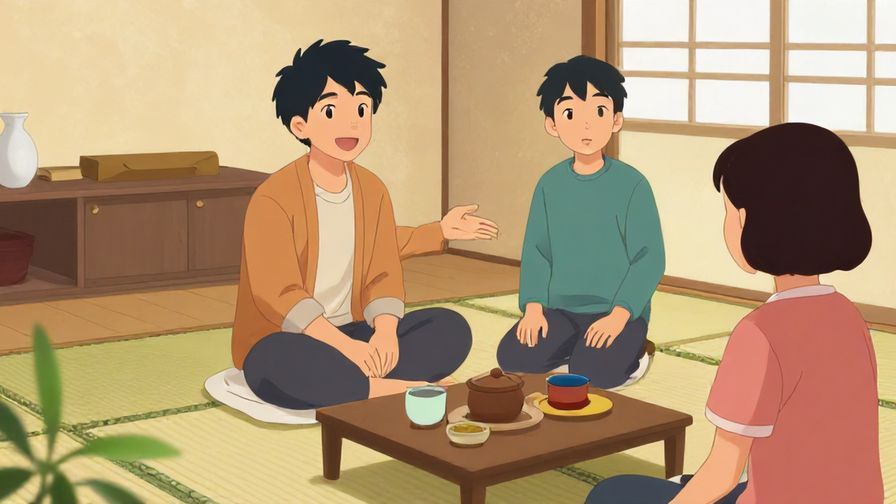
If you want to get started, a great phrasebook for learning Japanese is a fantastic companion to keep handy.
With practice, these phrases will feel natural and heartfelt, just like genuine hospitality should be.
Let’s start with easy, casual ways to say “Make yourself at home”!
Part 1: Casual Suggestions
1. ゆっくりしてね (Yukkuri shite ne) – “Take it easy”

This is a warm, friendly way to tell someone to relax and feel comfortable.
“ゆっくり” (yukkuri) means “slowly” or “leisurely,” and “してね” (shite ne) is a casual way to say “do it, okay?”
Perfect for friends or close acquaintances, it’s like saying “Make yourself at home!” in a laid-back tone.
It’s short, sweet, and easy to remember for beginners.
You might hear this when you arrive at a friend’s house and they want you to feel calm and unhurried.
Try saying this with a warm smile, and your guests will feel instantly at ease.
2. くつろいでね (Kutsuroide ne) – “Relax and make yourself comfortable”
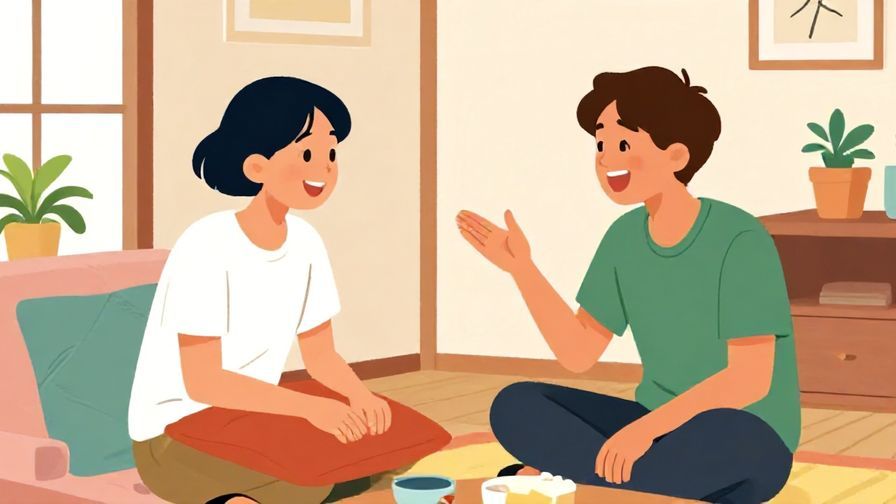
“くつろぐ” (kutsurogu) means “to relax” or “to feel at ease.”
Adding “ね” (ne) softens the phrase, making it friendly and inviting.
This phrase is great for casual situations but still shows care in making your guest comfortable.
Remember, it’s best used with people you know well, as it’s informal.
For example, when a friend enters your home, you can say, “くつろいでね!” to encourage them to feel at home.
Use this to create a warm, welcoming atmosphere without formality.
3. ゆっくりしていってね (Yukkuri shite itte ne) – “Take your time and stay as long as you like”
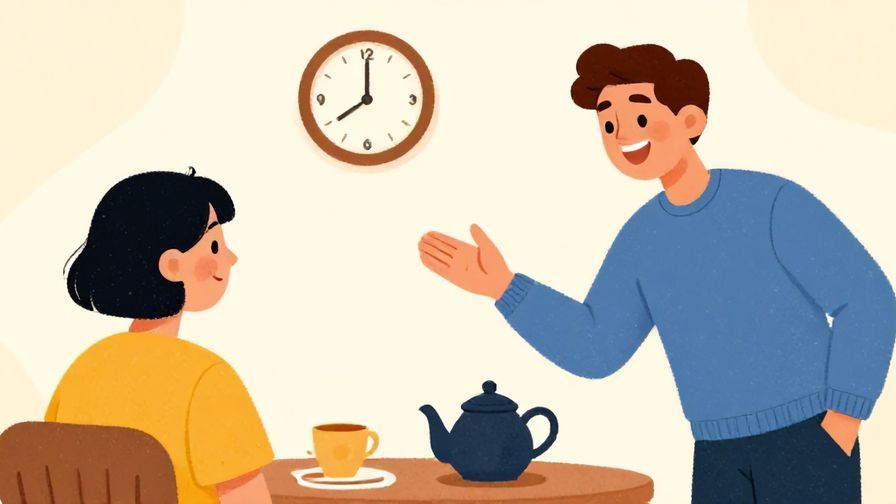
This phrase is a bit longer but very warm and inviting.
“していってね” (shite itte ne) adds “stay” to the “ゆっくり” (yukkuri) relaxation vibe.
It implies you want your guest to feel free to linger and enjoy themselves.
It’s casual but thoughtful, perfect for friends dropping by for tea or a chat.
Try pairing this with offering snacks or drinks to really make guests feel at home.
It’s one of the best phrases to practice to sound natural and welcoming.
4. ご自由にどうぞ (Gojiyū ni dōzo) – “Please feel free”

This phrase means “Please feel free to do as you like.”
“ご自由に” (gojiyū ni) means “freely,” and “どうぞ” (dōzo) means “please.”
It’s polite but still casual enough for everyday use.
Use this when inviting someone to help themselves to food, drinks, or use things in your home.
Keep in mind it’s slightly more formal than the above casual phrases, but still easy to use.
It’s a great phrase to show generosity and hospitality.
5. くつろいでください (Kutsuroide kudasai) – “Please relax” (polite)

This is a polite version of “くつろいでね,” using “ください” (kudasai) to make it more respectful.
Perfect when you want to welcome guests formally but still warmly.
Great for acquaintances or business guests who you want to make comfortable.
It clearly expresses your wish for them to relax without being too casual.
It’s easy to remember since you just swap “ね” with “ください.”
Using this phrase shows your attentiveness and respect for the guest’s comfort.
6. おくつろぎください (Okutsurogi kudasai) – “Please feel at ease” (very polite)
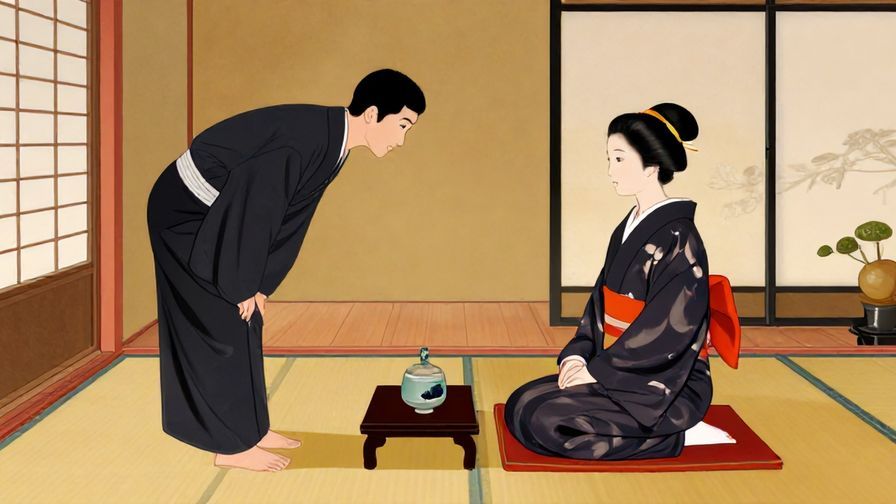
A more formal and respectful phrase than the last, often used in service or hospitality businesses.
“おくつろぎ” (okutsurogi) is a polite way to say “relax” or “feel comfortable.”
“ください” (kudasai) adds a respectful “please.”
It’s perfect for formal invitations into a home or a place of business.
Using this phrase signals sincere hospitality with a touch of elegance.
Try it out when you want to impress guests with your politeness and warmth.
7. どうぞ、ごゆっくり (Dōzo, goyukkuri) – “Please, take your time”

This friendly phrase uses “どうぞ” (dōzo) meaning “please,” and “ごゆっくり” (goyukkuri), a polite way of saying “slowly” or “take your time.”
It’s a very common and polite way to encourage guests to relax and enjoy their time.
It’s ideal for both casual and semi-formal situations.
Because it’s easy to say and sounds natural, it’s a top choice for welcoming visitors.
Combine this with offering refreshments for an even warmer welcome.
Guests will appreciate the genuine invitation to feel at home.
8. くつろいでいってくださいね (Kutsuroide itte kudasai ne) – “Please relax and stay as long as you like”

This phrase combines “くつろぐ” (relax), “いってください” (please stay), and “ね” (softener) for a polite yet warm invitation.
It’s an excellent way to encourage guests to feel fully at home and take their time.
It’s polite but also sounds natural and caring, which makes it perfect for friends or acquaintances.
Using “ね” adds a friendly tone, preventing it from feeling too stiff.
When you want to truly express hospitality, this phrase fits perfectly.
Practice it with a gentle smile to make guests feel welcome instantly.
Part 2: Polite & Formal Suggestions
9. ごゆっくりお過ごしください (Goyukkuri osugoshi kudasai) – “Please spend your time leisurely”
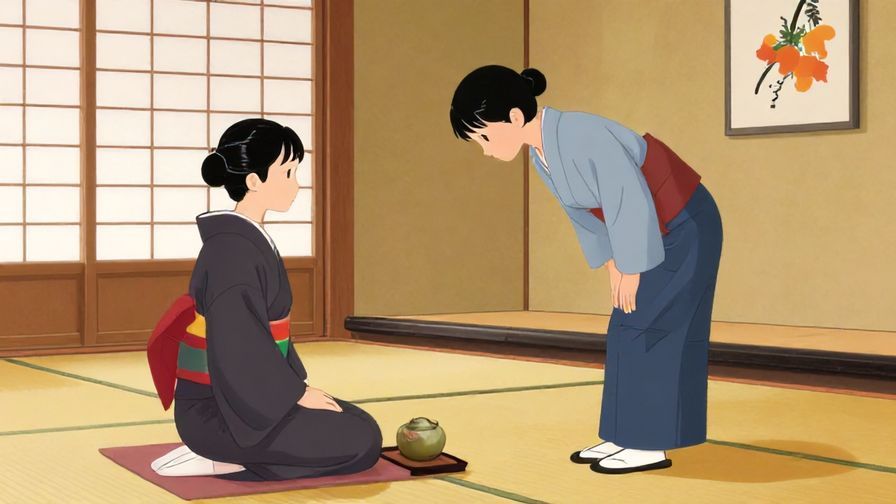
This formal phrase is often used in business or hospitality settings.
“お過ごしください” (osugoshi kudasai) means “please spend time,” and “ごゆっくり” (goyukkuri) means “leisurely.”
It’s a respectful way to invite someone to relax and enjoy their stay.
Perfect for formal gatherings or when hosting clients.
It shows high regard for the guest’s comfort and time.
Try this phrase to sound polished and considerate.
10. ご自由におくつろぎください (Gojiyū ni okutsurogi kudasai) – “Please feel free to relax”

Combining “ご自由に” (freely) and “おくつろぎください” (please relax), this phrase is polite and respectful.
It’s ideal for formal invitations when you want guests to feel at home without hesitation.
Useful in professional or ceremonial environments.
It formally grants permission to relax and enjoy the space.
Use this to politely express hospitality in a dignified way.
It’s a phrase that shows care and respect.
11. どうぞごゆっくりお過ごしくださいませ (Dōzo goyukkuri osugoshi kudasaimase) – “Please take your time and enjoy yourself” (very formal)

Adding “ませ” (mase) makes this phrase extremely polite.
Often heard in upscale hotels or traditional inns (ryokan).
This phrase invites guests to feel completely at ease and enjoy their time.
It’s perfect if you want to show utmost respect and warmth.
Though formal, it still carries genuine hospitality.
Try it when hosting very important guests or in business contexts.
12. ご遠慮なくどうぞ (Goenryo naku dōzo) – “Please don’t hesitate”

“ご遠慮なく” (goenryo naku) means “without hesitation,” and “どうぞ” (dōzo) is “please.”
This phrase is a polite way to encourage guests to help themselves or be comfortable without holding back.
It’s often used alongside offers of food, drinks, or amenities.
Great for showing generosity in a formal manner.
It conveys that the guest should not feel shy or reserved.
Using this phrase helps break down barriers politely.
13. ご自宅のようにお過ごしください (Gojitaku no yō ni osugoshi kudasai) – “Please feel at home as if it’s your own house”
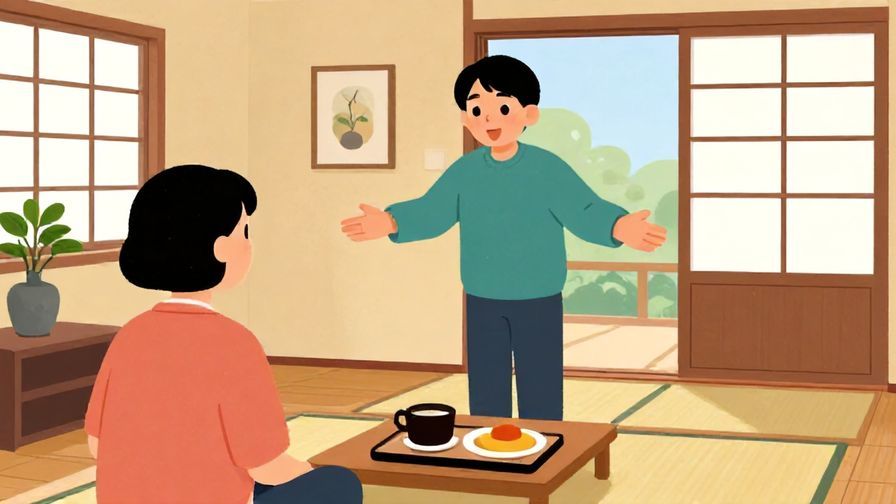
This phrase literally means “Please spend time like your own home.”
It’s a very polite and sincere way to invite guests to feel completely comfortable.
“ご自宅” (gojitaku) is a respectful way to say “your home.”
Use this in formal or semi-formal contexts to warmly welcome guests.
It emphasizes trust and hospitality deeply.
A beautiful phrase to express heartfelt welcome.
14. どうぞごゆっくりおくつろぎください (Dōzo goyukkuri okutsurogi kudasai) – “Please, relax and take your time”

This phrase combines politeness with warmth, encouraging guests to relax fully.
“おくつろぎください” (okutsurogi kudasai) is a polite “please relax,” and “ごゆっくり” (goyukkuri) means “take your time.”
It’s ideal for formal or semi-formal occasions.
Using this phrase helps guests feel respected and cared for.
It’s a go-to phrase for Japanese hospitality.
Try it to sound polished, gentle, and inviting.
15. どうぞご自由におくつろぎください (Dōzo gojiyū ni okutsurogi kudasai) – “Please feel free to relax”

Polite and generous, this phrase invites guests to feel free and relaxed.
“ご自由に” (gojiyū ni) means “freely,” combined with “おくつろぎください” (please relax).
Perfect for semi-formal to formal settings.
It clearly communicates freedom and hospitality in one phrase.
A great phrase to master for respectful invitations.
Use with a friendly tone to maximize comfort.
16. どうぞごゆっくりお楽しみください (Dōzo goyukkuri otanoshimi kudasai) – “Please enjoy yourself at your leisure”
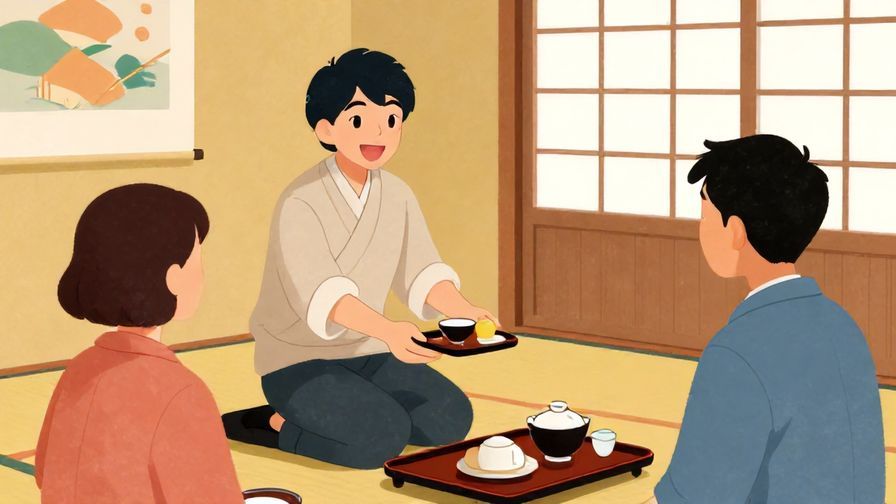
This phrase adds a layer of enjoyment on top of relaxation.
“お楽しみください” (otanoshimi kudasai) means “please enjoy.”
It’s polite and ideal for inviting guests to appreciate their stay.
Use it when you want guests to feel both comfortable and joyful.
Great for special occasions or gatherings.
It combines respect with warmth beautifully.
Part 3: Very Casual / Native-like Expressions
17. じゃあ、ゆっくりしてって! (Jā, yukkuri shittette!) – “Well then, make yourself at home!”
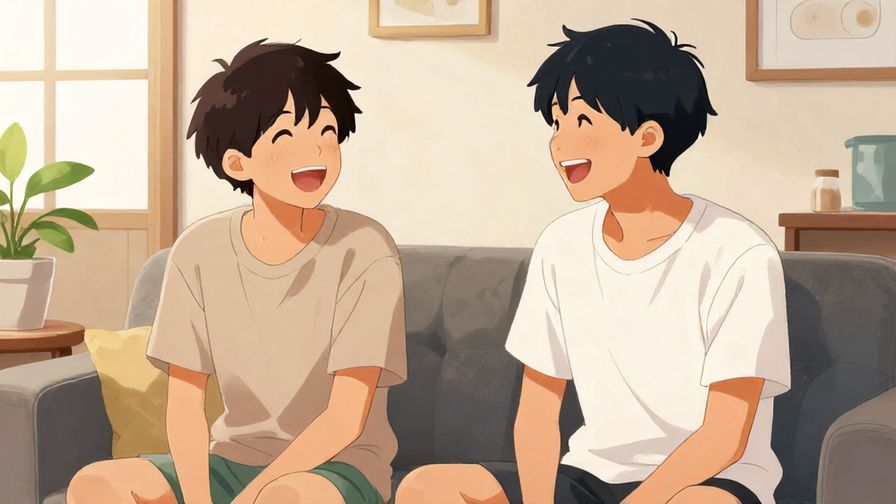
This is a super casual, friendly way to say “Make yourself at home.”
“じゃあ” (jā) means “well then,” and “してって” (shittette) is a contraction of “していって” (please stay and do).
It’s frequently used among close friends or family.
Sounds natural and relaxed, like a native speaker.
Try this if you want to sound informal and welcoming.
It’s great for everyday visits with people you’re close to.
18. 遠慮しないでね (Enryo shinai de ne) – “Don’t hold back”

“遠慮しないで” (enryo shinai de) literally means “don’t hesitate” or “don’t hold back.”
Adding “ね” (ne) softens it to be friendly.
It’s a casual phrase that encourages guests to feel free.
Use it when you notice someone is being polite or reserved.
It helps break the polite shell to make guests comfortable.
Perfect for native-like, relaxed interactions.
19. なんでも使ってね (Nandemo tsukatte ne) – “Use whatever you want”

This phrase literally invites guests to use anything they need.
“なんでも” (nandemo) means “anything,” and “使ってね” (tsukatte ne) is “please use.”
It’s casual and sounds very natural among friends.
Great for inviting guests to feel free to take what they want.
It helps create a carefree, homey atmosphere.
Use it when you want to express openness and generosity simply.
20. いつでもゆっくりしてね (Itsudemo yukkuri shite ne) – “Feel free to relax anytime”
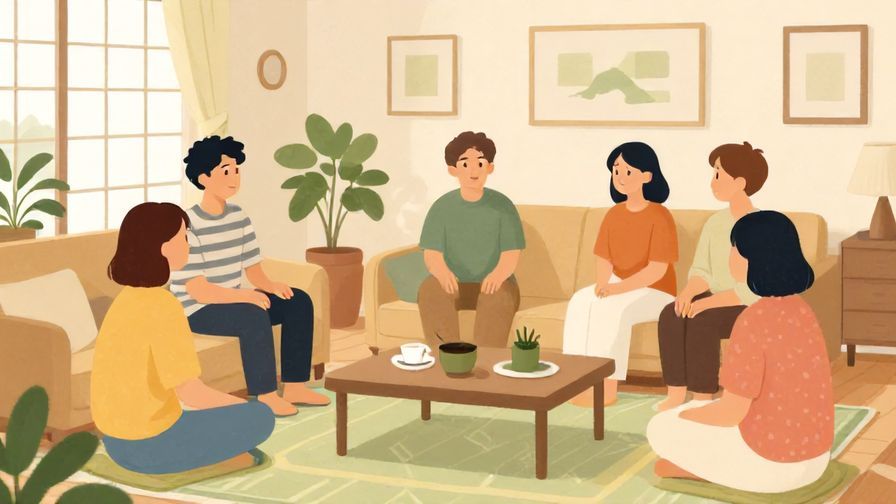
This phrase warmly invites guests to relax anytime they visit.
“いつでも” (itsudemo) means “anytime,” combined with “ゆっくりしてね” (take it easy).
It’s a friendly, casual way to show ongoing hospitality.
Perfect for close friends or family who visit frequently.
It builds a sense of belonging and comfort.
Try it to deepen your connection with guests.
21. 気軽にしてね (Kigaru ni shite ne) – “Feel free and easy”

“気軽に” (kigaru ni) means “lightheartedly” or “without hesitation.”
Adding “してね” (shite ne) makes it a gentle request to “feel free.”
It’s casual and intimate, great for close friends or family.
Use this phrase to encourage relaxed, easygoing vibes.
It’s a simple way to say “Make yourself at home” more naturally.
Use it often to sound like a native speaker.
22. どうぞリラックスしてね (Dōzo rirakkusu shite ne) – “Please relax” (casual with loanword)

This phrase adds the English loanword “リラックス” (rirakkusu) meaning “relax.”
It’s casual but trendy and easy to understand.
“どうぞ” (dōzo) means “please,” and “してね” (shite ne) softens it.
Great for informal situations, especially with younger people.
It’s a cool and modern way to say “Make yourself at home.”
Perfect for casual gatherings or parties.
Concluding Thought
Mastering these 22 Japanese ways to say “Make yourself at home” lets you express warmth and hospitality in any situation.
From casual get-togethers to formal events, having these phrases ready helps your guests feel truly welcome.
So go ahead, try them out, and watch how your invitations bring smiles and comfort to those around you!