22 Japanese ways to say “Live and learn”
Ever had one of those moments where you realize, “Wow, I just learned something new from that mistake”? That’s the spirit behind the phrase “Live and learn.”
It’s a phrase that reminds us growth comes from experience—sometimes even from a little stumble or two. In Japanese, there are so many ways to express this sentiment, each with its own flavor and nuance.
Whether you’re learning Japanese or just love exploring languages, these phrases will warm your heart and expand your vocabulary.
We’ve gathered 22 unique and relatable Japanese expressions that capture the idea of learning through life’s ups and downs, all with easy pronunciation guides.
From casual sayings you can hear among friends to polite expressions for more formal settings, plus some native-like twists, you’ll find plenty to add to your phrasebook.
So get ready to say “Live and learn” in Japanese, your way!
Understanding the Concept of “Live and Learn” in Japanese
Japanese culture often values learning from experience, and their language reflects this beautifully.
Some expressions focus on accepting mistakes gracefully, others on gaining wisdom step-by-step, and a few highlight the humility involved in lifelong learning.
Exploring these phrases will give you insight into not just language but mindset.
If you want to dive deeper, a helpful Japanese idioms and expressions guide can make the journey even smoother.
Remember, these phrases are not just words but little life lessons wrapped in language.
Let’s jump into the first group: casual and easy-to-use expressions.
Part 1: Casual Suggestions
1. 生きて学ぶ (Ikite manabu) – “Live and learn.”

This phrase is a direct way to say “live and learn” in Japanese.
“生きて” (ikite) means “living,” and “学ぶ” (manabu) means “to learn.” Put together, it captures the idea of gaining knowledge simply by living life.
It’s straightforward and perfect for expressing growth from experience.
Using it is as simple as saying it when reflecting on a lesson learned after a mistake.
It’s similar to English in tone and usage.
Try this one to start your Japanese learning adventure with a solid, literal phrase!
2. 勉強は人生の友 (Benkyou wa jinsei no tomo) – “Study is life’s friend.”

This phrase emphasizes learning as a lifelong companion.
The word “勉強” (benkyou) means “study,” “人生” (jinsei) means “life,” and “友” (tomo) means “friend.”
It’s a cheerful reminder that learning sticks with you throughout life.
Great for encouraging yourself or friends when facing challenges.
Be careful not to confuse it with just formal studying; it’s more about general learning.
You might say this after mastering a new skill or discovering something valuable.
3. 失敗は成功のもと (Shippai wa seikou no moto) – “Failure is the foundation of success.”

This classic proverb highlights the value of mistakes as learning opportunities.
“失敗” (shippai) means “failure,” “成功” (seikou) means “success,” and “もと” (moto) means “origin” or “foundation.”
It’s perfect for moments when you want to remind yourself that setbacks lead to growth.
An encouraging phrase to keep motivation high.
Often used to comfort someone after a tough situation.
Remember, failure isn’t the end but a stepping stone.
4. 知らぬが仏 (Shiranu ga hotoke) – “Not knowing is Buddha.”

This phrase means sometimes ignorance brings peace.
“知らぬ” (shiranu) means “not knowing,” and “仏” (hotoke) means “Buddha” or enlightened peace.
It reflects a subtle idea that not every lesson needs to be learned immediately.
Use it when you want to say it’s okay to learn slowly or take time.
It’s a gentle reminder not to stress over every mistake.
Great for lightening the mood after a blunder.
5. 今日の失敗は明日の成功 (Kyou no shippai wa ashita no seikou) – “Today’s failure is tomorrow’s success.”
This expression encourages seeing failure as temporary and hopeful.
“今日” (kyou) means “today,” “失敗” (shippai) is “failure,” “明日” (ashita) is “tomorrow,” and “成功” (seikou) is “success.”
It’s a positive spin on learning from mistakes.
Perfect for motivating yourself after a rough day.
Helps maintain a growth mindset.
Try saying this to friends when they feel down about setbacks.
6. 経験は最高の教師 (Keiken wa saikou no kyoushi) – “Experience is the best teacher.”
This phrase highlights the value of learning firsthand.
“経験” (keiken) means “experience,” “最高” (saikou) means “best,” and “教師” (kyoushi) means “teacher.”
It’s a simple way to express that real-life lessons beat theory.
Useful in conversations about personal growth.
Great for reinforcing why mistakes are okay.
Use it when someone doubts the value of trial and error.
7. 反省は成長の第一歩 (Hansei wa seichou no daiippo) – “Reflection is the first step to growth.”

This expression teaches the importance of reflecting on mistakes.
“反省” (hansei) means “reflection,” “成長” (seichou) means “growth,” and “第一歩” (daiippo) means “first step.”
It’s a great reminder that learning starts with honest self-review.
Use it after a mistake when thinking about how to improve.
A useful phrase to encourage maturity in learning.
Reflection is key to turning lessons into wisdom.
8. 今日学ばぬ者は明日困る (Kyou manabanu mono wa ashita komaru) – “Those who don’t learn today will struggle tomorrow.”

This phrase stresses the importance of learning now.
“今日” (kyou) means “today,” “学ばぬ者” (manabanu mono) means “those who don’t learn,” and “困る” (komaru) means “to struggle.”
It’s a gentle nudge to keep up with learning and growth.
Perfect for study motivation or work advice.
Helps remind people that procrastination has consequences.
Use it lightly to encourage consistent progress.
Part 2: Polite & Formal Suggestions
9. 経験から学ぶ (Keiken kara manabu) – “Learn from experience.”

A polite and formal way to say “learn from experience.”
“経験” (keiken) means “experience,” “から” (kara) means “from,” and “学ぶ” (manabu) means “to learn.”
It’s perfect for professional or academic contexts.
Use it in meetings or presentations to highlight lessons learned.
It sounds respectful and thoughtful.
Pair it with examples to show your growth journey clearly.
10. 失敗は学びの機会です (Shippai wa manabi no kikai desu) – “Failure is an opportunity to learn.”

This phrase politely frames failure in a positive light.
“失敗” (shippai) means “failure,” “学び” (manabi) means “learning,” and “機会” (kikai) means “opportunity.”
It’s ideal for formal discussions about progress.
Use it to encourage openness to mistakes in the workplace.
It’s a respectful way to discuss setbacks.
Helps foster a learning culture in professional environments.
11. 経験は知識の源です (Keiken wa chishiki no minamoto desu) – “Experience is the source of knowledge.”
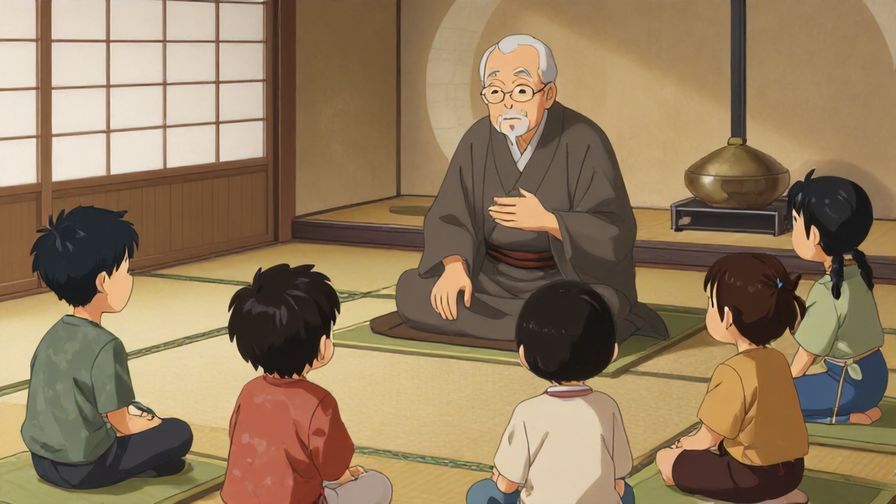
A formal expression linking experience to knowledge.
“経験” (keiken) means “experience,” “知識” (chishiki) means “knowledge,” and “源” (minamoto) means “source.”
It’s often used in speeches or formal writing.
Perfect for academic or ceremonial contexts.
It emphasizes respect for wisdom gained over time.
Use it to honor life’s lessons in a dignified way.
12. 学ぶことに終わりはない (Manabu koto ni owari wa nai) – “There is no end to learning.”

This phrase humbly acknowledges lifelong learning.
“学ぶこと” (manabu koto) means “the act of learning,” and “終わりはない” (owari wa nai) means “there is no end.”
It’s perfect for formal speeches or motivational talks.
Use it to inspire continuous growth.
It captures the never-ending journey of knowledge.
Great for educators or mentors to share.
13. 失敗から得る教訓 (Shippai kara eru kyōkun) – “Lessons gained from failure.”
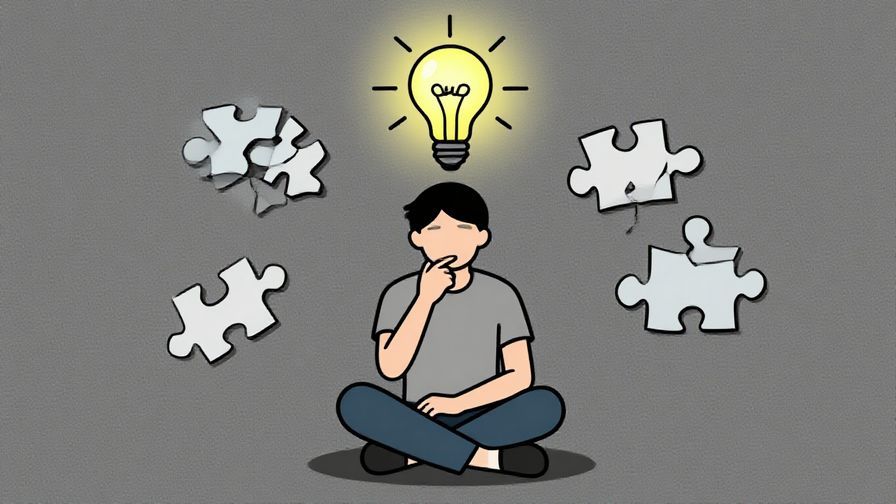
Focusing on the lessons specifically learned from mistakes.
“失敗” (shippai) means “failure,” “得る” (eru) means “to gain,” and “教訓” (kyōkun) means “lesson.”
Use it in formal writing or reports.
Shows a mature understanding of setbacks.
Great for highlighting progress after challenges.
Helps frame failure positively in business or education.
14. 経験は宝 (Keiken wa takara) – “Experience is a treasure.”

This poetic expression elevates experience.
“経験” (keiken) means “experience” and “宝” (takara) means “treasure.”
It’s formal but warm and inspiring.
Use it when emphasizing the value of personal growth.
Good for speeches or heartfelt messages.
Reminds listeners to cherish their learning journey.
15. 常に学び続ける (Tsuneni manabi tsuzukeru) – “Always continue learning.”

A polite phrase encouraging continual learning.
“常に” (tsuneni) means “always,” “学び” (manabi) means “learning,” and “続ける” (tsuzukeru) means “to continue.”
Perfect for formal advice or encouragement.
Use it in emails, speeches, or mentoring.
It’s a gentle push to never stop growing.
Great for professional development contexts.
16. 失敗は成長の糧 (Shippai wa seichou no kate) – “Failure is nourishment for growth.”
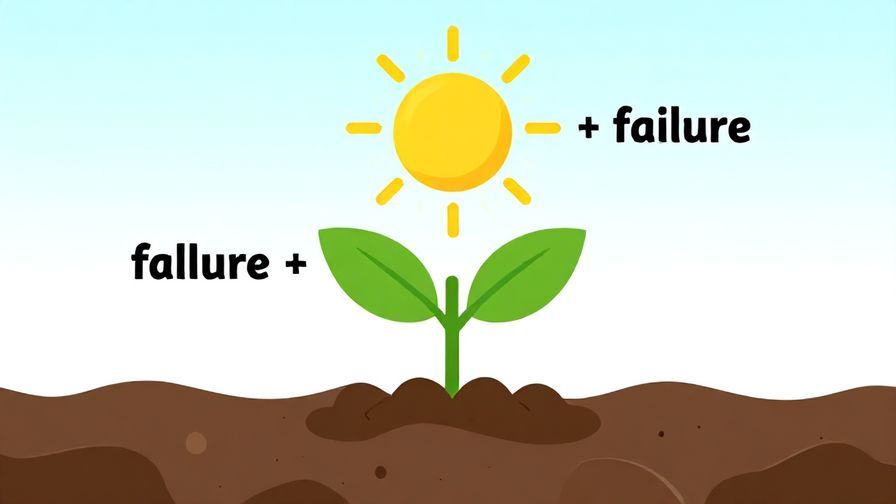
This metaphorical phrase connects failure to growth’s fuel.
“失敗” (shippai) means “failure,” “成長” (seichou) means “growth,” and “糧” (kate) means “nourishment.”
It’s formal and poetic.
Use it to inspire resilience.
Perfect for presentations or thoughtful letters.
Shows a positive mindset about setbacks.
Part 3: Very Casual / Native-like Expressions
17. なるほど、勉強になるね (Naruhodo, benkyou ni naru ne) – “I see, that’s a good lesson.”
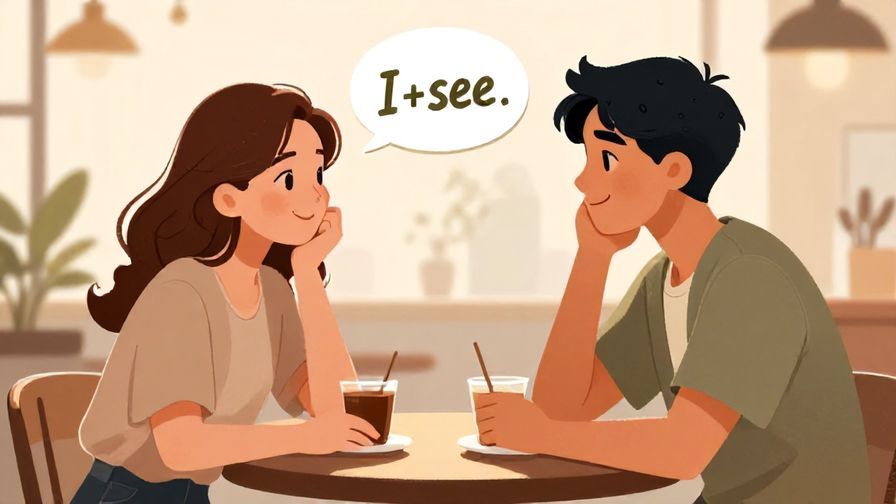
A casual, conversational phrase to express “live and learn.”
“なるほど” (naruhodo) means “I see” or “indeed,” and “勉強になる” (benkyou ni naru) means “it becomes a lesson.”
Perfect for everyday chats after learning something new.
Use it when surprised or enlightened by new info.
It’s friendly and easy to drop into conversation.
Great for breaking the ice or sharing insights.
18. 失敗してもいいじゃん (Shippai shite mo ii jan) – “It’s okay to fail.”
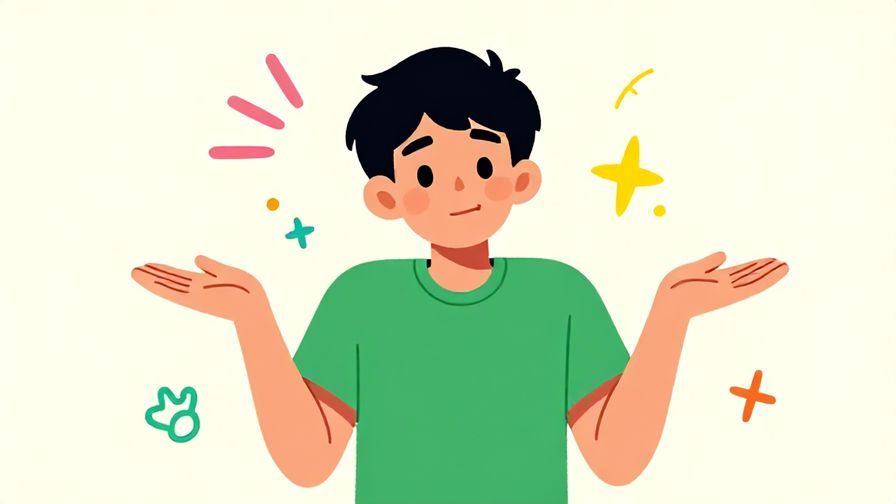
A laid-back way to accept mistakes and learn from them.
“失敗しても” (shippai shite mo) means “even if you fail,” and “いいじゃん” (ii jan) is a casual “it’s okay.”
Use it with friends to encourage trying without fear.
It’s reassuring and reduces pressure.
Great phrase for casual, supportive conversation.
Helps foster a lighthearted learning atmosphere.
19. やってみないとわからないよね (Yatte minaito wakaranai yo ne) – “You won’t know until you try.”

This phrase captures the “live and learn” spirit perfectly.
“やってみないと” (yatte minaito) means “if you don’t try,” and “わからない” (wakaranai) means “you won’t know.”
It’s a common phrase native speakers use to encourage action.
Use it to motivate yourself or others to take chances.
Very natural and friendly tone.
Works great in informal settings.
20. 失敗は成功のもとだよね (Shippai wa seikou no moto dayo ne) – “Failure is the key to success, right?”

A casual, conversational twist on the famous proverb.
Adding “だよね” (dayo ne) makes it sound friendly and confirming.
Great for chatting with friends about lessons learned.
Use this to bond over shared experiences.
It’s encouraging and relatable.
Perfect for casual encouragement.
21. まあ、人生勉強だね (Maa, jinsei benkyou da ne) – “Well, life’s a lesson, huh.”

This phrase casually embraces life’s ups and downs.
“まあ” (maa) is a filler like “well,” “人生” (jinsei) means “life,” and “勉強” (benkyou) means “study” or “learning.”
It’s often said when reflecting on a small failure or surprise.
Use it to lighten moments of frustration.
It’s warm, relatable, and very natural.
A great way to shrug off mistakes with a smile.
22. 仕方ない、次に活かそう (Shikata nai, tsugi ni ikasou) – “Can’t be helped, let’s make the next one count.”

This phrase blends acceptance and motivation.
“仕方ない” (shikata nai) means “can’t be helped,” “次に” (tsugi ni) means “next,” and “活かそう” (ikasou) means “let’s make use of.”
It’s great for moving on from mistakes with a positive attitude.
Use it casually to encourage resilience.
It reflects a practical, optimistic mindset.
Perfect for everyday life lessons.
Concluding Thought
Exploring these 22 phrases reveals how beautifully Japanese captures the essence of “live and learn.”
From formal wisdom to casual chats, each expression offers a unique way to embrace growth through experience.
So next time you stumble or gain a new insight, remember: in Japanese, there’s a perfect phrase to match your journey—and a warm reminder that learning never stops.