22 Japanese ways to say “Life isn’t fair
Life often throws curveballs, and sometimes it just doesn’t seem fair. But expressing that feeling in another language can open new doors to understanding and connection.
Japanese, with its rich cultural nuances, offers many ways to say “Life isn’t fair,” each carrying its own warmth and color. Whether you’re learning for travel, conversation, or just curious, these phrases capture that universal truth beautifully.
From casual expressions to more formal or philosophical ones, you’ll find a phrase that fits the mood, situation, or even your personality.
Plus, learning these expressions helps you dive deeper into Japanese culture and mindset—kind of like seeing life’s ups and downs from a fresh perspective.
Before you know it, you’ll have a handy toolkit of expressions to share, laugh, or commiserate with friends in Japanese.
Ready to explore 22 Japanese ways to say “Life isn’t fair”? Let’s get started!
Understanding the Feelings Behind the Words
Before jumping into the phrases, it’s helpful to know the kinds of feelings they express—frustration, acceptance, or even humor at life’s quirks.
Japanese often reflects subtlety and layers of meaning, so the same idea can be said in many ways depending on how casual or serious you want to sound.
Knowing these can help you pick the perfect phrase for any moment.
If you want to explore these expressions more deeply, a great language learning book can help deepen your understanding.
From there, you can practice and feel more confident using these phrases naturally.
And sometimes, just knowing how to say something perfectly is a relief in itself.
Part 1: Casual Suggestions
1. 仕方ない (Shikata nai) – “It can’t be helped.”

This is probably the most common way to express that something unfair or disappointing just can’t be changed.
“仕方 (shikata)” means “way” or “method,” and “ない (nai)” means “does not exist,” so together it means “there’s no way (to fix it).”
It’s short, to the point, and used a lot in daily conversation.
Think of it as a gentle acceptance phrase.
It’s similar to saying “that’s life” or “oh well” in English.
Use it to acknowledge unfairness without bitterness.
2. 人生は不公平だね (Jinsei wa fukōhei da ne) – “Life is unfair, isn’t it?”

This is a straightforward, slightly casual way to say “Life is unfair.”
“人生 (jinsei)” means “life,” “は (wa)” marks the topic, “不公平 (fukōhei)” means “unfair,” and “だね (da ne)” adds a light, friendly tone.
It’s perfect for conversations with friends when you want to commiserate.
Just don’t use it in very formal situations.
For example, you might say this after a tough day at work or school.
It’s relatable and simple to remember.
3. 運が悪いね (Un ga warui ne) – “Bad luck, huh?”
This phrase points to luck being the reason life feels unfair.
“運 (un)” means “luck,” “が (ga)” marks the subject, “悪い (warui)” means “bad,” and “ね (ne)” adds a soft confirmation at the end.
It’s a sympathetic phrase, acknowledging that sometimes life just isn’t on your side.
It’s casual and works well with friends or family.
It’s a nice way to share frustration without sounding too heavy.
Try pairing it with a small smile to keep things light.
4. そんなもんだよ (Sonna mon da yo) – “That’s just how it is.”

This phrase casually accepts life’s unfairness with a laid-back attitude.
“そんな (sonna)” means “that kind of,” “もん (mon)” is a casual term for “thing,” and “だよ (da yo)” emphasizes the statement.
It’s like saying “that’s just how things go” in English.
Use it when you want to shrug off unfairness with a hint of humor.
It’s perfect for informal chats.
It helps lighten the mood and move on.
5. 世の中そんなに甘くない (Yo no naka sonna ni amaku nai) – “The world isn’t that sweet.”

This phrase reminds you that life has its hardships and unfairness.
“世の中 (yo no naka)” means “the world,” “そんなに (sonna ni)” means “that much,” “甘くない (amaku nai)” means “not sweet.”
It’s a gentle but honest way to say life isn’t easy or kind.
Great for encouraging someone who’s struggling.
It’s a little more poetic than blunt phrases.
Use it to express reality with a bit of warmth.
6. 仕方がないよね (Shikata ga nai yo ne) – “There’s nothing you can do, right?”

This variation of “shikata nai” adds a soft, conversational tone.
“仕方 (shikata)” means “way,” “が (ga)” marks the subject, “ない (nai)” means “none,” “よね (yo ne)” adds emphasis and seeks agreement.
It’s like saying “It can’t be helped, you know?”
Good for when you want others to empathize with your acceptance.
Use it often in daily life to sound natural and warm.
This phrase is also frequently heard in TV dramas and everyday talk.
7. 運命だね (Unmei da ne) – “It’s fate, huh?”

Here, you acknowledge unfairness as part of fate or destiny.
“運命 (unmei)” means “fate,” and “だね (da ne)” softens the statement with a conversational tone.
This phrase carries a deeper, almost philosophical vibe.
Use it when reflecting on life’s twists and turns with acceptance.
It’s perfect for moments when things feel out of your control.
It can inspire a peaceful mindset despite unfairness.
8. ついてないなあ (Tsuitenai naa) – “I’m just unlucky.”
This is a very casual, native-like way to say you’re having bad luck.
“ついてない (tsuitenai)” means “not lucky,” and “なあ (naa)” adds a tone of mild complaint or reflection.
It’s something you might say to yourself or close friends.
It’s relatable and easy to use when life feels unfair.
Try it when things just don’t go your way.
It’s a short phrase that carries a lot of feeling.
Part 2: Polite & Formal Suggestions
9. 人生は公平ではありません (Jinsei wa kōhei de wa arimasen) – “Life is not fair.”

This is a polite, formal way to say “Life is not fair.”
“人生 (jinsei)” means “life,” “は (wa)” marks the topic, “公平 (kōhei)” means “fair,” and “ではありません (de wa arimasen)” is a formal negative phrase.
Use this in speeches, presentations, or formal writing.
It’s clear and respectful.
It’s less common in everyday talk but perfect for serious contexts.
Practicing this can help you sound polished and precise.
10. 仕方がありません (Shikata ga arimasen) – “There is no way (to help it).”

This is the formal version of “shikata nai.”
“ありません (arimasen)” is the polite negative verb form, making it appropriate for formal settings.
It’s used to express resignation politely.
Great for business or respectful conversations.
It’s a phrase that conveys acceptance without complaining.
Using it correctly shows your understanding of social context in Japanese.
11. 運命には逆らえません (Unmei ni wa sakaraemasen) – “You can’t go against fate.”

This phrase expresses acceptance of fate’s unfairness in a formal way.
“運命 (unmei)” means “fate,” “には (ni wa)” is a topic marker with emphasis, “逆らえません (sakaraemasen)” means “cannot oppose.”
It’s poetic and often found in literature or serious discussions.
It reminds us some things are beyond control.
Use it to sound wise and composed.
It’s a beautiful phrase to reflect on life’s unpredictability.
12. 人生には理不尽なこともあります (Jinsei ni wa rifujin na koto mo arimasu) – “There are unreasonable things in life too.”
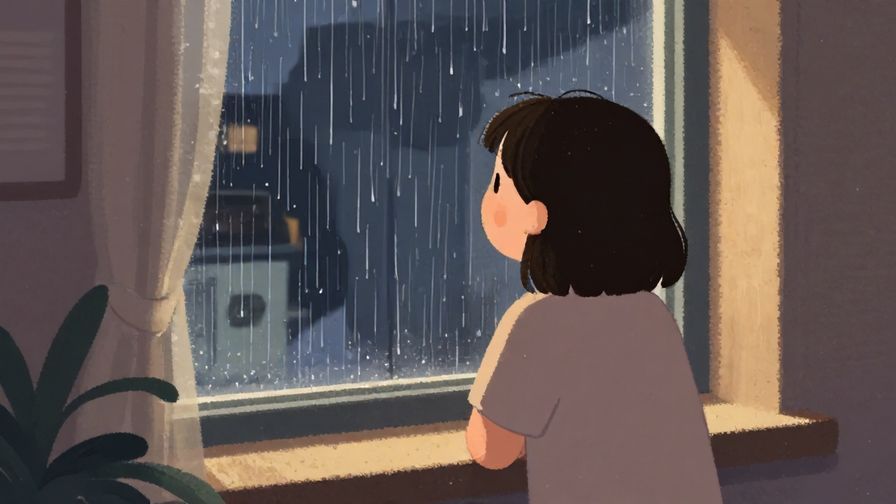
This phrase acknowledges unfairness with a polite tone.
“理不尽 (rifujin)” means “unreasonable” or “unfair,” “ことも (koto mo)” means “things also,” and “あります (arimasu)” is the polite form of “there is.”
It’s useful when discussing difficult topics with respect.
It’s a gentle way to admit life’s flaws.
Great for conversations where empathy is needed.
It’s a phrase that balances honesty and politeness.
13. どうしようもないことです (Dō shiyō mo nai koto desu) – “It’s something that can’t be helped.”

This formal phrase means there’s no solution to the problem.
“どうしようもない (dō shiyō mo nai)” means “there’s no way to do anything,” and “ことです (koto desu)” means “it is a thing.”
Perfect for polite conversation or writing.
It shows mature acceptance.
Use it when explaining difficult situations.
It’s a respectful way to express life’s unfair moments.
14. それは不公平な現実です (Sore wa fukōhei na genjitsu desu) – “That is an unfair reality.”

This phrase states unfairness in a formal, almost philosophical way.
“不公平 (fukōhei)” means “unfair,” “現実 (genjitsu)” means “reality,” and “です (desu)” is the polite copula.
Use it when discussing social issues or serious topics.
It’s a phrase that sounds balanced and clear.
It’s great for essays or speeches.
It helps convey thoughtful reflection on life’s imperfections.
15. 仕方ありませんでした (Shikata arimasen deshita) – “There was nothing that could be done.”
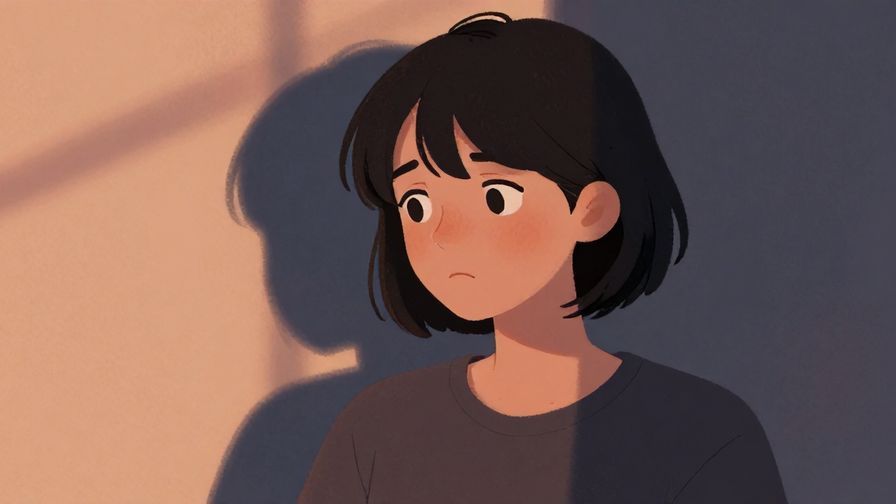
This past tense, formal phrase expresses acceptance of a situation that was out of control.
“仕方 (shikata)” means “way,” “ありませんでした (arimasen deshita)” is polite past negative form.
It’s useful when reflecting on events that led to unfair outcomes.
It shows humility and acceptance.
Use it in respectful conversations or writing.
A very practical phrase to sound sincere and polite.
16. 人生は時に残酷です (Jinsei wa toki ni zankoku desu) – “Life is sometimes cruel.”

This phrase highlights the harsh realities of life with a formal tone.
“時に (toki ni)” means “sometimes,” “残酷 (zankoku)” means “cruel.”
It’s a strong phrase for serious conversations.
Use it when you want to acknowledge life’s tough moments honestly.
It’s a little poetic and impactful.
Great for deep reflections or writing.
Part 3: Very Casual / Native-like Expressions
17. マジで?人生ムカつく!(Maji de? Jinsei mukatsuku!) – “Seriously? Life’s so annoying!”

This is a very casual, slangy way to vent about life’s unfairness.
“マジで (maji de)” means “seriously,” “人生 (jinsei)” is “life,” and “ムカつく (mukatsuku)” is slang for “annoying” or “frustrating.”
It’s great among close friends or in informal chats.
Use it when you want to express strong frustration.
It’s not for polite or formal settings.
But it’s super relatable and common among young people.
18. もう勘弁してよ (Mō kanben shite yo) – “Give me a break already.”
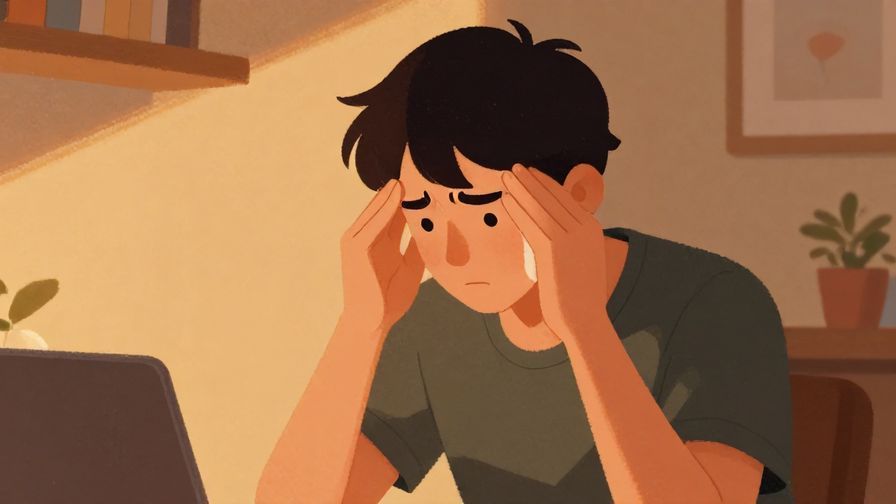
This phrase expresses tiredness with life’s unfairness in a casual way.
“もう (mō)” means “already,” “勘弁して (kanben shite)” means “forgive me” or “give me a break,” “よ (yo)” adds emphasis.
It’s often used when you feel overwhelmed or fed up.
Try it with friends or family for a lighthearted complaint.
It’s easy to say and very natural.
Good for venting without being too harsh.
19. 人生、そんなに甘くないよね (Jinsei, sonna ni amaku nai yo ne) – “Life’s not that easy, right?”

This casual phrase mixes reality with a friendly tone.
It’s similar to phrase 5 but more conversational and relaxed.
Great for sharing a knowing smile about life’s unfairness.
It’s easy to remember and use daily.
Perfect for informal chats about life’s challenges.
It softens the blow of unfairness with camaraderie.
20. どんまい、人生!(Donmai, jinsei!) – “Don’t mind, life!”

“どんまい (donmai)” is a casual way of saying “don’t worry” or “never mind.”
Pairing it with “人生 (jinsei)” makes it sound like encouragement to life itself.
It’s a playful, optimistic phrase often used among friends.
Use it to cheer yourself or someone else up.
It’s short, fun, and very native-like.
Great for lightening the mood after setbacks.
21. まあ、仕方ないっしょ (Mā, shikata nai ssho) – “Well, it can’t be helped, right?”

This is a very casual, slangy version of “shikata nai.”
“まあ (mā)” means “well,” “っしょ (ssho)” is a casual sentence-ending particle meaning “right?”
It’s perfect for informal conversations with friends.
Use it to shrug off unfairness with a carefree vibe.
It’s easy and sounds very native.
Great for daily use when life feels a bit unfair.
22. 人生きびしいよね (Jinsei kibishii yo ne) – “Life’s tough, huh?”

“きびしい (kibishii)” means “tough” or “harsh.”
This phrase casually states that life isn’t easy.
It’s warm and relatable, often used in everyday talk.
Use it when nodding along to life’s difficulties.
It’s simple but carries a lot of empathy.
Perfect for connecting with others over shared struggles.
Concluding Thought
Exploring these 22 ways to say “Life isn’t fair” in Japanese offers more than just words—it opens a window into how culture shapes our feelings and expressions.
Whether casual, polite, or native-like, each phrase carries warmth and understanding, helping you connect and empathize across languages.
So next time life throws you a curveball, you’ll have just the right words to say—ready to share a smile, a sigh, or a knowing nod in Japanese.