22 Japanese ways to say “Let’s take a break”
Feeling overwhelmed during your day? Sometimes, all you need is a simple pause to recharge.
In Japanese, there are many warm, informal, and relatable ways to suggest taking a break, whether at work, with friends, or just by yourself.
Exploring these expressions can not only make your conversations smoother but also add a sprinkle of cultural charm.
Whether you want to sound casual or more polite, this list has got you covered with 22 practical phrases.
Learning these will help you connect with Japanese speakers naturally and show your thoughtfulness.
Ready to relax your language muscles? Let’s dive into these friendly ways to say “Let’s take a break” in Japanese.
Why Knowing Multiple Ways to Say “Let’s Take a Break” Helps
Japanese is rich with nuance, so having different expressions helps you fit the mood and setting perfectly.
From casual chats with friends to polite workplace interactions, each phrase carries its own vibe and context.
Mixing these into your conversations keeps things fresh and authentic.

Sometimes, using a great beginner phrasebook can give you a perfect starting point for a cohesive understanding.
It’s also an easy trick to apply right away: simply pick a phrase that matches how you feel and who you’re talking to.
With practice, these phrases will start to feel like second nature, helping you navigate breaks with style.
Part 1: Casual Suggestions
1. ちょっと休もう (Chotto yasumou) – “Let’s take a little break.”

This is a simple and very common way to suggest a short break among friends or coworkers.
“Chotto” means “a little,” and “yasumou” is the volitional form of “yasumu” (to rest), so it’s like saying, “Let’s rest a bit.”
It sounds friendly and is easy to remember because of the “chotto” part, which pops up often in casual speech.
Using this phrase shows you care about taking a well-timed pause without sounding too formal.
A related phrase is “ちょっと休憩しよう (Chotto kyuukei shiyou),” which also means “Let’s take a short break.”
Give it a try next time you feel the need to pause with close colleagues or friends.
2. 休憩しよう (Kyuukei shiyou) – “Let’s take a break.”

This phrase is straightforward and slightly more neutral than the first but still casual.
“Kyuukei” means “break” or “rest,” and “shiyou” is the volitional form of “suru” (to do), so it literally means “Let’s do a break.”
It’s a versatile phrase you can use in many settings without sounding too formal or too slangy.
It’s easy to remember because “kyuukei” is a common word for breaks, like lunch or coffee breaks.
Just be mindful that in very formal situations, you might want to soften it a bit.
Try this phrase when you want to sound polite but still relaxed.
3. ちょっと一息入れよう (Chotto hitoiki ireyō) – “Let’s take a breather.”
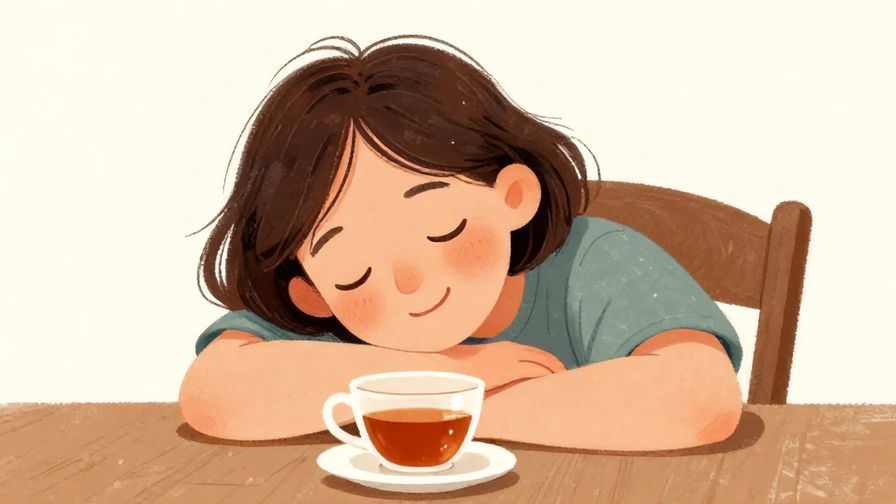
This phrase is a bit more poetic and emphasizes taking a moment to breathe.
“Hitoiki” means “one breath,” and “ireyō” is the volitional form of “ireru” (to insert or take), so it’s like saying “Let’s insert a breath.”
It’s a great phrase for a quick mental or physical pause, especially when things feel a bit hectic.
The “chotto” keeps it casual and light-hearted.
You can use this with friends or colleagues when you want to suggest a peaceful break.
It’s a lovely way to remind someone (or yourself) to slow down a bit.
4. ちょっと休憩タイム (Chotto kyuukei taimu) – “Let’s have a break time.”

This phrase mixes Japanese and English (“taimu” = “time”) for a casual, trendy feel.
It’s popular among younger people and sounds energetic yet relaxed.
“Chotto” again softens the suggestion, making it feel like a fun moment rather than a heavy pause.
It’s easy to drop in casual conversations, especially in social settings like cafés or study groups.
Just remember it’s quite informal, so it’s best used with friends or peers.
Try it out during your next friendly hangout to sound approachable and modern.
5. ちょっと休ませて (Chotto yasumasete) – “Let me take a short break.”
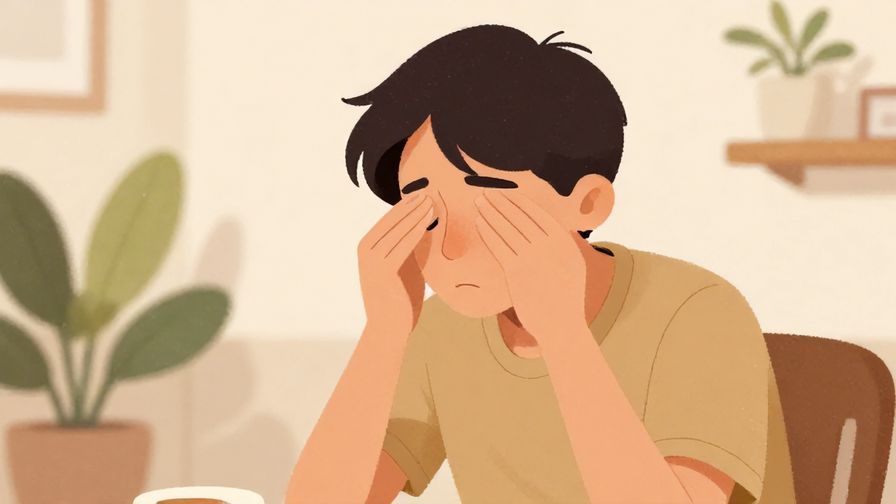
This is a casual way to ask for a break for yourself.
“Yasumasete” is the te-form plus “kureru” construction meaning “let me rest.”
It’s polite enough for casual work situations and shows you’re taking responsibility for your own well-being.
Perfect when you want to politely excuse yourself for a moment without making a big fuss.
You can use this with coworkers or friends who understand your need to pause.
It’s a subtle but clear way to communicate that you need a breather.
6. ちょっと休もうか (Chotto yasumou ka) – “Shall we take a little break?”

This is a casual, inclusive way to suggest a break, inviting the other person’s input.
The “ka” at the end turns it into a question, softening the invitation.
It’s great for situations where you want to be polite but still casual and collaborative.
“Chotto” keeps the tone light, so it’s not too heavy or commanding.
Use this when you want to check in with your teammates or friends before pausing.
This phrase encourages shared decision-making in a friendly way.
7. 一休みしよう (Hito yasumi shiyou) – “Let’s have a short rest.”

This phrase focuses on a “brief rest” and feels gentle and natural.
“Hito” means “one,” and “yasumi” means “rest,” so it’s a short pause you’re inviting.
“Shiyou” is “let’s do,” making it an easy suggestion.
This is perfect for outdoors or informal breaks when you want to sound caring and warm.
It’s especially useful when you want to slow down and enjoy a moment of calm.
Try this phrase when you’re out for a walk or a relaxed meetup.
8. ちょっと休憩しよっか (Chotto kyuukei shiyokka) – “Shall we take a short break?” (casual)
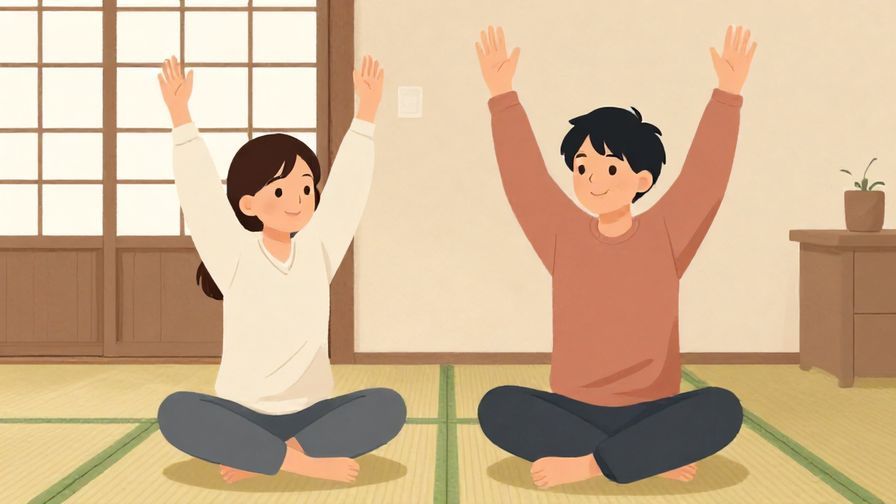
This is a casual, friendly way to suggest a break, common among close friends.
The ending “shiyokka” is a soft invitation, less formal than “shiyou ka.”
It sounds warm and inviting, perfect for informal settings.
Use it when you want to keep the mood light and relaxed.
It’s easy to remember because of the familiar “chotto” and “kyuukei.”
Perfect for study sessions or casual hangouts.
Part 2: Polite & Formal Suggestions
9. 少し休憩しませんか? (Sukoshi kyuukei shimasen ka?) – “Shall we take a short break?” (polite)

This is a polite, respectful way to suggest a break in formal or professional settings.
“Sukoshi” means “a little,” and “shimasen ka” is the negative question form of “to do,” making it a polite invitation.
It’s great for work meetings or formal gatherings.
Using this phrase shows consideration and respect for others’ opinions.
It’s a bit more formal than casual phrases but still warm.
Try this in situations where you want to maintain professionalism but still be friendly.
10. 休憩を取りましょうか? (Kyuukei o torimashou ka?) – “Shall we take a break?” (formal)

This phrase is formal and polite, perfect for business environments.
“Torimashou” is the volitional form of “toru” (to take), making it “let’s take.”
It’s often used by supervisors or team leaders to suggest a break.
It sounds professional and clear, leaving no room for ambiguity.
You can use this phrase to lead a group break with respect and clarity.
It’s a phrase that balances authority and kindness.
11. ちょっと休憩をいただけますか? (Chotto kyuukei o itadakemasu ka?) – “May I have a short break?” (very polite)

This is a very polite, humble way to ask for a break yourself.
“Itadakemasu ka” is a humble request meaning “may I receive.”
It’s suitable for formal workplaces or when speaking to superiors.
Using this phrase shows great respect while still making your need clear.
It’s a bit long but very effective for formal situations.
Try this if you want to sound extra courteous while requesting rest.
12. 少し休ませていただけますか? (Sukoshi yasumasete itadakemasu ka?) – “Could you allow me a short rest?” (very polite)

This phrase combines humility and politeness, perfect for formal requests.
“Yasumasete itadakemasu ka” means “Could you let me rest?” in a very respectful way.
It’s appropriate for formal conversations with supervisors or clients.
Using this shows you are considerate about others while expressing your need.
It can be a bit formal for casual settings but very effective professionally.
Use this phrase when you want to maintain deference and clarity.
13. ちょっとお休みしましょうか? (Chotto oyasumi shimashou ka?) – “Shall we take a short rest?” (formal)

This is a polite and slightly formal way to suggest a break.
“Oyasumi” adds an honorific “o,” making the phrase more respectful.
It’s ideal for polite group settings where you want to be considerate.
Using the volitional “shimashou ka” invites agreement softly.
It’s a good balance between friendliness and formality.
Try this when you want to keep things smooth and respectful.
14. 少し休憩をはさみましょう (Sukoshi kyuukei o hasamimashou) – “Let’s insert a short break.” (polite)

This phrase is polite and a bit more descriptive.
“Hasamimashou” means “let’s insert,” implying a break within ongoing work.
It’s perfect for formal meetings or study groups.
Using this phrase feels organized and thoughtful.
It’s slightly formal but still approachable.
Use it to suggest a well-timed pause during activities.
15. ちょっと一息入れませんか? (Chotto hitoiki iremasen ka?) – “Shall we take a breather?” (polite)

A polite, gentle invitation to take a moment to breathe.
“Iremasen ka” is the negative question form, making it a polite suggestion.
It’s great for moments when you want to encourage others to relax without pressure.
Using “hitoiki” adds a poetic touch.
It’s perfect for thoughtful pauses during busy days.
Try this when leading or joining polite conversations.
16. 少しお時間をいただけますか? (Sukoshi ojikan o itadakemasu ka?) – “May I have a little time?” (formal)

This phrase is very polite and indirect, suitable for formal requests.
“Ojikan” means “time” with honorific “o,” and “itadakemasu ka” is a humble request.
It’s a soft way to ask for a break without explicitly saying “break.”
Using this phrase shows high respect and professionalism.
It’s perfect when speaking to clients or senior managers.
Use it to politely negotiate a short pause in formal settings.
Part 3: Very Casual / Native-like Expressions
17. 休憩しよ! (Kyuukei shiyo!) – “Let’s take a break!” (super casual)

This is a super casual and friendly way to say “Let’s take a break.”
“Shiyo” is the casual volitional form, dropping the polite ending for a native vibe.
It’s perfect for close friends or informal groups.
Using this makes you sound relaxed and very natural.
It’s easy to remember and great for daily use.
Try this phrase when hanging out with people you are comfortable with.
18. ちょっと休もっか (Chotto yasumokka) – “Shall we take a little break?” (very casual)
This is a very casual and native-like way to invite a break.
The ending “-kka” softens it into a friendly question.
“Yasumokka” is an informal contraction of “yasumou ka.”
It sounds warm and spontaneous, perfect for informal chats.
Great for everyday conversations with friends.
Use it to keep the vibe light and easy-going.
19. ちょっと一休みしよっか (Chotto hito yasumi shiyokka) – “Let’s take a quick rest, okay?” (casual)

A native casual phrase combining “one rest” and a soft invitation.
“Shiyokka” adds a friendly tone, making it feel like a shared decision.
It’s perfect for informal breaks during outings or study sessions.
Using this phrase sounds natural and caring.
It’s easy to remember and use in everyday life.
Try this with friends when you want a gentle break suggestion.
20. ちょっとブレイクしよう (Chotto bureiku shiyou) – “Let’s take a break” (with English loanword)

This phrase uses the English loanword “bureiku” for “break.”
It’s casual and trendy, popular with younger Japanese speakers.
“Shiyou” makes it an inviting suggestion.
It’s great to sound modern and relaxed.
Use it in casual social situations like cafés or study groups.
This phrase is easy to remember thanks to the English influence.
21. ちょっと休憩入れよ (Chotto kyuukei ireyō) – “Let’s put in a short break.” (casual)

This is a casual way to say “Let’s take a break,” emphasizing inserting it into your routine.
“Ireyō” is the volitional form of “ireru” meaning “to insert.”
It sounds native and is often used in work or study contexts.
It’s a friendly, informal phrase that feels proactive.
Try this with colleagues or friends to keep things smooth.
It’s a handy phrase that makes breaks sound natural.
22. ちょっと休もうぜ (Chotto yasumou ze) – “Let’s take a break!” (very casual, masculine)

This is a very casual, masculine phrase often used among close male friends.
“Ze” adds a strong, informal emphasis to “let’s.”
It’s great for relaxed, friendly settings.
It sounds confident and playful.
Use this only in very casual male group conversations.
Perfect for sounding natural and laid-back with buddies.
Concluding Thought
Exploring these 22 ways to say “Let’s take a break” in Japanese shows how rich and varied everyday expressions can be.
Whether you want to be casual, polite, or sound like a native, there’s a phrase here to match your mood and setting.
Next time you feel the need to pause, try one of these warm, friendly phrases to connect deeper and relax authentically.