22 Japanese ways to say “Let’s make up”
Sometimes, making up after a disagreement feels just as important as the conflict itself. In Japanese, there are many warm and expressive ways to say “Let’s make up,” each carrying its own nuance and charm.
Whether you want to sound casual, polite, or very natural, this list has got you covered. These phrases can help you reconnect smoothly and meaningfully.
Learning these expressions not only improves your language skills but also deepens your understanding of Japanese culture and communication styles.
Ready to explore 22 beautiful ways to say “Let’s make up” in Japanese? Let’s dive in and add some heartfelt phrases to your vocabulary!
These variations will help you express your feelings in just the right tone, whether you’re speaking to friends, family, or someone special.
By the end, you’ll feel more confident to mend fences with kindness and warmth, no matter the situation.
Understanding the Heart of “Let’s Make Up” in Japanese
Before jumping into the phrases, it’s good to know that Japanese offers a broad range of ways to soften or emphasize your intention to reconcile.
Some expressions are casual and friendly, while others lean toward polite and formal—perfect for different relationships and settings.
Each phrase here comes with pronunciation tips and explanations, so you can use them naturally and confidently.

If you want to start with the basics, a great Japanese phrasebook can be a handy companion to get you going.
Let’s explore how you can turn a difficult moment into a sweet one with just a few words.
It’s easier than you think to express your desire to make amends in Japanese!
Part 1: Casual Suggestions
1. 仲直りしよう (Nakanaori shiyou) – “Let’s make up.”

This is the most straightforward and casual way to say “Let’s make up.”
“仲直り” (Nakanaori) means “reconciliation” or “making up,” and “しよう” (shiyou) is the volitional form of “to do,” making this phrase a friendly suggestion.
It’s perfect to use with friends or people you are close to without too much formality.
Just say it warmly, and it’s like extending a hand to fix things.
Related phrases like “仲直りできる?” (Nakanaori dekiru? – “Can we make up?”) add a question form if you want to be more gentle.
Try using this phrase next time to break the ice and bring back harmony quickly.
2. ごめんね、仲直りしよう (Gomen ne, nakanaori shiyou) – “Sorry, let’s make up.”

This phrase adds a heartfelt apology before suggesting to make up.
“ごめんね” (Gomen ne) means “Sorry,” with a soft, casual tone, perfect for friends or family.
It shows humility and a desire to fix things, which makes your intention clear and sincere.
Don’t rush when you say it—let your tone carry the warmth.
Using “ごめんね” instead of the formal “ごめんなさい” keeps it friendly and approachable.
This phrase works well if you feel responsible and want to ease tensions gently.
3. 許して、仲直りしよう (Yurushite, nakanaori shiyou) – “Please forgive me, let’s make up.”
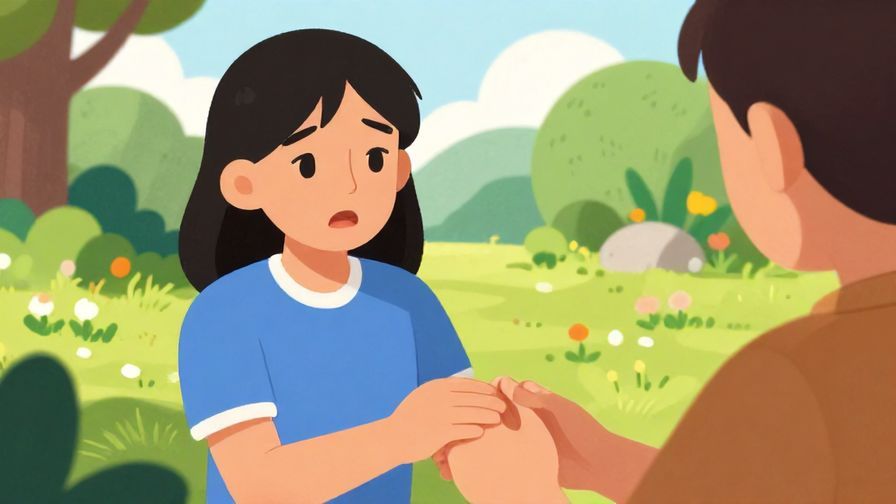
Here, “許して” (Yurushite) means “forgive me,” adding a more earnest tone to your request.
This phrase is slightly stronger than “ごめんね” and shows deep regret.
It’s great when the disagreement was more serious, and you want to express sincere remorse.
Remember to keep your voice soft and sincere—it’s about healing, not just words.
You can use this with close friends or loved ones where respect matters but formality isn’t necessary.
Pairing “許して” with “仲直りしよう” makes your desire to reconcile very clear.
4. もう一度やり直そう (Mou ichido yarinaosou) – “Let’s start over again.”

This phrase literally means “Let’s do it over again,” suggesting a fresh start.
“もう一度” (Mou ichido) means “once more” and “やり直そう” (yarinaosou) is the volitional form of “to redo.”
It’s casual but hopeful, focusing on moving past the conflict.
Use it when you want to reset the relationship positively and optimistically.
It’s especially nice if you want to avoid dwelling on the past and look forward together.
Try this phrase when you’re ready to embrace a clean slate.
5. 元に戻ろう (Moto ni modorou) – “Let’s go back to how we were.”

“元に戻ろう” (Moto ni modorou) means “Let’s return to the original state.”
This phrase suggests going back to the good relationship you had before.
It’s casual and implies that the fight or misunderstanding was temporary.
Use it to reassure the other person you want things as they were.
It’s a gentle way to invite reconciliation without making a big deal.
Perfect for friends or partners who want to heal quickly.
6. 仲良くしよう (Nakayoku shiyou) – “Let’s get along.”

This phrase literally means “Let’s be friendly (with each other).”
“仲良く” (Nakayoku) means “on good terms” and “しよう” is “let’s do.”
It’s very casual, lighthearted, and perfect for patching things up in a friendly way.
Say it with a smile to keep things warm and relaxed.
It’s great for use among friends, classmates, or colleagues.
It’s a gentle invitation to reset the vibe and enjoy each other’s company.
7. もう一度友達になろう (Mou ichido tomodachi ni narou) – “Let’s be friends again.”

This phrase is perfect when the relationship feels like it needs a restart.
“もう一度” (Mou ichido) means “once more,” and “友達になろう” (tomodachi ni narou) means “let’s become friends.”
It’s casual and sincere, great after a misunderstanding with a friend.
It’s a hopeful expression that values the relationship a lot.
It’s a sweet way to say you want to rebuild trust and connection.
Use it to soften the mood and invite friendship anew.
8. いい加減にしよう (Ii kagen ni shiyou) – “Let’s stop this nonsense.”

This phrase is a bit playful and casual, meaning “Let’s stop messing around.”
“いい加減にしよう” (Ii kagen ni shiyou) implies it’s time to end the petty argument and be reasonable.
It’s great for close friends or siblings who like to tease each other.
Use it with a smile to lighten the mood and move on.
It’s a fun way to say “Let’s make up” without sounding too serious.
Perfect for relationships where humor helps heal wounds.
Part 2: Polite & Formal Suggestions
9. 仲直りしましょう (Nakanaori shimashou) – “Let’s make up.” (Polite)
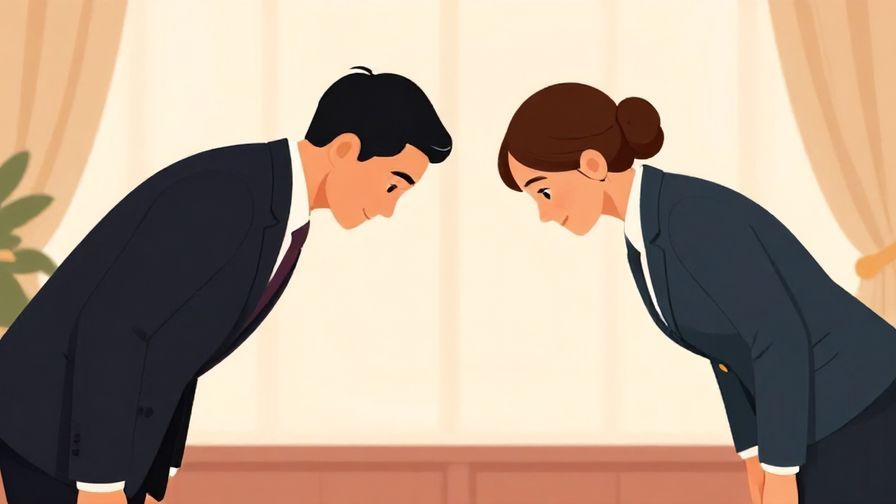
This is the polite version of “仲直りしよう.”
“しましょう” (shimashou) is the polite volitional form of “to do,” which makes this phrase respectful and suitable for coworkers or acquaintances.
It’s a good choice when you want to keep things formal but still express your wish to reconcile.
Use it in situations where you want to maintain harmony without being too casual.
Adding a slight bow when saying this shows sincerity and respect.
This phrase helps you mend fences gracefully in professional or polite social contexts.
10. お詫びしたいです、仲直りしましょう (Owabi shitai desu, nakanaori shimashou) – “I want to apologize, let’s make up.”

“お詫びしたいです” (Owabi shitai desu) means “I want to apologize,” very polite and formal.
Combining this with “仲直りしましょう” softens the request and shows deep respect.
It’s perfect when you want to sincerely apologize in a formal relationship.
Use it with gentle tone and appropriate body language for best effect.
This phrase works well in workplace conflicts or with older people.
Showing humility this way encourages forgiveness and harmony.
11. どうか許してください、一緒に仲直りしましょう (Douka yurushite kudasai, issho ni nakanaori shimashou) – “Please forgive me, let’s make up together.”
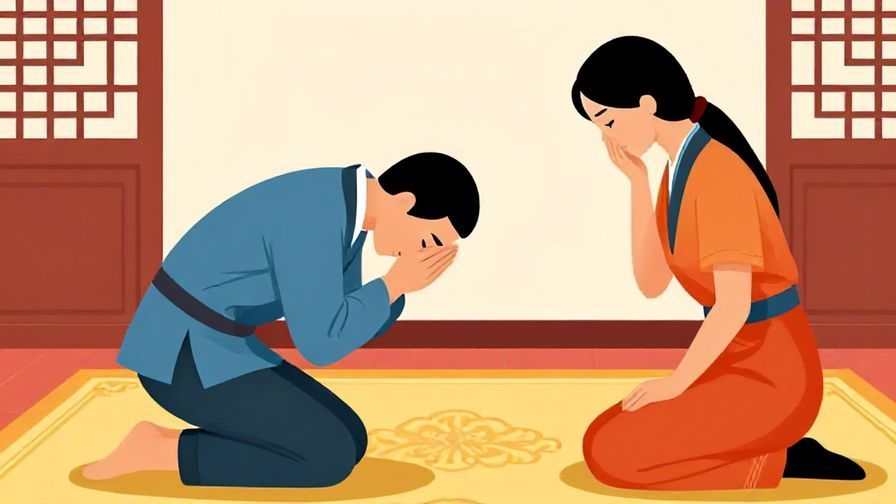
“どうか許してください” (Douka yurushite kudasai) is a very polite and humble way to say “Please forgive me.”
Adding “一緒に仲直りしましょう” (issho ni nakanaori shimashou) means “let’s make up together,” emphasizing unity.
It’s a formal but heartfelt expression for serious apologies.
Use it in sensitive situations where you want to show deep respect and commitment to reconciliation.
It’s often used in family or business contexts where decorum matters.
Expressing this phrase with sincerity can mend even difficult relationships.
12. これからも仲良くしてください (Kore kara mo nakayoku shite kudasai) – “Please continue to get along with me.”

This phrase is a polite request to maintain a good relationship going forward.
“これからも” (Kore kara mo) means “from now on as well,” and “仲良くしてください” asks the other person kindly to keep being friendly.
It’s a positive and hopeful way to suggest making up without mentioning the conflict directly.
Use it in formal or polite situations when you want to restore peace gently.
This phrase works well after apologizing or when rebuilding trust.
It’s an excellent way to show you value the relationship long-term.
13. お許しください、仲直りいたしましょう (O-yurushi kudasai, nakanaori itashimashou) – “Please forgive me, let’s reconcile.” (Very formal)

This is a very formal and respectful phrase.
“お許しください” (O-yurushi kudasai) is a humble “please forgive me,” and “仲直りいたしましょう” (nakanaori itashimashou) is a very polite “let’s reconcile.”
It’s suitable for serious situations, like formal apologies in business or with elders.
Using the humble verb “いたす” (itasu) adds extra politeness.
It’s best used when you want to show utmost respect and humility.
This phrase can help restore harmony in delicate or important relationships.
14. 心から謝ります、仲良くしましょう (Kokoro kara ayamarimasu, nakayoku shimashou) – “I sincerely apologize, let’s get along.”

This phrase expresses a heartfelt apology and a wish to get along well again.
“心から謝ります” (Kokoro kara ayamarimasu) means “I apologize from the heart.”
“仲良くしましょう” (Nakayoku shimashou) invites the other to resume a friendly relationship.
It’s polite but warm, suitable for family, friends, or polite acquaintances.
Use this to show genuine regret and a hopeful desire for peace.
It’s a lovely way to express both apology and reconciliation at once.
15. 争いを終わらせましょう (Arasoi o owarasemashou) – “Let’s end this conflict.”

This phrase directly addresses ending a fight or conflict.
“争い” (Arasoi) means “conflict” or “dispute,” and “終わらせましょう” (owarasemashou) means “let’s end.”
It’s polite but firm, great when you want to resolve things clearly.
Use it when the disagreement has been going on too long and you want to stop it respectfully.
It’s less casual, so use it with people you want to keep good relations with but need to be serious.
This phrase signals your readiness to move forward peacefully.
16. 和解しましょう (Wakai shimashou) – “Let’s reconcile.”

“和解” (Wakai) means “reconciliation,” and adding “しましょう” makes it a polite suggestion.
This is a formal phrase used to indicate making peace or settling differences.
It’s often used in legal or business contexts but can be polite in personal situations too.
Use it when you want to sound respectful and serious about making up.
It’s a concise and clear way to express your intention to reconcile.
Perfect if you want a phrase that sounds mature and thoughtful.
Part 3: Very Casual / Native-like Expressions
17. よう、仲直りしようぜ! (You, nakanaori shiyou ze!) – “Hey, let’s make up!” (Very casual, male)

This is a very casual, masculine way to say “Let’s make up.”
“よう” (You) is a casual “hey,” and “しようぜ” adds a rough, friendly emphasis.
It’s perfect for close male friends or younger people in informal settings.
Use it with confidence but only with people you know well.
This phrase carries a tone of camaraderie and lightheartedness.
It’s a fun way to patch things up without sounding too serious.
18. もう仲直りしようよ (Mou nakanaori shiyou yo) – “Let’s just make up already.”

This phrase uses “もう” (mou) to imply “already,” adding a gentle push to make up.
“しようよ” (shiyou yo) is a soft suggestion with a friendly tone.
It’s very natural and often used by native speakers to encourage reconciliation.
Use it when you feel the delay in making up has gone on too long.
It’s casual but warm, suitable for friends or close relationships.
Perfect for nudging someone toward peace without pressure.
19. なんかさ、仲直りしようか? (Nanka sa, nakanaori shiyou ka?) – “Hey, shall we make up?”

“なんかさ” (Nanka sa) is a casual filler like “hey” or “you know,” making it very conversational.
“仲直りしようか?” (Nakanaori shiyou ka?) is a casual question asking if you should make up.
This phrase sounds very natural and is often used when you want to gently break the ice.
It shows hesitation but also a sincere wish to reconcile.
Use it with close friends or people you feel comfortable being informal with.
It’s a relaxed way to open the door to making up.
20. もうケンカやめようぜ (Mou kenka yameyou ze) – “Let’s stop fighting already.”

This casual phrase literally means “Let’s stop fighting already.”
“ケンカ” (Kenka) means “fight,” and “やめようぜ” (yameyou ze) is a friendly command to “stop.”
It’s informal and best used with friends or siblings.
Use it to lighten the mood and show you want peace without pretense.
It’s direct but playful, making it easier to say after a silly argument.
This phrase helps release tension and encourage harmony fast.
21. もういいよ、仲直りしよう (Mou ii yo, nakanaori shiyou) – “It’s okay now, let’s make up.”

This phrase means “It’s okay now” followed by “let’s make up.”
“もういいよ” (Mou ii yo) is a forgiving expression meaning “It’s fine now.”
It’s casual and warm, showing you’re ready to move past the conflict.
Use it when you want to express forgiveness and invite reconciliation gently.
It’s great for friends or partners after a small misunderstanding.
This phrase helps smooth over awkwardness and restart on good terms.
22. さあ、仲直りしよっか! (Saa, nakanaori shiyokka!) – “Come on, let’s make up!”

“さあ” (Saa) is a casual interjection like “come on” or “well then.”
“仲直りしよっか” (nakanaori shiyokka) is a friendly, casual way to suggest making up.
It sounds very natural and upbeat, perfect for close friends or partners.
Use it to encourage reconciliation with positive energy and warmth.
This phrase is full of friendly enthusiasm and hope for peace.
It’s a great way to cheerfully close the distance after a fight.
Concluding Thought
Making up is an art, and Japanese offers countless expressions to help you do it with the right tone and warmth.
Whether you want to be casual, polite, or native-like, these 22 phrases provide the words you need to heal and reconnect.
Remember, the true power lies not only in the words but in the sincerity behind them. So go ahead, use these phrases, and bring harmony back to your relationships with kindness and confidence!