22 Japanese ways to say “Let bygones be bygones”
We all have moments when holding onto past grievances just isn’t worth it. Sometimes, the best thing is to simply move on and let the past be the past.
In Japanese, there are many warm and nuanced ways to express this idea — “let bygones be bygones.”
Whether you’re smoothing over a friendship or handling a delicate social situation, knowing these phrases can help you communicate forgiveness and peace.
This list will take you through 22 Japanese expressions, from casual to formal, perfect for everyday life or special moments.
Understanding these can deepen your grasp of Japanese culture’s beautiful approach to harmony and reconciliation.
Ready to let go and embrace new beginnings? Let’s dive in!
Understanding the Spirit of Forgiveness in Japanese
In Japanese culture, harmony (和, wa, wah) is highly valued, so many expressions revolve around restoring peace.
These phrases often reflect subtlety and respect, which makes them perfect for different social settings.
Learning these can not only help you speak better but also understand the cultural mindset behind forgiveness.
If you’re just starting out, a beginner phrasebook can be a great companion to practice these phrases in context.
It’s easier than you think to express forgiveness and friendliness in Japanese!
Let’s explore the first set of phrases that you can use casually with friends or family.
Part 1: Casual Suggestions
1. 水に流す (Mizu ni nagasu) – “Let it flow like water.”
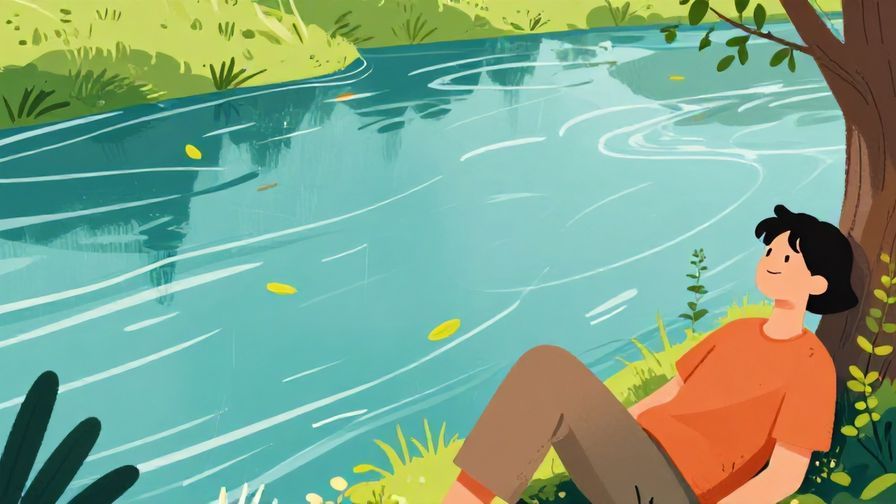
This is the most common phrase used to say “let bygones be bygones” in Japanese.
Literally, it means “to let things flow away like water,” implying that past troubles should be forgotten and allowed to pass.
It’s a gentle way to say you’re ready to forgive and move on, often used among friends and family.
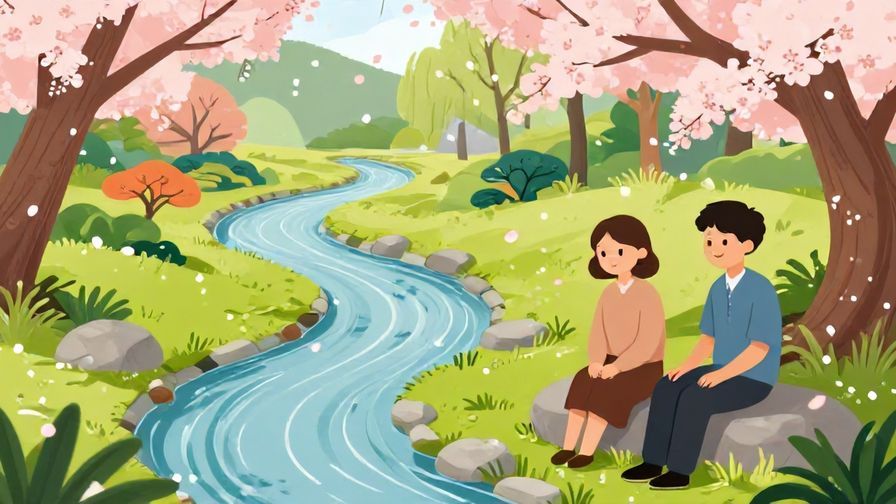
Think of it as releasing grudges down a peaceful stream.
It pairs well with phrases like “気にしないで” (Ki ni shinaide) meaning “don’t worry about it.”
Try using this next time you want to clear the air simply and kindly.
2. もう忘れよう (Mou wasureyou) – “Let’s forget it already.”

This phrase is a straightforward and casual way to say “let’s forget about it.”
You use “もう” (mou) to mean “already,” and “忘れよう” (wasureyou) is the volitional form of “forget,” which implies a joint decision.
It’s great for friends or close people when you want to wrap up a misunderstanding.
Be careful not to sound too abrupt; it works best when said warmly.
Example: After a small argument, you might say, “もう忘れようね” (Mou wasureyou ne) to soften it.
It’s a friendly way to invite healing and harmony.
3. 過去は過去 (Kako wa kako) – “The past is the past.”

This phrase literally means “the past is the past,” a simple way to express moving on.
It’s easy to remember because both “過去” (kako) mean “past,” reinforcing that what’s behind shouldn’t affect what’s ahead.
Use it casually among friends or family to indicate a fresh start.
It’s a gentle reminder to not dwell on old matters.
It can be paired with “新しいスタートをしよう” (Atarashii sutaato wo shiyou) meaning “let’s have a new start.”
Perfect for encouraging a positive mindset after conflict.
4. もういいよ (Mou ii yo) – “It’s okay now.”
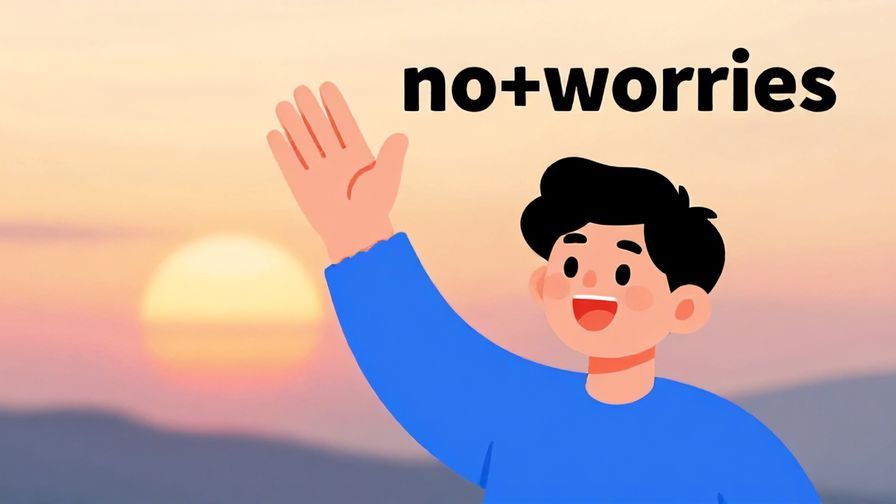
This phrase is super casual and comforting, meaning “it’s okay now” or “no problem.”
“もう” (mou) means “already,” and “いいよ” (ii yo) means “it’s good” or “fine.”
It’s perfect for quickly signaling forgiveness or that you don’t mind anymore.
It’s often used among close friends or siblings.
But be mindful—it’s informal and might feel too blunt in formal settings.
Use it to lighten the mood and show you’re genuinely okay with moving forward.
5. 気にしないで (Ki ni shinaide) – “Don’t worry about it.”
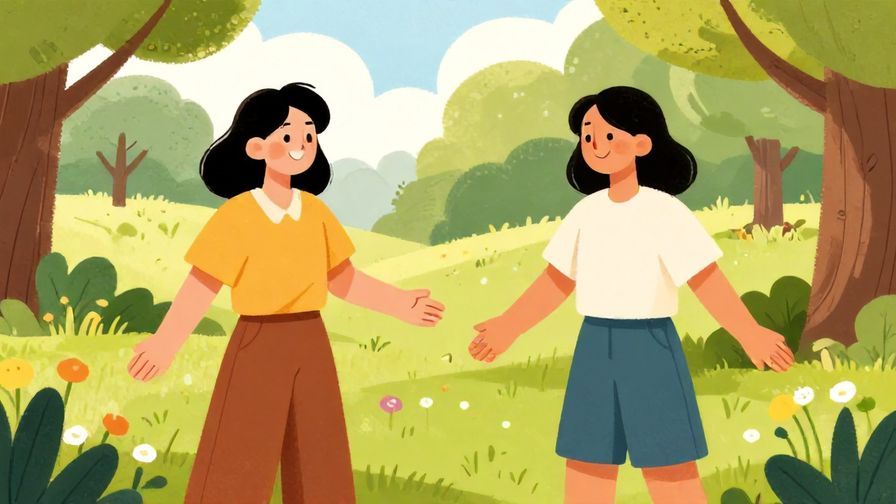
This phrase means “don’t worry” or “don’t mind,” a kind way to tell someone to let go of any hard feelings.
“気にする” (ki ni suru) means “to mind or worry,” and “しないで” (shinaide) is “don’t do.”
It’s easy to say and widely used in daily conversation.
It helps to reassure the other person that the past issue isn’t a problem.
Often paired with “大丈夫だよ” (daijoubu da yo) meaning “it’s okay” for extra warmth.
Use it to comfort and encourage forgiveness casually.
6. もう終わりにしよう (Mou owari ni shiyou) – “Let’s end it now.”

This phrase means “let’s finish or end it now,” suggesting both parties agree to move on.
“終わり” (owari) means “end,” and “にしよう” (ni shiyou) is the volitional form, “let’s do.”
It’s casual but stronger than some phrases, good for clearing up serious misunderstandings.
It implies mutual willingness to stop dwelling on the issue.
Use it when you want a clear closure but still keep things friendly.
It’s a confident step toward healing.
7. 過ぎたことは気にしない (Sugita koto wa ki ni shinai) – “Don’t worry about what’s past.”

This phrase literally says “don’t mind what has passed,” a clear way to express forgiveness or letting go.
“過ぎたこと” (sugita koto) means “things that have passed,” and “気にしない” (ki ni shinai) means “don’t worry.”
It’s casual but very expressive, perfect for reassuring someone after a conflict.
Good for everyday conversation among people who want to move forward.
Pair it with a smile to show sincerity.
It’s a great phrase to remind yourself, too, to not hold grudges.
8. もう悩まないで (Mou nayamanaide) – “Don’t worry anymore.”
This phrase encourages someone not to worry or stress about something anymore.
“悩む” (nayamu) means “to worry or be troubled,” and “ないで” (naide) means “don’t.”
Adding “もう” (mou) emphasizes it’s time to stop worrying.
It’s gentle and caring, often used with close friends or family.
It shows empathy and a wish for peace of mind.
Use this phrase to comfort and help someone move on emotionally.
Part 2: Polite & Formal Suggestions
9. 過去は忘れましょう (Kako wa wasuremashou) – “Let’s forget the past.”

This polite phrase means “let’s forget the past” and is perfect for formal situations.
“忘れましょう” (wasuremashou) is the polite volitional form of “forget,” inviting cooperation.
Use this in work or respectful conversations to suggest moving past a problem tactfully.
It’s warm yet professional, maintaining harmony without being too casual.
Pair with a sincere bow or smile to soften the tone.
This helps keep relationships smooth and respectful.
10. これまでのことは水に流しましょう (Koremade no koto wa mizu ni nagashimashou) – “Let’s let the past flow away like water.”
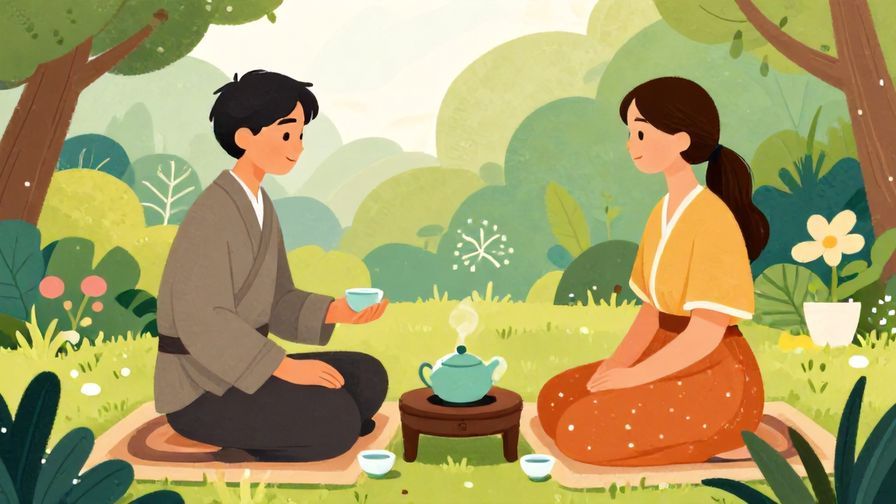
This is the polite version of “水に流す,” adding a respectful tone.
“しましょう” (shimashou) is the polite volitional form meaning “let’s do.”
Perfect for formal or semi-formal occasions where you want to express forgiveness gracefully.
The phrase beautifully connects nature imagery with letting go.
It’s often used among colleagues or acquaintances.
Use it to show you value harmony and mutual respect.
11. 許しましょう (Yurushimashou) – “Let’s forgive.”
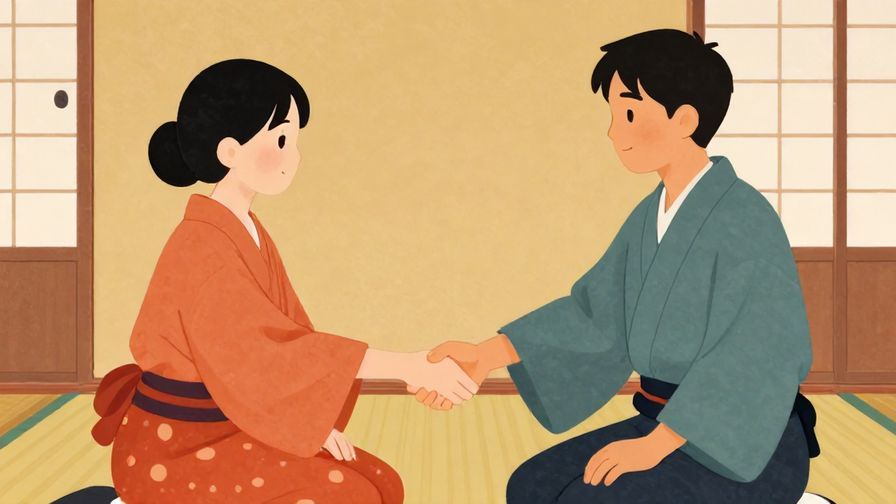
“許す” (yurusu) means “to forgive,” and the polite volitional “許しましょう” invites the other person to forgive together.
It’s straightforward and respectful, great for delicate situations requiring tact.
Use this phrase when you want to openly suggest forgiveness in a kind way.
It’s a positive step toward mending relationships formally.
Often combined with sincere apologies or explanations.
Try this in situations where you want to show maturity and goodwill.
12. もう気にしないでください (Mou ki ni shinaide kudasai) – “Please don’t worry anymore.”
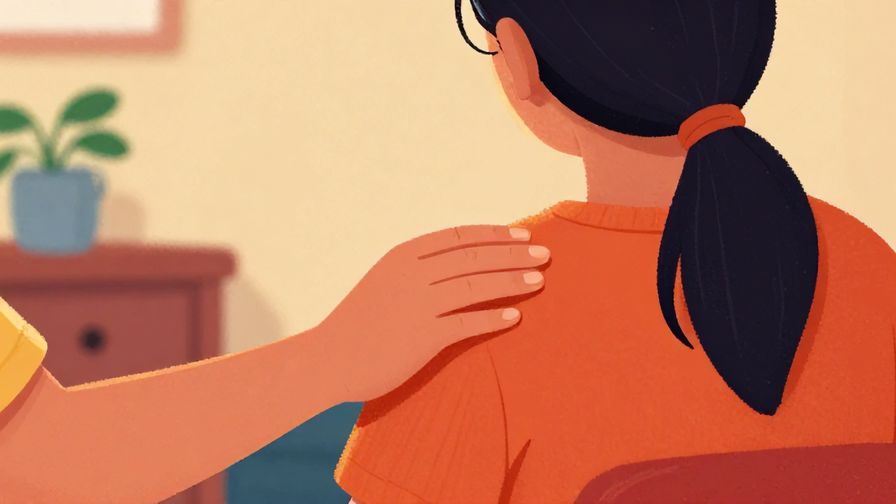
This is a polite way to tell someone “please don’t worry.”
Adding “ください” (kudasai) makes the phrase a polite request.
It’s perfect when you want to comfort someone respectfully.
Use it in formal or semi-formal settings, like with colleagues or elders.
It shows empathy while maintaining proper politeness.
Great for easing tension in conversations involving apologies or misunderstandings.
13. 過去のことは気にしません (Kako no koto wa ki ni shimasen) – “I don’t mind the past.”

This polite phrase states you don’t hold grudges about the past.
“気にしません” (ki ni shimasen) is the polite negative form of “to mind.”
It’s useful to reassure someone in formal conversations.
Helps build trust and show you’re ready to move on gracefully.
Often used after misunderstandings at work or formal gatherings.
This phrase strengthens professional and social bonds.
14. 今はもう過去を振り返りません (Ima wa mou kako wo furikaerimasen) – “Now I no longer look back at the past.”
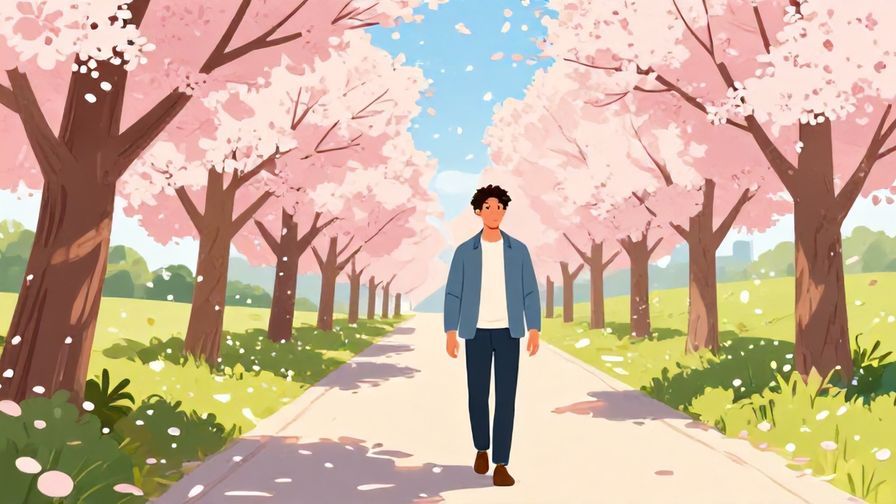
This formal phrase expresses a firm decision to stop dwelling on the past.
“振り返りません” (furikaerimasen) means “do not look back.”
It’s great for serious or heartfelt conversations.
Use it to emphasize your commitment to moving forward.
It’s a powerful phrase showing maturity and resolve.
Good for closing difficult chapters respectfully.
15. これ以上は言いません (Kore ijou wa iimasen) – “I won’t say anything more about it.”
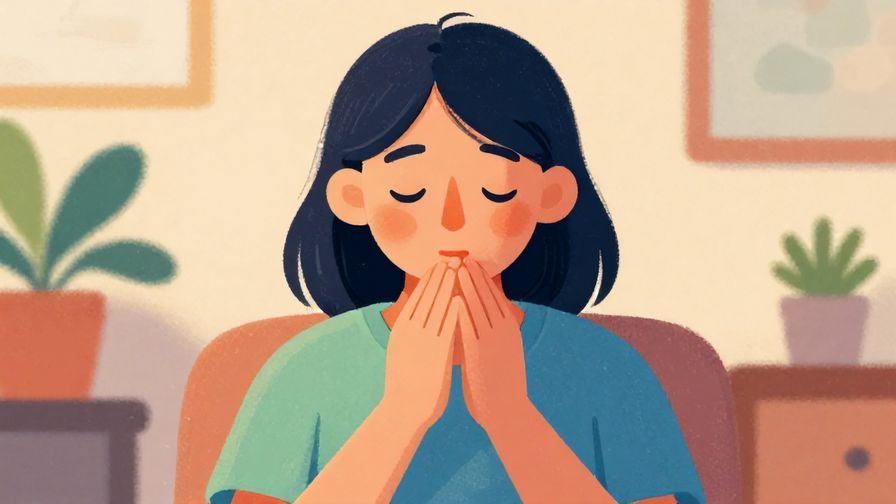
This phrase is a polite and respectful way to end a discussion on a sensitive topic.
“言いません” (iimasen) means “I won’t say,” and “これ以上” (kore ijou) means “anymore.”
It’s useful in formal settings to show you’re ready to move past the issue without conflict.
Use it to de-escalate and promote harmony.
It suggests maturity and a peaceful attitude.
Perfect for ending debates or misunderstandings politely.
16. 和解しましょう (Wakai shimashou) – “Let’s reconcile.”
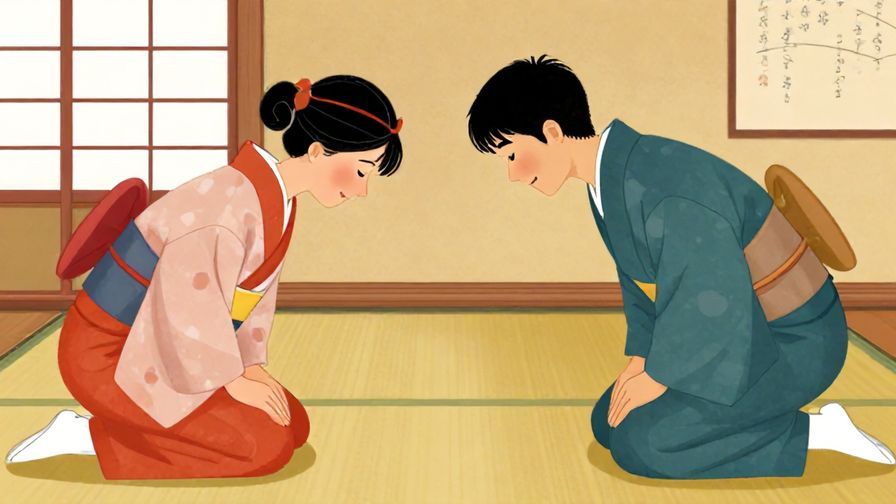
This is a formal phrase meaning “let’s reconcile” or “make peace.”
“和解” (wakai) means “reconciliation,” and “しましょう” (shimashou) invites cooperation politely.
Use it when you want to propose healing a relationship sincerely.
It’s perfect for serious or official matters.
Shows respect and a wish to restore good relations.
Try this when you want to express genuine goodwill in formal contexts.
Part 3: Very Casual / Native-like Expressions
17. もう気にすんなよ (Mou ki ni sunna yo) – “Don’t sweat it anymore.”

This is a very casual and informal way to say “don’t worry about it.”
“すんな” (sunna) is a slangy negative imperative form of “する” (suru), meaning “don’t do.”
Great among close friends or younger people to lighten the mood.
It’s relaxed and friendly but not suitable for formal or polite contexts.
Use it when you want to show you’re cool with whatever happened.
A perfect phrase for casual, native-like conversations.
18. もう過去はほっとこうぜ (Mou kako wa hottokou ze) – “Let’s just leave the past alone.”

This slangy phrase means “let’s leave the past alone” or “forget about it.”
“ほっとこう” (hottokou) comes from “放っておく” meaning “to leave alone.”
“ぜ” (ze) adds a masculine, casual emphasis.
Use it among close male friends or in very informal settings.
It’s a laid-back way to suggest no hard feelings.
Good for expressing “let it go” with a wink.
19. そんなこと気にすんな (Sonna koto ki ni sunna) – “Don’t worry about that stuff.”

Another casual, slangy phrase meaning “don’t worry about that.”
“そんなこと” (sonna koto) means “that kind of thing,” and “気にすんな” (ki ni sunna) is “don’t worry.”
Common among friends to dismiss small troubles easily.
It’s casual and relaxed, so avoid in formal contexts.
Use it to keep conversations light and friendly.
A great phrase to sound like a native speaker.
20. 水に流しちゃおう (Mizu ni nagashichao) – “Let’s just wash it away.”
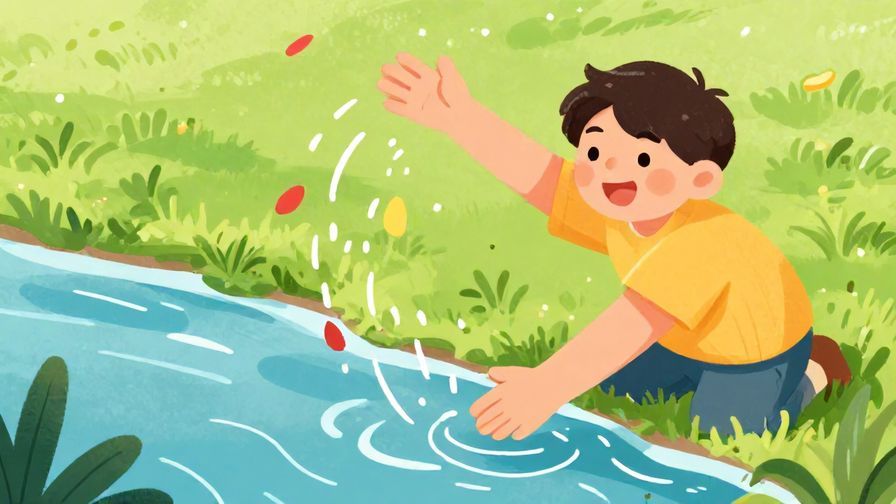
This is a very casual and affectionate version of “水に流す.”
Adding “ちゃおう” (chao) makes it playful and inviting.
Use it among close friends or loved ones to suggest forgiveness warmly.
It’s fun and expressive, great for lightening tense moments.
Perfect for informal conversations when you want to move on cheerfully.
Try this to sound friendly and natural.
21. いい加減にしようぜ (Ii kagen ni shiyou ze) – “Let’s just drop it already.”

This phrase literally means “let’s stop messing around” or “drop it already.”
“いい加減に” (ii kagen ni) means “enough already,” and “しようぜ” (shiyou ze) is a casual “let’s do.”
It’s very casual and slightly rough, best for close male friends.
Use it when teasing someone about holding a grudge too long.
It’s playful but can sound blunt, so use wisely.
Great for native-like, casual banter.
22. 過去はもうどうでもいい (Kako wa mou dou demo ii) – “The past doesn’t matter anymore.”

This phrase means “the past doesn’t matter anymore” in a casual way.
“どうでもいい” (dou demo ii) means “doesn’t matter” or “whatever.”
It’s used among close friends or casual conversations.
Shows a carefree attitude about past troubles.
Good for encouraging yourself or others to move on freely.
Perfect for sounding relaxed and native-like.
Concluding Thought
Letting go of the past is a universal challenge, and Japanese offers many beautiful ways to express it.
From gentle metaphors like “水に流す” to casual slang like “気にすんなよ,” there’s a phrase for every relationship and mood.
Using these expressions can help you smooth over conflicts, deepen friendships, and embrace peace with a truly Japanese touch. So why not try one today and let bygones be bygones?