22 Japanese ways to say “Learn from your mistakes”
We all know that making mistakes is part of life, right? But in Japanese, there are so many thoughtful and encouraging ways to express the idea of “learning from your mistakes.”
Whether you’re studying the language or just looking for a fresh way to motivate yourself, these phrases are warm, relatable, and easy to remember.
In Japanese culture, embracing mistakes as opportunities to grow is deeply valued. So, it’s no surprise there are plenty of expressions capturing this mindset.
From casual everyday advice to polite wisdom, these 22 phrases will help you sound natural and kind to yourself and others.
Plus, you’ll get handy pronunciation guides and explanations to make sure you nail each phrase.
Ready to turn your slip-ups into stepping stones? Let’s dive into the wonderful world of Japanese phrases about learning from mistakes!
Understanding the Mindset Behind Learning from Mistakes
Before we jump into the list, it’s important to know why these phrases work so well.
Japanese often expresses concepts with a gentle, humble tone, making advice feel supportive rather than harsh.
That’s a perfect approach when talking about mistakes—it’s about encouragement, not blame.

Sometimes, using a great Japanese phrasebook for learners can give you a perfect starting point for a cohesive understanding.
These phrases also often combine idiomatic wisdom with simple words, making them memorable and meaningful.
Try to listen for the feeling behind the words, not just the literal meaning.
Part 1: Casual Suggestions
1. 失敗は成功のもと (Shippai wa seikou no moto) – “Failure is the foundation of success.”
This classic phrase is often used to remind yourself or others that mistakes lead to eventual success.
“失敗 (Shippai)” means “failure” or “mistake,” “成功 (Seikou)” is “success,” and “のもと (no moto)” means “foundation” or “source.”
Easy to remember because it rhymes and has clear imagery of building something new after falling.
Use it whenever you need a little boost after a slip-up.
You might hear this phrase in school or work settings to encourage persistence.
Remember, every mistake is just a stepping stone to your goals!
2. 反省する (Hansei suru) – “To reflect on one’s mistakes.”

“反省 (Hansei)” means to seriously reflect or reconsider your actions after a mistake.
Adding “する (suru)” makes it the verb “to reflect.”
It’s a humble way to say you’re learning from what went wrong.
Great for showing maturity in conversations about errors or when apologizing.
Try to say “失敗を反省しています (Shippai o hansei shiteimasu)” – “I’m reflecting on my mistake.”
This phrase is perfect for both personal growth and polite conversations.
3. 気をつける (Ki o tsukeru) – “To be careful / watchful.”
“気 (Ki)” means “spirit” or “mind,” and “つける (tsukeru)” means “to attach or pay attention.”
Together, they form “to be careful” or “to pay attention.”
After making a mistake, you might say “次は気をつけます (Tsugi wa ki o tsukemasu)” – “I’ll be more careful next time.”
It’s simple, practical, and shows you’re ready to learn by adjusting your actions.
Use this phrase in daily life, like after a small error at work or school.
It’s a positive way to acknowledge mistakes without dwelling on them.
4. 学ぶ (Manabu) – “To learn.”

The verb “学ぶ (Manabu)” means “to learn” in a broad sense.
It’s the root of many phrases about learning from experiences or mistakes.
Try combining it with “失敗 (shippai)” for “learning from failure” – “失敗から学ぶ (Shippai kara manabu).”
This phrase is straightforward and respectful, perfect for formal and informal use.
It’s a great phrase to keep in your toolkit as a learner or teacher.
Use it to emphasize the active process of gaining wisdom from errors.
5. 試練を乗り越える (Shiren o norikoeru) – “To overcome trials.”

“試練 (Shiren)” means “trial” or “ordeal,” and “乗り越える (Norikoeru)” means “to overcome.”
This phrase is a poetic way to say you learn and grow by pushing through difficulties.
Use it to encourage someone facing challenges or to describe your own experience.
It’s a bit more dramatic but very uplifting.
Try saying, “失敗は試練を乗り越えるチャンスです (Shippai wa shiren o norikoeru chansu desu)” – “Failure is a chance to overcome trials.”
This phrase highlights resilience as a key part of learning.
6. 失敗を恐れない (Shippai o osorenai) – “Don’t be afraid of failure.”

“恐れない (Osorenai)” means “do not fear.”
This phrase literally says, “Don’t fear mistakes,” encouraging a fearless attitude.
Great for motivating friends or yourself when trying something new.
It reminds us that mistakes are natural and not a reason to stop.
Use it when you want to push past hesitation or self-doubt.
It’s a simple but powerful mindset shift in any learning process.
7. 成功は失敗の積み重ね (Seikou wa shippai no tsumikasane) – “Success is a pile of failures.”

This phrase literally means that success comes from accumulating many mistakes.
“積み重ね (Tsumikasane)” means “pile” or “accumulation.”
It’s a comforting phrase that shows how every error adds to your growth.
Perfect when you want to acknowledge progress over time.
You can say, “成功は失敗の積み重ねだから諦めないで (Seikou wa shippai no tsumikasane dakara akiramenai de)” – “Success is a pile of failures, so don’t give up.”
Use it to remind yourself or others that patience is key.
8. ミスは成長のチャンス (Misu wa seichou no chansu) – “Mistakes are chances to grow.”

“ミス (Misu)” is the loanword for “mistake,” “成長 (Seichou)” means “growth,” and “チャンス (Chansu)” means “chance.”
This phrase is casual and easy to say, perfect for encouraging friends.
It’s a positive spin that turns errors into opportunities.
Try saying it when someone feels down about messing up.
It’s simple, modern, and very relatable.
Remember, every mistake is really just a chance to grow!
Part 2: Polite & Formal Suggestions
9. 失敗から学ぶことが大切です (Shippai kara manabu koto ga taisetsu desu) – “It is important to learn from mistakes.”

This formal phrase stresses the importance of learning from errors.
“大切 (Taisetsu)” means “important,” and the structure makes it polite.
Great for speeches, essays, or professional settings.
It can be used both to advise others and reflect on your own attitude.
Try adding it when discussing habits or goals in class or work.
This phrase shows seriousness and respect toward the learning process.
10. 過ちを認めて改善する (Ayamachi o mitomete kaizen suru) – “Acknowledge mistakes and improve.”

“過ち (Ayamachi)” means “mistake,” “認めて (Mitomete)” means “acknowledge,” and “改善する (Kaizen suru)” means “to improve.”
This phrase combines humility with action, perfect for formal conversations.
Use it when explaining how to handle errors responsibly.
It’s commonly used in business or formal apologies.
For example, “過ちを認めて改善することが重要です (Ayamachi o mitomete kaizen suru koto ga juuyou desu)” – “It is important to acknowledge mistakes and improve.”
Shows maturity and commitment to growth.
11. 失敗は成長の一部です (Shippai wa seichou no ichibu desu) – “Failure is part of growth.”
This phrase politely states that mistakes are a natural part of development.
“一部 (Ichibu)” means “a part.”
It’s a gentle reminder that no one grows without encountering errors.
Use it in formal advice or encouragement.
It’s a great phrase for teachers or mentors to share.
Helps normalize mistakes in any learning environment.
12. 失敗を恐れず挑戦し続ける (Shippai o osorezu chousen shi tsuzukeru) – “Keep challenging yourself without fear of failure.”

This formal phrase encourages perseverance despite mistakes.
“挑戦し続ける (Chousen shi tsuzukeru)” means “to keep challenging.”
Perfect for motivational speeches or serious self-reflection.
Use it to inspire others to not let fear hold them back.
It’s a powerful way to frame mistakes as part of courage.
Great for leaders, coaches, or anyone supporting growth.
13. 失敗を糧にする (Shippai o kate ni suru) – “Use failure as nourishment.”
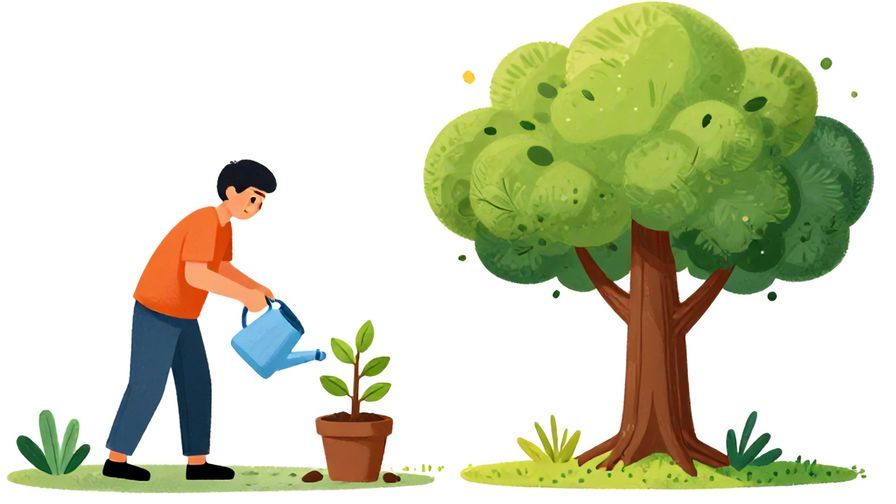
“糧にする (Kate ni suru)” means “to use as nourishment or food.”
This poetic phrase means you take your mistakes and turn them into strength.
It’s ideal for formal writing or philosophical conversation.
Try it in sentences like, “失敗を糧にして前に進みましょう (Shippai o kate ni shite mae ni susumimashou)” – “Let’s move forward using failure as nourishment.”
It illustrates the idea that mistakes feed our growth.
Use it when you want to sound thoughtful and encouraging.
14. 経験から学ぶ (Keiken kara manabu) – “Learn from experience.”

“経験 (Keiken)” means “experience.”
This phrase is a polite way to say you learn from what you’ve been through, including mistakes.
It’s versatile and can be used in many contexts, from business to casual.
Try to say, “経験から学ぶことが大切です (Keiken kara manabu koto ga taisetsu desu)” – “It’s important to learn from experience.”
This phrase highlights the value of practical knowledge over just theory.
Great for polite conversations about growth.
15. 間違いを正す (Machigai o tadasu) – “To correct a mistake.”
“間違い (Machigai)” means “mistake,” and “正す (Tadasu)” means “to correct.”
This phrase is formal and emphasizes taking action after an error.
Use it when you want to say you’re fixing what went wrong.
Often used in professional or educational contexts.
Example: “間違いを正して次に活かす (Machigai o tadashite tsugi ni ikasu)” – “Correct mistakes and use them next time.”
It’s about responsible learning and improvement.
16. 失敗は次へのステップ (Shippai wa tsugi e no suteppu) – “Mistakes are steps to the next.”
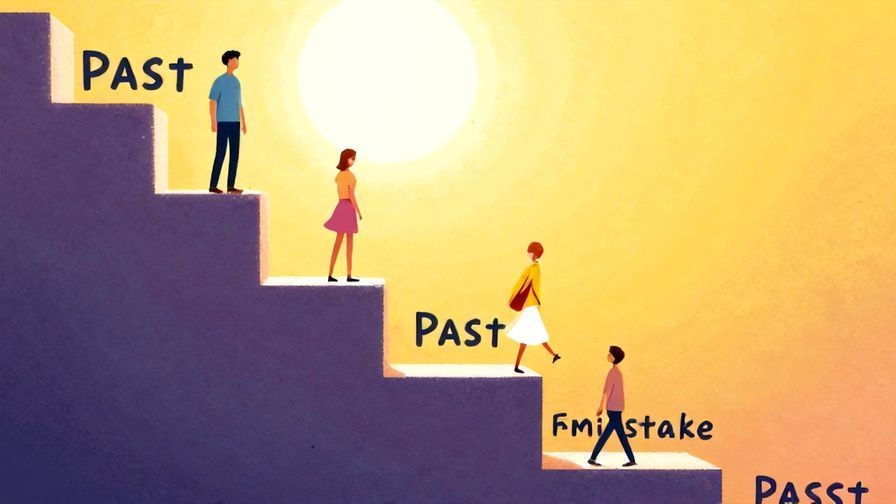
This phrase politely expresses that mistakes help you move forward.
“次へのステップ (Tsugi e no suteppu)” means “steps to the next (stage).”
It’s a hopeful and formal way to look at errors.
Use it in speeches, essays, or professional talks.
Try, “失敗は次へのステップだから恐れないでください (Shippai wa tsugi e no suteppu dakara osorenaide kudasai)” – “Mistakes are steps to the next, so please don’t be afraid.”
This phrase gently encourages progress over perfection.
Part 3: Very Casual / Native-like Expressions
17. ま、いっか (Ma, ikka) – “Well, it’s fine.”

This casual phrase is a friendly way to brush off small mistakes.
“ま (Ma)” is a soft hesitation, and “いっか (Iikka)” means “it’s okay.”
Perfect for everyday life to keep a lighthearted attitude.
Use it with friends when you don’t want to stress about errors.
It’s like saying, “No big deal!”
Great for keeping things chill and positive.
18. やっちゃった (Yacchatta) – “I messed up.”
This is a very casual and native way to admit a mistake.
“やっちゃった (Yacchatta)” is a slangy past tense of “to do,” with a tone of “Oops, I did it.”
It’s often used playfully among friends or family.
Good for lightening the mood when you slip up.
Try saying it with a smile to keep things friendly.
It’s a great phrase to sound natural and relatable.
19. 失敗しても大丈夫 (Shippai shitemo daijoubu) – “It’s okay even if you fail.”

This casual phrase reassures that mistakes aren’t the end of the world.
“大丈夫 (Daijoubu)” means “okay” or “alright.”
Use it when comforting someone who’s upset about messing up.
It’s friendly and supportive.
Try, “失敗しても大丈夫、次があるよ (Shippai shitemo daijoubu, tsugi ga aru yo)” – “It’s okay to fail, there’s always next time.”
Perfect for casual encouragement.
20. 次は頑張ろう (Tsugi wa ganbarou) – “Let’s do our best next time.”

This phrase casually encourages a fresh start after a mistake.
“頑張ろう (Ganbarou)” means “let’s do our best.”
It’s uplifting and commonly used among peers.
Great for moving forward with a positive attitude.
Use it after “やっちゃった” or “失敗した” to shift focus forward.
It’s a natural way to keep motivation high.
21. 失敗は次の成功の種 (Shippai wa tsugi no seikou no tane) – “Failure is the seed of next success.”

This casual yet poetic phrase compares mistakes to seeds for future success.
“種 (Tane)” means “seed.”
Use it to inspire hope and growth in a friendly way.
It’s a lovely metaphor that many Japanese people appreciate.
Perfect for texts, conversations, or social media.
Try it to sound thoughtful but approachable.
22. 失敗しなきゃ成長しない (Shippai shinakya seichou shinai) – “No failure, no growth.”

This modern phrase is a straightforward way to say you must fail to grow.
“しなきゃ (Shinakya)” is a casual contraction of “しなければ (shinakereba),” meaning “if you don’t do.”
It’s a common motivational phrase among young people.
Use it to sound confident and real.
Try saying, “失敗しなきゃ成長しないから怖がらないで (Shippai shinakya seichou shinai kara kowagaranai de)” – “You won’t grow without failure, so don’t be scared.”
It’s a perfect phrase for self-talk or encouraging friends.
Concluding Thought
Learning from mistakes is a universal journey, and Japanese offers so many beautiful ways to express this idea.
Whether you prefer casual encouragement, polite wisdom, or poetic metaphors, there’s a phrase here for every situation.
Remember, every slip-up is just a step closer to growth. Embrace your mistakes with kindness and keep moving forward!