22 Japanese ways to say “Knowledge is power”
We’ve all heard the phrase “Knowledge is power,” right? It’s a timeless truth that crosses cultures and languages.
In Japanese, there are many beautiful and varied ways to express this idea, each adding its own flavor and nuance.
Whether you’re learning Japanese or just love language, exploring these phrases is a fun way to connect deeper with the culture.
From formal proverbs to casual sayings, each phrase highlights how important knowledge truly is.
Let’s dive into 22 Japanese ways to say “Knowledge is power,” complete with pronunciation guides and simple explanations.
By the end, you’ll have plenty of expressions to inspire your own learning journey.
Understanding the Power of Words in Japanese
Before we jump into the list, it’s good to know why Japanese often has multiple ways to express a single idea.
Context, formality, and the depth of meaning all influence which phrase fits best. This makes learning these expressions a rich experience.
Japanese proverbs and idioms often carry cultural wisdom passed down through generations.
Using a great Japanese proverbs and idioms book can really help you grasp these nuances.
Once you get these down, you’ll not only sound more natural but also appreciate the cultural depth behind the words.
Let’s start with some casual and easy-to-use phrases.
Part 1: Casual Suggestions
1. 知識は力なり (Chishiki wa chikara nari) – “Knowledge is power.”

This is a direct and classic way to say “Knowledge is power.”
知識 (Chishiki) means “knowledge,” 力 (chikara) means “power,” and なり (nari) is a classical copula meaning “is.”
It’s a slightly formal phrase but clear and straightforward.
Perfect for quoting in conversations or writing.
You might hear variations of it in school settings or motivational speeches.
Try to remember this as your go-to phrase for the idea of knowledge’s strength.
2. 知ることは力だ (Shiru koto wa chikara da) – “To know is power.”

This phrase uses 知る (shiru), the verb “to know,” making it more action-oriented.
こと (koto) turns the verb into a noun phrase, “the act of knowing.” 力だ (chikara da) means “is power.”
It feels a bit more casual and conversational.
Great for daily chats or encouraging someone to learn more.
It reminds us that the process of gaining knowledge itself holds power.
Practice using it when you want to emphasize learning actively.
3. 学ぶことは力 (Manabu koto wa chikara) – “Learning is power.”

Here, 学ぶ (manabu) means “to learn,” emphasizing the ongoing process of education.
It’s a lovely way to express that gaining knowledge continuously strengthens you.
Use this to inspire friends or yourself to keep studying.
It’s more about the journey than just the knowledge itself.
This phrase is casual but respectful enough for most situations.
Try saying it when encouraging learning habits.
4. 知恵は力だ (Chie wa chikara da) – “Wisdom is power.”

知恵 (chie) means “wisdom,” a deeper kind of knowledge.
This phrase highlights that practical and thoughtful knowledge brings strength.
It’s useful when you want to stress experience and insight over just facts.
Often said in mentoring or teaching contexts.
Remember, wisdom implies knowing how to use knowledge effectively.
Perfect for conversations about life lessons or advice.
5. 情報は力 (Jōhō wa chikara) – “Information is power.”

情報 (jōhō) means “information,” which is knowledge in a more raw form.
This phrase is popular in modern and business contexts, especially with technology.
It reminds us that having access to the right info can be very powerful.
Great for talking about news, research, or data.
Use it when discussing anything related to information gathering.
It’s a neat phrase to show how knowledge applies in the digital world.
6. 学問は力なり (Gakumon wa chikara nari) – “Scholarship is power.”

学問 (gakumon) means “scholarship” or “academic study.”
This phrase feels more formal and academic, often used in educational settings.
It’s a reminder that formal study can empower you deeply.
Use this when discussing education or scholarly achievements.
It’s a refined phrase favored in speeches or essays.
Great for encouraging academic pursuits or scholarly respect.
7. 知るは力なり (Shiru wa chikara nari) – “To know is power.”

A classical and concise phrase that uses 知る (shiru), “to know.”
It has an old-school, proverb-like vibe in Japanese.
Perfect for a poetic or formal tone.
Easy to remember and often quoted in literature or speeches.
The phrase emphasizes knowledge as the key to power.
Use it when you want to sound wise and timeless.
8. 知識は武器だ (Chishiki wa buki da) – “Knowledge is a weapon.”

武器 (buki) means “weapon,” making this phrase a strong metaphor.
This is a casual but powerful way to say knowledge can defend or conquer challenges.
Great for motivating someone to gain knowledge as their tool.
Common in discussions about strategy or personal growth.
It gives a vivid image of knowledge as an active force.
Use this phrase to inspire strength through learning.
Part 2: Polite & Formal Suggestions
9. 知識こそ力なり (Chishiki koso chikara nari) – “Knowledge, indeed, is power.”
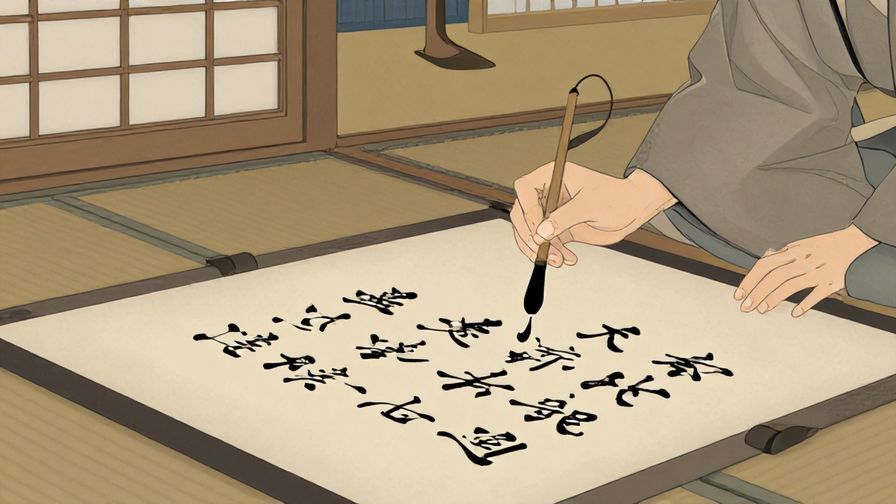
Adding こそ (koso) adds emphasis, meaning “indeed” or “exactly.”
This phrase sounds very formal and poetic.
Perfect for speeches, essays, or formal writing.
It underlines that knowledge is the key, above all.
Try to use this when you want to highlight knowledge’s importance strongly.
It pairs well with respectful and thoughtful contexts.
10. 知識は最強の武器です (Chishiki wa saikyō no buki desu) – “Knowledge is the strongest weapon.”

This formal phrase uses 最強 (saikyō) meaning “strongest,” and 武器 (buki), “weapon.”
です (desu) makes it polite and respectful.
It’s a powerful way to say knowledge is your ultimate strength.
Use it in professional or educational settings.
This phrase evokes a strong image of intellectual power as a weapon.
Great for speeches or motivational talks.
11. 知恵は人生の力です (Chie wa jinsei no chikara desu) – “Wisdom is the power of life.”
This formal expression connects wisdom (知恵, chie) with life’s power.
人生の (jinsei no) means “of life,” adding depth and warmth.
It’s respectful and thoughtful, great for deep conversations.
Use it to express how wisdom guides us through life’s challenges.
This phrase feels personal and meaningful.
Perfect for reflective or philosophical discussions.
12. 学びは力となります (Manabi wa chikara to narimasu) – “Learning becomes power.”

A polite way to say learning turns into power.
なります (narimasu) is the polite form of “become.”
This phrase emphasizes growth and transformation.
Ideal for formal encouragement or educational talks.
It’s a gentle reminder that learning leads to empowerment.
Use it when you want to inspire positive change through knowledge.
13. 知ることは力となる (Shiru koto wa chikara to naru) – “Knowing becomes power.”

This is a polite, formal phrase with the same meaning.
It stresses the process of knowing leading to power.
Good for formal writing or presentations.
It’s a versatile phrase suitable for many contexts.
Use it when focusing on knowledge as a gradual empowerment.
It’s clear and respectful.
14. 知識は人生の基盤です (Chishiki wa jinsei no kiban desu) – “Knowledge is the foundation of life.”

This formal phrase focuses on knowledge as the base of life.
基盤 (kiban) means “foundation,” adding a solid image.
Perfect for speeches or essays on the importance of learning.
Use this to express that knowledge supports all growth.
It sounds wise and grounded.
A great phrase for academic or motivational contexts.
15. 学問は力を生む (Gakumon wa chikara o umu) – “Scholarship produces power.”

This phrase highlights that academic study creates power.
生む (umu) means “to produce” or “to create.”
It’s polite and formal, suitable for academic settings.
Use it to emphasize the productive side of learning.
It’s inspiring and aspirational.
Great for educational talks or essays.
16. 情報が力をもたらす (Jōhō ga chikara o motarasu) – “Information brings power.”

This phrase is formal and highlights the power of information flow.
もたらす (motarasu) means “to bring” or “to provide.”
Perfect for business or technology discussions.
Use it to stress how having information leads to empowerment.
It’s polite and modern.
Great for professional contexts or presentations.
Part 3: Very Casual / Native-like Expressions
17. 知ってるって強いよね (Shitteru tte tsuyoi yo ne) – “Knowing is strong, isn’t it?”

This is a casual, friendly way to say knowledge is strength.
知ってる (shitteru) means “to know,” and 強い (tsuyoi) means “strong.”
It’s perfect for everyday conversations.
The phrase feels natural and relaxed.
Use it when chatting with friends or peers.
It’s a great way to casually praise someone’s knowledge.
18. 勉強すれば強くなれる (Benkyō sureba tsuyoku nareru) – “If you study, you can become strong.”

This phrase encourages studying as a path to strength.
勉強 (benkyō) means “study,” and 強くなれる (tsuyoku nareru) means “can become strong.”
It’s casual and motivating.
Great for encouraging friends or yourself.
Use it to highlight effort leading to power.
A simple, native-like expression full of positive energy.
19. 知れば知るほど強くなる (Shireba shiru hodo tsuyoku naru) – “The more you know, the stronger you get.”

This phrase expresses that knowledge builds strength progressively.
The structure 知れば知るほど means “the more you know.”
It’s very natural and conversational.
Use it to show learning as an ongoing process.
It’s friendly and inspiring.
Perfect for casual chats about self-improvement.
20. 知ることが力になるんだよね (Shiru koto ga chikara ni naru nda yo ne) – “Knowing becomes power, you know?”

This is a casual, somewhat explanatory phrase.
It adds んだよね (nda yo ne) for a friendly tone.
Great for explaining why knowledge matters.
Use it when sharing insights casually.
It feels approachable and warm.
Perfect for natural, everyday conversations.
21. 知識はマジで力だよ (Chishiki wa maji de chikara da yo) – “Knowledge is seriously power.”

This phrase uses マジで (maji de) meaning “seriously” for extra emphasis.
It’s very casual and modern slang.
Perfect for conversations with close friends or younger people.
Use it to express strong belief in knowledge’s power.
It’s energetic and confident.
Great for informal encouragement or hype.
22. 勉強は力だってば! (Benkyō wa chikara datte ba!) – “Study is power, I’m telling you!”

This is a playful, emphatic way to say studying equals power.
だってば (datte ba) adds a feeling of “I’m telling you!” or “believe me!”
It’s very casual and expressive.
Use it when joking or seriously encouraging friends.
It adds personality and fun to the phrase.
Perfect for lively conversations and friendly banter.
Concluding Thought
Exploring these 22 Japanese ways to say “Knowledge is power” shows just how rich language can be.
Each phrase carries its own spirit, from formal wisdom to casual encouragement.
Keep practicing, and you’ll find the perfect expression to fit your own voice and situation. Remember, every word you learn is a step toward your own power!