22 Japanese ways to say “Knock on wood”
Ever found yourself wanting to say “knock on wood” but in Japanese? It’s a fun way to ward off bad luck or hope things stay positive.
Japanese culture has some unique and charming ways to express the same sentiment. Whether you want to sound casual or polite, there’s a phrase for you.
Learning these phrases not only spices up your conversations but also connects you deeper with Japanese customs.
From simple sayings to native-like expressions, this list will get you knocking (or tapping) the right way in Japanese.
Plus, it’s always handy to have a few expressions in your back pocket for luck and charm.
Ready to explore 22 Japanese ways to say “knock on wood”? Let’s dive in!
Understanding the Basics of Warding Off Bad Luck in Japanese
Before jumping into the phrases, it’s good to know how the Japanese approach luck and superstition.
Unlike the direct “knock on wood” phrase in English, Japanese often use expressions involving hope, avoidance of jinxing, or symbolic gestures.
This cultural nuance adds a lovely depth to how they speak about luck and protection.

Sometimes, using a great beginner phrasebook can give you a perfect starting point for a cohesive understanding.
It’s also helpful to watch for cultural contexts where these phrases fit best.
Simple gestures or words can carry a lot of meaning!
Part 1: Casual Suggestions
1. 木を叩く (Ki o tataku) – “Knock on wood.”
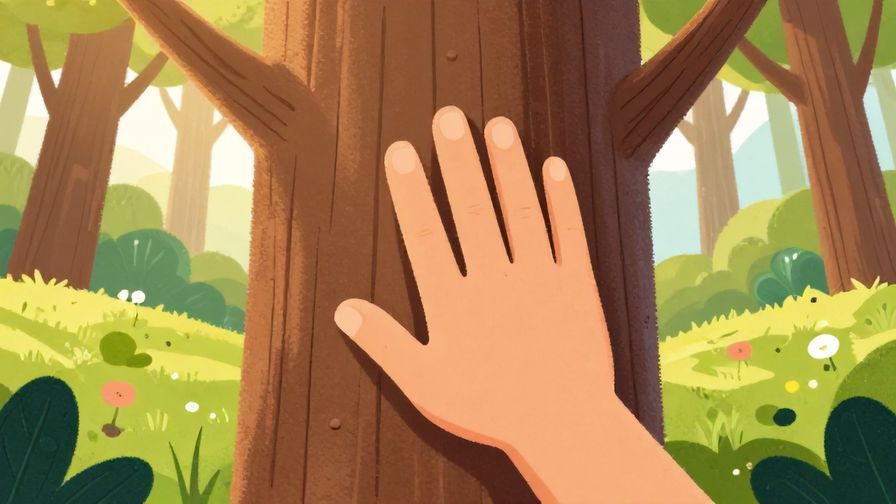
This is the literal way to say “knock on wood” in Japanese.
“木” (Ki) means “wood” or “tree,” and “叩く” (tataku) means “to knock” or “to hit.” Put together, it’s simply “knock on wood.”
It’s straightforward and commonly understood, especially when explaining the English custom.
Use it when you want to directly translate the phrase or describe the action.
Though it’s not as idiomatic in Japanese, it gets the point across well.
Try saying it next time you want to wish for good luck in a casual chat!
2. 幸運を祈る (Kōun o inoru) – “Pray for good luck.”

This phrase is a gentle way to express hope for good fortune.
“幸運” (Kōun) means “good luck,” and “祈る” (inoru) means “to pray.” Saying this shows you wish for the best.
It’s a positive phrase that fits well in both casual and semi-formal situations.
Unlike knocking on wood, this phrase focuses more on hope than superstition.
You can use it when encouraging friends or wishing yourself luck.
It’s a versatile phrase that spreads good vibes!
3. 運がいいといいね (Un ga ii to ii ne) – “Hope you’re lucky.”

This casual phrase literally means “I hope your luck is good.”
“運” (Un) means “luck,” “いい” (ii) means “good,” and “といいね” (to ii ne) is a hopeful phrase like “hope so.”
It’s an easy, conversational way to express good wishes without needing a physical knock.
Commonly used among friends and family, it feels warm and genuine.
Try it when chatting about upcoming events or challenges.
It’s a simple phrase that keeps things friendly and positive.
4. 触らぬ神に祟りなし (Sawara nu kami ni tatari nashi) – “No curse from a god you don’t touch.”
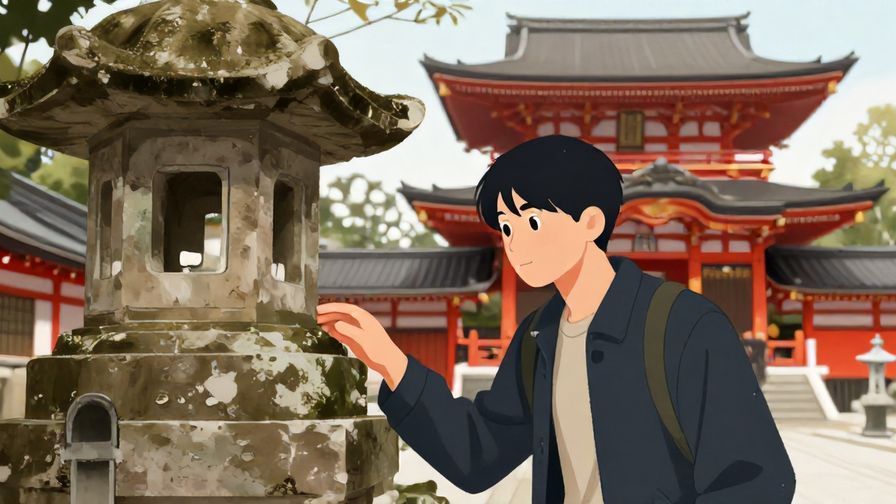
This Japanese proverb means “Don’t poke the bear” in a way.
It literally says “No curse from a god you don’t touch,” implying it’s best not to invite trouble.
It’s a cultural reminder to avoid jinxing yourself.
Use this phrase when talking about superstition or avoiding bad luck.
It’s a bit more formal but common in storytelling or advice.
Great for adding depth to your conversations about fate or luck!
5. 大丈夫、きっとうまくいくよ (Daijōbu, kitto umaku iku yo) – “It’ll be okay, it’ll surely go well.”

This phrase is a warm encouragement that things will turn out fine.
“大丈夫” (Daijōbu) means “It’s okay,” “きっと” (kitto) means “surely,” and “うまくいく” (umaku iku) means “go well.”
It’s a positive way to ward off worries and keep spirits up.
Use it casually to comfort friends or yourself in uncertain times.
It’s less about superstition and more about positive affirmation.
Perfect for everyday encouragement with a hopeful vibe.
6. いいことあるよ (Ii koto aru yo) – “Good things will happen.”

This phrase suggests that positive outcomes are on the horizon.
“いいこと” (ii koto) means “good things,” and “あるよ” (aru yo) means “there are” or “will happen.”
It’s casual and optimistic, great for reassuring someone.
Use it when you want to express faith in the future.
Simple and memorable, it makes a great phrase to keep handy.
It’s like a verbal “knock on wood” without the knocking!
7. ついてるね! (Tsuiteru ne!) – “You’re lucky!”

This is a casual way to say someone is lucky or fortunate.
“ついてる” (tsuiteru) means “to be lucky,” and “ね” (ne) adds a friendly tone like “right?”
Use it to compliment friends or celebrate good fortune.
It’s quick, easy, and feels upbeat.
Perfect for lighthearted conversations about luck.
A fun phrase that natives use often!
8. うまくいきますように (Umaku ikimasu yō ni) – “May it go well.”

This polite phrase expresses hope that something will succeed.
“うまくいきます” (umaku ikimasu) means “go well,” and “ように” (yō ni) adds “may it be so.”
It’s a gentle wish used in both casual and formal settings.
Use it when you want to sound hopeful without being too casual.
Great for wishing luck before exams, meetings, or events.
It’s like a verbal charm for success!
Part 2: Polite & Formal Suggestions
9. ご幸運をお祈りします (Go kōun o oinori shimasu) – “I pray for your good luck.”

This is a very polite way to wish someone good luck.
“ご幸運” (go kōun) is a respectful form of “good luck,” and “お祈りします” (oinori shimasu) means “I pray.”
Use this in formal emails, speeches, or when addressing superiors.
It’s respectful and thoughtful, perfect for professional settings.
You’ll sound sincere while maintaining decorum.
Try it when you want to make a polished impression.
10. 安全を祈ります (Anzen o inorimasu) – “I pray for your safety.”

This phrase is a formal way to wish for someone’s safety and well-being.
“安全” (anzen) means “safety,” and “祈ります” (inorimasu) means “I pray.”
Often used in official or serious contexts, such as before travel or events.
It’s polite and caring, showing deep concern.
Perfect for business partners or formal acquaintances.
It’s a beautiful way to show you care.
11. どうかうまくいきますように (Dōka umaku ikimasu yō ni) – “Please, may it go well.”

This phrase adds a polite “please” to the hopeful wish.
“どうか” (dōka) means “please,” making the phrase more earnest.
Use it in formal conversations or letters to express sincere hopes.
It’s a respectful and emotional way to convey your wishes.
Great for important occasions where you want to sound thoughtful.
It’s like adding a little extra charm of sincerity.
12. ご成功を祈願いたします (Go seikō o kigan itashimasu) – “I humbly pray for your success.”

This phrase is very formal and humble, perfect for business or ceremonial use.
“ご成功” (go seikō) means “success,” and “祈願いたします” (kigan itashimasu) is a humble form of “I pray.”
Use it in speeches, emails, or formal cards wishing success.
It shows respect and deep goodwill.
Ideal for bosses, clients, or official ceremonies.
A polished phrase that impresses with humility.
13. 幸せをお祈りします (Shiawase o oinori shimasu) – “I pray for your happiness.”

This phrase focuses on wishing happiness, a warm sentiment.
“幸せ” (shiawase) means “happiness,” and “お祈りします” (oinori shimasu) is “I pray.”
It’s polite and heartfelt, fitting for many occasions.
Use it when you want to sound caring and respectful.
Great for cards, emails, or conversations with elders.
It’s a lovely phrase that feels sincere and gentle.
14. 何事もなく過ごせますように (Nanigoto mo naku sugoseru yō ni) – “May nothing bad happen.”

This phrase is a formal way to wish for safety and smooth sailing.
“何事もなく” (nanigoto mo naku) means “without any incident,” “過ごせますように” (sugoseru yō ni) means “may you spend (time) peacefully.”
Use it when you want to express hope for a trouble-free time.
It’s polite and often used in formal letters or speeches.
Ideal for farewells or wishing well before a journey.
It’s a phrase full of calm and care.
15. くじけないでください (Kujikenai de kudasai) – “Please don’t be discouraged.”

This is a polite way to encourage someone to stay strong.
“くじけないで” (kujikenai de) means “don’t be discouraged,” and “ください” (kudasai) adds politeness.
While not a direct “knock on wood,” it serves a similar emotional purpose.
Use it when someone faces challenges and you want to boost their spirits.
It’s kind and supportive, perfect for coworkers or classmates.
A great way to wish for good outcomes with empathy.
16. どうぞお幸せに (Dōzo o shiawase ni) – “Please be happy.”

This is a polite and warm way to wish happiness.
“どうぞ” (dōzo) means “please,” and “お幸せに” (o shiawase ni) means “be happy.”
Use it in formal or semi-formal contexts, like weddings or celebrations.
It’s heartfelt and respectful, perfect for expressing genuine care.
It carries the spirit of “knock on wood” as a wish for continued good fortune.
Lovely for happy occasions and sincere conversations.
Part 3: Very Casual / Native-like Expressions
17. マジで?運がいいね! (Maji de? Un ga ii ne!) – “Seriously? You’re lucky!”

This phrase is super casual and common among younger people.
“マジで?” (Maji de?) means “Really?” or “Seriously?,” and “運がいいね” (un ga ii ne) means “you’re lucky.”
It’s playful and expresses surprise at good fortune.
Use it in relaxed conversations with friends.
It’s a fun, native-like way to acknowledge luck.
Great to sound natural and lively in casual chats.
18. ツイてるね! (Tsuiteru ne!) – “You’re lucky!” (casual)

This is a shortened and casual form of “You’re lucky!”
It’s quick to say and widely used among all age groups.
Perfect for informal conversations or text messages.
Use it to celebrate someone’s good news or fortune.
It feels lighthearted and spontaneous.
Try it to sound like a native speaker!
19. 触らぬ神様に祟りなし (Sawara nu kamisama ni tatari nashi) – “No curse from a god you don’t touch.” (casual)
A more playful, casual way to use the classic proverb.
It’s often used jokingly or when warning not to mess with fate.
Great for casual chats about luck or superstition.
Use it when teasing friends or making light of bad luck.
It keeps the cultural flavor with a fun twist.
A clever phrase to add native flair!
20. きっといいことあるよ! (Kitto ii koto aru yo!) – “Good things will surely happen!”

This is an enthusiastic, optimistic phrase.
“きっと” (kitto) means “surely,” and “いいことあるよ” (ii koto aru yo) means “good things will happen.”
Use it to cheer up friends or yourself.
It’s very casual and full of positive energy.
Perfect for everyday situations when you want to stay hopeful.
It’s an easy phrase that spreads joy!
21. うまくいくさ! (Umaku iku sa!) – “It’ll go well!” (casual)

This is a very casual, confident way to say things will work out.
“うまくいく” (umaku iku) means “go well,” and “さ” (sa) adds casual emphasis.
Use it with friends or peers to boost morale.
It sounds natural and laid-back.
Great for informal encouragement and optimism.
A phrase that shows you’re keeping things positive.
22. 神様、お願い! (Kamisama, onegai!) – “God, please!”

This is a casual, heartfelt plea to the gods for luck or help.
“神様” (kamisama) means “god,” and “お願い” (onegai) means “please.”
It’s very direct and emotional.
Use it when you really want luck or a positive outcome.
Common in casual speech when someone is hoping hard.
It’s a charming native-like way to express hope.
Concluding Thought
Exploring these 22 Japanese ways to say “knock on wood” shows how rich and varied expressions of hope and luck can be.
Whether it’s a literal knock, a polite prayer, or a casual phrase, each offers a glimpse into Japanese culture and language.
So next time you want to wish for good luck, try one of these phrases—you might just find your new favorite way to keep the bad vibes away!