22 Japanese ways to say “Killjoy”
Ever met someone who just can’t help but rain on your parade? That one friend or colleague who kills the vibe, no matter how good it gets? In English, we call them a “killjoy.”
But what about saying “killjoy” in Japanese? It’s a fun challenge because Japanese has so many nuanced ways to express these kinds of feelings.
Whether you want to tease a friend, describe a situation, or just expand your Japanese vocabulary, you’re in the right place.
This list will take you through 22 Japanese ways to say “killjoy,” from casual slang to polite expressions, sprinkled with some native-like phrases that’ll make you sound like a local.
Each phrase comes with easy-to-understand explanations and pronunciation guides, so you can learn naturally and confidently.
Ready to add some colorful expressions to your Japanese toolkit? Let’s dive in!
Understanding Killjoys in Japanese Culture
Before we jump into phrases, it’s helpful to know that Japanese culture often values harmony and avoiding direct confrontation.
So many killjoy expressions are indirect or playful, rather than harsh or blunt.
That means you’ll find a rich variety of ways to say “killjoy” that can fit different moods and social settings.

Sometimes, using a great beginner phrasebook can give you a perfect starting point for a cohesive understanding.
It’s always fun to see how language reflects culture, and killjoy expressions are no exception.
Let’s start with some casual ways to call someone a killjoy without sounding too serious.
Part 1: Casual Suggestions
1. 空気読めない (Kuuki yomenai) – “Can’t read the air.”

This phrase literally means “can’t read the air” and is a popular way to describe someone who ruins the mood.
It’s often used when someone misses social cues or says something inappropriate, making them a classic killjoy in Japanese.
It’s casual and perfect for friends, but be careful—it can be a bit sharp depending on tone.
Think of it as calling someone tone-deaf in social situations.
It’s related to the concept of “reading the atmosphere” aka understanding the vibe.
Use it lightly, and you’ll sound like you really understand Japanese social subtleties.
2. 雰囲気を壊す人 (Fun’iki o kowasu hito) – “Person who breaks the atmosphere.”

This one’s a little longer but easy to understand.
“Fun’iki” means “atmosphere,” “kowasu” means “to break,” and “hito” means “person.”
So it literally means “the person who breaks the atmosphere” – a perfect way to say killjoy in a neutral tone.
It’s descriptive and easy to slip into conversations.
Try it when you want to explain how someone spoils a fun moment without sounding too confrontational.
It’s a great phrase to have in your casual vocabulary.
3. しらける人 (Shirakeru hito) – “The one who kills the fun.”

“Shirakeru” means to “become dull” or “lose enthusiasm.”
Calling someone a “shirakeru hito” implies they kill the party vibe.
It’s a bit casual and often used among friends when someone makes a joke fall flat or dampens excitement.
This one is soft and often used with a light-hearted tone.
It’s like saying, “You’re such a buzzkill!”
Perfect for informal chats.
4. つまらない人 (Tsumaranai hito) – “Boring person.”

“Tsumaranai” means “boring” or “dull.”
Calling someone a “boring person” is a straightforward way to say killjoy.
It’s casual but can hurt feelings if used directly, so it’s often used jokingly or among close friends.
It’s a simpler way to express disappointment with someone’s vibe.
Think of it as saying, “You’re no fun.”
Used wisely, it’s a handy phrase to describe killjoys.
5. 水を差す (Mizu wo sasu) – “To pour water (on something).”

This is an idiomatic expression meaning to spoil the fun or interrupt a good mood.
Literally, it means “to pour water,” as in dousing a fire.
It’s often said about someone who interrupts or kills the excitement.
While not a direct noun for killjoy, it’s a common way to describe killjoy behavior.
You can say “Mizu wo sasu hito” to mean “the person who spoils things.”
It’s a vivid and natural phrase to use in casual conversation.
6. いやなやつ (Iya na yatsu) – “Annoying person.”

“Iya na” means “unpleasant” or “disagreeable,” and “yatsu” is a casual, somewhat rough way to say “person.”
It’s a casual, slightly rough phrase to call someone an annoying or unpleasant person.
Perfect for describing someone who kills the mood by being negative or critical.
It’s informal but widely understood.
Use it with care among friends or in a joking manner.
It’s a simple go-to for a casual killjoy.
7. 雰囲気ぶち壊し (Fun’iki buchikowashi) – “Total atmosphere breaker.”

This phrase is a bit stronger and more slangy.
“Buchi kowashi” means “totally destroy,” so combined with “fun’iki” (atmosphere), it means someone who completely ruins the mood.
It’s great to use when someone does something really obvious to kill the fun.
It’s casual and often used humorously or in frustration.
Perfect for venting about a classic killjoy moment.
Learn it and you’ll sound like a native expressing real annoyance.
8. ノリが悪い (Nori ga warui) – “Bad vibe” or “not in the mood.”

“Nori” refers to the mood or vibe, and “warui” means “bad.”
Calling someone “nori ga warui” means they’re not getting into the fun or are killing the mood.
It’s casual and often used teasingly among friends.
This phrase is easy to remember because “nori” (vibe) is a common slang.
It’s perfect for calling out a killjoy without being harsh.
Use it when someone’s just not feeling the energy.
Part 2: Polite & Formal Suggestions
9. 楽しさを損なう人 (Tanoshisa o sokonau hito) – “A person who spoils the fun.”

This is a polite and formal way to describe a killjoy.
“Tanoshisa” means “fun,” and “sokonau” means “to spoil” or “to damage.”
Adding “hito” (person) completes the phrase.
It’s perfect for formal conversations or writing.
Use it to describe someone who dampens the mood in a refined way.
It’s a respectful way to express the killjoy idea without being rude.
10. 雰囲気を壊す人物 (Fun’iki o kowasu jinbutsu) – “An individual who breaks the atmosphere.”

“Jinbutsu” means “individual” or “character,” making this phrase sound more formal.
It’s a refined way to say someone is a killjoy in serious or professional settings.
This phrase is useful when you want to keep things polite but clear.
Perfect for office talk or polite discussion.
It balances directness with respect.
Try it in formal emails or meetings to describe a mood spoiler tactfully.
11. 雰囲気を壊す方 (Fun’iki o kowasu kata) – “The person who breaks the atmosphere.”
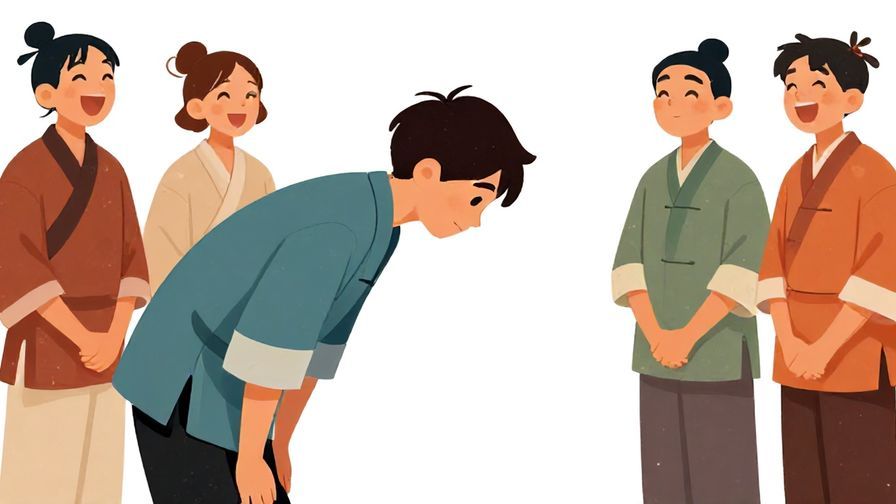
“Kata” is a polite way to say “person,” so this phrase is both respectful and clear.
It’s good for situations where you want to point out someone’s killjoy behavior politely.
This phrase is gentle and fits well in formal or semi-formal contexts.
You can use it when addressing a group or discussing someone indirectly.
It’s less harsh than casual alternatives.
Great for maintaining harmony while expressing the idea.
12. 雰囲気を損なう方 (Fun’iki o sokonau kata) – “The person who harms the atmosphere.”

Similar to the previous phrase, this one uses “sokonau” (to harm) for a polite, formal tone.
It’s a good expression to describe a killjoy in a dignified way.
Use it when you want to be clear but respectful about someone spoiling the mood.
Perfect for formal writing or careful conversations.
It fits nicely in business or social settings that require tact.
Memorize it to sound polite and precise.
13. 雰囲気を乱す人 (Fun’iki o midasu hito) – “Person who disturbs the atmosphere.”

“Midasu” means to “disrupt” or “disturb.”
This phrase sounds formal but is also straightforward.
It’s great for politely pointing out someone’s bad timing or mood-killing behavior.
It’s a useful phrase in both spoken and written Japanese.
It’s neutral and less judgmental than casual slang.
Use it when you want to keep the tone professional yet clear.
14. 楽しみを奪う人 (Tanoshimi o ubau hito) – “Person who steals the fun.”

“Ubau” means “to steal.”
This phrase paints a vivid picture of someone taking away the fun from others.
It’s formal and polite but emotionally strong.
Perfect for serious discussions about someone’s negative impact.
It’s a bit dramatic, so use it carefully.
Great for emphasizing the feeling of a killjoy spoiling the mood.
15. 雰囲気を損ねる方 (Fun’iki o sokoneru kata) – “Person who spoils the atmosphere.”

“Sokoneru” is another verb meaning to “harm” or “spoil.”
This phrase is polite and natural for formal or respectful contexts.
It’s a useful alternative to “sokonau.”
Use it when describing someone who quietly kills the mood.
It’s subtle but clear.
Good to have multiple polite options in your vocabulary.
16. 雰囲気を台無しにする人 (Fun’iki o dainashi ni suru hito) – “Person who ruins the atmosphere.”

“Dainashi ni suru” means “to ruin” or “to spoil completely.”
This phrase is formal and descriptive.
It’s perfect when you want to emphasize how badly someone killed the mood.
Great for storytelling or formal complaints.
It sounds serious but still polite.
Use it to describe major mood spoilers.
Part 3: Very Casual / Native-like Expressions
17. 空気ぶち壊し (Kuuki buchikowashi) – “Total mood breaker.”

This is a slangy, very casual way to call someone a killjoy.
“Buchikowashi” adds a punch to “kuuki” (air/mood), meaning total destruction of the vibe.
It’s perfect for venting with close friends or online.
The phrase is playful but can sound harsh if used seriously.
It’s great for dramatic moments when someone really ruins the fun.
Use it with friends who appreciate your humor.
18. しらけ野郎 (Shirake yarou) – “Buzzkill guy.”

“Yarou” is a casual, somewhat rough word for “guy.”
Paired with “shirake” (to kill fun), it’s a cheeky insult for a killjoy.
Use it only with very close friends, as it can be rude otherwise.
It’s a fun phrase that native speakers use jokingly.
Great for informal settings and teasing.
Memorize it for a native-like casual vibe.
19. 盛り下げ屋 (Morisageya) – “The one who brings down the party.”

“Morisage” means “to bring down the mood,” and “ya” is a suffix meaning “person who does.”
It’s a slangy and playful way to call someone a killjoy.
Used among young people to describe mood killers.
It’s casual and effective when venting in a fun way.
Try it with friends who understand slang.
The phrase is catchy and easy to remember.
20. ムードメーカーじゃない (Moodo meekaa janai) – “Not a mood maker.”

This phrase literally means “not a mood maker.”
It’s a gentle, indirect way to say someone kills the vibe.
Perfect for casual to semi-formal situations.
It’s a softer way to point out someone isn’t contributing to the fun.
Use it to be polite yet clear.
It’s a great phrase for beginners too.
21. 空気を読まない人 (Kuuki o yomanai hito) – “Person who doesn’t read the air.”

This is a very common native-like expression.
It means someone who can’t pick up on social cues, often killing the vibe.
It’s a little softer than blunt insults but still descriptive.
Use it for casual talks or friendly teasing.
It’s one of the most natural ways to describe a killjoy.
Try this phrase to sound like a native speaker.
22. 盛り下げマン (Morisage man) – “The bring-down man.”

This is a slangy, casual phrase combining “morisage” (bring down the mood) and “man” borrowed from English.
It’s playful and popular among young people online.
It’s a fun way to call out a killjoy without being too serious.
Great for social media or chats with friends.
It’s catchy and easy to remember.
Use it when you want to sound current and casual.
Concluding Thought
Exploring these 22 ways to say “killjoy” in Japanese shows just how rich and subtle the language can be.
From polite formal expressions to playful slang, you have plenty of options to match any situation.
So next time someone kills the vibe, you’ll be ready with a perfect Japanese phrase that fits your style!