22 Japanese ways to say “Karma”
Karma is a concept many of us have heard of, whether through movies, books, or just everyday chatter.
In Japanese, the idea of karma is rich and nuanced, with several expressions capturing its essence.
Exploring these can give you fresh insights into how the Japanese language and culture view cause and effect.
Whether you’re learning Japanese or just curious about language, these 22 ways to say “karma” will warm your heart and deepen your understanding.
Ready to see how this fascinating concept unfolds in Japanese? Let’s dive in!
You might even find a new favorite phrase along the way.
Understanding Karma in Japanese
Before jumping into the list, it’s good to know that “karma” doesn’t have a single direct translation in Japanese.
Instead, the language uses a mix of native and borrowed words, each reflecting different shades of meaning related to karma.
These range from spiritual terms to everyday expressions about consequences and fate.

One handy resource to explore these expressions more deeply is a Japanese phrasebook, perfect for beginners and advanced learners alike.
With this, you can hear the words in context and practice natural usage.
It’s a simple step that makes learning feel smooth and rewarding.
Part 1: Casual Suggestions
1. 業 (Gō) – “Karma”

The most classic word for karma is 業 (Gō), directly tied to Buddhist teachings.
It refers to the actions or deeds that shape one’s future experiences, both good and bad.
Using 業 (Gō) connects you to the original spiritual context of karma, making it a profound choice.
Think of it as the energy you put out into the world that eventually comes back.
Often, you’ll hear this in philosophical or religious discussions.
It’s a great word to start with if you want to sound thoughtful and respectful of karma’s deeper meaning.
2. 因果 (Inga) – “Cause and Effect”

因果 (Inga) literally means “cause and effect,” which is basically what karma is all about.
This phrase is perfect when you want to talk about the natural consequences of actions in everyday conversations.
It’s easy to remember because you can visualize one thing causing the next.
Just remember not to confuse it with fate; it emphasizes the link between what you do and what happens.
For example, “因果応報” (inga ōhō) means “retribution” or “just desserts.”
Using 因果 (Inga) is a simple way to sound smart and natural discussing karma.
3. 復讐 (Fukushū) – “Retribution”

復讐 (Fukushū) means “retribution” or “vengeance,” a form of karma focused on payback.
It’s a stronger word often used in contexts where consequences feel like justice served.
Though not exactly the spiritual karma, it’s related to the idea of getting what you deserve.
It’s a good word if you’re talking about karmic justice in stories or daily life.
Just be mindful—it can sound intense or negative depending on tone.
Use it carefully, but it’s a powerful addition to your vocabulary.
4. 仕返し (Shikaeshi) – “Payback”

仕返し (Shikaeshi) is a more casual way of saying “payback” or “revenge.”
This phrase conveys karma in a fun or everyday sense, like when someone returns a favor or gets back at a prank.
It’s easy to use and remember because it’s common in casual conversations.
Just note it’s less about deep spiritual karma and more about social balance.
Try it in situations where karma feels more playful or less serious.
It’s a great word for sounding relaxed and natural with friends.
5. 巡り合わせ (Meguriawase) – “Fateful Encounter”

巡り合わせ (Meguriawase) literally means “fateful encounter,” hinting at karma through the idea of destined meetings.
This phrase is perfect when you want to talk about how certain events or people cross your path because of prior causes.
It’s poetic and warm, great for storytelling or expressing gratitude for life’s twists.
Remember, it’s less about punishment and more about the flow of life.
You can use it to describe how karma brings certain opportunities or lessons.
It’s a beautiful way to sound thoughtful and connected to fate.
6. 返報 (Henpō) – “Reciprocation”

返報 (Henpō) means “reciprocation” or “returning a favor,” which ties directly into the idea of karma.
It’s a straightforward way to talk about the balance of actions and consequences.
Using 返報 (Henpō) can make your speech sound fair and balanced.
It’s often used in formal and informal contexts alike.
Be careful to not confuse it with just “repayment,” as it also carries a moral sense.
It’s a solid word to express the give-and-take nature of karma.
7. 宿命 (Shukumei) – “Fate/Destiny”

宿命 (Shukumei) means “fate” or “destiny,” often overlapping with karma in meaning.
This word emphasizes the inevitable outcomes shaped by past actions.
It’s useful when discussing life’s predetermined paths influenced by karma.
While not exactly karma itself, it’s closely related and often used interchangeably.
Use 宿命 (Shukumei) when you want to speak about something unavoidable or destined.
It’s a word that adds depth to your understanding of karmic ideas.
8. 善因善果 (Zen’in Zenka) – “Good Cause, Good Result”

善因善果 (Zen’in Zenka) means “good cause, good result,” a popular phrase explaining positive karma.
This expression is easy to remember because it’s a simple cause-and-effect motto.
It encourages doing good deeds with the belief they’ll lead to good outcomes.
Perfect for uplifting conversations or advice.
You can pair it with its opposite, 悪因悪果 (Akuin Akka), meaning “bad cause, bad result.”
It’s a neat way to talk about karma’s moral balance in everyday life.
Part 2: Polite & Formal Suggestions
9. 業報 (Gōhō) – “Karmic Retribution”

業報 (Gōhō) combines 業 (Gō) for karma and 報 (Hō) for retribution or reward.
It’s a formal term focusing on karmic consequences, often seen in religious texts or serious discussions.
Using 業報 (Gōhō) shows sophistication and respect for spiritual depth.
It’s less common in casual talk but perfect for essays or thoughtful conversations.
Pair it with discussions about morality and justice for a strong impact.
It’s a great word if you want to sound knowledgeable about Buddhism and karma.
10. 因果応報 (Inga Ōhō) – “Just Retribution”

因果応報 (Inga Ōhō) is a formal expression meaning “cause and effect retribution.”
It’s used to emphasize that people get what they deserve based on their actions.
This phrase is widely recognized and respected in polite conversation.
It’s useful in writing or speeches about ethics and life lessons.
Don’t confuse it with simple luck; it’s specifically about moral cause and effect.
Use 因果応報 (Inga Ōhō) to sound thoughtful and serious about karma’s justice.
11. 天罰 (Tenbatsu) – “Divine Punishment”

天罰 (Tenbatsu) means “divine punishment,” often linked to karma’s negative side.
This formal phrase highlights the idea of heavenly justice or karma striking back.
It’s strong and often used in literature or serious discussion.
Use it cautiously, as it can sound harsh or accusatory.
It’s great when you want to emphasize consequences from a higher power.
Perfect for storytelling or moral lessons.
12. 天命 (Tenmei) – “Heavenly Mandate”

天命 (Tenmei) means “heavenly mandate” or divine destiny.
It’s a formal and poetic way to talk about fate shaped by karma.
Use it when discussing life’s greater purpose or spiritual calling.
It can sound philosophical and profound.
Often found in classic literature or speeches.
It’s a beautiful phrase to express karmic destiny with reverence.
13. 報い (Mukui) – “Retribution/Reward”

報い (Mukui) means “retribution” or “reward,” highlighting karma’s idea of getting what’s deserved.
It’s formal but can be used in everyday conversations politely.
It’s a versatile word that fits both positive and negative karmic outcomes.
Remember to use it with care to avoid sounding judgmental.
It’s perfect when reflecting on life’s fairness.
Adding 報い (Mukui) to your vocabulary adds elegance to karmic talks.
14. 運命 (Unmei) – “Fate”

運命 (Unmei) means “fate” or “destiny,” commonly used in polite and formal settings.
This word overlaps with karma when talking about life’s inevitable outcomes.
It’s easy to use and widely understood.
Just be aware it’s more about destiny than direct cause and effect.
Try it when describing life’s twists and turns linked to karma.
It’s a gentle, respectful way to discuss fate in Japanese.
15. 因縁 (Innen) – “Karmic Connection”
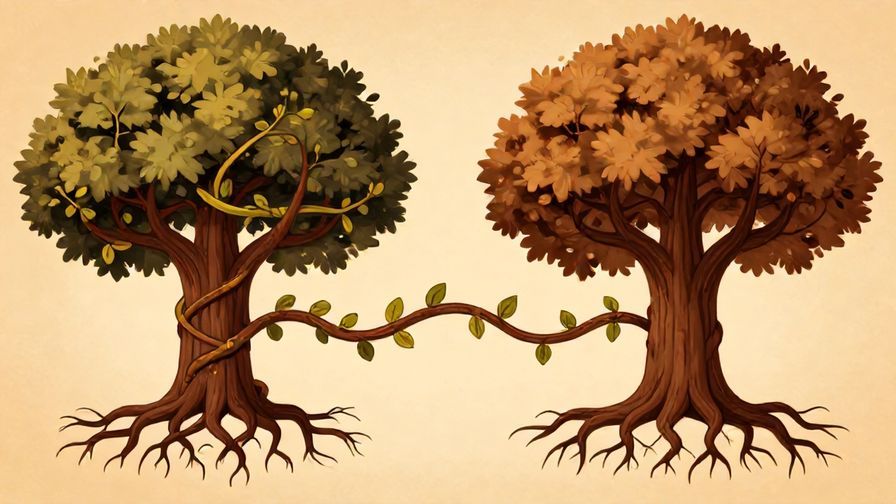
因縁 (Innen) means “karmic connection” or “predestined relationship.”
It’s a formal word often used to describe the ties between people or events shaped by karma.
It’s great for philosophical or spiritual conversations.
Be careful not to confuse it with simple coincidence—it suggests a deeper link.
Use 因縁 (Innen) to sound insightful about karmic bonds.
It’s a profound term perfect for meaningful discussions.
16. 復讐心 (Fukushūshin) – “Spirit of Retribution”

復讐心 (Fukushūshin) means “spirit of retribution,” focusing on the emotional drive behind karma’s payback.
This is a formal and intense phrase for karmic justice motivated by personal feelings.
It’s less common in casual talk but powerful in storytelling.
Use it to describe characters or situations driven by karmic vengeance.
It adds emotional depth to your karmic vocabulary.
Perfect for dramatic or literary contexts.
Part 3: Very Casual / Native-like Expressions
17. 仕返しする (Shikaeshi suru) – “To pay someone back”
仕返しする (Shikaeshi suru) means “to pay someone back” or “get even.”
This casual phrase is perfect for everyday chat about karma in a fun way.
It’s super easy to use and sounds very natural.
Great for describing small moments of karma between friends.
Try it when talking about playful or minor paybacks.
It’s a friendly, relatable way to bring karma into casual conversations.
18. バチが当たる (Bachi ga ataru) – “To get punished (by karma)”
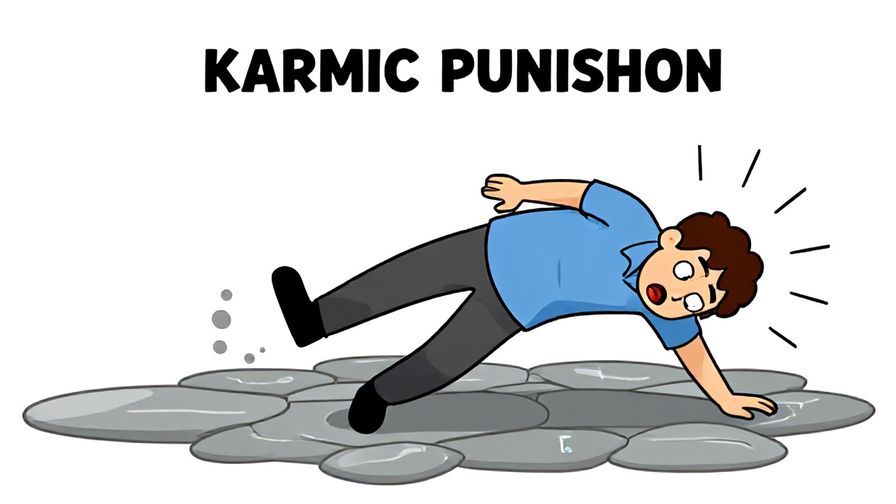
バチが当たる (Bachi ga ataru) literally means “to get hit by punishment,” a fun way to say someone’s karma caught up with them.
It’s casual and often used humorously when someone faces consequences.
Easy to remember because “bachi” sounds playful.
Use it to lighten the mood when talking about karma’s effects.
Just don’t use it in serious discussions.
It’s a native-like way to express karmic justice in daily life.
19. 因果応報だね (Inga ōhō da ne) – “That’s karma for you”

因果応報だね (Inga ōhō da ne) is a casual, conversational way to say “that’s karma.”
It’s perfect for everyday talk when something fair or deserved happens.
Add “だね” (da ne) to make it friendly and approachable.
Great for sounding natural and connected with native speakers.
Use it anytime you want to point out karmic justice lightly.
It’s a handy phrase that fits many casual situations.
20. 自業自得 (Jigō Jitoku) – “You reap what you sow”

自業自得 (Jigō Jitoku) means “you reap what you sow,” emphasizing personal responsibility in karma.
It’s a very common, native-like expression used in everyday conversations.
Easy to remember as it repeats the idea of self-caused results.
Use it when someone faces the consequences of their own actions.
It’s perfect for friendly advice or gentle warnings.
It’s one of the most popular ways to talk about karma in casual speech.
21. やったことが返ってくる (Yatta koto ga kaette kuru) – “What you do comes back”

やったことが返ってくる (Yatta koto ga kaette kuru) literally means “what you did comes back.”
This casual phrase clearly expresses karma’s cause-and-effect in simple words.
It’s great for learners and native speakers alike.
Use it in informal talks about fairness or consequences.
It’s a straightforward way to sound like a native.
Perfect for everyday karmic reflections.
22. 天は見ている (Ten wa mite iru) – “Heaven is watching”

天は見ている (Ten wa mite iru) means “heaven is watching,” reminding us that karma is always in play.
It’s a casual but meaningful phrase implying that all actions are noticed and judged.
Use it to encourage good behavior or warn against bad deeds.
It’s a warm way to express karmic oversight in everyday talk.
This phrase adds a touch of spirituality without sounding heavy.
Great for ending karmic reflections on a hopeful note.
Concluding Thought
Exploring these 22 ways to say “karma” in Japanese shows how rich and varied the concept really is.
From deep spiritual terms to casual expressions, each phrase carries its own unique flavor and context.
Whether you want to sound poetic, formal, or just natural in everyday speech, there’s a karmic expression here for you. Keep practicing, and watch how these words bring new meaning to your conversations!