22 Japanese ways to say “Just in time”
Ever find yourself arriving just in the nick of time? That perfect moment when everything clicks and you’re neither early nor late? In Japanese, there are many colorful ways to express that “just in time” feeling.
Whether you’re chatting casually with friends or need a more formal phrase for work, Japanese has you covered with expressions that fit every vibe.
Learning these different phrases not only sharpens your language skills but also helps you sound more natural and in tune with Japanese culture.
Imagine the satisfaction of saying “just in time” in a way that feels warm, casual, or polite depending on the situation. It’s kind of like having that perfect timing in conversation!
Plus, each phrase carries a little nuance that makes it fun to explore and use.
So, ready to get into the groove of timely Japanese expressions? Let’s dive into 22 ways to say “Just in time”!
Getting Started: Why So Many Ways?
Japanese language is rich with nuance, so it’s no surprise there are multiple ways to say “just in time.”
Depending on your relationship with the listener, the formality of the situation, or even the emotion you want to convey, you’ll want to pick the right phrase.
It’s kind of like English: you might say “just made it” with friends, but “arrived punctually” in a business meeting.
If you want a handy guide, a Japanese phrasebook for beginners can be a real lifesaver.
Once you know these phrases, you’ll feel like you’re right there with native speakers, catching moments perfectly.
Let’s jump in!
Part 1: Casual Suggestions
1. 間に合った (Maniatta) – “Made it just in time.”

“Maniatta” means you arrived or completed something just before it was too late.
It’s the past tense of 間に合う (maniau), which literally means “to be in time.” This phrase is casual and perfect for daily conversations.
Use it when you barely catch the bus or finish your homework before the deadline.
It’s a quick, satisfying way to express relief.
Related phrases include 間に合う (maniau) for “to be on time” and 間に合いそう (maniaisou) for “looks like I’ll make it.”
Try using it next time you want to share your timing victory with friends!
2. ギリギリセーフ (Girigiri seefu) – “Just barely safe/just in time.”

This phrase is borrowed from English “safe” but with a Japanese twist.
“Girigiri” means “just barely” or “at the last moment,” and “seefu” means “safe.” Put together, it’s a fun way to say you made it just in time.
It’s very casual and often used between friends.
Be careful not to use it in formal settings, though—it’s too laid-back.
You might hear it after narrowly catching a train or finishing a project at the last minute.
It’s a playful, relatable phrase that captures that thrilling last-second save.
3. ちょうど間に合った (Choudo mani atta) – “Just exactly in time.”

“Choudo” means “just” or “exactly,” so this phrase emphasizes that you arrived perfectly on time.
It’s a bit more precise than just “maniatta” and sounds natural in casual conversation.
Use it to highlight perfect timing rather than just making it by a hair.
This phrase is great when you want to express you’re right on the dot rather than early or late.
It pairs well with phrases like ちょうどいい (choudo ii) meaning “just right.”
Perfect for sharing your punctual moments with friends or family.
4. セーフ!(Seefu!) – “Safe!” (Made it!)

“Seefu” is the Japanese pronunciation of “safe.”
It’s a quick, informal exclamation used when you’ve narrowly avoided being late or missing something.
Think of it like cheering “Made it!” or “Phew, safe!”
It’s casual and often used with friends or in lighthearted moments.
Although borrowed from English, it’s become a staple in Japanese casual speech.
Great for moments when you just barely squeak through!
5. ちょうどよく間に合った (Choudo yoku mani atta) – “Just nicely on time.”

Adding “yoku” (well/nicely) softens the phrase, making it sound more natural and comfortable.
This phrase conveys that you didn’t just rush, but arrived with good timing.
It’s casual but a bit more polished than just “maniatta.”
Perfect for sharing your timely arrival without sounding stressed.
It’s a great phrase to show you respect time but also want to sound relaxed.
Try it next time you want to brag about your smooth timing!
6. ぎりぎり間に合った (Girigiri mani atta) – “Made it just barely.”
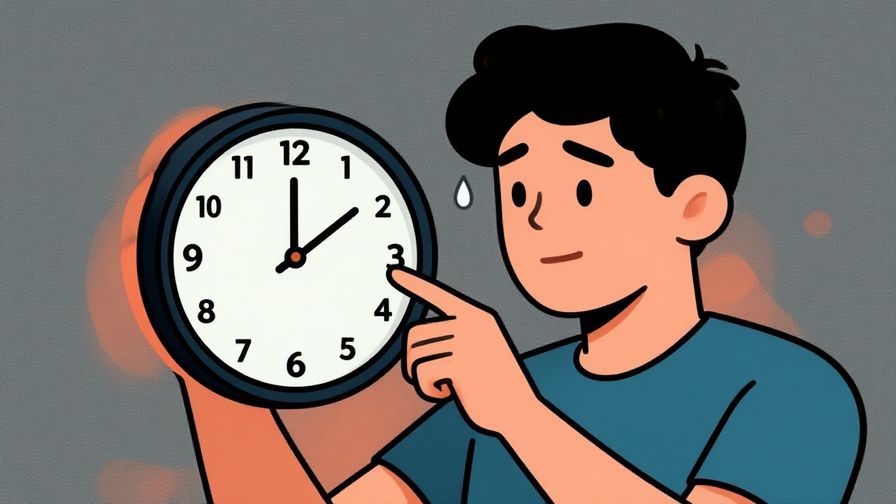
“Girigiri” means “just barely,” so this phrase is perfect for those moments you almost missed being on time.
It’s casual and commonly used when you want to admit you pushed it to the limit.
It’s great for storytelling or explaining a close call.
It captures the drama and relief of just making it.
Related phrases include “ぎりぎり間に合う” (girigiri maniau) for “barely making it on time.”
Use it to share those tense but victorious moments.
7. 間に合ってよかった (Maniatte yokatta) – “Glad I made it on time.”

This phrase adds a warm feeling by expressing relief and gratitude for making it on time.
“Yokatta” means “was good” or “glad,” so combined with “maniatte,” it’s a friendly, casual way to celebrate your timing success.
It’s great for conversations with friends or coworkers after a close call.
It shows both timing and emotion, making it relatable.
Use it when you want to sound thankful for your punctuality.
Perfect for ending your story on a positive note!
8. 間に合うかな? (Maniau kana?) – “I wonder if I’ll make it on time?”

This phrase is less about stating “just in time” and more about the anticipation or worry before the moment.
“Kana” adds a soft wondering tone, making it casual and relatable.
Perfect for setting up a story or expressing your feelings before a deadline.
It’s a natural way to talk about timing uncertainty.
Try using it when you’re running late but hopeful.
It’s a nice conversational phrase that shows a human side to punctuality.
Part 2: Polite & Formal Suggestions
9. 間に合いました (Maniaimashita) – “I made it on time (formal).”

This is the polite past tense form of 間に合う (maniau), suitable for business or formal situations.
Use this when reporting punctuality to a boss or in formal emails.
It sounds respectful and professional.
Great for interviews, meetings, or any official context.
Remember to match your tone and body language accordingly.
It’s your go-to phrase for impressing with your timing in polite settings.
10. ちょうど間に合いました (Choudo maniaimashita) – “I arrived just exactly on time (formal).”

This phrase adds “choudo” to emphasize exact timing in a polite way.
It’s perfect for formal reports or to politely brag about your punctuality.
It shows precision and care.
Use it when you want to highlight your punctuality in respectful speech.
Ideal for emails, presentations, or formal updates.
Try combining it with a respectful bow for maximum effect!
11. 間に合っております (Maniatte orimasu) – “I am on time (very polite).”

This humble form is used in very polite or business contexts.
The verb “orimasu” is a humble version of “imasu,” showing respect to the listener.
It’s perfect for formal customer service or business communication.
Use it to politely assure someone you are on time.
It’s more formal than “maniaimasu” and shows humility.
Good for emails, phone calls, or face-to-face professional interactions.
12. 間に合うようにしました (Maniau you ni shimashita) – “I made sure to be on time.”
This phrase expresses the effort you put in to be punctual.
It’s polite and shows responsibility.
Great for formal or semi-formal conversations where you want to highlight your preparation.
Use it when explaining you planned carefully to avoid being late.
It also shows respect for others’ time.
Try it to convey professionalism and thoughtfulness.
13. 時間通りに到着しました (Jikan doori ni touchaku shimashita) – “Arrived on time.”

This phrase literally means “arrived according to schedule.”
It’s formal and perfect for business or official contexts.
Use it to report punctual arrival with confidence.
It’s clear, straightforward, and polite.
Good for emails, reports, or meetings.
It fits well when you want to emphasize reliable timing.
14. ぎりぎりで間に合いました (Girigiri de maniaimashita) – “Made it just barely (formal).”

This is the formal version of “girigiri mani atta.”
It’s polite and admits you just made it in time.
Great for honest communication in business.
Shows humility and a touch of humor about your timing.
Good for close coworkers or polite bosses.
It keeps things professional but relatable.
15. 間に合わなかったらどうしようと思いました (Mani awanakattara doushiyou to omoimashita) – “I worried about not making it on time.”

This phrase expresses worry before making it on time.
It’s polite and shows your thought process.
Good for explaining your punctuality efforts in formal talks.
It makes your success feel earned and relatable.
Use it to add storytelling depth to your communication.
It’s a great phrase for building empathy.
16. 間に合うことができて嬉しいです (Maniau koto ga dekite ureshii desu) – “I’m happy I could make it on time.”

This polite phrase expresses happiness about being punctual.
It’s warm and professional at the same time.
Great for sharing positive feelings in formal emails or conversations.
It adds a human touch to business communication.
Try it to show enthusiasm and respect.
It’s a nice way to end a punctuality report on a cheerful note.
Part 3: Very Casual / Native-like Expressions
17. 間に合ってる? (Maniatte ru?) – “Am I on time?” (casual)

This super casual phrase is common among friends.
It’s a quick way to check if you’re still on time.
Dropping the “iru” to “ru” makes it relaxed and colloquial.
Perfect for texting or chatting.
It shows you care about timing but in a friendly tone.
Use it to keep your conversations light and natural!
18. ギリギリ間に合ってるよ (Girigiri mani atteru yo) – “I’m just barely on time.”

This phrase is a casual way to admit a close call.
“Atteru” is a casual form of “atteru,” meaning “is.”
“Yo” adds a friendly emphasis.
Use it when talking to friends or family.
It’s a natural way to share your timing drama.
Try it when you want to be honest and casual about your timing.
19. 間に合うっしょ! (Maniau ssho!) – “I’ll make it, for sure!”

This very casual, almost slang-like phrase is common among young people.
“Ssho” is a casual particle expressing confidence.
It’s upbeat and optimistic.
Use it when you want to sound sure you’ll be on time.
It’s great for friendly chats or texts.
Perfect to boost your positive energy about timing!
20. 間に合ってよかったね (Maniatte yokatta ne) – “Glad you made it on time.”

This phrase is used to express relief and happiness for someone else’s punctuality.
“Ne” adds a friendly, empathetic tone.
It’s casual and warm.
Great for encouraging friends or family.
Use it to celebrate timing successes together.
It’s a simple way to bond over good timing!
21. 間に合ったじゃん! (Maniatta jan!) – “You made it just in time, huh!”

This casual phrase often has a teasing or playful tone.
“Jan” adds a bit of emphasis and friendliness.
Use it with close friends when they barely made it.
It sounds natural and fun.
Perfect for lighthearted situations where timing is a bit of a joke.
It helps keep the mood casual and cheerful.
22. ちょうど間に合ったわ (Choudo mani atta wa) – “I made it just in time (female casual).”

“Wa” at the end gives a feminine, casual tone to the phrase.
It’s natural and friendly, often used by women.
Use it to sound approachable and warm.
It adds a gentle flair to “just in time.”
Perfect for casual conversations with friends or family.
Try it to add personality to your timing stories!
Concluding Thought
Exploring these 22 ways to say “Just in time” in Japanese shows just how rich and varied the language is.
Whether you’re aiming for casual, polite, or very native-like expressions, you now have plenty of options to fit any moment.
So next time you make it right on time, you can say it perfectly in Japanese and feel that little extra boost of confidence—and maybe even a smile.