22 Japanese ways to say “I’ve missed this
There’s something special about the feeling of missing something or someone. Whether it’s a cozy cafe, a dear friend, or a favorite season, expressing that warm nostalgia can brighten any conversation.
Japanese, with its rich expressions and subtle nuances, offers many heartfelt ways to say “I’ve missed this.” These phrases range from casual chats with friends to more formal moments of reflection.
Learning these expressions not only deepens your connection to the language but also helps you share your feelings more genuinely.
In this article, we’ll explore 22 warm, informal, and relatable Japanese ways to say “I’ve missed this,” complete with pronunciation guides and simple explanations.
Whether you’re practicing Japanese for fun or to connect with loved ones, these phrases will add color to your conversations.
Ready to feel the warmth of “I’ve missed this” in Japanese? Let’s dive in!
Warm Up With Everyday Feelings
Expressing that you missed something doesn’t have to be complicated. Sometimes, the simplest phrases carry the most emotion.
In Japanese, feelings are often conveyed through context and tone, so learning the right casual phrases can help you sound natural and sincere.
These first few expressions are perfect for everyday use, whether chatting with friends or reflecting on your day.

Sometimes, a great phrasebook for daily Japanese conversations can give you a perfect starting point for a cohesive understanding.
These phrases are easy to practice and will help you sound more like a native speaker in no time.
Let’s start with some gentle, heartfelt ways to say “I’ve missed this.”
Part 1: Casual Suggestions
1. 会いたかった! (Aitakatta!) – “I missed you!”

“会いたかった” (Aitakatta) comes from the verb 会う (au), meaning “to meet.”
Adding たかった (takatta) expresses the past desire, so it means “I wanted to meet (you).” It’s a heartfelt way to say “I missed you.”
This phrase is perfect for when you see someone you haven’t met in a while.
It’s casual but deeply emotional, often used between close friends or family.
You can also say 会いたい (aitai) to mean “I want to see you” in the present tense.
Try saying this with a warm smile to really show how much you missed someone.
2. 懐かしい! (Natsukashii!) – “I’ve missed this!”

懐かしい (Natsukashii) literally means “nostalgic” or “fondly remembered.”
It’s a warm, casual way to say you’ve missed something familiar, like a place, food, or memory.
This word is great for expressing that sweet feeling of rediscovering something you loved before.
It’s very common in everyday conversations, especially when revisiting old hobbies or spots.
Pair it with phrases like 久しぶり (hisashiburi) meaning “long time no see” for added warmth.
Use it when you want to share that joyful nostalgia with friends or family.
3. また会えて嬉しい! (Mata aete ureshii!) – “I’m happy to see you again!”

また会えて嬉しい (Mata aete ureshii) means “I’m happy to see you again.”
また (mata) means “again,” 会えて (aete) is “can meet,” and 嬉しい (ureshii) means “happy.”
This phrase expresses that you missed the person and are glad to reunite.
It’s polite enough for casual situations and shows genuine warmth.
Use it when catching up with friends or acquaintances after some time apart.
Adding this phrase shows both your joy and that you valued the time away.
4. 久しぶり! (Hisashiburi!) – “Long time no see!”

久しぶり (Hisashiburi) literally means “long time no see.”
It’s a very common casual phrase used when you meet someone after a while.
While it doesn’t directly mean “I missed this,” it implies you’re happy to see them again.
You can extend it to 久しぶりに会えて嬉しい (Hisashiburi ni aete ureshii) for “I’m happy to see you after a long time.”
It’s a versatile phrase and great for all sorts of social reunions.
Perfect for dropping into conversations to express warmth naturally.
5. やっぱりいいね! (Yappari ii ne!) – “I knew this was good!” (I missed this feeling!)

やっぱり (yappari) means “after all” or “just as I thought,” and いいね (ii ne) means “good, isn’t it?”
This phrase expresses the joy of returning to something you’ve missed or always loved.
It’s casual and often used when reaffirming your fondness for a place, activity, or feeling.
Great for sharing a warm, relatable moment with friends.
Pair it with a smile to show how much you missed that familiar comfort.
This phrase helps you sound like a native relishing the moment.
6. 元に戻った気がする (Moto ni modotta ki ga suru) – “Feels like I’m back to how things were.”

元に戻った (moto ni modotta) means “returned to the original state,” and 気がする (ki ga suru) means “feels like.”
This phrase expresses the feeling of returning to something familiar and missed.
It’s a bit longer but very natural for expressing comfort and nostalgia.
Perfect for situations like revisiting a hometown or old routine.
Using this phrase shows thoughtful reflection on your feelings.
It’s great for sharing deeper emotions in casual conversations.
7. やっと会えた! (Yatto aeta!) – “Finally, we met!”

やっと (yatto) means “finally,” and 会えた (aeta) is “could meet.”
This phrase communicates excitement and relief at reuniting with someone you missed.
It’s casual and widely used among friends and family.
Perfect for emphasizing how much you’ve looked forward to the moment.
You can combine it with 会いたかった (aitakatta) for an even stronger effect.
Say it with enthusiasm to convey your genuine feelings.
8. 心から嬉しい (Kokoro kara ureshii) – “I’m happy from the heart.”

心から (kokoro kara) means “from the heart,” and 嬉しい (ureshii) means “happy.”
This is a gentle way to express heartfelt happiness, which implies you missed the moment or person deeply.
It’s suitable for casual and semi-formal settings.
Using this phrase adds emotional depth to your conversations.
You can use it for reunions, rediscoveries, or special moments.
It’s a beautiful phrase to remind someone how much you care.
Part 2: Polite & Formal Suggestions
9. お会いできて光栄です (Oai dekite kouei desu) – “It’s an honor to meet you.”

お会いできて光栄です (Oai dekite kouei desu) is a formal, respectful way to say you’re glad to meet someone.
It literally means “It’s an honor to be able to meet you.”
This phrase is perfect for formal occasions or professional meetings.
While it doesn’t directly mean “I’ve missed this,” it conveys respect and appreciation for the encounter.
Use this when you want to express polite warmth and gratitude.
It’s a great phrase to impress in business or formal social settings.
10. お久しぶりです (Ohisashiburi desu) – “Long time no see (formal).”

お久しぶりです (Ohisashiburi desu) is the polite version of 久しぶり (hisashiburi).
It’s perfect for formal or semi-formal settings to say “long time no see.”
Adding です (desu) makes it polite and appropriate for work or acquaintances.
While simple, it carries the warmth of missing someone respectfully.
Use it to reconnect with colleagues or formal friends you haven’t seen in a while.
This phrase helps maintain good manners while expressing friendly feelings.
11. お会いできて嬉しいです (Oai dekite ureshii desu) – “I’m happy to meet you.”

お会いできて嬉しいです (Oai dekite ureshii desu) is a polite way of saying “I’m happy to meet you.”
This phrase works well in polite or formal conversations when you want to express warmth.
Adding です (desu) softens the tone politely.
It’s ideal for new acquaintances or respected contacts.
Though it doesn’t directly say “I missed this,” it conveys joy and appreciation for the meeting.
Use it to leave a positive and respectful impression.
12. またお会いできてうれしく思います (Mata oai dekite ureshiku omoimasu) – “I’m glad to see you again.”

またお会いできてうれしく思います (Mata oai dekite ureshiku omoimasu) is a polite and formal phrase meaning “I’m glad to see you again.”
It’s perfect for expressing that you missed and value the reunion.
Here, うれしく思います (ureshiku omoimasu) adds a formal tone of “feeling happy.”
Use it in letters, emails, or formal conversations.
This phrase strikes a great balance between warmth and respect.
It’s a lovely way to maintain relationships politely over time.
13. 恋しかったです (Koishikatta desu) – “I missed (you/it).” (Formal)
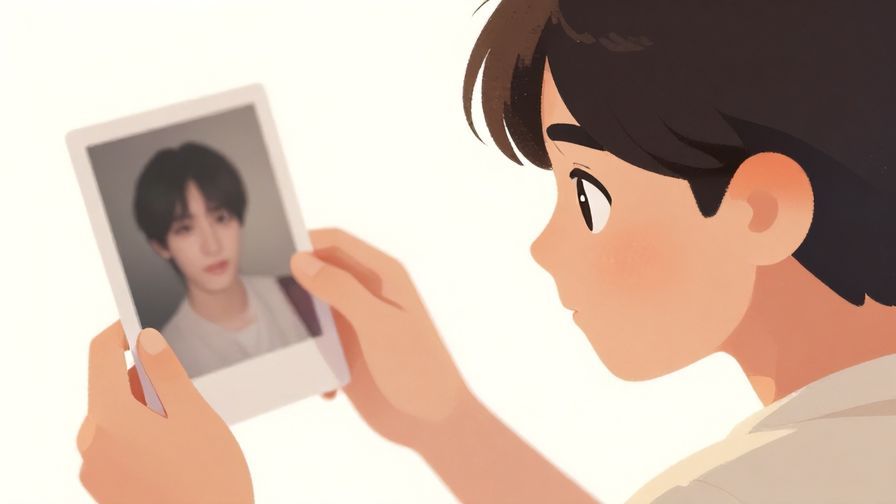
恋しい (koishii) means “dear” or “missed,” and 恋しかったです (koishikatta desu) is its past polite form.
This formal phrase expresses that you missed someone or something deeply.
It’s often used in writing or refined speech.
Perfect for heartfelt letters or polite conversations.
It’s a bit poetic and adds elegance to your expression.
Use it when you want to convey genuine longing with respect.
14. またお目にかかれて光栄です (Mata ome ni kakarete kouei desu) – “It’s an honor to see you again.”
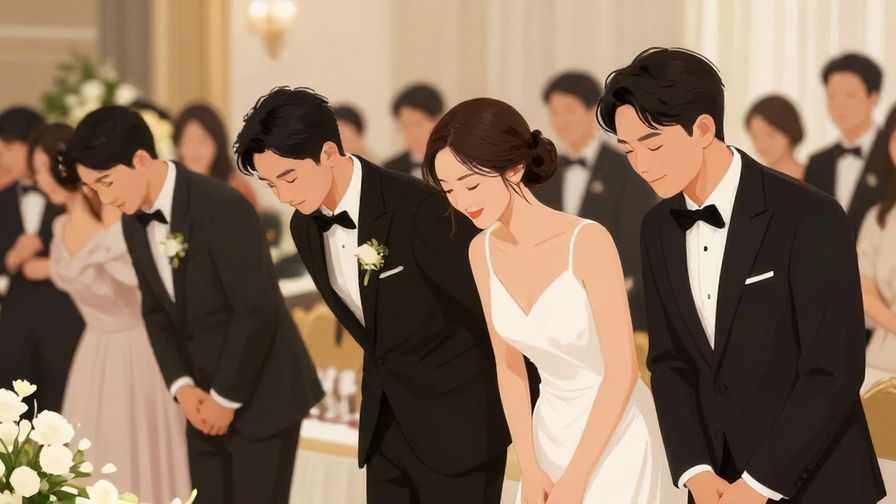
またお目にかかれて光栄です (Mata ome ni kakarete kouei desu) is a very polite way to say “It’s an honor to see you again.”
お目にかかる (ome ni kakaru) is a humble expression for “to meet.”
This phrase is suited for formal business or ceremonial occasions.
It expresses respect, gratitude, and a gentle hint of missing the person.
Use this to show high regard and warmth in professional settings.
It’s a powerful phrase for lasting positive impressions.
15. 久しいお付き合いに感謝しています (Hisashii otsukiai ni kansha shiteimasu) – “I’m grateful for our long relationship.”
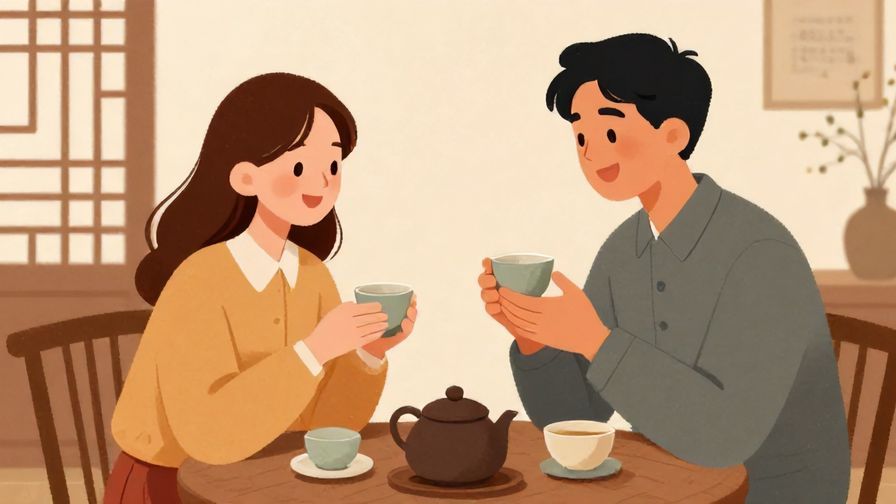
久しいお付き合いに感謝しています (Hisashii otsukiai ni kansha shiteimasu) means “I’m grateful for our long relationship.”
This phrase acknowledges time apart and appreciation for ongoing connection.
It’s polite and thoughtful for both personal and professional relationships.
Use it to express thanks and a sense of missing the closeness.
It’s a graceful phrase for letters or speeches.
Perfect for deepening bonds politely and warmly.
16. ずっと待っていました (Zutto matteimashita) – “I’ve been waiting all along.”
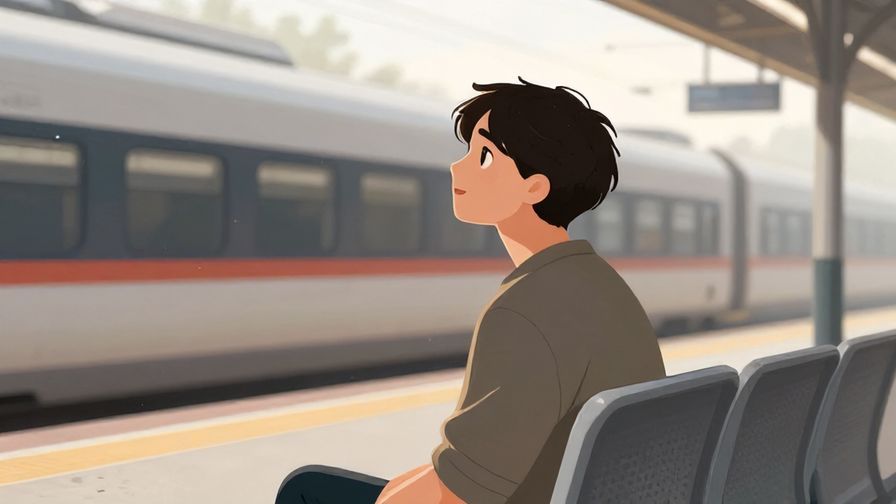
ずっと (zutto) means “all along,” and 待っていました (matteimashita) is “was waiting.”
This phrase conveys anticipation and the feeling of missing something while waiting.
It’s polite and perfect for formal or casual use, depending on tone.
Great for expressing eagerness to reunite or experience something again.
Use it to let someone know you’ve missed and looked forward to them.
This phrase adds emotional depth to your polite conversations.
Part 3: Very Casual / Native-like Expressions
17. めっちゃ懐かしい! (Meccha natsukashii!) – “Super nostalgic!”

めっちゃ (meccha) is Kansai dialect slang meaning “very” or “super,” combined with 懐かしい (natsukashii).
This phrase is casual, energetic, and perfect for young people expressing how much they missed something.
It’s used when something instantly brings back fond memories.
Great for casual chats with friends or social media posts.
Adding めっちゃ gives your phrase a lively, native-like feel.
Use this to sound fun and expressive in informal settings.
18. 久しぶりやな! (Hisashiburi yana!) – “Long time no see, huh?” (Kansai dialect)

やな (yana) is a Kansai dialect sentence-ending particle that adds friendliness.
久しぶりやな (Hisashiburi yana) means “Long time no see, huh?” in a very casual, regional style.
This phrase is perfect for informal conversations with friends from Kansai or who appreciate dialect.
It adds warmth and local flavor to the common 久しぶり.
Using dialect expressions like this helps you sound more like a native.
Try it with a smile to show your friendly intention.
19. これ、めっちゃ恋しかった! (Kore, meccha koishikatta!) – “I really missed this!”

これ (kore) means “this,” and 恋しかった (koishikatta) is the past form of “missed.”
Adding めっちゃ (meccha) makes it super casual and expressive.
This phrase is great for showing strong fondness for something you missed, like a favorite snack or activity.
It’s great for casual conversations or social media.
Use it to share your excitement about rediscovering something beloved.
It’s a lively and heartfelt way to say “I missed this.”
20. やっぱりこれだね! (Yappari kore da ne!) – “After all, this is it!”

やっぱり (yappari) means “after all,” and これだね (kore da ne) means “this is it, isn’t it?”
This phrase expresses satisfaction in returning to something you missed.
It’s casual and very commonly used among friends.
Great for showing that you knew your favorite was the best all along.
Use it when you’re happy to be back to something familiar.
It’s simple, relatable, and full of warmth.
21. またここに来られて嬉しい! (Mata koko ni korarete ureshii!) – “I’m happy to be able to come here again!”

また (mata) means “again,” ここに (koko ni) means “to here,” 来られて (korarete) is potential form “can come,” and 嬉しい (ureshii) means “happy.”
This phrase expresses joy at revisiting a place you missed.
It’s casual yet polite enough for friendly conversation.
Perfect for sharing your feelings about a favorite hangout or hometown spot.
Use it to show your appreciation for familiar comforts.
It’s a warm phrase that conveys both nostalgia and happiness.
22. ずっと恋しかったよ! (Zutto koishikatta yo!) – “I’ve missed you all along!”

ずっと (zutto) means “all along,” 恋しかった (koishikatta) means “missed,” and よ (yo) adds emphasis.
This phrase warmly expresses that you’ve missed someone deeply over time.
It’s casual but strong, perfect for close relationships.
Use it to share heartfelt feelings with friends, family, or a partner.
Adding よ softens and personalizes the statement.
A beautiful phrase for heartfelt reunions or messages.
Concluding Thought
Expressing “I’ve missed this” in Japanese is more than just words—it’s about sharing feelings and connections.
From casual chats to formal greetings, these 22 phrases give you the tools to express warmth and nostalgia in many situations.
So next time you feel that lovely feeling of missing something or someone, try one of these phrases to brighten the moment and deepen your bonds.